Published: 16 September ‘2025. The English Chronicle Desk
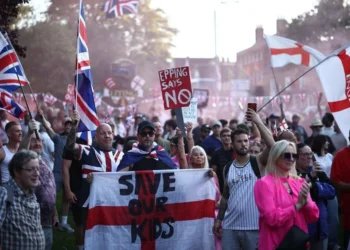
The recent “Unite the Kingdom” march in London, organised by far-right activist Tommy Robinson, has reignited concerns among minority communities that extremist politics is becoming increasingly legitimised in the United Kingdom. Estimates suggest that between 110,000 and 150,000 people attended the rally on 13 September, while counter-protesters numbered approximately 5,000, underscoring the scale of division in public sentiment.
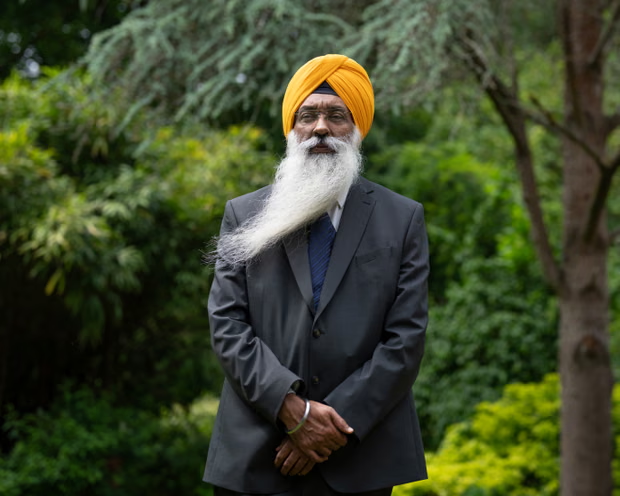
For some Britons who remember previous waves of racial tension, the rally conjured troubling memories of the past. Dabinderjit Singh, a retired senior civil servant, recalled his father’s anti-National Front marches in the 1970s, noting that while those movements then felt marginal, “now, the far right seems legitimised and popular.” His words reflect growing unease among ethnic minority communities that the boundaries of acceptable political discourse may be shifting in ways that embolden extremist voices.

Hetticia McIntosh, 70, a former member of the Windrush generation from Manchester, described receiving community safety warnings via WhatsApp advising ethnic minority travellers to avoid London during the rally. Speaking from personal experience, McIntosh drew parallels to the systemic racism she and her family endured decades ago when the Home Office refused to renew their passports, forcing them into prolonged exile in St Lucia. She warned that the rhetoric emerging from both far-right activists and political discourse could precipitate a new era of exclusion and marginalisation for legal migrants.
While many participants at the rally cited national pride and concerns over immigration, observers note that these public displays have sometimes manifested as hostility toward minority communities. St George’s crosses and Union flags, part of nationwide “raise the colours” campaigns, have occasionally been defaced with racial slurs targeting businesses and places of worship, including mosques, churches, and Asian-owned establishments. Incidents of overt violence have also been reported, such as the assault of a Sikh woman in Oldbury, West Midlands, who was told, “You don’t belong here, get out.”
Robinson sought to position himself as selectively inclusive, praising the contributions of the Sikh community while framing other minorities as problematic. Community leaders, however, see this as a deliberate divide-and-rule strategy, exacerbating tensions between religious and ethnic groups. Singh emphasised that such tactics, combined with mainstream political discourse that often targets migrants, make current times “more worrying, more dangerous” than those he witnessed in the 1970s.
The political backdrop compounds these concerns. Labour’s proposals to extend the qualifying period for settled status from five to ten years for legal, taxpaying skilled migrants, alongside Tory calls to revoke indefinite leave to remain for certain categories of migrants, have contributed to a perception of state-sanctioned exclusion. For many, including McIntosh, these debates echo historical injustices such as the Windrush scandal, underscoring the cyclical nature of prejudice and policy missteps.
Experts on extremism caution that the social conditions enabling far-right movements persist. Nigel Bromage, founder of the counter-extremism organisation Exit Hate, highlighted that economic inequality, social grievances, and a sense of disenfranchisement provide fertile ground for such ideologies. “While the London rally was presented as an inclusive event, it attracted both frustrated citizens and hardcore nationalists seeking to spread their message,” he said.
Community organisations representing ethnic minority groups are also sounding alarms. Representatives of the UK Indian Muslim Council and the British Muslim Trust report that minorities increasingly feel unsafe, citing verbal harassment, targeted abuse, and measures taken by families to avoid public spaces. Akeela Ahmed, chief executive of BMT, described the atmosphere as “deeply concerning,” highlighting the ripple effects of rhetoric and visible displays of far-right ideology on daily life.
For Singh and other community leaders, the concerns extend beyond immediate threats to a broader question of political accountability. “We need leadership that addresses both immigration and racism,” he said, warning that failing to tackle systemic prejudice could erode social cohesion and democratic principles. Anti-racist groups, including the Runnymede Trust, echo this sentiment, highlighting the symbolic resonance of the rally occurring on what would have been Stephen Lawrence’s birthday and warning that “racism kills.”

In the wake of the rally, Labour’s social cohesion initiatives, previously spearheaded by Angela Rayner, remain a key point of discussion. A spokesperson for the communities department reaffirmed the government’s commitment to combating racism and fostering dialogue between communities, noting that work on the social cohesion taskforce will continue under the prime minister’s oversight.
As the UK grapples with these complex dynamics, Saturday’s rally serves as a stark reminder that far-right politics, once considered marginal, is increasingly visible and capable of influencing public discourse. For minority communities, the echoes of the past resonate uncomfortably with present realities, highlighting the urgent need for policies and leadership that safeguard inclusivity and equality.
Related News:
 UK Must Act with Courage and Clarity on Israel-Palestine Conflict, Says Foreign Affairs Committee Report
 Tasers Introduced in UK Prisons to Combat Rising Violence and Protect Staff
 Wethersfield Controversy Deepens as Asylum Seeker Numbers Set to Surge by 50%
 Chancellor Faces Mounting Pressure Amid “Impossible Trilemma” Over Tax Rises
 Radioactive Leak at UK’s Nuclear Warhead Base Sparks Outcry Over Safety and Secrecy
 Mass Arrests in London as Protest Defies Ban on Palestine Action
 Mutual Inconvenience: Why Alaska Was Chosen for the Trump-Putin Summit on Ukraine
 Russell T Davies Warns of Declining UK Gay Rights Amid Rise of Reform UK and Trump Influence
 UK Government Expands ‘Deport Now, Appeal Later’ Policy to 23 Countries
 Farage Accuses PM of ‘Democratic Disparity’ in House of Lords Representation
 Chancellor Rachel Reeves Pushes for Sweeping Changes to Environmental Protections to Accelerate Development
 Larger Families Could Gain Thousands if Labour Ends Two-Child Benefit Cap
 Is the UK Ready to Put Boots on the Ground in Ukraine? Assessing Military Capacity and Challenges
 Ory Councils Urged to Challenge Asylum Hotels After Epping Ruling
 Palestine Action Ban Protesters Plan Tactic to Overwhelm Police at Next London Demonstration
 Police Scotland Spends £500,000 Compensating Officers Over Trump Visit
 Britain’s Migration Challenge: Rising Asylum Numbers and Hotel Pressures
 Elon Musk Sparks New Controversy by Backing Tommy Robinson Amid Farage Feud
 Polanski’s Rise Signals a Shift in British Political Landscape
 Urgent Action Needed on Windrush Compensation as Survivors Speak of “Waiting to Die”
 Tanni Grey-Thompson Faces Abuse Over Opposition to Assisted Dying Bill
 Protests Expected as Israeli Arms Firms Join Global Defence Trade Fair in London
 Are Britain’s Unions Turning Against the Workers They Once Represented?
 TfL Invites RMT to Resume Talks as London Tube Strikes End
 UK Rejoining EU ‘Unlikely in My Lifetime,’ Says Starmer’s Europe Reset Negotiator
 UK Urged to Collaborate with NATO on Missile Defence Amid Russian Drone Threat
 France Proposes Ceiling on UK Role in €150bn EU Defence Fund
 Thousands Gather in London to Protest Donald Trump’s Second UK State Visit
 Tragedy in Hackney: Man Killed and Woman Injured in East London Park Shooting
 Privatisation of UK Industries Exacerbates Cost of Living Crisis, Warns Green Party Leader
 Trump Urges UK to “Call Out the Military” to Secure Borders Amid State Visit
 Zarah Sultana Seeks Legal Action After Bitter Clash with Jeremy Corbyn Over Party Membership Funds
 Top Andy Burnham Ally Launches Fierce Critique of Starmer Ahead of Labour Conference
 Mahmood Pledges Reform of Modern Slavery Laws After Court Blocks Deportation Appeal
 It Changed My View’: Campaign Encourages Pupils in Deprived Areas to Consider University
 UK Fighter Jet Purchase Could Breach Nuclear Treaty, Warns CND
 Migrants in UK May Need to Contribute or Face Removal, Home Secretary Signals
 Ed Miliband Urges Labour to Confront Billionaire-Backed Opposition to Net Zero Goals
 A Third of EU Citizens in UK Report Discrimination by Public Bodies Post-Brexit
 Senior Tories Condemn Badenoch’s Vow to Repeal Climate Change Act as Catastrophic
 Home Secretary condemns Gaza protests after Manchester synagogue attack as “un-British”
 Digital ID Plans Ignite Debate Over £600m Treasury Tax Boost and Privacy Concerns
 Robert Jenrick Reiterates Controversial Comments on Birmingham’s Integration as Backlash Grows
 Public Trust in SNP Hits Historic Low Amid NHS Concerns
 Yvette Cooper Backs Digital ID Plan for UK Teens
 Starmer Faces Backlash Over Downing Street Shake-Up and Progressive Exodus
 Johnson Suggests Mandelson Linked to China Spy Controversy
 Ministry of Justice fails to file £11bn in spending receipts
 Witness statements reveal the CPS China spy row collapse in the UK
 Rachel Reeves signals welfare reform ahead of key budget
 Starmer pledges to claw back Baroness Michelle Mone’s Covid contract millions
 Reform UK candidate fined £19,000 after using AI-generated cases to challenge election
 The debate over England’s compulsory reading test for 13-year-olds
 Hermer to face questions on alleged China spy case intervention
 Kosovo agrees to host Britain’s refused asylum seekers
 William Steps Up Over Prince Andrew Palace Response
 UK Health Leaders Push for Urgent Tobacco & Vape Bill
 How the Royal Navy Can’t Stop the Channel Boats
 British Woman in Iran ‘Losing Hope’ Amid Ongoing Detention
 Johnson Approved China’s London ‘Super-Embassy’ in 2018
 BBC Journalist Held and Interrogated in Vietnam
 Green Party Surges Past Labour in Latest UK Poll
 Celebrities and Charities Demand UK Government Act on Child Poverty
 Zarah Sultana Launches Party to Change Politics
 FBI Director Kash Patel Defends Girlfriend Amid Government Jet Claims
 ‘Reckless’ cuts to victims’ services will cost more than they save
 Starmer Faces Growing Dissent as Labour MPs Weigh Leadership Challenge
 Politics latest: Starmer ‘will fight any leadership coup’ as Streeting denies attempt to oust Labour PM
 Pressure Mounts on Starmer to Sack Chief of Staff Over Briefing Row
 Peers Flood Assisted Dying Bill with 942 Amendments
 England’s Special Needs Support Faces Breaking Point
 MoD warned over Excel risks before Afghan data breach
 Labour Faces Historic Decline in Wales
 PM Highlights UK Business at G20 in South Africa
 Kate Forbes: Motherhood Harder Than Politics
 Most Tories Expect to Support a Farage-Led Government
 Labour MP claims devolution bill is ‘blatant discrimination’ against Cornwall
 Millions Face Higher Taxes Under Reeves New Budget
 Peers Get Extra Time to Debate Assisted Dying Bill
 “Enough is Enough”: Local MP Vows to Fight Rainham Quarry Plans