Published: 18 September ‘2025. The English Chronicle Desk, English Chronicle Online
ABC has announced an indefinite suspension of its late-night talk show Jimmy Kimmel Live! following remarks made by the host regarding the recent killing of conservative commentator Charlie Kirk. The network’s decision came amid mounting pressure from broadcast regulators, media conglomerates, and political figures, highlighting the tense intersection of media, politics, and public accountability in the United States.
The suspension was formally confirmed on Wednesday evening by ABC, which stated that Jimmy Kimmel Live! would be removed from its schedule for the foreseeable future. An ABC spokesperson clarified that the preemption meant the network would broadcast alternative programming in the timeslot normally reserved for Kimmel’s show, with no immediate timeline set for its return.
The decision quickly drew praise from former President Donald Trump, who took to social media to commend ABC for its “courage” in suspending the program. In a post, Trump described the move as “great news for America” and appeared to take aim at other late-night hosts, including Jimmy Fallon and Seth Meyers of NBC, calling them “total losers” and linking them to what he labeled “Fake News” networks. The post also followed the cancellation of Stephen Colbert’s show two months earlier, framing the suspension within an ongoing national debate over media conduct and political accountability.

ABC’s move followed swift action from major TV station owners. Nexstar Media, one of the largest operators of television stations in the United States, announced it would “strongly object” to Kimmel’s remarks and preempt any episodes of his show scheduled to air on its stations across the country. Sinclair Broadcast Group, which owns more ABC affiliates than any other company, similarly stated that it would air a tribute to Charlie Kirk during Kimmel’s timeslot on Friday, effectively replacing the host’s usual programming with a commemorative broadcast.
The escalating controversy reached the Federal Communications Commission (FCC), where Chairman Brendan Carr had publicly called on local broadcasters to stop airing Jimmy Kimmel Live!, warning them of potential penalties including fines or revocation of licenses. Speaking on the right-wing commentator Benny Johnson’s podcast, Carr emphasized broadcasters’ “obligation to serve the public interest” and urged media outlets to critically assess Disney-owned programming that they believed fell short of community standards. Carr later thanked Nexstar publicly for its decision to preempt Kimmel, framing the move as an example of responsible broadcasting.
The remarks that triggered this backlash occurred during Kimmel’s monologues earlier in the week, shortly after Charlie Kirk was fatally shot while on a speaking tour in Utah. On Monday, Kimmel criticized political factions seeking to frame the shooter, Tyler Robinson, as representative of any specific ideology, stating that such efforts were politically motivated and distasteful. He said: “We hit some new lows over the weekend with the Maga gang trying to characterize this kid who killed Charlie Kirk as anything other than one of them and doing everything they can to score political points from it.”
Robinson has been charged with aggravated murder, felony discharge of a firearm, and witness tampering, and could face the death penalty. Kimmel’s commentary, according to broadcast critics, was seen as highly provocative given the national sensitivity surrounding the event and the ongoing legal proceedings. On Tuesday night, Kimmel continued his critique, accusing the U.S. Vice President, JD Vance, of deflecting blame to the political left without evidence. Kimmel argued that studies show far-right groups remain the largest source of domestic terrorism and extremist violence, although the Department of Justice has since removed the study he referenced from its website.
Andrew Alford, President of Nexstar’s broadcasting division, labeled Kimmel’s commentary as “offensive and insensitive at a critical time in our national political discourse.” Alford emphasized that continuing to broadcast the show was “simply not in the public interest” and framed the preemption as a measure to “let cooler heads prevail” and promote respectful dialogue amidst national tensions.
The network and media conglomerates’ responses highlight the growing influence of political pressure on broadcasting decisions in the United States. While late-night television has traditionally served as a platform for commentary and satire, the lines between humor, opinion, and perceived insensitivity have increasingly come under scrutiny. Kimmel, known for his forthright political monologues, faces a media landscape where regulatory threats, public criticism, and corporate oversight intersect in ways that can swiftly disrupt a show’s production and distribution.
Beyond ABC’s suspension, the controversy raises broader questions about freedom of speech, media responsibility, and the role of political polarization in shaping public perception of news and entertainment. Kimmel has not yet issued a personal statement responding to the suspension, leaving fans, critics, and industry observers speculating on both the long-term impact on his career and the potential reshaping of late-night television in a politically charged environment.

Observers note that the timing of the suspension coincides with heightened scrutiny over media accountability in politically sensitive incidents. Broadcasters now face increased pressure to navigate the tension between editorial freedom and public responsibility, particularly in the context of live commentary on ongoing events. The preemptions by Nexstar and Sinclair reflect a growing corporate caution, where stations must weigh viewer reactions, political affiliations, and regulatory guidance in real time.
The broader implications for late-night programming could be significant. Kimmel’s suspension might set a precedent for how networks handle politically controversial content, potentially influencing the editorial decisions of other high-profile hosts across the United States. Analysts suggest that this episode illustrates a new era in which media organizations must operate with heightened awareness of the political climate, public opinion, and regulatory oversight simultaneously.
For ABC, the decision marks a rare move in its programming history, signaling the network’s responsiveness to public sentiment and regulatory pressure. It also underscores the complex relationship between entertainment, politics, and media governance in contemporary America. While the show’s return remains uncertain, the network is actively evaluating its options and monitoring developments closely to determine the safest path forward.
In conclusion, the indefinite suspension of Jimmy Kimmel Live! following remarks on the killing of Charlie Kirk underscores the challenges facing media outlets operating in a hyper-partisan and highly scrutinized environment. With major broadcast groups taking preemptive measures, regulatory authorities issuing warnings, and political figures publicly weighing in, the incident highlights the delicate balance between freedom of expression and perceived responsibility in American media. As the situation develops, the impact on Kimmel, his audience, and the broader late-night television landscape will likely be closely observed both domestically and internationally.
Related News:
 Kinnock’s Rebuke Echoes Loudly as Corbyn Allies Launch Left-Wing Breakaway: “A Gift to Farage”
 Tories in Turmoil as Sir Jake Berry’s Defection to Reform Sparks Fears of Further Exodus
 UK and Norway Forge Stronger Ties Through Joint Sanctions and Enhanced Defence Cooperation
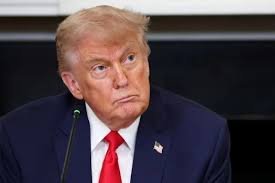 Trump Administration Dismisses 17 Immigration Judges, Sparking Debate Over Judicial Independence
 Lammy Condemns Israel’s Targeting of Starving Palestinians: Sanctions Threatened Amid Global Outrage
 Tony Blair Pressured to Repay Thousands for Designer Clothing Discounts, Reveals Newly Declassified Records
 Modi’s London Visit Seals Historic UK-India Trade Pact Amid Global Tensions
 UK Must Act with Courage and Clarity on Israel-Palestine Conflict, Says Foreign Affairs Committee Report
 Philippine Supreme Court Halts Impeachment of Sara Duterte, Fuelling 2028 Election Speculation
 New Missile, New Balance: US Precision Strike Weapons Redefine Taiwan’s Defence Horizon
 Whisky, War, and Warm Words: Trump Meets Swinney Amid Scottish Tour Finale
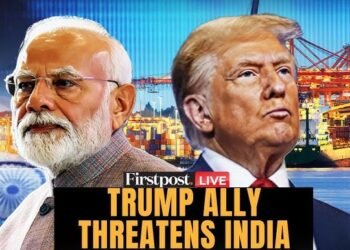 Trump Threatens 100% Tariff on Nations Importing Russian Oil Amid India Standoff Over Ukraine War
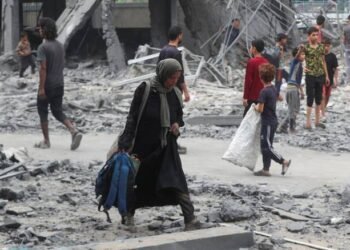 MPs Call on UK Government to Delay Biometric Visa Checks for Gaza Students Amid Humanitarian Crisis
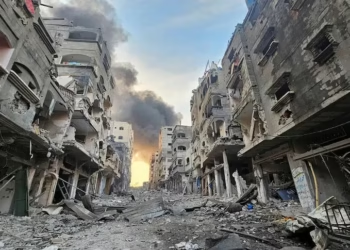 Netanyahu Announces Plan to Take Over Gaza City, Escalating Conflict Further
 Radioactive Leak at UK’s Nuclear Warhead Base Sparks Outcry Over Safety and Secrecy
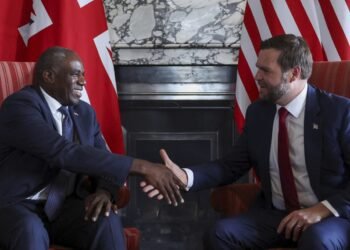 Lammy and Vance Meet in Britain to Advance US-Brokered Ukraine Peace Talks
 Mutual Inconvenience: Why Alaska Was Chosen for the Trump-Putin Summit on Ukraine
 Prominent Al Jazeera Journalist Anas al-Sharif Among Five Reporters Killed in Israeli Airstrike on Gaza
 Hong Kong Summons UK and Australian Envoys Following Asylum Grants to Democracy Activists
 Is the UK Ready to Put Boots on the Ground in Ukraine? Assessing Military Capacity and Challenges
 Ukraine-Russia War Latest: Trump Suggests Putin Avoiding Zelensky Summit Due to ‘Personal Dislike’
 Protests Expected as Israeli Arms Firms Join Global Defence Trade Fair in London
 Trump Appears Sidelined as Israel’s Unprecedented Strikes Hit Qatar
 Meeting Between Keir Starmer and Israeli President Marked by Tense Exchanges Over Gaza Aid
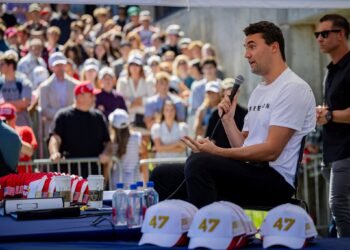 Conservative Influencer Charlie Kirk Fatally Shot During University Debate
 UK Imposes 100 New Sanctions Targeting Russia’s Revenues and Military Supplies
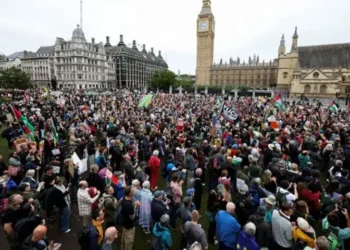 Thousands Gather in London to Protest Donald Trump’s Second UK State Visit
Trump Urges UK to “Call Out the Military” to Secure Borders Amid State Visit
Trump’s UN Speech Criticises London and UK Policies, Draws Far-Right Attention
Thousands Gather in London to Protest Donald Trump’s Second UK State Visit
Trump Urges UK to “Call Out the Military” to Secure Borders Amid State Visit
Trump’s UN Speech Criticises London and UK Policies, Draws Far-Right Attention
 Denmark Investigates Professional Drone Incursions Across Multiple Airports, No Evidence of Russian Involvement
 Sir Sadiq Khan Accuses Trump of Racism and Islamophobia Following UN Remarks
 UK Fighter Jet Purchase Could Breach Nuclear Treaty, Warns CND
 Tony Blair Considered for Leadership Role in Transitional Gaza Authority
 Moldova’s Pro-European Party Secures Election Victory
 A Third of EU Citizens in UK Report Discrimination by Public Bodies Post-Brexit
 Jailed Georgian Opposition Leaders Warn UK of Iranian Links to Ruling Party
 Russia repeatedly targets UK military satellites, warns Space Command chief
 Pro-Palestine March to Proceed in London Despite Calls to Cancel After Manchester Attack
 Japan’s First Female Governing-Party Leader Emerges Amid Ultra-Conservative Politics
 Misinformation and Political Pressure Force Weston-super-Mare to Abandon Refugee Sanctuary Plan
 UK Universities Warn Students Ahead of 7 October Pro-Palestine Protests
 Public Trust in SNP Hits Historic Low Amid NHS Concerns
 Johnson Suggests Mandelson Linked to China Spy Controversy
 UK Extradition Law Change Sparks Fears Among Hong Kong Dissidents
 Witness statements reveal the CPS China spy row collapse in the UK
 Nigel Farage Calls Vladimir Putin ‘A Very Bad Dude’
 Rachel Reeves signals welfare reform ahead of key budget
 Kosovo agrees to host Britain’s refused asylum seekers
 Ireland Votes as Two Women Compete for Presidency
 Rachel Reeves to lead UK trade push in Saudi Arabia amid rights debate
 Experts Warn Russia’s Burevestnik Missile Could Destabilise Arms Control
 British Woman in Iran ‘Losing Hope’ Amid Ongoing Detention
 Johnson Approved China’s London ‘Super-Embassy’ in 2018
 BBC Journalist Held and Interrogated in Vietnam
 UK University Suspends Human Rights Research Following Pressure from China
 UK University Faces Counter-Terror Probe Over China Pressure
 Abigail Spanberger Elected Virginia’s First Female Governor
China-critical UK academics face ‘extremely heavy’ pressure from Beijing
Abigail Spanberger Elected Virginia’s First Female Governor
China-critical UK academics face ‘extremely heavy’ pressure from Beijing
 British military receives first Ajax armoured vehicles – eight years late
 Hannibal Gaddafi Freed After Nearly a Decade in Lebanon
 Ukraine-Russia war latest: Putin’s troops exploit bad weather to force Kyiv withdrawal from multiple towns
 Trump Claims Victory as Longest Shutdown Ends
 Hamas Fighters in Gaza Tunnels Stall Ceasefire Progress
 New review urges UK to repatriate Shamima Begum, others from Syria
 US Justice Department Files Lawsuit Against California Over Partisan Voting Maps
 Trump Deploys DHS to Charlotte in Major Arrest Operation
 Why Russian Liberals Push Strongly Pro-Israel Narratives
 Congress Approves Release of Epstein Files, Trump Expected to Sign
 Rama Rebukes Mahmood for Targeting Albanian Families
 Russian Vessel Used Lasers on RAF Pilots, UK Claims
 Pentagon Officials in Ukraine to Discuss War End
 US Military Team Visits Kyiv Amid War Talks
 Venezuela Threatens Nobel Winner Machado with Fugitive Status
 Texas Governor Faces Lawsuit From CAIR
 Trump Envoy to Discuss Ukraine Peace at Kremlin
 Pope Leo XIV Begins Historic Trip to Turkey and Lebanon
 India’s Labour Law Overhaul Sparks Fierce Debate
 Video shows Israeli troops kill Palestinians after surrender
 Trump to Recheck Green Cards from 19 Nations After DC Attack
 Chinese & Japanese Boats Clash Near Disputed Islands