Published: 04 October’ 2025. the English Chronicle Desk, English Chronicle Online
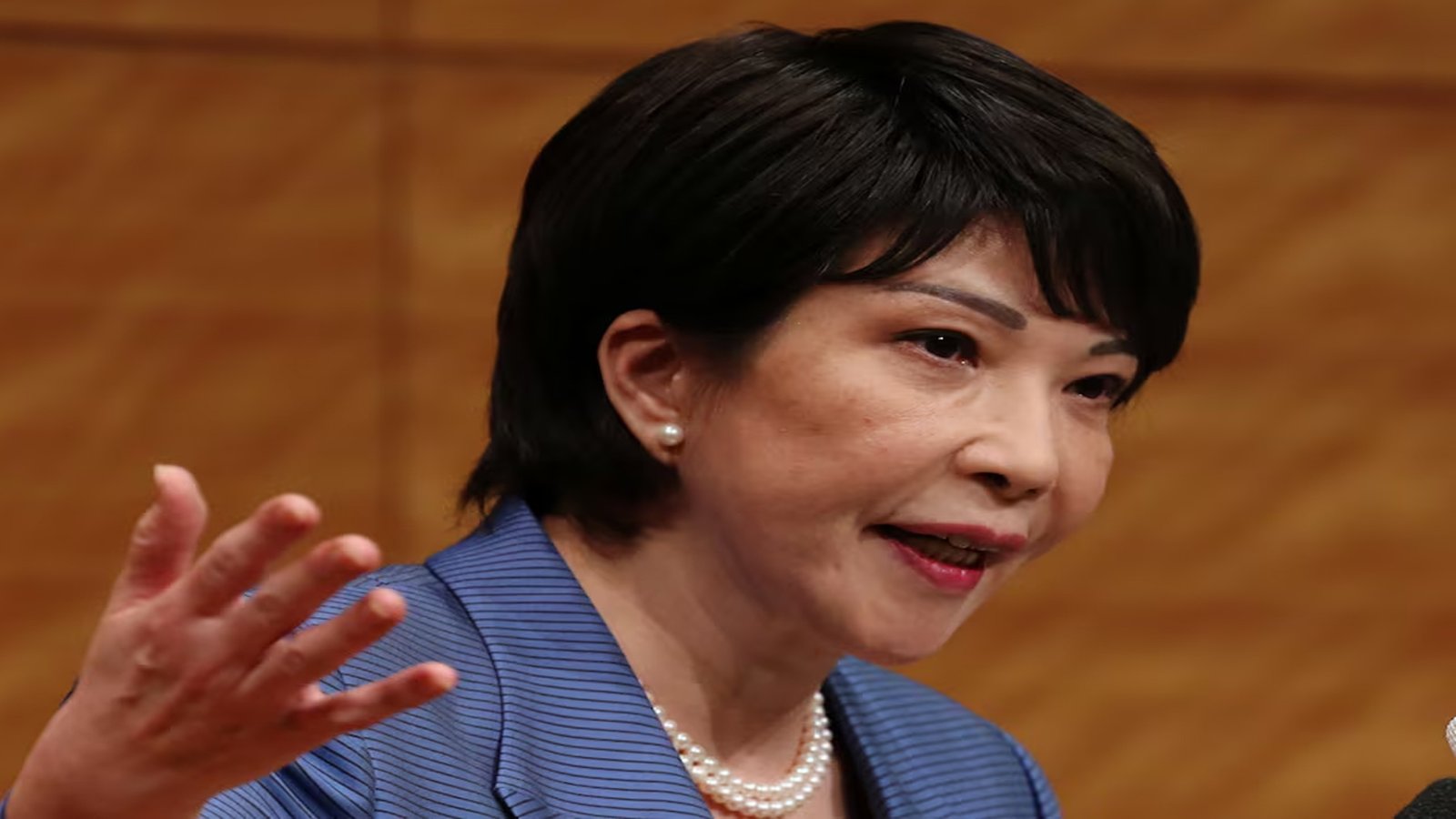
Japan is on the verge of making history with the likely appointment of Sanae Takaichi as the country’s first female prime minister, following her recent election as president of the ruling Liberal Democratic Party (LDP). At 64, Takaichi has risen through the ranks of a party long dominated by men, positioning herself as a leading figure in Japan’s political landscape at a moment when gender equality remains a persistent challenge.
Takaichi’s election reflects both continuity and contrast within the LDP, a party widely associated with ultra-conservative policies, traditional gender roles, and an emphasis on nationalistic and security-oriented governance. Critics argue that the party’s structure and culture have historically hindered women’s advancement, making Takaichi’s ascent an exceptional development in a political environment where female leaders remain scarce. Despite these challenges, her leadership marks a symbolic breakthrough for Japanese politics, highlighting the complex interplay between gender, ideology, and party loyalty.

A long-time admirer of former British Prime Minister Margaret Thatcher, Takaichi has expressed support for a style of leadership that combines firm conservative principles with decisive policymaking. She is also a vocal advocate of policies championed by former Prime Minister Shinzo Abe, particularly regarding Japan’s economic revitalization, national security, and emphasis on traditional social values. These positions underscore her alignment with the party’s core base while positioning her as a familiar figure to constituents who value stability and continuity.
Takaichi’s rise comes at a time when Japan faces multifaceted domestic and international challenges. Domestically, the country grapples with an aging population, stagnant wage growth, and persistent gender gaps in employment and political representation. Internationally, tensions with regional neighbors, particularly China and North Korea, demand careful diplomatic engagement and strategic defense planning. Her conservative orientation, combined with a keen focus on Japan’s security infrastructure, suggests that her leadership will prioritize stability, national sovereignty, and assertive regional policies.
Despite the historic significance of her gender, Takaichi’s leadership is unlikely to dramatically reshape the conservative orientation of her party. Observers note that while she breaks the gender barrier at the top, her ultra-conservative positions may reinforce rather than challenge the traditionalist perspectives that have long shaped LDP policies. Issues such as reproductive rights, workforce gender parity, and social liberalization are expected to remain secondary to priorities like economic stimulus, defense modernization, and constitutional reinterpretation.
Takaichi’s political career spans several decades, marked by steady advancement through party ranks, ministerial appointments, and legislative influence. Her ascent to the top leadership position reflects both her political acumen and her ability to navigate the LDP’s often rigid hierarchy. For many analysts, her leadership exemplifies a strategic blend of ideological commitment, loyalty to party traditions, and a capacity to connect with core conservative constituencies.
Public reaction to Takaichi’s emergence as the likely next prime minister has been mixed. While some celebrate the milestone for female representation in Japan’s highest echelons of power, others caution that her ultra-conservative views may limit progress on gender equity and broader social reforms. Advocacy groups for women’s rights point out that symbolism alone is insufficient to dismantle systemic barriers, emphasizing the need for concrete policies that promote equality in employment, politics, and education.
International observers have also noted the potential implications of Takaichi’s leadership for global relations. Her admiration for Margaret Thatcher signals an affinity for strong, decisive leadership, while her alignment with Abe’s conservative vision suggests continuity in Japan’s strategic priorities, including defense partnerships with the United States and careful navigation of complex regional dynamics in East Asia. Analysts anticipate that Takaichi will seek to balance domestic expectations with international responsibilities, maintaining Japan’s status as a key economic and geopolitical actor.
The timing of Takaichi’s election is significant. With Japan ranking low on global gender equality indices, her ascension underscores the tension between progress in representation and continuity in policy. Her leadership is being closely watched by both domestic and international audiences as a case study in how female politicians navigate traditionally male-dominated parties while balancing ideological commitments with broader social expectations.
Critics argue that Takaichi’s rise is less about breaking gender barriers and more about her alignment with established power structures within the LDP. They suggest that while her appointment may inspire women politically, the broader systemic reforms needed to enhance gender equity remain largely unaddressed. Nevertheless, her presence at the top of the party may encourage incremental change, creating opportunities for future female politicians to emerge within Japan’s political establishment.

As the LDP prepares for parliamentary confirmation and the formal transition of power, attention is focused on how Takaichi will address pressing national issues. Economic recovery strategies, fiscal sustainability, regional security, and social policy reforms are likely to dominate her agenda. Analysts predict that while her ultra-conservative ideology will shape these priorities, her role as the first female party leader may introduce nuanced perspectives on governance, political negotiation, and public engagement.
Ultimately, Sanae Takaichi’s election represents a historic moment for Japan, blending the symbolic achievement of female leadership with the realities of conservative governance in a male-dominated political system. Her tenure will serve as a litmus test for the extent to which gender and ideology intersect in shaping the nation’s future, influencing both domestic policy and international perceptions of Japan’s political evolution.
Related News:
 Kinnock’s Rebuke Echoes Loudly as Corbyn Allies Launch Left-Wing Breakaway: “A Gift to Farage”
 Tories in Turmoil as Sir Jake Berry’s Defection to Reform Sparks Fears of Further Exodus
 Starmer Seeks to Regain Momentum with Summer ‘Refresh’ Amid Political Pressures and Party Fractures
 “I Feel English”: Young Migrant’s Dream of Britain Amid Political Pressure Over Channel Crossings
 UK and Norway Forge Stronger Ties Through Joint Sanctions and Enhanced Defence Cooperation
 Nation Mourns as Former Nigerian President Muhammadu Buhari Passes Away in London
 Trump Administration Dismisses 17 Immigration Judges, Sparking Debate Over Judicial Independence
 WHO Condemns Israeli Attacks on Gaza Facilities as Humanitarian Crisis Deepens
 Lammy Condemns Israel’s Targeting of Starving Palestinians: Sanctions Threatened Amid Global Outrage
 Netanyahu Announces Plan to Take Over Gaza City, Escalating Conflict Further
 Prominent Al Jazeera Journalist Anas al-Sharif Among Five Reporters Killed in Israeli Airstrike on Gaza
 Denmark Investigates Professional Drone Incursions Across Multiple Airports, No Evidence of Russian Involvement
 Sir Sadiq Khan Accuses Trump of Racism and Islamophobia Following UN Remarks
 Tony Blair Considered for Leadership Role in Transitional Gaza Authority
 Trump Seeks Breakthrough in Israel-Gaza Peace Talks
 Misinformation and Political Pressure Force Weston-super-Mare to Abandon Refugee Sanctuary Plan
 Trump Hails Gaza War’s End, Pushes for Middle East Peace
 Mikie Sherrill Elected New Jersey’s Governor in Key Win
 Britain deploys RAF specialists to assist Belgium with drone threats
 Hannibal Gaddafi Freed After Nearly a Decade in Lebanon
 US Justice Department Files Lawsuit Against California Over Partisan Voting Maps
 December Run-Off in Chile as Election Produces No Winner
 UN Security Council Approves Trump’s Gaza Peace Plan
 Congress Approves Release of Epstein Files, Trump Expected to Sign
 Shadow Fleet at Sea: Europe’s Battle Against Illicit Oil Shipping
 Rapper Nicki Minaj Highlights Threats to Christians in Nigeria
 Rama Rebukes Mahmood for Targeting Albanian Families
 Russian Vessel Used Lasers on RAF Pilots, UK Claims
 Pentagon Officials in Ukraine to Discuss War End
 WhatsApp Messages Expose Nathan Gill’s Bribery
 India’s COP30 Delay Raises Global Climate Concerns
 Venezuela Threatens Nobel Winner Machado with Fugitive Status
 Texas Governor Faces Lawsuit From CAIR
 Trump Envoy to Discuss Ukraine Peace at Kremlin
 Pope Leo XIV Begins Historic Trip to Turkey and Lebanon
 Georgians Defy Government Crackdown After Year of Protests
 Putin Intensifies Territorial Demands Before US Talks
 India’s Labour Law Overhaul Sparks Fierce Debate
 Video shows Israeli troops kill Palestinians after surrender
 Trump to Recheck Green Cards from 19 Nations After DC Attack
 Chinese & Japanese Boats Clash Near Disputed Islands
 Putin Meets US Envoy Amid Key Ukraine Peace Talks
 Kremlin Talks With US Yield No Ukraine Peace Breakthrough
 UK Must Act with Courage and Clarity on Israel-Palestine Conflict, Says Foreign Affairs Committee Report
 Northern Ireland Family of Three Shot Dead in Maguiresbridge Home Incident
 Trump Threatens 100% Tariff on Nations Importing Russian Oil Amid India Standoff Over Ukraine War
 Radioactive Leak at UK’s Nuclear Warhead Base Sparks Outcry Over Safety and Secrecy
 Mutual Inconvenience: Why Alaska Was Chosen for the Trump-Putin Summit on Ukraine
 Hong Kong Summons UK and Australian Envoys Following Asylum Grants to Democracy Activists
 Is the UK Ready to Put Boots on the Ground in Ukraine? Assessing Military Capacity and Challenges
 Costa Blanca Holiday Horror as Food Poisoning Outbreak Hits Four-Star Hotel
 Conservative Influencer Charlie Kirk Fatally Shot During University Debate
 Channel Crossings Surge: Over 1,000 People Arrive in the UK in Small Boats in a Single Day
 Widow of Charlie Kirk Forgives Killer at Emotional Memorial Service
 Public Executions in Gaza City Captured on Video Amid Ongoing Conflict
 Macron Phones Trump Over Traffic Jam in New York
 Comey Indictment Deepens Fears of Political Retribution Under Trump
 Yvette Cooper Signals Global Momentum Towards Gaza Peace Deal Amid Humanitarian Crisis
 “It Was Very Tough, But I Love Life”: Former Israeli Hostage Rebuilds Life After Family Killed by Hamas
 Arsenal Showcase Depth and Flexibility as Arteta Eyes Title Challenge
 Public Trust in SNP Hits Historic Low Amid NHS Concerns
 Johnson Suggests Mandelson Linked to China Spy Controversy
 Zelensky to Urge Missile Aid as Trump and Putin Plan Summit
 Rachel Reeves signals welfare reform ahead of key budget
 Ireland Votes as Two Women Compete for Presidency
 Experts Warn Russia’s Burevestnik Missile Could Destabilise Arms Control
 Johnson Approved China’s London ‘Super-Embassy’ in 2018
 Tragedy on Lizard Island: Cruise Passenger Dies
 Zarah Sultana Launches Party to Change Politics
 US Senate Passes Funding Bill to End Historic Shutdown
 Pressure Mounts on Starmer to Sack Chief of Staff Over Briefing Row
 Trump Deploys DHS to Charlotte in Major Arrest Operation
 Orban Says Ukraine Has ‘No Chance’ as EU Support Continues
 Israeli Strike Kills 13 Near Palestinian Camp in Lebanon
 Haiti Qualifies for World Cup Despite Coach Never Visiting Country
 Vietnam Battles Deadly Floods as Rains Continue
 Millions Face Higher Taxes Under Reeves New Budget
 Two National Guard Soldiers Critically Injured Near White House
 Sri Lanka Floods Leave 56 Dead, Dozens Missing
 Jordan Bardella: France’s Young Presidential Contender