Published: 18 September ‘2025. The English Chronicle Desk, English Chronicle Online
The 2025–26 UEFA Champions League season kicked off with a series of compelling matches on Wednesday, showcasing high-caliber football, tactical mastery, and dramatic moments across Europe’s elite clubs. Paris Saint-Germain (PSG) and Inter Milan led the headlines with resounding victories, while other fixtures revealed unexpected resilience and late drama that set the tone for the early stages of the continental competition.
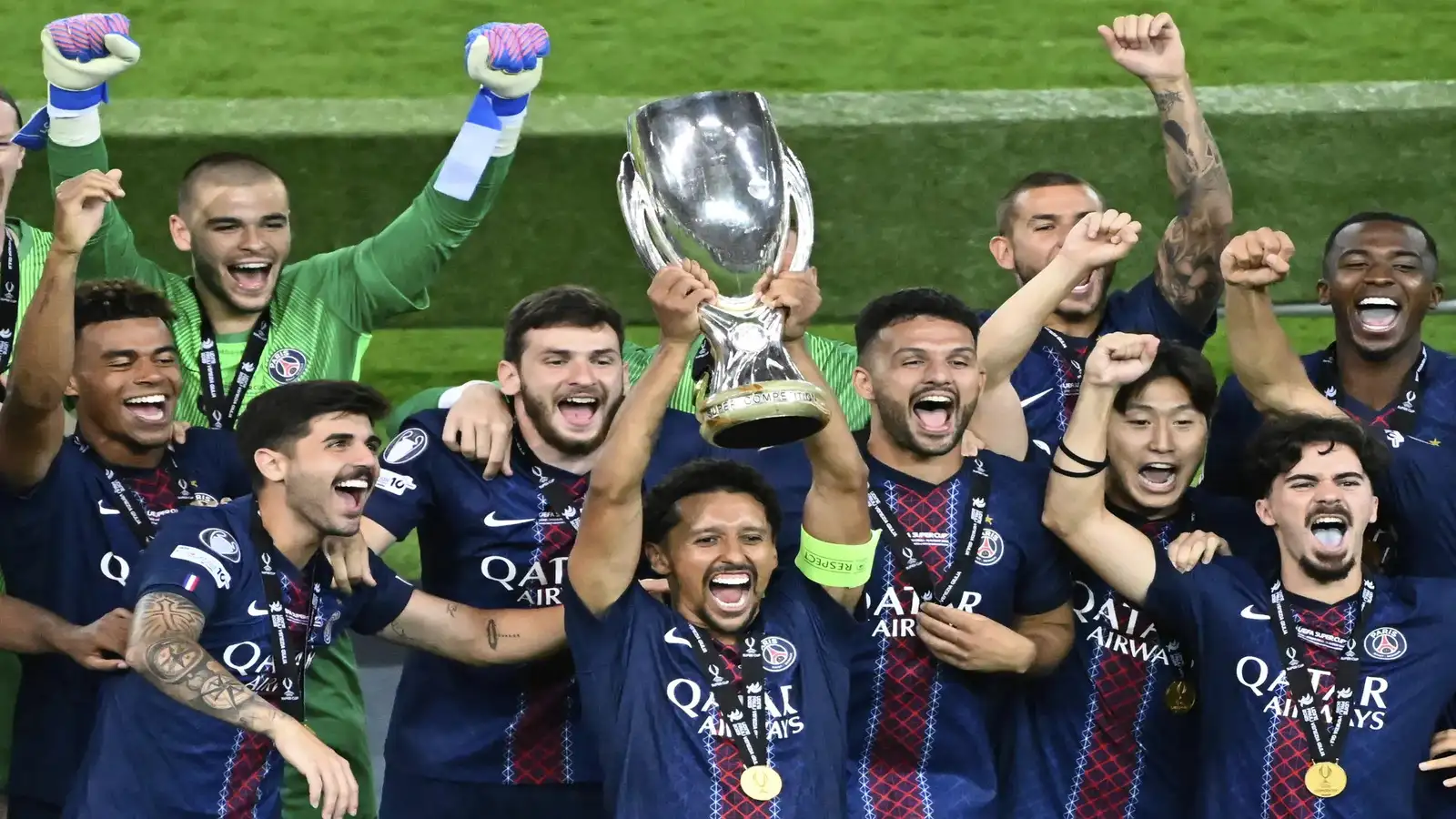
At the Parc des Princes, PSG returned to the Champions League with a statement performance, demolishing Atalanta 4-0 in what was a display of tactical discipline and attacking fluidity. The defending French champions wasted little time asserting their dominance, with Marquinhos scoring within the opening three minutes to provide a swift wake-up call for the Italian visitors. The early goal set the tempo for PSG’s relentless high-pressing style, which has become a hallmark of Luis Enrique’s strategy since last season’s triumph.
Khvicha Kvaratskhelia, Nuno Mendes, and Gonçalo Ramos added to the scoreline, each illustrating different facets of PSG’s attacking arsenal. Kvaratskhelia’s deft movement and incisive finish demonstrated his growing influence in the squad, while Mendes contributed with a remarkable solo effort that underlined his pace and ability to exploit spaces down the left flank. Ramos, the Portugal international, rounded off the scoring with composure, converting a well-worked team move that highlighted PSG’s cohesion and precision in the final third. Although Bradley Barcola missed a penalty just before half-time, the moment proved inconsequential as PSG controlled the match with authority from start to finish, leaving Atalanta unable to respond or create meaningful chances against a near-impenetrable defence.

Across the continent, Inter Milan made their Champions League debut under a slightly different set of circumstances. After a rocky start to their Serie A campaign, Inter travelled to the Johan Cruyff Arena to face Ajax, the Dutch champions known for their technical prowess and high-tempo football. Marcus Thuram emerged as the standout figure, netting both goals in a 2-0 victory that marked a positive turnaround for the Italian side.
Thuram’s first goal, a powerful header three minutes before half-time, was a textbook example of positional intelligence and timing. Attacking Hakan Calhanoglu’s corner with impeccable anticipation, Thuram outjumped the Ajax defenders to give Inter a crucial lead. His second goal came almost immediately after the break, once again capitalising on Calhanoglu’s delivery from the set-piece. This time positioned centrally, Thuram soared above the Ajax backline to powerfully nod the ball past the goalkeeper, doubling Inter’s advantage and securing a morale-boosting win in the Netherlands. The France international’s performance underscored his aerial prowess and poise in high-pressure situations, as well as Inter’s effective set-piece strategy.
While PSG and Inter secured commanding victories, other group-stage matches demonstrated the unpredictable nature of the Champions League. Olympiakos, facing Pafos at home, were held to a 0-0 draw despite enjoying a numerical advantage for over an hour. Pafos’ defensive organisation became the story of the match, particularly after midfielder Bruno received a second yellow card in the 26th minute, forcing the Cypriot side to play with ten men for the remainder of the fixture. Olympiakos dominated possession and created multiple scoring opportunities, yet Ayoub El Kaabi’s header early in the second half drifted wide, and successive attempts were either blocked or squandered, leaving Pafos to celebrate a remarkable defensive stand. The result showcased the resilience and tactical discipline of underdog teams in Europe’s premier competition, emphasizing that numerical superiority alone does not guarantee victory.
Meanwhile, Norway’s Bodø/Glimt produced one of the most dramatic moments of the opening round, coming from behind to secure a 2-2 draw at Slavia Prague. Sondre Brunstad Fet emerged as the hero, netting a 90th-minute equaliser that salvaged a crucial point for the Norwegian side. Fet’s strike, a product of determination and precise timing, drew widespread acclaim from teammates and fans alike. Reflecting on the goal, Fet described the moment as “a boyhood dream come true,” emphasizing the emotional significance of scoring in Europe’s most prestigious club competition. His contribution ensured that Bodø/Glimt remained competitive and demonstrated the impact that late goals can have on team morale and group-stage dynamics.
Collectively, Wednesday’s fixtures offered a microcosm of the Champions League’s enduring appeal: elite clubs demonstrating tactical acumen, individual brilliance altering match outcomes, and underdog teams displaying extraordinary resilience under pressure. PSG’s commanding victory reinforced their credentials as serious contenders for back-to-back European glory, highlighting both squad depth and the effectiveness of Enrique’s tactical blueprint. Inter Milan’s performance, buoyed by Thuram’s heroics, similarly positioned them as a formidable force capable of overcoming early-season challenges in domestic competition.
The draws and unexpected results in other matches also underscore a critical aspect of the Champions League—consistency is as crucial as talent. Teams such as Olympiakos and Bodø/Glimt remind fans and analysts that disciplined defensive work, mental fortitude, and opportunistic play are indispensable, especially against technically superior opposition. These matches exemplify the delicate balance between dominance and vulnerability in high-stakes European fixtures, where a single lapse or moment of brilliance can decisively influence outcomes.

For the players, Wednesday’s matches served as both a showcase of skill and a test of character. Marquinhos’ early strike, Thuram’s double, and Fet’s late heroics illustrate the capacity for individual initiative to change the course of games, while the collective displays by PSG and Pafos emphasize the importance of teamwork, tactical awareness, and mental resilience. Across all fixtures, the Champions League continues to blend individual brilliance with collective strategy, producing moments that remain etched in memory for fans worldwide.
Looking ahead, the results of Wednesday’s opening round set the stage for an intense group phase, where every matchday promises further tactical experimentation, emerging talent, and high-stakes drama. PSG and Inter will aim to build on their impressive starts, maintaining momentum while ensuring consistency in performance. Similarly, teams like Olympiakos and Bodø/Glimt will seek to convert draws and defensive displays into victories in subsequent fixtures, underscoring the unpredictable and fiercely competitive nature of Europe’s premier club competition.
Ultimately, Wednesday’s Champions League fixtures offered a compelling reminder of why the tournament captivates audiences worldwide. From PSG’s emphatic victory to Thuram’s match-winning display, Pafos’ defensive heroics, and Bodø/Glimt’s dramatic equaliser, fans were treated to a spectrum of footballing narratives that blend excitement, strategy, and emotion. As the group stage unfolds, the early encounters provide not only points on the table but also invaluable lessons for coaches and players alike, shaping the course of a campaign that promises more drama, intrigue, and unforgettable football.
Related News:
 Predicted Leicester Line-ups Reflect Cifuentes’ Tactical Plans Ahead of New Season
 Lionesses Return in Glory with an Open-Top Parade, Spark National Pride and Rewrite the Future of Women’s Football
 Central London Gears Up for Lionesses’ Victory Parade as Thousands Prepare to Celebrate Historic Women’s Euros Win
 London Set to Honour Euro 2025 Champions as Lionesses Take Victory Parade Through the Capital
 Rangers Boss Russell Martin Launches Blistering Critique After Disappointing Draw with Motherwell
 Ngumoha Shines Bright as Liverpool’s Future Looks Fiercely Promising
 Minute’s Silence for Diogo Jota Abruptly Ended After Wembley Tribute Disrupted
 Premier League Supercomputer Predicts Tough Season for Man Utd Amid Three-Team Title Battle
 Diogo Jota’s Empty Seat at Liverpool: A Symbol of Grief, Inspiration, and Duty
 Aston Villa Under Pressure as Newcastle Take on Hosts in Premier League Opener
 Isaac Price Shines as West Brom Clinch 3-2 Victory at Wrexham’s Championship Return
 Tottenham Make Three Changes as Spurs Prepare to Host Burnley in Premier League Opener
 FIFA Eyes Biennial Club World Cup from 2029, Plans Possible Expansion
 European Football: Atlético Madrid Stumble at Espanyol as Vitinha Secures PSG Win
 Leeds Mark Premier League Return with Gritty Win Over Everton
 Arsenal Move to Secure Eberechi Eze, Outpacing Tottenham
 Mateta’s Strike Gives Crystal Palace First-Leg Edge in Conference Playoff
 British Paralympians Accused of Disrespect After Turning Backs During Israeli Anthem
 Ruby Tui Emerges as the BBC Rugby Pundit Fans Never Knew They Needed
 Grimsby Stun Manchester United in Dramatic Penalty Shootout
 Club Brugge Crush Ten-Man Rangers to Deepen Russell Martin’s Crisis
 Guardiola Admits City ‘Forgot to Play’ After Shock Defeat to Brighton
 Morgan MacRae: From 17 Minutes Dead to Returning to Rugby in Six Weeks
 Serbia Humiliated 0-5 by England in World Cup Qualifier
 Fábio Carvalho’s Last-Minute Heroics Deny Chelsea Victory at Brentford
 Tottenham Cruise to 3-0 Victory Over 10-Man West Ham in London Derby
 Terence Crawford Shocks Canelo Álvarez to Claim Undisputed Super-Middleweight Crown
 Guardiola Faces Criticism for Defensive Approach in Manchester City’s Clash with Arsenal
 England Must Stay True to Their Style Ahead of Women’s Rugby World Cup Final: Lessons from 1991
Liverpool Vs outhampton Set for Carabao Cup Clash at Anfield
England Must Stay True to Their Style Ahead of Women’s Rugby World Cup Final: Lessons from 1991
Liverpool Vs outhampton Set for Carabao Cup Clash at Anfield
 Chelsea Survive Lincoln City Scare to Advance in Carabao Cup
 Dickie Bird: Cricket’s Beloved Umpire Who Won Hearts with Wit and Integrity
 Aston Villa Edge Bologna as Europa League Campaign Kicks Off
 Tottenham Salvage Point with Stoppage-Time Palhinha Strike Against Wolves
 Arsenal VS Newcastle Hearts with Dramatic Late Turnaround at St James’ Park
 Aston Villa Fight Back to End Winless Run with Convincing Victory over Fulham
 Tragic Death Strikes Half-Marathon in Stoke-on-Trent: Runner Dies Shortly After Crossing Finish Line
 Postecoglou Stands Firm Amid Mounting Forest Fan Frustration
 Tuchel Criticises ‘Silent Wembley’ After England Win
 Kane’s Double Seals England’s World Cup Qualification
 Ronaldo’s Record Not Enough as Hungary Hold Portugal
 Fulham vs Arsenal Trossard Strike Sends Gunners Three Points Clear
 Ange Postecoglou’s Naivety Premier League Misadventure Ends
 Arsenal vs Atlético Madrid,Gyökeres Double Secures 4-0 Champions League Victory
 Barnes Inspires Newcastle to Champions League Triumph Over Benfica
 Gibbs-White Inspires Forest to Thrilling Win Over Porto
 Go Ahead Eagles Shock Aston Villa as Buendía Misses Late Penalty
 Aaronson and Rodon Punish West Ham as Leeds Claim Victory
 Manchester United triumph as Mbeumo brace seals thrilling win
 Fabio Wardley stuns Joseph Parker to earn Usyk title shot
 Tottenham shine at Everton but Frank wary of title push
 Brentford Dominate Grimsby in Carabao Cup, Collins Seals 5-0 Triumph
 Lecomte Shines as Fulham Edge Wycombe in Nervy Carabao Cup Win
 Sarr Double Sinks Young Liverpool in Carabao Cup
 Nwaneri and Saka Secure Arsenal Win Over Brighton
 Woltemade Hot Streak Fires Newcastle Past Spurs
 Salah & Gravenberch Lead Liverpool to Win Against Villa
 Dyche Criticises Corner Decision as Forest Draw with United
Caicedo Shines as Chelsea Edge Spurs in Chaotic Derby
Dyche Criticises Corner Decision as Forest Draw with United
Caicedo Shines as Chelsea Edge Spurs in Chaotic Derby
 Granit Xhaka Rescue Earns Everton Draw at Sunderland
 Liverpool Edge Real Madrid 1-0 in Champions League Thriller
 Burn and Joelinton Head Newcastle to Victory Over Bilbao
 Foden shines as Man City dismantle Dortmund in dominant display
 Garnacho Spares Chelsea From Shock Champions League Loss in Baku
 Tension and Turmoil at Aston Villa v Maccabi Match
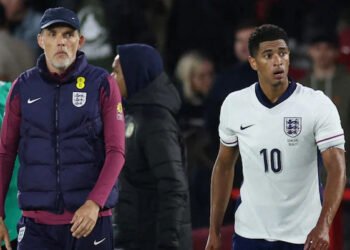 Bellingham has ‘the edge’ among England No 10s
 Man City Masterclass on Guardiola’s Milestone Day Exposes Liverpool Woes
 Lando Norris Dominates Brazil GP to Strengthen F1 Title Bid
 England cannot afford to be in awe of the All Blacks, warns Jamie George
 VAR Must Rein Its Neck In to Save Football’s Spirit
 Trescothick Hints Pope Will Keep Number Three Spot
 Ronaldo Confirms Final World Cup and Plans Retirement
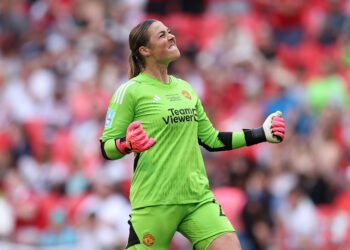 Mary Earps’s Manchester United Return Faces Mixed Reception
 Sam Kerr Stars in Chelsea Return with Champions League Double
 This kid is something else: Alex Scott’s rise to England call-up
 Former Lion Heskey Warns of Shortage of England Strikers
 Moyes Defends Gueye After Dramatic Everton Bust-Up
 Jac Morgan to Miss Six Nations Start After Surgery
 Alexander Isak ends drought as Liverpool stop rot with win at West Ham
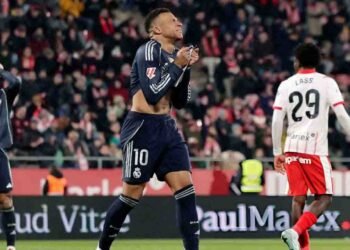 Mbappe rescues Real Madrid with a penalty at Girona