Published: 04 November 2025. The English Chronicle Desk. The English Chronicle Online.
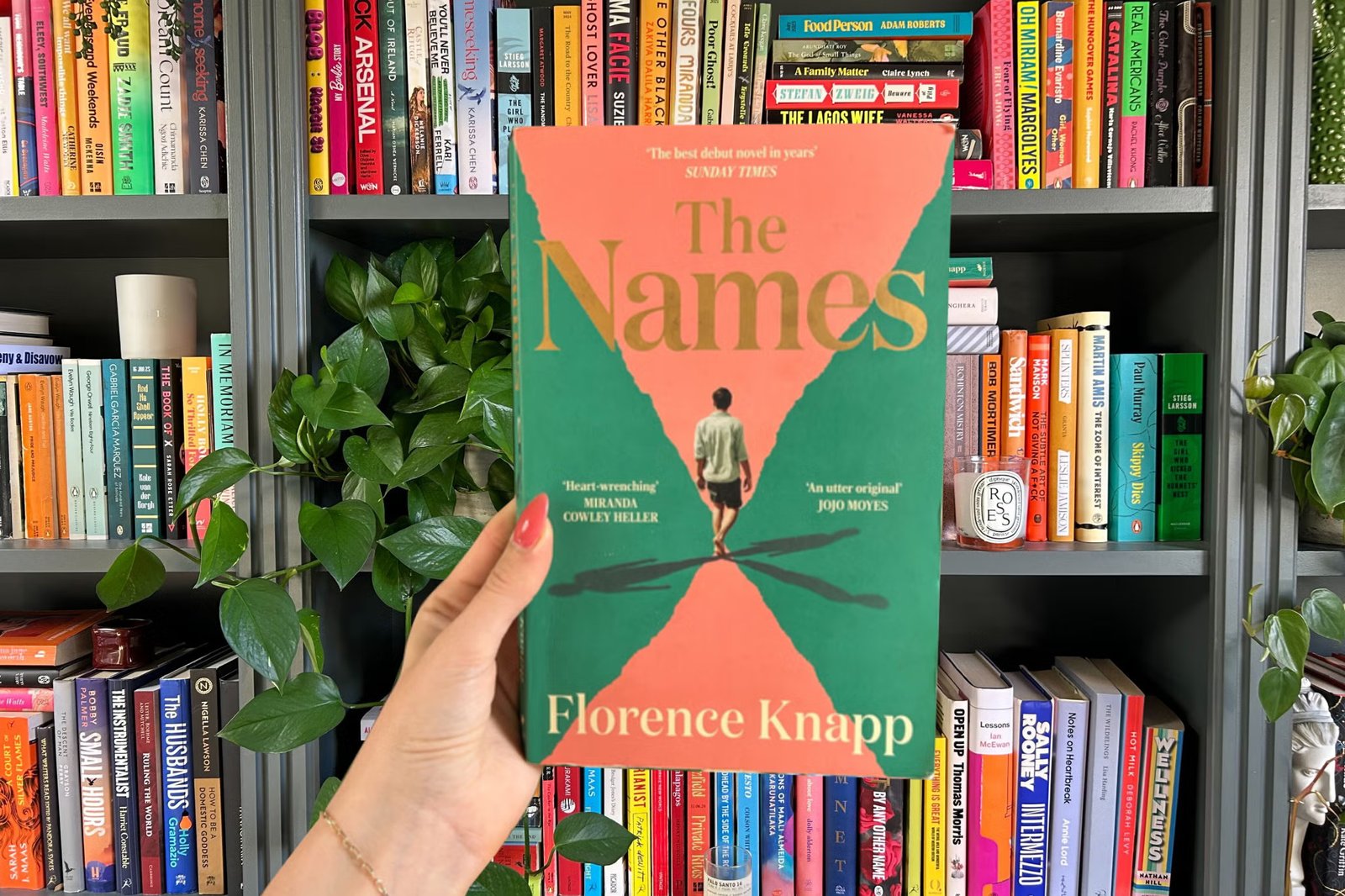
After reading 38 books in 2025, I’ve finally found the one that I can’t stop recommending: Florence Knapp’s The Names. Perhaps it’s a testament to the high calibre of new releases this year, or maybe it’s because I’ve been intentionally limiting distractions like TikTok, but this novel has captivated me unlike any other. In a year filled with compelling fiction, inventive romances, and stirring memoirs, The Names stands out as a work that is both devastating and life-affirming—a combination that is increasingly rare in contemporary literature.
This year alone, I’ve immersed myself in a diverse range of genres. From Rebecca Yarros’ Fourth Wing series, which masterfully blends romance with fantasy to create a “romantasy” experience, to comedies such as Alison Espach’s The Wedding People and Sarah Harman’s All The Other Mothers Hate Me, I’ve been entertained, challenged, and inspired. Memoirs like Pippa Lantour’s The Last Secret Agent and Tara Westover’s Educated offered insight into extraordinary lives shaped by secrecy, resilience, and courage. Yet, despite all these compelling reads, Knapp’s The Names has lingered in my mind, pulling me back into reflection long after I turned the final page.

What makes The Names so remarkable is its originality. Knapp’s only previous publication was a non-fiction guide to English paper piecing, making her debut in fiction all the more astonishing. The novel’s premise is deceptively simple yet deeply profound: it explores three potential lives of a boy based on the name he is given at birth. This “sliding doors” concept, which Knapp reimagines with striking emotional intelligence, examines how seemingly small decisions ripple through decades, shaping identity, relationships, and destiny. It’s a meditation on choice, consequence, and the delicate interplay of chance and intention.
The narrative begins on the day a mother sets out to name her newborn son. From there, the story splits into three parallel versions of his life, each dictated by the name he carries. Knapp doesn’t merely tell a story; she constructs a world in which every moment feels consequential, every choice meaningful. The prose is meticulous yet readable, weaving together the threads of three lives in a way that keeps the reader engrossed while never losing the emotional weight of the story.
I devoured The Names in just two sittings during a recent holiday. Although it might not fit the typical “easy-breezy” beach read category, it proved enormously readable. The characters are vividly drawn, their struggles and triumphs deeply relatable, and the story’s emotional resonance lingers long after the book is closed. Knapp has a gift for balancing poignancy with hope, ensuring that even the novel’s most heartrending moments are underpinned by a sense of life-affirming possibility.
The reception of The Names has been equally impressive. The novel debuted at number two on The Sunday Times bestseller list and boasts an average rating of 4.18 on Goodreads. This combination of commercial and critical success is rare for a debut fiction novel, signaling that Knapp has struck a chord with both casual readers and literary enthusiasts. Its ability to meet high expectations while delivering a genuinely moving experience marks it as a future classic in contemporary literature.
One of the aspects that makes this novel so compelling is Knapp’s exploration of identity through the lens of naming. The choice of a name is often seen as a simple act, but in The Names, it becomes a fulcrum on which the future pivots. Each path the boy’s life takes is shaped not only by external circumstances but by the subtle, intimate associations of his name—how it influences his relationships, his sense of self, and the perceptions of those around him. This nuanced examination of identity makes the novel not just a narrative about one boy but a meditation on the human condition itself.
The emotional depth of the story is matched by Knapp’s ability to craft dialogue and internal monologues that feel authentic and intimate. Moments of joy, heartbreak, and quiet reflection are rendered with a light touch that never feels forced or sentimental. The narrative invites the reader into the characters’ inner lives, encouraging empathy and understanding while also prompting reflection on our own choices and the potential paths they might set us upon.
Knapp’s skillful handling of parallel narratives ensures that the three versions of the boy’s life remain distinct yet interconnected. The transitions between these storylines are seamless, and each life is compelling in its own right. By the conclusion, the reader is left contemplating not only the story itself but also the broader implications of choice, chance, and the enduring impact of small decisions. It is this thematic richness that elevates The Names from a compelling novel to a work of literary significance.
In addition to its thematic depth, the novel is remarkably accessible. Knapp’s prose is elegant without being ornate, her pacing measured yet dynamic. The story moves steadily forward, drawing the reader in without overwhelming them with complexity or unnecessary exposition. It is a rare balance, particularly for a debut novel, and it is one of the many reasons why The Names has resonated so strongly with readers.
What makes this book a personal favourite is not only the quality of the writing but the way it makes the reader feel. There are moments of quiet reflection, moments of gut-wrenching emotion, and moments of sheer delight as the narrative unfolds. It is a book that engages both the mind and the heart, prompting thought while also providing profound satisfaction. In a year of excellent literary releases, few have matched the emotional resonance and narrative ambition of Knapp’s work.
The Names also offers an unusual form of universality. While it is deeply grounded in specific characters and settings, the questions it raises about identity, destiny, and human connection are relevant to readers across generations and geographies. It encourages contemplation of our own lives, the decisions that shape us, and the legacies we leave behind. In this sense, it is not only a story to be read but an experience to be lived, analyzed, and discussed.
For readers searching for their next immersive experience, whether on a summer holiday or a quiet weekend at home, The Names is a compelling choice. Its layered storytelling, thoughtful character development, and resonant themes make it suitable for a wide range of audiences—from avid book club members to casual readers seeking something meaningful and memorable.
Florence Knapp’s debut is proof that literary magic can emerge from unexpected places. Her transition from non-fiction craft guides to fiction has been seamless, and she demonstrates a remarkable understanding of human emotion, narrative structure, and thematic depth. The Names is a testament to her talent, and it marks her as an author whose future works are highly anticipated.
Reading this book is a reminder of why literature matters. It has the power to transport, to challenge, and to transform. The Names exemplifies these qualities, blending originality with accessibility, poignancy with hope, and complexity with clarity. It is the kind of novel that remains with the reader long after the final page, prompting reflection and conversation—a hallmark of any great literary work.
In conclusion, out of 38 books read in 2025, Florence Knapp’s The Names stands out as the book I am most compelled to recommend. It is a novel that combines originality, emotional depth, and narrative finesse to create a reading experience that is simultaneously moving, thoughtful, and engaging. For anyone seeking a story that will challenge, entertain, and resonate, The Names is an unmissable choice—a future classic in the making.
Related News:
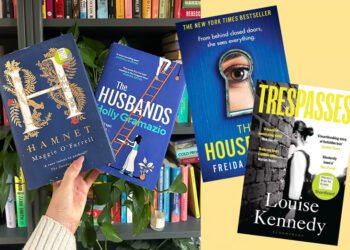 The upcoming book-to-screen adaptations I’m most excited about
 Top Christmas Books Reads: Classics to Cozy Romcoms
 ‘I’ve Read 38 Books, but This Is My Standout Favourite’
 Posthumous books are messy and fraught – but Virginia Giuffre’s gives her a voice
 Audio Books deals and promo codes to explore in November 2025
 David Szalay’s ‘Flesh’ Wins 2025 Booker Prize
 Nigeria’s $25m Museum Faces Political Storm Amid Benin Bronzes Debate
 Algeria Pardons French-Algerian Novelist Sansal After Year in Jail
 Men Aren’t Vanishing From Fiction, But Misconceptions Persist
 My Husband Won’t Stop Playing with Lego and It’s Driving Me Nuts
 Children to Judge Inaugural Booker Prize for Young Readers
 Bloomsbury chief: AI will aid authors in beating writer’s block
 Six-Figure Tutors Teach Toddlers to ‘Be British’
 Prunella Scales: From Fawlty Towers Icon to Beloved Canal Explorer
 How Bringing Forests Into Preschools Boosts Children’s Health
 Is a two-week half-term a good deal? Some parents in England aren’t so sure
 Charlie Kaufman: They told me Being John Malkovich would never get made
 The Line of Beauty, Almeida review: A wild, witty ride through Thatcher-era high society
 Kate Winslet to Narrate Film Highlighting King’s Environmental Mission
 Children to Learn Local History in Major Curriculum Overhaul
 UK University Suspends Human Rights Research Following Pressure from China
 Hollywood Is an Industry of Looney Tunes Pretending to Be Normal
 Prince of Wales showcases volleyball skills on Brazil visit
 UK University Faces Counter-Terror Probe Over China Pressure
 England Curriculum Review Recommends Major Changes
 Mortgages and AI Set to Feature in English Schools
 Greta Thunberg Backs Student Facing UK Visa Revocation
 Meghan ‘to return to acting’ after eight-year hiatus
 Oprah enjoys Meghan’s jam on English muffins
China-critical UK academics face ‘extremely heavy’ pressure from Beijing
Oprah enjoys Meghan’s jam on English muffins
China-critical UK academics face ‘extremely heavy’ pressure from Beijing
 Labour immigration crackdown could cost UK £4.4bn
 Pauline Collins, Beloved ‘Shirley Valentine’ Star, Dies at 85
 London’s Childlessness Crisis: Schools Closing as Families Shrink
 No link found between paracetamol in pregnancy and autism
 Government urges schools to ban phones to curb classroom disruption
 Stephen Fry backs SafeCall to protect missing children
 Lola Petticrew: ‘Calling it the Troubles minimises what it really was’
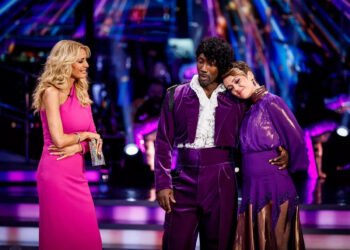 Amber Davies Shines on Strictly – Time to Drop the West End Debate
 VAR Must Rein Its Neck In to Save Football’s Spirit
 England schools to receive AI-generated attendance targets
 Boos, backlash and body horror: The story of Alpha
 Pop Stars Call on UK Government to Cap Resale Prices for Fans
 Princess of Wales Hosts Festive Christmas Service at Abbey
 South Korea’s College Exam Tests Perseverance of Blind Students
 Anthony Joshua Faces Backlash Over Proposed Jake Paul Fight
 Akon Arrested in Georgia Over Outstanding Warrant
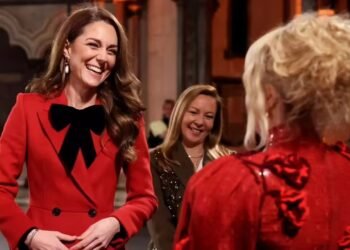 Princess of Wales Hosts Carol Service Celebrating Love for All
 Phillipson Accused of Appeasing Unions by Diluting EBacc
 England’s Special Needs Support Faces Breaking Point
 Pat Butcher Returns to EastEnders in Touching Dementia Storyline
 Nigerian Education Reversal: Mother-Tongue Teaching Scrapped
 EastEnders icon Pat Butcher returns to Walford this Christmas
 Wuthering Heights: bold new trailer for Emerald Fennell’s epic adaptation
 Higgs Donates Nobel Medal to His Beloved University

 Yungblud Pauses Tour Over Health Concerns, Apologises to Fans
 SS Rajamouli Announces ‘Varanasi,’ a Mythic Time-Travel Epic
 UK Schools Face Staff Exodus Amid Wellbeing Crash
 UK Government to Ban Reselling Tickets Above Face Value
 Tom Cruise Receives Honorary Oscar, Celebrates Cinema
 Eminem Takes Legal Aim at Australian ‘Swim Shady’ Brand
 The Lasting Legacy of Seven: Crime, Morality, and Urban Decay
 Two Judges Quit Miss Universe Amid Allegations of Rigged Competition
 Ex-Harvard President Pauses Teaching Over Epstein Emails
 New Miss Universe Crowned Amid Controversy in Thailand
 Australia to Ban Social Media for Kids Under-16 Starting December
 Scottish Families Take Legal Action Over School CO Leak
 TikTok Star Jessie Yendle Mocked by KFC
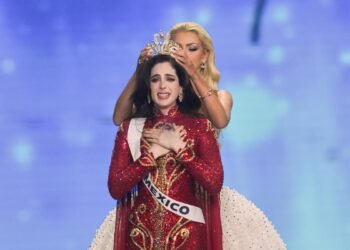 Miss Mexico Wins Miss Universe After Walkout Drama
 Sony, Warner, Universal Sign AI Music Deals With Klay
 Chef Skye Gyngell, Slow Food Pioneer, Dies Aged 62
 Top Diaries and Planners to Upgrade Your Organisation in 2026
 11 Best Supermarket Wines Chosen by Experts and Sommeliers
 Reggae Legend Jimmy Cliff Dies at 81
 Rosalía Inspires Young Listeners to Discover Classical Music
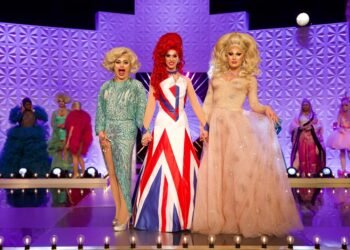 Belfast’s Elle Vosque finishes runner-up on Drag Race UK
 Schools urged to trial four-day week to ease pressure on teachers in England and Wales
 Oxford Names ‘Rage Bait’ Word of the Year
 Pavarotti statue frozen in Italian ice rink sparks backlash
 Franklin Turtle, Sabrina Carpenter Slam US Social Media Use