Published: 13 November 2025 | The English Chronicle Desk | The English Chronicle Online
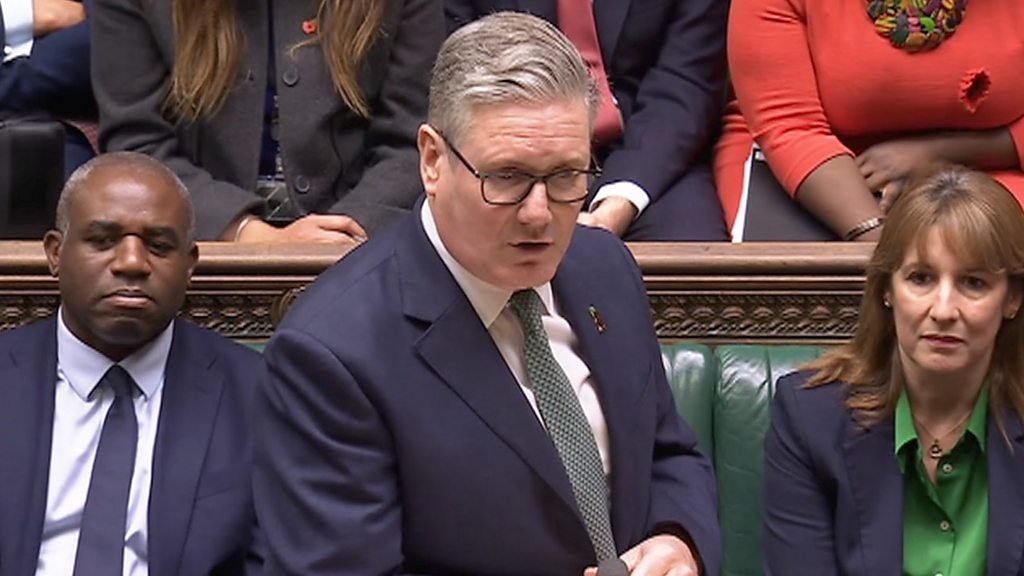
Prime Minister Sir Keir Starmer has strongly denied authorising any attacks on his cabinet ministers, describing recent anonymous briefings against them as “unacceptable” and insisting his focus remains on delivering for the country. Speaking at Prime Minister’s Questions (PMQs), Sir Keir sought to quash speculation regarding his awareness of the leaks, which were aimed at shoring up his position amid rumours of a potential leadership challenge.
The controversy arose after media outlets reported anonymous briefings suggesting that certain ministers, including Health Secretary Wes Streeting, might be considering bids for the party leadership. Streeting has publicly denied any ambition to challenge the prime minister and called for those responsible for the briefings to be held accountable. At an NHS conference in Manchester, Streeting reaffirmed his loyalty, stating that he would stand by Sir Keir in the event of any leadership plots.

The issue has shone a spotlight on the “toxic culture” within No 10, with critics arguing that the environment of internal leaks and anonymous commentary undermines trust in the government. Streeting, however, made clear he does not believe the prime minister is behind the briefings, and he emphasised the importance of not contributing to the toxicity by naming individuals. Sir Keir, meanwhile, defended his team, particularly his chief of staff Morgan McSweeney, asserting that he has full confidence in them and that any attacks on cabinet members are completely unacceptable.
Opposition leader Kemi Badenoch seized the moment during PMQs to claim that Sir Keir has “lost control” of his government and the trust of the British people, directly questioning whether McSweeney retained the prime minister’s confidence. Sir Keir responded by highlighting his focus on governmental priorities and praising ministers like Streeting for their work in reducing NHS waiting lists and boosting staffing levels.

The briefings have sparked debate among Labour MPs and supporters of the prime minister, particularly ahead of key political events such as the upcoming Budget on 26 November, as well as elections in Scotland, Wales, and local elections in England next year. Some allies argue that a leadership contest at this time would risk plunging the party into the chaos reminiscent of the final years of the previous Conservative administration.
To trigger a leadership challenge, potential candidates would need the backing of 20% of Labour MPs, currently amounting to 81 nominations. While some MPs have publicly condemned the briefings as misguided and disruptive, others have described the handling of the situation as “baffling” and “badly timed,” questioning why internal speculation was legitimised.
The unfolding situation highlights the delicate balance Sir Keir must maintain between managing his cabinet, controlling narratives within No 10, and reassuring the public and his party that he remains focused on the government’s agenda. Supporters argue that maintaining party stability is crucial for economic confidence, international relations, and the government’s broader policy goals, underscoring the high stakes surrounding the internal political manoeuvring.
Related News:
 UK Asylum Reforms: Temporary Refugee Status and Faster Deportations
 Planned Palestinian Flag Raising at Belfast City Hall Faces Delay Amid Legal Concerns
 “Social Housing Crisis in England: Tenant Complaints Soar Amid Dangerous Living Conditions”
 Army Barracks to House Migrants as Hotels Phase Out
 Derby Bounce Centre to Close Amid Car Park Dispute
 Hospice Cuts Raise Alarm Across England Amid Funding Crisis
 Rachel Reeves Admits Renting Home Without Required Licence
 Out of reach: stalled newbuilds leave Labour’s social housing targets in tatters
 Experts Question HMRC Over Possible Child Benefit Privacy Breach
 Who is Rama Duwaji? What Zohran Mamdani’s wife has said about Gaza and ICE as he’s elected NYC mayor
 Nicola Sturgeon Urges SNP to Oppose New Oil Fields
 Boris Johnson accused of undermining BBC leadership
 Tim Davie resigns as BBC director general amid bias claims
 Second world war veterans honoured as King leads Remembrance Sunday
 ‘Reckless’ cuts to victims’ services will cost more than they save
 Shouting Works Best to Deter Gulls, UK Study Finds
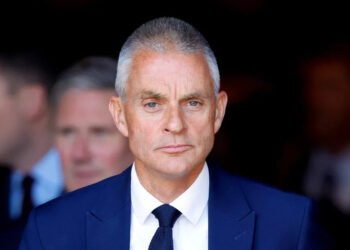 Tim Davie Defends BBC Amid Bias Scandal Storm
 Reeves rejects £1bn plea for NHS redundancy payouts
 Politics latest: Starmer ‘will fight any leadership coup’ as Streeting denies attempt to oust Labour PM
 Son Reveals UK Couple in Iran Resort to Hunger Strike for Help
 Two in Three Women in UK Armed Forces Report Harassment
 Crowborough Protest Over Plan to House 600 Asylum Seekers
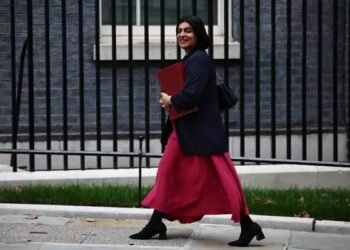 UK Asylum Overhaul Sparks Debate Over Human Rights and Deportations
 Five Young People Killed in Tragic Dundalk Road Crash
 Mother Watches in Horror as Teen Daughter Dies on Tracks
 Minister Defends Tough New Asylum Reform Plan
 UK Net Migration Falls Sharply After ONS Revisions
 Van Dwellers Face Eviction After Park Misuse Sparks Outcry
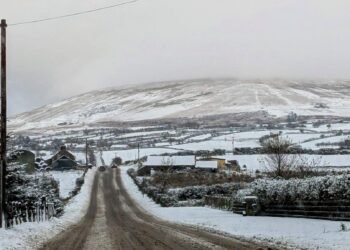 Commuters warned as yellow snow and ice alert hits Northern Ireland
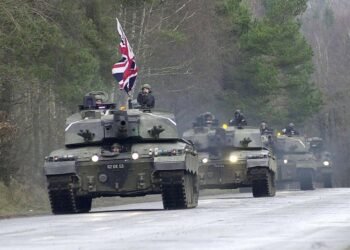 UK Vulnerable to Attack, Defence Committee Finds
 Paramilitary Murals and Memorials Persist on Public Housing Land
 Rama Rebukes Mahmood for Targeting Albanian Families
 Russian Vessel Used Lasers on RAF Pilots, UK Claims
 PM Shares Emotional Letter to Son on Men’s Struggles
 MP Offers Seat to Help Burnham Challenge Starmer
 Court to Hear Challenge to Wimbledon Expansion Plan
 Senedd Suspends Politician Over Offensive Racial Slur
 Kate Forbes: Motherhood Harder Than Politics
 TikTok Star Jessie Yendle Mocked by KFC
 UK Energy Bills to Rise Slightly in January
Reeves to Crack Down on Benefit Fraud While Lifting Two-Child Limit
UK Energy Bills to Rise Slightly in January
Reeves to Crack Down on Benefit Fraud While Lifting Two-Child Limit
 Labour MP claims devolution bill is ‘blatant discrimination’ against Cornwall
 English Mayors Set to Introduce Tourist Taxes
 Ex-Classmate Accuses Farage of Dishonesty on Racism Claims
 Rookie Driver Hollie McRae Flips Car but Walks Away Safe
 Millions Face Higher Taxes Under Reeves New Budget
 Peers Get Extra Time to Debate Assisted Dying Bill
 Sudanese Family Vows to Stay After Racist Graffiti
 UK Military Chiefs Warn Funding Gap Threatens Defence
 Ex-Brexit MEP Rejects Claim of Pro-Russia Payments
 Labour U-turn: Unfair Dismissal Rights Delayed Six Months
 Five-Year-Old Dies After Rare Tonsil Surgery Complication
 Machynlleth High Street Left Without Christmas Lights
 Government righting decades-old injustice for miners
 Second homes curbs quashed in Gwynedd legal ruling
 Search underway for British man overboard off Tenerife
 More Patients Now Contacting GPs Online, Data Shows
 Ed Miliband Warns UK Government on X, Citing Elon Musk as a “Dangerous Influence”
 Peterborough Mosques Tighten Security After Attack
 Army Officers Orders to Cut Ties with Men-Only Clubs
 Trump’s UK Ambassador Urges North Sea Drilling to Strengthen US Ties
 French Taxi Driver Cleared in David Lammy Theft Case After Fare Dispute
 Kent village told to remove flags before Christmas lights go up
 Britain deploys RAF specialists to assist Belgium with drone threats
 Millionaires group urge Reeves to introduce wealth tax to ‘lift kids out of poverty’
 From Lego to Pokémon: How Adults Are Driving UK Toy Market Growth
 Pressure Mounts on Starmer to Sack Chief of Staff Over Briefing Row
 Peers Flood Assisted Dying Bill with 942 Amendments
 Former Lion Heskey Warns of Shortage of England Strikers
 Seven Countries, One Winner: Europe’s Best Christmas Market
 ‘Traumatic Wait’: Northern Ireland Women Face Breast Cancer Delays
 Serial Rapist and Former Cop Found Guilty Again
 Pentagon Officials in Ukraine to Discuss War End
 Venezuela Threatens Nobel Winner Machado with Fugitive Status
 Most Tories Expect to Support a Farage-Led Government
 Vicki Fears Losing Motability Car
 Fibromyalgia Patients Struggle as NHS Fails to Provide Care
 Jordan Bardella: France’s Young Presidential Contender
 Virgin Media Fined £23.8m Over Telecare Safety Failures
 Pavarotti statue frozen in Italian ice rink sparks backlash