Published: 13 November 2025. The English Chronicle Desk. The English Chronicle Online
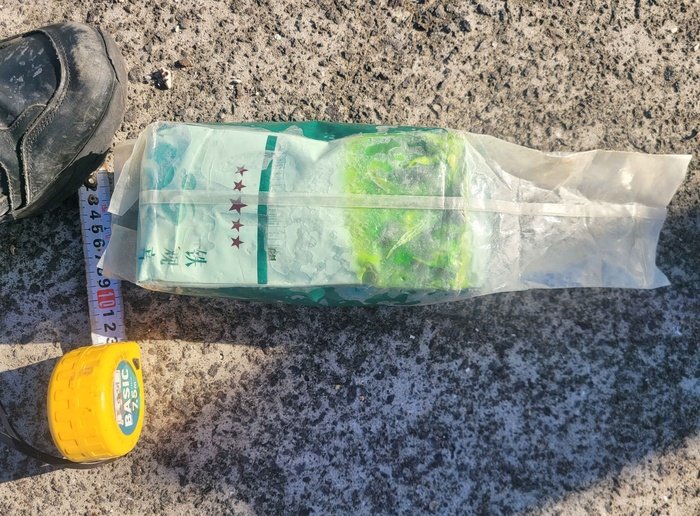
Since September, residents on South Korea’s Jeju Island have been spotting small packs that appeared to be bags of Chinese tea washing ashore. Upon closer inspection, they were found to contain ketamine.
Police report that some 28kg (62 lbs) of the drug, wrapped in foil and labeled with the Chinese character for tea, have been found on at least eight separate occasions. Ketamine is used medically as an anaesthetic, but recreational use is illegal in South Korea and can cause severe physical and mental harm, including damage to the heart and lungs.
The Jeju Coast Guard has formed a special team to trace possible sea and land routes through which the drugs may have entered the country. Authorities have also warned residents not to touch or open suspicious objects, urging them to report any discoveries to police.

On 15 October, a beach cleaner discovered 20kg of these “tea bag drugs” along the southern coast of Seogwipo—the largest haul in the past two months. Earlier this week, more than 800 soldiers, police officers, and civilian volunteers combed beaches along Jeju City’s northern coast to search for more contraband.
Investigators are now exploring the possibility that the drugs drifted to Jeju via ocean currents. The head of the Coast Guard’s narcotics unit noted that similar “tea bag drugs” have also been found in Pohang, South Korea, and Tsushima Island, Japan.
Local residents have expressed concern over the presence of illicit drugs along the coastline. Kim, a Jeju resident, said, “I often bring my children to this beach. Seeing so many people looking for drugs is terrifying. I shudder to think that children might touch something like that.” Another resident, Hyun, urged authorities to focus on “stopping more [drugs] from drifting in.”

Experts suggest that organized crime syndicates may be behind the shipments. Yoon Heung-hee, a professor at Hansung University’s drug and alcohol addiction department, said some syndicates use a “sea bump” method, dropping bundles of narcotics into the ocean with trackers for later retrieval. He added that criminal groups could exploit lax inspections at airports and ports to smuggle drugs across South Korea via Jeju.
The incidents have heightened vigilance among law enforcement and local communities, raising questions about security and the methods used by criminal organizations to transport illicit drugs internationally.
Related News:
 Nearly 48,000 Zombie Knives Removed from UK Streets in a Year
 British Grandmother to Return Home After Death Sentence in Bali
 Bar Council urges legal aid for all domestic abuse family cases
 Judges to Decide Fate of Chief Constable Guilty of Contempt
 Convicted Killer Challenges Vegemite Ban Behind Bars
 Newport Man Left Injured After Electric Bike Collision
 New “Restriction Zones” Proposed to Protect Survivors from Domestic Abusers
 Victim of Catfish Predator Max Hollingsbee Speaks Out: “I Will Always Be Angry He Took My Innocence”
 Madeleine McCann Detectives to Testify Against Woman Accused of Stalking the Family
 Mother dies after black market weight loss injection
 Peterborough Mosques Tighten Security After Attack
 Badenoch Warns Farage’s Grooming Gangs Plan Could Backfire
 Five More Prisoners Freed by Mistake in Essex Week
 Rachel Reeves Admits Renting Home Without Required Licence
 Prince Andrew Stripped of Title: Giuffre Family Hails Historic Moment
 Afghan man charged with murder after west London knife attack
 Experts Question HMRC Over Possible Child Benefit Privacy Breach
 Metal Detectors at Stations ‘Would Make Life Impossible,’ Says Minister
 Man Charged Over Cambridgeshire Train Stabbing
 Pregnant UK Teen to Be Freed from Georgian Jail
 Police Probe Four Knife Incidents Linked to Cambridgeshire Train Attack
 French Taxi Driver Cleared in David Lammy Theft Case After Fare Dispute
 Just Stop Oil Protesters Convicted Amid Climate Defence Row
 Lammy ‘misinformed’ over Wandsworth prisoner releases
 Prison sentencing reforms expected to raise crime by up to 6%, police warn
 Met Police Culture Makes Racial Harm ‘Inevitable’
 Newcastle United Lifts Ban on Fan Over Gender-Critical Views
 Jailed UK climate protesters face extremist-style restrictions
 Tim Davie resigns as BBC director general amid bias claims
 How to get help when a child goes missing – call 999 urgently
 ‘Reckless’ cuts to victims’ services will cost more than they save
 Seven Conditions That Automatically Qualify You for a Free Bus Pass
 NHS trust fined after woman takes life in mental health unit
 How age progression images help trace missing people
 Victims’ commissioner Baroness Newlove dies aged 63
 Oklahoma Governor Grants Last-Minute Clemency to Death Row Inmate
 Bataclan Anniversary: France Remembers but Jihadist Danger Lingers
 Rio Raid’s Death Toll Raises Questions About Gang Impact
 ‘Fake Admiral’ Sparks Outrage at Remembrance Event
 Couple Win Damages Over Arrest Linked to WhatsApp Chat
 Delhi Car Bomb Arrest: Suspect Linked to Deadly Attack
 UK Asylum Overhaul Sparks Debate Over Human Rights and Deportations
 UK Asylum Reforms: Temporary Refugee Status and Faster Deportations
 Paralegal Fired After Exposé on Illegal Worker Scam
 Dan Wootton Rejects Catfishing Allegation in Court
 Mother Watches in Horror as Teen Daughter Dies on Tracks
 Charlotte Raids: 130 Arrested in Major Immigration Sweep
 South African Detained After Neo-Nazi Rally in Australia
 Mum and Three Children Killed in Jealous Ex’s Fire
 Court to Hear Challenge to Wimbledon Expansion Plan
 Teens ‘Ran Amok’ at Ex-MP’s Covid Testing Firm
 Liverpool Council ‘Failed to Respond’ Before Fatal Flood
 Serial Rapist and Former Cop Found Guilty Again
 Man Charged Over Attempted Murder of Senior Officer
 Two Officers Injured After Van Deliberately Rams Patrol Car
 Podcaster Faces Abuse Charges Over Controlling Behaviour
 Senedd Suspends Politician Over Offensive Racial Slur
 Cardiff Shopper ‘Branded a Thief’ by Facewatch System
 Man Denies Stealing Bronze Age Gold from Museum
 Trump Slams Democrats With ‘Seditious’ Death Claim
 Covid Response in NI ‘Chaotic’, Says Inquiry
 South African Women Call Purple Protest Over Gender Violence
 Gardener Guilty of Brutal Attack on Teacher Partner
 Runaway Driver Caught by DNA Evidence
 Sudanese Family Vows to Stay After Racist Graffiti
 Residents Face £3.6m Bill for Unsafe Kirkby Flats
 Man Arrested Over Manchester Synagogue Terror Attack
 Second homes curbs quashed in Gwynedd legal ruling
 Rare shark attack kills woman, injures man at remote NSW beach
 Tokyo court rules Japan’s same-sex marriage ban constitutional
 Virgin Media Fined £23.8m Over Telecare Safety Failures
 Hong Kong Orders Probe Into Deadly 151-Death Fire
 Twelve Prisoners Released in Error, Two Still Missing
 Man Swallows $19K Fabergé Egg Pendant in Theft
 Targeted Attack in Bury Sparks Murder Investigation as Community Awaits Justice
 Merseyside Police Helicopter Crew Cleared After Low-Altitude Pursuit of Suspect
 No Evidence Found to Substantiate Alleged Rape in Oxfordshire Churchyard, Police Confirm
 Massive London Poundland Fire Engulfs High Street
 UK Bans Fake Numbers: Scammers Lose Their Trick
 Reeves rejects £1bn plea for NHS redundancy payouts