Published: 14 November 2025. The English Chronicle Desk. The English Chronicle Online
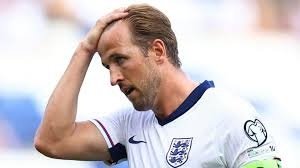
England’s current search for the next generation of strikers has sparked debate among former internationals and pundits, with Emile Heskey voicing concerns over the apparent scarcity of natural number nines emerging in the modern game. Speaking on The Wayne Rooney Show, Heskey reflected on how the clear pathway for England’s forwards in previous decades has all but disappeared, leaving the national team reliant on veteran star Harry Kane, now 32, as the sole out-and-out striker in Thomas Tuchel’s 25-man squad for the latest World Cup qualifiers against Serbia and Albania.
Heskey, who scored 7 goals in 62 appearances for England between 1999 and 2010, drew comparisons with his own era, where a chain of forwards seemed almost guaranteed: Shearer handed over the mantle to Heskey, who in turn was followed by Wayne Rooney. That continuity provided clarity and confidence for managers and fans alike. “We’ve been lucky over the years we could see where the next strikers were coming,” Heskey said. “We had a chain of players who could go from that next level, I came in after [Alan] Shearer and Rooney came after me, but where do we look now? We always had that chain but we are struggling to find [the next one] now.”
The stark reality facing England today is highlighted by Premier League statistics. Only eight English strikers have appeared in the top flight this season, and Liam Delap of Chelsea, at 22, is the only one under the age of 26 who could potentially fill the traditional number nine role. While younger talents are emerging across midfield and wide positions, Heskey argues that the true centre-forward—someone capable of holding up the ball, leading the line, and consistently scoring—is becoming increasingly rare.
Heskey’s comments echo those of Wayne Rooney, who also expressed concern over the modern evolution of football. “I just think it is purely because they don’t want to play number nines now with the way the game is,” Rooney said. “If you look worldwide there’s not many number nines, so it is not just England.” Both Heskey and Rooney suggest that tactical trends and changing styles of play are contributing factors to the decline of the traditional striker. Modern forwards are often expected to drop deep, link with attacking midfielders, or drift wide, limiting opportunities for out-and-out goalscoring instincts to flourish in a conventional centre-forward role.

The current England squad provides a case study in this evolution. Harry Kane remains England’s lynchpin up front, combining poaching instincts with the ability to drop deep and orchestrate play. He exemplifies a modern striker capable of adapting to various tactical systems. However, with Kane in his thirties, England face the pressing challenge of succession planning. Aston Villa’s Ollie Watkins has shown potential, notably scoring a crucial semi-final goal at Euro 2024, but he has been rested from the current squad to manage an ongoing issue. Meanwhile, Delap and other young forwards are still in the early stages of Premier League careers and may not yet be ready to bear the full responsibility of leading the line at a major tournament.
Heskey highlighted another key distinction between his era and the modern game: the physical and tactical demands on strikers have shifted. “Forwards had to be so much more involved when we were playing. You’d have to chase things into the channel, you’d have to win the flick-ons. Now your two number eights are doing more, your wingers are quite wide, you don’t have to get involved as much now.” This change in style has reduced the opportunities for young strikers to hone the traditional attributes—strength, aerial ability, and finishing instincts—that once defined England’s number nines.
The evolution of the striker role is also evident globally. Rooney referenced the dominance of forwards such as Erling Haaland and Kylian Mbappe, whose ruthlessness and pace make them exceptions rather than the rule. The modern game rewards versatility and creativity over the pure poaching instincts that characterized earlier generations of English forwards. “Everyone wants to be a Mo Salah or a Lionel Messi, and playing as a forward now you don’t touch the ball as much,” Rooney observed. This shift has made it challenging for national teams to identify and develop players who can serve as classic number nines while also adapting to contemporary tactical demands.
The implications for England extend beyond tactical considerations. With Kane as the only established striker, Tuchel’s squad depth is tested, particularly when considering injuries, suspensions, or form fluctuations. The lack of clear successors places additional pressure on Kane and highlights the importance of developing younger talents capable of stepping into central roles. Heskey’s sons, Reigan and Jaden, are forwards themselves, having made their first-team debuts for Manchester City in September’s Carabao Cup fixtures. While promising, it remains to be seen whether they or other young English strikers can rise to the occasion on the international stage.
This shortage of centre-forwards is a broader reflection of changes in youth development and coaching philosophies. Many academies now emphasise technical proficiency, ball-playing ability, and tactical intelligence across all positions, rather than producing traditional target men. While this has led to highly skilled and adaptable players, it has inadvertently reduced the pool of players trained specifically for the central striking role. Heskey’s concern is that, without a deliberate focus on nurturing out-and-out strikers, England may face a prolonged period of dependency on aging stars like Kane.
Despite the challenges, there are reasons for cautious optimism. Young forwards are receiving top-level exposure in domestic leagues and European competitions, allowing them to adapt to high-pressure situations earlier in their careers. Players like Delap and Watkins are developing the necessary physical and technical attributes, and the integration of wide forwards into central positions may yield hybrid options capable of functioning as modern number nines. Tuchel’s management philosophy, which emphasises squad rotation, tactical flexibility, and nurturing young talent, provides a supportive framework for this evolution.

Heskey also addressed the psychological demands on modern strikers. The contemporary forward must navigate intense scrutiny from media, fans, and social platforms, alongside the tactical complexity of modern football. Kane exemplifies resilience in this environment, but younger players will need similar mental fortitude to succeed. “It’s not just about scoring goals; it’s about managing expectations and adapting to the game’s pace and physicality,” Heskey remarked.
The upcoming World Cup presents both an opportunity and a challenge for England’s striker situation. With Kane leading the line, the team’s immediate offensive output is secure, but Tuchel and his staff must carefully manage minutes, rotations, and tactical plans to prepare for a squad that could be exposed in later rounds. Simultaneously, the tournament serves as a platform to evaluate younger forwards under intense international pressure, providing insights into who might carry the torch in the post-Kane era.
Heskey’s reflections underscore the broader conversation about the role of the striker in modern football. While traditional number nines may be increasingly rare, the evolving game presents opportunities for hybrid forwards who combine finishing ability with movement, creativity, and defensive contribution. The challenge for England is to identify, nurture, and integrate these players, ensuring continuity in attacking leadership while adapting to contemporary demands.
Rooney and Heskey are united in their perspective: the game has changed, but the need for a central attacking presence remains. While hybrid roles offer tactical flexibility, the absence of a clear successor to Kane highlights the importance of strategic planning at both club and national levels. Developing forwards who can combine goal-scoring instincts with modern versatility will be key to England’s sustained competitiveness on the world stage.
In conclusion, the concerns raised by Heskey reflect a pivotal moment for England football. The reliance on Kane, coupled with a shortage of young, proven number nines, underscores a transitional phase in the national team’s attacking options. While modern tactics and evolving styles of play have reshaped the striker’s role, England must ensure that talent pipelines, youth development, and tactical adaptation align to maintain long-term competitiveness. The emergence of players like Delap, Watkins, and other young forwards offers hope, but the clarity and continuity that defined previous generations of English strikers remains elusive. Heskey’s insights provide a timely reminder that planning for succession is as critical as performance in the present, particularly with a World Cup on the horizon.
Related News:
 Dyche Criticises Corner Decision as Forest Draw with United
 Caicedo Shines as Chelsea Edge Spurs in Chaotic Derby
 Mary Earps’s Manchester United Return Faces Mixed Reception
 Sam Kerr Stars in Chelsea Return with Champions League Double
 This kid is something else: Alex Scott’s rise to England call-up
 Rookie Driver Hollie McRae Flips Car but Walks Away Safe
 Aston Villa Under Pressure as Newcastle Take on Hosts in Premier League Opener
 Tottenham Make Three Changes as Spurs Prepare to Host Burnley in Premier League Opener
 Manchester City Announce Their Return in Style with Haaland Double and Debut Goals at Wolves
Manchester City Dominate Burnley 5-1 as Haaland’s Brace Secures Vital Win
Manchester City Announce Their Return in Style with Haaland Double and Debut Goals at Wolves
Manchester City Dominate Burnley 5-1 as Haaland’s Brace Secures Vital Win
 Aston Villa Fight Back to End Winless Run with Convincing Victory over Fulham
 Arsenal Edge Past West Ham Amid Injury Concerns
 Ange Postecoglou’s Naivety Premier League Misadventure Ends
 Barnes Inspires Newcastle to Champions League Triumph Over Benfica
City shine with PlayStation-style football to overwhelm Villarreal
Barnes Inspires Newcastle to Champions League Triumph Over Benfica
City shine with PlayStation-style football to overwhelm Villarreal
 Gibbs-White Inspires Forest to Thrilling Win Over Porto
 Go Ahead Eagles Shock Aston Villa as Buendía Misses Late Penalty
 Manchester United triumph as Mbeumo brace seals thrilling win
 Fabio Wardley stuns Joseph Parker to earn Usyk title shot
 Tottenham shine at Everton but Frank wary of title push
 Hospice Cuts Raise Alarm Across England Amid Funding Crisis
 Sarr Double Sinks Young Liverpool in Carabao Cup
 Nwaneri and Saka Secure Arsenal Win Over Brighton
 Woltemade Hot Streak Fires Newcastle Past Spurs
 Kieffer Moore Hat-Trick Ends Coventry’s Unbeaten Run
 Salah & Gravenberch Lead Liverpool to Win Against Villa
 Granit Xhaka Rescue Earns Everton Draw at Sunderland
 Millions of Brits Adjust Lifestyle to Afford Essentials
 Liverpool Edge Real Madrid 1-0 in Champions League Thriller
 Burn and Joelinton Head Newcastle to Victory Over Bilbao
 Foden shines as Man City dismantle Dortmund in dominant display
 Garnacho Spares Chelsea From Shock Champions League Loss in Baku
 Who is Rama Duwaji? What Zohran Mamdani’s wife has said about Gaza and ICE as he’s elected NYC mayor
 Tension and Turmoil at Aston Villa v Maccabi Match
 Bellingham has ‘the edge’ among England No 10s
Man City Masterclass on Guardiola’s Milestone Day Exposes Liverpool Woes
Bellingham has ‘the edge’ among England No 10s
Man City Masterclass on Guardiola’s Milestone Day Exposes Liverpool Woes
 Lando Norris Dominates Brazil GP to Strengthen F1 Title Bid
 England cannot afford to be in awe of the All Blacks, warns Jamie George
 VAR Must Rein Its Neck In to Save Football’s Spirit
 Trescothick Hints Pope Will Keep Number Three Spot
 Ronaldo Confirms Final World Cup and Plans Retirement
 Shouting Works Best to Deter Gulls, UK Study Finds
 PM Condemns Leaks, Vows Loyalty to Ministers and Stability
 Son Reveals UK Couple in Iran Resort to Hunger Strike for Help
 Saka Solidifies Role as Tuchel’s Key England Lieutenant
 UK Asylum Reforms: Temporary Refugee Status and Faster Deportations
 Mother Watches in Horror as Teen Daughter Dies on Tracks
 Germany and Netherlands Confirm Places in 2026 World Cup
 Minister Defends Tough New Asylum Reform Plan
 Commuters warned as yellow snow and ice alert hits Northern Ireland
 UK Vulnerable to Attack, Defence Committee Finds
 Haiti Qualifies for World Cup Despite Coach Never Visiting Country
 Rama Rebukes Mahmood for Targeting Albanian Families
 Russian Vessel Used Lasers on RAF Pilots, UK Claims
 MP Offers Seat to Help Burnham Challenge Starmer
 Serial Rapist and Former Cop Found Guilty Again
 Scotland Fans Celebrate Historic World Cup Qualification
 Major League Baseball Scores New Broadcast Deals Through 2028
 TikTok Star Jessie Yendle Mocked by KFC
 UK Energy Bills to Rise Slightly in January
 Moyes Defends Gueye After Dramatic Everton Bust-Up
 English Mayors Set to Introduce Tourist Taxes
 Ex-Classmate Accuses Farage of Dishonesty on Racism Claims
 Millions Face Higher Taxes Under Reeves New Budget
 Peers Get Extra Time to Debate Assisted Dying Bill
 Planned Palestinian Flag Raising at Belfast City Hall Faces Delay Amid Legal Concerns
 Kids Football Coach Removed Over Suspected ‘Drugs Menu’
 Sudanese Family Vows to Stay After Racist Graffiti
 Mbappe Scores 4 as Real Madrid Edge Olympiakos
 Man City Lose, Champions League Risk
 Gerrard warns Liverpool’s terrible run could worsen
 Machynlleth High Street Left Without Christmas Lights
 Government righting decades-old injustice for miners
 Second homes curbs quashed in Gwynedd legal ruling
 Jac Morgan to Miss Six Nations Start After Surgery
 Search underway for British man overboard off Tenerife
 Alexander Isak ends drought as Liverpool stop rot with win at West Ham
 Mbappe rescues Real Madrid with a penalty at Girona
 Barcelona, Atletico set for decisive La Liga showdown
 Maxwell withdraws from IPL 2026 after 13 seasons