Published: 31 December 2025. The English Chronicle Desk. The English Chronicle Online.
England’s hospitals are witnessing a dramatic rise in minor A&E visits, as millions of patients seek emergency care for conditions like coughs, sore throats, hiccups, and blocked noses. NHS data reveals that these minor A&E visits have nearly doubled over the past five years, highlighting growing pressure on emergency departments designed for serious injuries. Health leaders warn that the surge in minor A&E visits reflects a wider failure to provide timely access to primary care, leaving patients with little choice but to attend hospital emergency units.
Emergency departments, intended for life-threatening emergencies, are now seeing record numbers of minor A&E visits. In 2024-25 alone, 2.2 million patients were recorded with no detectable abnormalities, while attendances for cough rose from 44,000 in 2020-21 to 435,728. Hiccups increased from 587 to 1,093, and back pain cases almost doubled, reflecting how minor ailments are consuming significant hospital resources. Experts say the persistent growth of minor A&E visits is straining staff and limiting the capacity to treat genuine emergencies.

Health Secretary Wes Streeting faces pressure to demonstrate progress after eighteen months in charge of the NHS. Prof Kamila Hawthorne, the UK’s senior GP, noted that surgeries cannot expand due to limited funding, forcing many patients to turn to A&E for care. Even as people are urged to remain home during flu or Covid symptoms, NHS figures indicate visits continue to climb, particularly during the festive season.
Analysis shows nearly 1.9 million headache cases, 1.4 million cough attendances, one million earache visits, and 290,000 cases of constipation over the past five years. Serious emergencies, such as cardiac arrests and broken hips, remained stable, underscoring the disproportionate rise in visits. Daniel Elkeles, CEO of NHS Providers, stressed that patients should be able to access care locally, avoiding unnecessary pressure on hospitals.
Dr Ian Higginson, president of the Royal College of Emergency Medicine, added that limited primary care hours drive patients to emergency departments, fueling visits. Henry Gregg, chief executive of the National Pharmacy Association, emphasised that many minor illnesses can be treated at pharmacies, with prescription options available, reducing unnecessary hospital visits.

NHS England is working to expand accessible care through NHS 111 online, walk-in centres, and community pharmacies, urging patients to reserve A&E for life-threatening conditions. The Department of Health and Social Care highlighted investments of £1.1 billion, supporting 6.5 million additional GP appointments and new neighbourhood health services. Such measures aim to reduce minor A&E visits and improve patient satisfaction by shifting care closer to home.
Without faster implementation of community-based care, minor A&E visits are likely to continue rising, burdening hospitals and potentially delaying treatment for serious emergencies. Experts emphasise the urgent need for expanded primary care services, more community pharmacies, and accessible diagnostic centres to alleviate the pressure caused by the increasing number of minor A&E visits across England.
Related News:
 Mother dies after black market weight loss injection
 Young Woman Missed 13 Times by GPs Before Bowel Cancer Diagnosis
 Hospice Cuts Raise Alarm Across England Amid Funding Crisis
 How Bringing Forests Into Preschools Boosts Children’s Health
 The diet that can significantly ease symptoms of IBS
 Celebrities and Charities Demand UK Government Act on Child Poverty
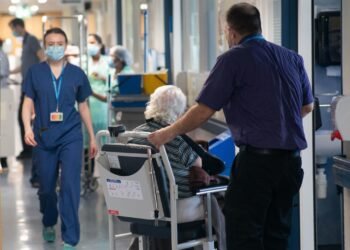 Long A&E waits causing heartbreaking suffering, charity says
 Experts Warn on Home Birth Risks, Call for Skilled Midwives
 Lancashire council plans to close care homes and day centres
 Britain could face worst flu season on record, NHS warns
 Experts Urge Legal Right to Timely Cancer Care
 Patients to Test Health at Home to Ease NHS Winter Pressure
 London’s Childlessness Crisis: Schools Closing as Families Shrink
 NHS Takes Over Nuffield Hospital in ‘Windfall’ for London Care
 North Sea oil workers must lose weight or face job loss
 Crisis charity to become landlord amid UK housing emergency
 No link found between paracetamol in pregnancy and autism
 UK Disability Pay Gap Means Millions Work for Free From Today
 Shouting Works Best to Deter Gulls, UK Study Finds
 Reeves rejects £1bn plea for NHS redundancy payouts
 NHS trust fined after woman takes life in mental health unit
 Leading doctors issue warning amid ‘bad’ flu season
 UK Centres Used Risky Heart Pump Despite Safety Fears
 Reeves Rejects £1bn NHS Payout Plea from Streeting
 New Campaign Trains Vets to Spot Farmers’ Health Risks
 Stroke Patient Mistaken for Drunk, Care Delayed
 ‘Traumatic Wait’: Northern Ireland Women Face Breast Cancer Delays
 Boris Johnson Oversaw Toxic No 10 Culture, Covid Inquiry Finds
 Welsh Government Christmas 2020 Lockdown Criticised
 Coffins Now Too Large to Cremate Amid Rising Obesity Crisis
 Thinktank Urges Smaller Hospitals to End NHS ‘Permacrisis’
 David Cameron Reveals Prostate Cancer Diagnosis, Advocates Screening
 NHS paediatric leave parents waiting months for answers
 Catherine urges end to stigma around addiction
 11 Best Supermarket Wines Chosen by Experts and Sommeliers
 Inquiry Opens Into Disgraced Surgeon Eljamel Scandal
 Five-Year-Old Dies After Rare Tonsil Surgery Complication
 Fibromyalgia Patients Struggle as NHS Fails to Provide Care
 More Patients Now Contacting GPs Online, Data Shows
 Streeting launches review into mental health and ADHD diagnoses
 Flu cases in Scotland more than double in a week
 People in England’s Poorest Areas Face Higher Lung Health Emergencies
 MND Patients Die Waiting for Home Adaptations in England
 Concerns Mount Over Accuracy of At-Home Health Tests as Study Calls for Stricter Regulation
 The Ketamine Crisis in the UK is a Silent Epidemic Leaving Users with Lifelong Pain
 Why E-Bikes and E-Scooters Are Making Streets a ‘Nightmare’ for Blind People
 Millions in the UK at Higher Risk of Heart Failure and Stroke Due to Air Pollution, Study Warns
 Systemic Racism in Maternity Care Continues to Endanger Black Women in England, MPs Warn
 One in Three GPs in England Do Not Work in NHS, Raising Concerns Over Access to Care
 Questions Remain as Rugby Legend Lewis Moody Faces Motor Neurone Disease Diagnosis
 M&S and Morrisons Lead Christmas Supermarket Taste Test
 New Prostate Cancer Drug Set to Halve Death Risk in England
 Peterborough Mosques Tighten Security After Attack
 Reeves Faces Setback as Labour May Miss Homes Target
 Kate Winslet to Narrate Film Highlighting King’s Environmental Mission
 Green Party Surges Past Labour in Latest UK Poll
 Trump’s UK Ambassador Urges North Sea Drilling to Strengthen US Ties
 Children to Learn Local History in Major Curriculum Overhaul
 French Taxi Driver Cleared in David Lammy Theft Case After Fare Dispute
 UK Bans Fake Numbers: Scammers Lose Their Trick
 M&S Profits More Than Halve After Cyber-Attack
 Kent village told to remove flags before Christmas lights go up
 Palace May Restore Hyphen to Andrew Mountbatten-Windsor’s Name
 Millionaires group urge Reeves to introduce wealth tax to ‘lift kids out of poverty’
 Northern Lights may illuminate UK skies this week
 PM Condemns Leaks, Vows Loyalty to Ministers and Stability
 Major Rent Reform Ends No-Fault Evictions in England
 Senator John Fetterman Hospitalized After Fall from Heart Flare-Up, Keeps Sense of Humor
 New AI tool could cut wasted efforts in organ transplants
 Criminal Gangs Pose as Truckers to Hijack UK Supply Chains
 Van Dwellers Face Eviction After Park Misuse Sparks Outcry
 Royal Navy Shadows Russian Warships Entering the Channel
 Inside the Helpline Protecting Missing Children in the UK
 Boots Showstopper Beauty Bundle Outshines Many Advent Calendars This Holiday Season
 Labour’s ‘blinkered’ drive to build risks pushing wildlife to point of no return, nature experts warn
 PlayStation PS5 Deals Hit Lowest Prices Ahead of Black Friday
 Starmer Says Labour’s Economic Plan Needs Years to Deliver
 UK unemployment rises to four-year high of 5.1% before budget
 Wiltshire Police Use Lasso to Catch Rampaging Village Goat
 Damien Martyn in Induced Coma After Meningitis Diagnosis