Published: 09 January 2026. The English Chronicle Desk. The English Chronicle Online.
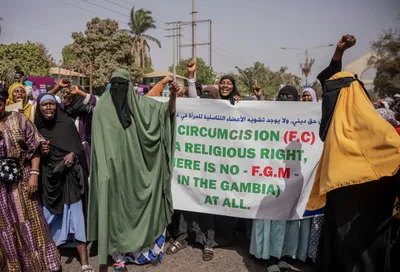
The legal battle regarding the Gambia FGM ban has reached a critical turning point this week. Supreme Court justices are currently weighing arguments that could fundamentally change protections for young girls nationwide. This high-profile case emerged after several religious leaders and a prominent lawmaker challenged the existing legal framework. They are seeking to invalidate the 2015 law that criminalized female genital mutilation across the country. The proceedings have drawn massive international attention due to the potential impact on human rights standards. Many observers believe the outcome of the Gambia FGM ban case will resonate far beyond the borders.
Almameh Gibba is the Member of Parliament leading the charge against the current protective legislation. He previously attempted to decriminalize the practice through a parliamentary bill during the 2024 session. That specific legislative effort failed to pass after intense debates within the Gambian National Assembly. Now the focus has shifted to the judicial branch to achieve those same political goals. The plaintiffs argue that the Gambia FGM ban violates their constitutional rights to religious freedom. They claim the law interferes with traditional cultural practices that have existed for many generations. This legal strategy places cultural heritage in direct conflict with established international human rights laws.
The court heard testimony from several witnesses who support the removal of the current restrictions. Abdoulie Fatty serves as a prominent Muslim leader and testified during the recent December court sessions. He argued that the practice is a religious requirement and does not cause significant harm. When questioned about recent fatalities involving young infants, he described those deaths as divine will. He further claimed the practice helps manage sexual desires which he views as a social benefit. These statements have sparked outrage among medical professionals and various human rights organizations globally. They argue that such claims ignore the documented physical trauma suffered by many young victims.

The urgency of maintaining the Gambia FGM ban is underscored by recent local tragedies. Reports indicate that two infants bled to death last year following procedures performed in rural areas. These incidents highlight the extreme physical dangers associated with the practice even in modern times. Medical data shows that nearly three-quarters of Gambian women have undergone some form of cutting. Most of these procedures occur before a child reaches the age of five years old. Without the Gambia FGM ban, activists fear these numbers will continue to rise significantly. The lack of sterile equipment and medical training during these procedures increases the risk of infection.
Fatou Baldeh is the founder of Women in Liberation and Leadership and a vocal advocate. She describes the practice as a severe manifestation of violence against women and girls today. Baldeh argues that debating this issue at a national level signals a regression in rights. She believes the attempt to overturn the Gambia FGM ban is part of a global trend. This trend involves the erosion of gender protections in various regions around the world lately. From Afghanistan to Iran, women are facing increased pressure and the loss of basic freedoms. The Gambian case is seen as a local battle within a much larger international conflict.
The practice itself involves the partial or total removal of external female genital organs. It is frequently performed without any anesthesia or professional medical supervision by traditional local cutters. Instruments used often include non-sterile knives, razor blades, or even shards of broken glass. The physical consequences can include chronic pain, severe infections, and lifelong infertility for the victims. The United Nations passed a formal resolution in 2012 calling for a global end to it. Despite this international consensus, the practice remains prevalent in approximately thirty different countries currently. Supporters of the Gambia FGM ban argue that no cultural tradition justifies such physical harm.
Under the existing legal statutes, those who perform the procedure face significant prison sentences. A convicted cutter can be sentenced to three years in prison or a heavy fine. In cases where the practice results in death, the perpetrator may face life imprisonment. These laws remained largely unenforced for several years after they were first introduced in 2015. The first actual convictions did not occur until 2023 when three women were finally sentenced. Those convictions triggered a massive political backlash from conservative groups and religious leaders in the region. This backlash eventually led to the current legal challenge before the Gambian Supreme Court today.
Lamin J Darboe is the lawyer representing the plaintiffs in this landmark constitutional court case. He is a UK-trained professional who also holds British citizenship and plans to run for president. His involvement adds a layer of political complexity to the ongoing judicial proceedings in the capital. On the opposing side, international bodies like the Ecowas court have issued very strong rulings. In July, that court described the practice as a form of torture against women. They urged member states to uphold their regional protocols and protect children from physical abuse. However, some regional leaders have been slow to implement these specific judicial recommendations.
In neighboring Sierra Leone, President Julius Maada Bio recently signed the Child Rights Act 2025. Surprisingly, this new legislation did not include a specific ban on the practice of cutting. This omission has disappointed activists who expected more progress following the recent Ecowas court ruling. It reflects a broader regional difficulty in aligning local traditional laws with modern human rights. The situation in West Africa mirrors challenges seen in other parts of the world recently. Legislative proposals in places like Bolivia and Uruguay also threaten to weaken existing protections. Organizations like Equality Now report that civil society is facing increasing pressure from repressive laws.

The Gambian Supreme Court will continue to hear evidence from both sides in the coming weeks. One expected witness is Fuambai Sia Nyoko Ahmadu, who leads a pro-cutting organization for women. She argues that international campaigns obscure the diverse cultural meanings and experiences of those involved. Her perspective represents a significant portion of the population that views the ban as external interference. Balancing these traditional views with the physical safety of children is the court’s primary task. The justices must decide if religious freedom outweighs the state’s duty to prevent physical harm. Their final decision will set a major precedent for the entire West African region.
As the legal proceedings move forward, the world remains focused on the fate of the law. The Gambia FGM ban serves as a vital shield for thousands of young girls every year. Removing this shield could lead to a resurgence of the practice in even more communities. Activists continue to mobilize, hoping to educate the public on the long-term health risks involved. They emphasize that human rights should always take priority over harmful traditional practices in society. The outcome of this case will define the future of women’s rights in the Gambia. For now, the legal community and the public wait for the court’s definitive ruling.
Related News:
 Mansfield condemns refusal to meet hunger strikers
 George Clooney and Amal Clooney Receive French Citizenship
 Grief, Fear and Fury: Mothers Unite to End Israeli-Palestinian Violence
 Avocado Crisis: The Hidden Violence Behind Exports
 Shock US Raid: Maduro Pleads Not Guilty in Manhattan Court
 UK and France Agree Troop Deployment Plan for Ukraine
 Capitol Attack Anniversary Sparks Deep Political Divide
 EU Weakens as Trump Targets Venezuela and Greenland
 Saudi Officials Report Zubaidi Flee Before Yemen Peace Talks
 Protest Rights Under Threat Across England and Wales
 Venezuela Oil Deal Opens Tensions with US Control
 UK Targets in New York Bomb Threat Hoax: Man Jailed
 Trump Plans Venezuela Meeting, Warns of Cartel Land Strikes
 Dutch Nationwide Fireworks Ban Expected to Transform New Year Traditions
 Exclusive: Leaked Documents Reveal Khan’s Controversial Road Policy Overhaul – Drivers Warn of ‘Final Nail in Coffin’
 England Grapples with Unprecedented Bluetongue Virus Outbreak: Entire Nation Declared Infected Zone
 Whether You Win or Lose, Some Fights Are Worth Fighting’: The Unlikely Origins of the Largest-Ever Climate Case
 Tragedy Strikes Sylhet Airport: Technician Killed in Boarding Bridge Wheel Explosion
 Singapore Corruption Scandal: Details Emerge on Iswaran’s Luxury Flight and Ties to Tycoon Ong Beng Seng
 Hundreds of Swimming Pool Closures Leave Children ‘At Risk of Drowning’, Union Warns
 Reeves Faces Setback as Labour May Miss Homes Target
 Kate Winslet to Narrate Film Highlighting King’s Environmental Mission
 Army Officers Orders to Cut Ties with Men-Only Clubs
 Trump’s UK Ambassador Urges North Sea Drilling to Strengthen US Ties
 Ryanair Chief UK Economy ‘Doomed’ Under Labour
 UK Bans Fake Numbers: Scammers Lose Their Trick
 M&S Profits More Than Halve After Cyber-Attack
 Vibe coding’ named Collins dictionary’s word of the year
 Patients to Test Health at Home to Ease NHS Winter Pressure
BBC to Apologise Over Edited Trump Speech Amid Backlash
Patients to Test Health at Home to Ease NHS Winter Pressure
BBC to Apologise Over Edited Trump Speech Amid Backlash
 Britain deploys RAF specialists to assist Belgium with drone threats
 Millionaires group urge Reeves to introduce wealth tax to ‘lift kids out of poverty’
 From Lego to Pokémon: How Adults Are Driving UK Toy Market Growth
 Reeves rejects £1bn plea for NHS redundancy payouts
 Northern Lights may illuminate UK skies this week
 PM Condemns Leaks, Vows Loyalty to Ministers and Stability
 Phillipson Accused of Appeasing Unions by Diluting EBacc
 Major Rent Reform Ends No-Fault Evictions in England
 Saka Solidifies Role as Tuchel’s Key England Lieutenant
 Greene Pushes Epstein Files Amid Trump Fallout
 December Run-Off in Chile as Election Produces No Winner
 Zelenskyy Signs Fighter Jet Deal Amid Russian Drone Attacks
 Stroke Patient Mistaken for Drunk, Care Delayed
 Sundar Pichai Cautions on AI Hype and Market Risks
 What Now for the Queen’s Childhood Playhouse After Andrew’s Eviction?
 Shadow Fleet at Sea: Europe’s Battle Against Illicit Oil Shipping
 Tiny Curacao Makes History as Smallest Nation to Reach World Cup
 Snow and Ice Cause Travel Chaos in North Yorkshire
 Man Denies Stealing Bronze Age Gold from Museum
 Director Michael Caton-Jones Reflects on Career and Beginnings
 Inside the Helpline Protecting Missing Children in the UK
 Boots Showstopper Beauty Bundle Outshines Many Advent Calendars This Holiday Season
 PlayStation PS5 Deals Hit Lowest Prices Ahead of Black Friday
 Runaway Driver Caught by DNA Evidence
 US Suspends Afghan Immigration After White House Shooting
 Georgians Defy Government Crackdown After Year of Protests
 Five-Year-Old Dies After Rare Tonsil Surgery Complication
 ICC to Rule on Duterte’s Provisional Release
 Starmer Says Labour’s Economic Plan Needs Years to Deliver
 Rusty Bond-Era Aston Martin Restored to £1m Glory
 ‘Extinct’ Antelope Returns to Sahara, Bringing Hope
 IndiGo Cancels Hundreds of Flights Amid Pilot Shortages
 UK unemployment rises to four-year high of 5.1% before budget
 Young Britons Face Heaviest Burden from Ageing Population, Lords Warn
 Wiltshire Police Use Lasso to Catch Rampaging Village Goat
 Australia Face Big Changes as Cummins and Lyon Ruled Out of Ashes
 American Mother Extradited From UK to U.S. on Murder Charges
 U‑Turn on Farmers’ Inheritance Tax Sparks Political Firestorm
 Khaleda Zia Death in Bangladesh: First Female PM Dies at 80
 Facebook Slow to Remove Bondi Attack Praise, Anti-Hate Group Claims
 Damien Martyn in Induced Coma After Meningitis Diagnosis
 Children to Receive Home Vaccines as England Acts
 Childhood Hypertension Sparks Urgent UK Testing Calls
 FTSE 100 Hits 10,000: UK Market Celebrates Record Year
 GMB Union Faces Turmoil Amid Female Leaders’ Claims
 Raducanu Battles Injury as Britain Exit United Cup
 Albanese Opens Door to Bondi Royal Commission Amid Rising Pressure
 MoJ Prison Leasing Scandal Triggers £100m Public Cost
 Cambridge College Faces Backlash Over Private School Recruitment
 Manchester United Fan Group Targets Jim Ratcliffe Over Club Chaos