Published: 12 January 2026. The English Chronicle Desk. The English Chronicle Online.
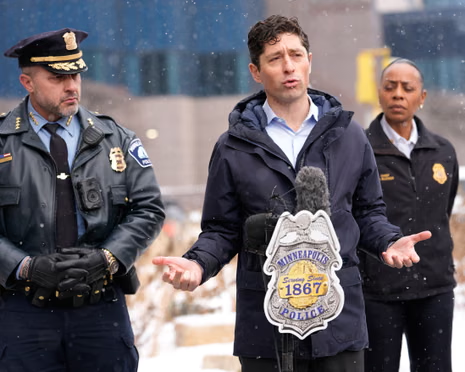
Minneapolis mayor Jacob Frey has demanded the FBI include state investigators in the Renee Good case. He criticised the Trump administration for rushing to label her actions as “domestic terrorism” without full evidence. Frey insists Minnesota’s Bureau of Criminal Apprehension must be allowed to participate, arguing that federal authorities are prioritising narrative over impartial investigation. The mayor highlighted that Good’s intent while driving after an ICE officer attempted removal remains unclear, emphasising the need for transparent scrutiny and proper state involvement in the inquiry.
Frey’s calls follow remarks from Department of Homeland Security Secretary Kristi Noem, who initially branded Good’s behaviour as terrorism. Noem argued state prosecutors lack jurisdiction in the matter, effectively excluding Minnesota authorities from participating in any formal investigation. Frey strongly opposed this stance, stressing that federal control alone cannot ensure fairness or accountability. He accused the Trump administration of prematurely constructing a narrative while key evidence, including cellphone footage, suggests Good was calm and posed no threat before being shot.

Video evidence released in the aftermath shows Good telling the ICE officer, “I’m not mad at you,” seconds before shots were fired. The footage further captures the officer calling her a “fucking bitch” following the shooting. Analysis suggests Good was turning away rather than attempting to run over the agent, countering official claims made by federal authorities. Frey described these inconsistencies as crucial to understanding whether the shooting could be justified, pointing out the dangers of misleading narratives in politically charged incidents.
The debate has drawn national attention, with Minnesota Senator Tina Smith also criticising the Trump administration’s handling of the case. Speaking on ABC’s This Week, Smith highlighted that blocking state investigators risks creating a one-sided narrative and undermines public trust. She called for greater transparency and accountability, stating that the footage contradicts early federal characterisations of Good’s behaviour.
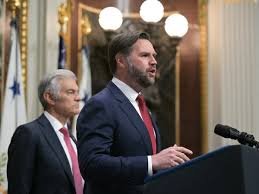
JD Vance, the US Vice President, publicly defended the officer, citing “absolute immunity” and asserting the agent was performing his duty. Tom Homan, Trump’s “border czar,” reiterated federal claims on NBC, arguing that definitions of terrorism could encompass Good’s actions. Despite this, Frey and other local officials insist that proper state involvement is necessary to ensure justice is served.
Frey’s frustration became widely known after his press conference remarks shortly following the shooting, in which he told ICE to “get the fuck out of Minneapolis” and rejected the officer’s self-defence claim as “bullshit.” On NBC’s Meet the Press, he acknowledged the heated language but argued that the real inflammatory factor was the fatal shooting itself. Frey emphasised that transparent cooperation between federal and state agencies is essential for maintaining public confidence and preventing politicisation of critical investigations.
The Renee Good case illustrates the growing tension between federal authority and local governance in sensitive law enforcement incidents. Critics argue that excluding state authorities from investigations risks undermining credibility and inflaming public mistrust. Meanwhile, proponents of federal-only oversight defend the approach as necessary to protect law enforcement officers from politically motivated interference. However, video evidence and public statements by local leaders highlight the complexities of assessing intent, force, and accountability in high-profile shootings.
Frey’s persistent advocacy for state involvement represents a broader debate about justice, transparency, and federal overreach. The case has ignited widespread discussion across media platforms, prompting calls for procedural reforms and clearer guidelines on federal-state cooperation in criminal inquiries. Minnesota officials, including Senator Smith, continue to emphasise the importance of evidence-based assessments over politically convenient narratives. Public scrutiny, particularly in the age of instant video dissemination, reinforces the need for meticulous investigation and impartial reporting.

As discussions continue, the Renee Good investigation remains under intense national observation. The mayor’s insistence on state participation may set a precedent for future cases, highlighting tensions in how federal and state agencies balance power and responsibility. Transparency, accuracy, and accountability remain central to public expectations, particularly when law enforcement actions result in loss of life. Observers note that federal attempts to characterise incidents before evidence review can exacerbate community distrust and heighten political divisions.
The case also raises important questions about the legal and ethical obligations of federal officers and the role of state oversight. Frey’s public statements reflect growing frustration over perceived unilateral decision-making by federal authorities and the urgent need for checks that protect both civilians and law enforcement. The release of video footage, combined with expert analysis, continues to challenge official narratives and underscores the critical importance of impartial investigation.
Ultimately, the Renee Good inquiry is emblematic of broader debates surrounding policing, federal authority, and state involvement. Calls for transparency, accountability, and fair investigation are resonating nationally, revealing the delicate balance between upholding law enforcement prerogatives and safeguarding citizen rights. The situation underscores the significance of cooperative frameworks between federal and state agencies to prevent premature conclusions and ensure justice is served with integrity.
Related News:
 Two National Guard Soldiers Critically Injured Near White House
 US National Guard Member Killed in DC Shooting
 American Mother Extradited From UK to U.S. on Murder Charges
 US Cities Erupt in Protests Against Trump’s Venezuela Military Action
 Federal Immigration Shift: Officers Leave Louisiana for Minneapolis
 Trump Says US Must ‘Own’ Greenland to Block Russia, China
 Democrats Push Affordability to Challenge Trump Ahead of Votes
 Greenland Faces Pivotal Summit Over Arctic Power Struggle
 Government Unveils Northern Powerhouse Rail Plans
 Kyrsten Sinema Faces High-Profile Lawsuit Over Marriage Interference
 ICE detainee death may be investigated as homicide in Texas camp
 ‘He Believed Help Was Coming’: Why Iran’s Protesters Feel Betrayed
 Trump officials continue false claims after Alex Pretti shooting
 Thousands Protest ICE Operations in Nationwide US Day of Action
 Epstein Files Reveal Trump Officials’ Emails with Financier
 Thousands Protest ICE in New York Against Trump Deportation Campaign
 US-Cuba Negotiations Shift as Oil Blockade Looms
 Portland Mayor Demands ICE Leave After Protest Violence
 California Democrats Vow Trump Reckoning
 Missing North Carolina Woman Found Alive After 24 Years
 Trump’s Surgeon General Pick Evades Vaccine Questions
 Buffalo Refugee Tragedy: Border Patrol Neglect Leads to Death
 Minnesota Medicaid Funding Blocked Amid New ‘Fraud’ Crackdown
 Trump Probe Fallout: Patel Fires FBI Staff Tied to Documents Case
 Clinton Testimony Erupts in Fiery Exchange
 Trump Rebukes Starmer Over Iran Strike Support
 Ukraine war briefing: Zelenskyy offers help to Saudi Crown prince on combatting Iranian drones
 Utah Woman Found Guilty of Poisoning Husband for Inheritance
 Can King Charles Calm Trump on Key US Visit?
 Evacuations Ordered as California Wildfires Spread Fast
 US Airman Rescued in Daring Mission After F-15 Shot Down in Iran
 Congresswoman Condemns Trump Over Iran Conflict
 Melania Trump Epstein remarks spark survivor backlash
 Trump’s Presidency: A House of Cards Collapsing?
 Brennan Investigation Faces Major Prosecutor Shift
 US Catholics Caught Between President and the Pope
 US Catholics Caught Between President and the Pope
 Trump Faces Crisis as Iran Reopens Hormuz Tensions
 GOP Senator Criticizes Trump’s Feud With Pope Leo XIV
 Trump Starts $166bn Tariff Refund Process
 Trump at Press Dinner Sparks Tension
 Trump Defiant After Washington Hotel Shooting
 Identity Revealed: Suspected Washington Gunman Named
 America’s Furry Leaders: A Curious Civic Tale
 US Court Weighs Fate of TPS for Migrants
 The Long Crusade to Silence the Voting Rights Act
 Judge halts deportation of Yemeni refugees in US
 White House Security Case Sparks Political Firestorm
 Trump approval plunges amid Iran war fears
 Ohio’s Battle for Trust: Democrats Vying to Flip the Buckeye State
 Trump warns Iran as Middle East tensions surge again
 US ‘Narco Boat’ Strikes Draw Global Outcry
 Ohio Primaries Set Stage for Crucial Midterms
 Afghan Families Left in Limbo Face Risk of Deportation
 Miami Upgrades Shake Up F1 Title Fight
 Florida Surgeon ‘Devastated’ Over Fatal Surgery Error
 Tensions Emerge in Netanyahu-Trump Alliance
 US Awaits Iran Reply on New Ceasefire Proposal
 Immigration Judges Fear Pressure in Trump Era
 Nancy Pelosi Endorses Connie Chan For Congress
 Democrats release 2024 election report amid fierce backlash
 US green card applicants must apply from abroad, DHS says
 Tulsi Gabbard exits after turbulent intelligence tenure
 Hormuz Talks Near Critical Stage
 Former ICC prosecutor condemns US sanctions
 DeSantis’s ‘Alligator Alcatraz’ Faces Final Shutdown
 Prosecutor Proposes Law to Combat Election Deceit
 House Curbs Trump’s War Powers in Rare Rebellion
 Trump Urged to Condemn UFC Fighter Over Obama Slurs
 US Military Pacific Boat Strike Kills Three People
 US Loan Caps Threaten Future of Physician Assistants
 US Courts Back Trump on Park Signage Removals
 Trump’s Mount Rushmore Speech: A Divisive Anniversary
 Trump Intervenes in Fifa World Cup Balogun Ban
 NCAA Rules Unchanged After Supreme Court Transgender Ruling
 Conservative Groups Challenge ABC Broadcast Licenses
 US Airman Avoids British Court in Indecent Exposure Case
 Trump Refuses to Sign Housing Bill, But Law Takes Effect
 Florida Executes One of Its Oldest Death Row Prisoners
 Houthis Strike Saudi Arabia as Middle East Tensions Rise