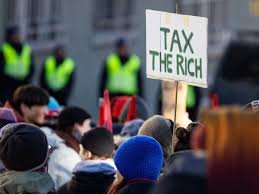
Published: 19 January 2026. The English Chronicle Desk. The English Chronicle Online.
The brazen influence of billionaires on global politics is becoming impossible to ignore, says Oxfam. Their latest report shows that 2025 saw a record number of billionaires created worldwide, with collective wealth reaching $18.3tn (£13.7tn). This staggering growth comes amid stagnating global efforts to combat poverty, hunger, and inequality. Since 2020, billionaire fortunes increased by 81%, or $8.2tn, an amount Oxfam claims could end extreme poverty 26 times over. The charity warns that governments are increasingly bowing to wealthy interests instead of serving ordinary citizens.
Oxfam’s annual inequality survey paints a stark picture of the rising political influence of the rich. Max Lawson, co-author of the report, said governments are choosing to protect wealth rather than citizens’ freedoms. “The rule of the rich is taking precedence over the needs of the people,” he explained. “Instead of redistributing resources, authorities suppress protests against rising living costs, austerity, and corruption.” This, the report argues, deepens societal divisions while emboldening billionaires to pursue political agendas openly.

Protests by young people demanding economic justice erupted across Africa, Asia, and Latin America last year, often met with violent suppression. In Kenya, social activist Wanjira Wanjiru described extreme inequality in Nairobi’s Mathare slum, where access to clean water and sanitation is scarce while a nearby golf course thrives under constant irrigation. She noted that East African governments often grant tax breaks and incentives to large corporations, reflecting the growing billionaire influence, while cutting budgets for essential services, leaving ordinary citizens to struggle.
Yet Wanjiru believes youth-led movements could spark meaningful change. “People can only endure oppression for so long before rebelling,” she said. “We are approaching a tipping point where citizens demand that systems serve their interests, not the rich. The unchecked billionaire influence over politics is pushing people to act.” In Nepal, widespread protests in September 2025 over corruption and economic hardship led to government resignations and targeted attacks on billionaire MP Binod Chaudhary’s businesses, illustrating public anger against excessive wealth and political privilege, and highlighting how billionaire influence shapes governance globally.
Political analysts like Pradip Gyawali emphasized the protests’ significance, viewing them as a global call for youth participation in governance. Ordinary citizens, Gyawali explained, were frustrated that politicians routinely catered to wealthy donors while neglecting the needs of the majority. “This is not just a national movement,” he said. “It is part of a worldwide push for young people to claim political influence and accountability.”
Oxfam’s report highlights that billionaires’ engagement in politics is increasingly overt. Many now control media networks, hold office, or contribute heavily to campaigns. Estimates suggest billionaires are 4,000 times more likely than average citizens to influence political decisions, and nine of the world’s ten largest social media platforms are owned by billionaire interests. Research cited by Oxfam shows policies supported by wealthy individuals are 45% likely to pass, compared with only 18% for those opposed by them. This disproportionate power further entrenches inequality and marginalizes ordinary voters.
The survey also draws attention to wealth accumulation amid global crises. While billions are concentrated in a tiny elite, billions of people worldwide remain unable to meet basic needs. According to Lawson, this imbalance reflects systemic failures in governance: governments have consistently prioritized the protection of billionaires’ fortunes over social welfare programs and public investment. “The marriage between money and politics has never been more blatant,” he said. “The wealthy are shaping societies to suit themselves while ordinary citizens bear the cost.”
Across continents, activists argue that rising inequality has sparked new forms of civic engagement. In Kenya, Wanjiru stressed the resilience and creativity of youth movements seeking justice and reform. Meanwhile, in Nepal, public demonstrations against corruption demonstrated how collective action can challenge political elites and hold them accountable. Lawson believes these developments are signs that resistance to billionaire dominance is growing worldwide. “People are waking up to the fact that wealth cannot equate to governance,” he added.

Oxfam warns that without decisive action, the gap between billionaires and ordinary citizens will continue widening. The report calls for progressive taxation, increased transparency in political donations, and measures to reduce the economic and political power of the ultra-rich. The charity stresses that such reforms are not only necessary to reduce inequality but also to restore faith in democratic institutions. Inaction, it argues, risks further civil unrest and societal instability, as citizens increasingly demand a voice in the systems that govern their lives.
The report’s revelations coincide with heightened public scrutiny of billionaires’ influence. Global audiences are becoming more aware of how wealth concentration undermines democracy and fosters corruption. Lawson and his co-author Harry Bignell emphasize that transparency, accountability, and citizen engagement are essential tools to counteract this trend. Without them, the world risks entrenching systems that favour a minority at the expense of millions of ordinary people.
In conclusion, Oxfam’s findings underline the urgent need for governments worldwide to rebalance political power. As billionaires openly assert their influence over society and policy, ordinary citizens increasingly face systemic barriers to basic rights and services. Youth-led movements, from Kenya to Nepal, suggest that public pushback can challenge entrenched inequalities. Yet the charity warns that sustained pressure and policy reforms are vital to ensure political systems serve everyone, not only the wealthy elite. The report leaves little doubt: the age of brazen billionaire influence is here, and its consequences demand immediate action from global leaders and citizens alike.
Related News:
 Reeves Faces Setback as Labour May Miss Homes Target
 Virgin Trains Moves Closer to Challenging Eurostar Monopoly
 Trump’s UK Ambassador Urges North Sea Drilling to Strengthen US Ties
 Ryanair Chief UK Economy ‘Doomed’ Under Labour
 M&S Profits More Than Halve After Cyber-Attack
 Earl of Yarmouth Faces £1.3m Legal Bill Over Family Estate
 Millionaires group urge Reeves to introduce wealth tax to ‘lift kids out of poverty’
 From Lego to Pokémon: How Adults Are Driving UK Toy Market Growth
 New laws to bolster UK’s defences against cyber attacks on NHS, transport and energy
 Canada Passes Carney’s First Budget in Tight Parliamentary Vote
 Starmer Says Labour’s Economic Plan Needs Years to Deliver
 Virgin Media Fined £23.8m Over Telecare Safety Failures
 Starmer Faces Parliamentary Battles Over UK-EU ‘Reset’ Plan
 Reeves Pub Business Rates U-Turn Calms Labour Revolt
 ScottishPower Tops List of Worst UK Energy Suppliers
 Markets Slide As Gold Rally Signals Risk From Trump Greenland Tariff Plan
 UK Eyes Global Investment with Visa Fee Refunds
 UK Inflation Hits 3.4% in December, Ending Five-Month Decline
 Starmer Plans UK-China Visit Amid Business and Diplomatic Goals
 UK Government Borrowing Drops to £11.6bn in December
 ‘Black Tax’: Burden, Pride and Survival for African Workers
 AI job losses UK: Britain faces sharper employment shock
 India-EU Free Trade Deal Marks Historic Economic Shift
 Gold price crash shakes global markets and investors
 EU Signals Open Mind on UK Customs Union Talks
 Telstra AI jobs cuts as automation drive expands
 UK shelves £110m border project amid trade strain
 Aston Martin Cuts 20% Jobs Amid £363m Loss
 Reeves Must Back Defence Plan or Face Dismissal, Says Unite Chief
 Switching Energy Deal Can Save £200 as Price Cap Falls
 Grocery Inflation Rises Amid War Fears
 Peak Greggs fears as profits tumble sharply
 BrewDog sold Highland estate for knockdown price after abandoning reforestation plans
 Abramovich Chelsea Sale Cash Faces Jersey Probe
 The Truth Behind Rising Energy Costs and Fossil Fuel Myths
 UK Energy Reform Could Cut Bills by £200
 Oil Slides, Stocks Jump on Trump Peace Signals
 Trump to Deploy “God Squad” Over Gulf Wildlife Protections
 Iran Drone Strike Hits Kuwaiti Oil Tanker in Dubai Port
 Trump Slams Europe as Transatlantic Tensions Boil Over
 UK Small Firms Face Crisis as Energy Bills Double Amid War
 Oil Prices Surge as Trump Issues New Deadline to Iran
 City Firms See Sharpest Fortune Reversal in Thirty Years
 Markets Surge as Trump Agrees to Iran Ceasefire Terms
 Stefano Gabbana Resigns as Chair of Italian Luxury Giant
 Rolls-Royce SMR Secures £600m Boost for Nuclear Future
 IMF Warns Iran War Could Spark Deep Global Recession
 Trump Rate Cuts Risk ‘Banana Republic’ Status, Says Yellen
 Primark Set for Independence from ABF Food Giant
 Australia’s Economic Anxiety: Is a Recession Looming?
 Lords Demand Larger Fiscal Buffers for UK
 $13bn World Cup Set to Break All Revenue Records
 Trump approval plunges amid Iran war fears
 Heathrow Chair Seeks Peace to Save Third Runway
 Tough Fiscal Realities Await Next Scottish Government
 US Awaits Iran Reply on New Ceasefire Proposal
 Aramco Surges as East-West Pipeline Counters Gulf Tensions
 Big Tobacco Under Fire Over Controversial New Ad Campaign
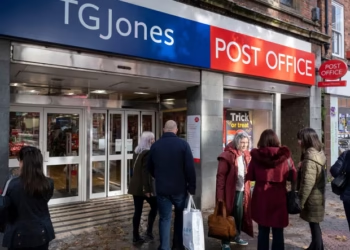 High Street Crisis: Fears Grow Over Post Office Closures
 UK Firms Freeze Spending as Iran Conflict Bites
 Summer Shock: British Energy Bills Set for Grim July Hike
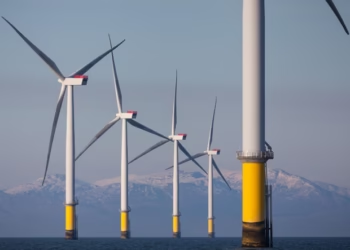 Reeves to Fast-Track Clean Energy Amid Iran Crisis
 Oil Markets Face ‘Red Zone’ Threat Amid Iran Crisis
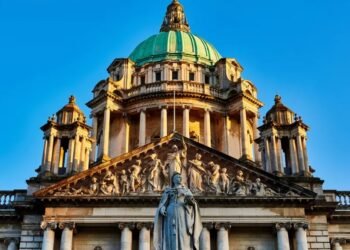 Belfast Approves Pilot Extension of Sunday Trading Hours
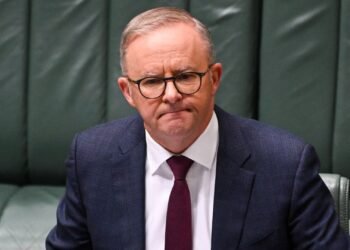 Albanese Defends Tax Reforms Amid Emotional Speech
 Tube Strike Brings Capital to a Standstill Over Shift Disputes
 BP Stands Firm on Amanda Blanc Amid Boardroom Storm
 UK House Prices Drop For Third Month Due To War Fears
 Top Chefs Back Andy Burnham to Save UK Hospitality Sector
 GSK Secures Landmark $10.6bn Deal for Nuvalent
 UK Economy Suffers a Sharp Downturn as Iran Conflict Bites
 AI Scams Push UK Investment Fraud Past £220m
 Rethinking the Blueprint for Youth Employment in Britain
 Sainsbury’s Boss Optimistic As Grocery Inflation Eases
 UK Households Suffer Squeeze As Disposable Incomes Drop
 Creditors Eye Thames Water Even Under Nationalisation
 Record £28m Fine for Virgin Media Over Cancellation Woes
 Ukraine Creates Long-Range Strike Command
 BBC Faces Real Jeopardy as Licence Fee Income Declines
 Thames Water Future Remains Uncertain Amid Funding Crunch