Published: 20 January 2026. The English Chronicle Desk. The English Chronicle Online.
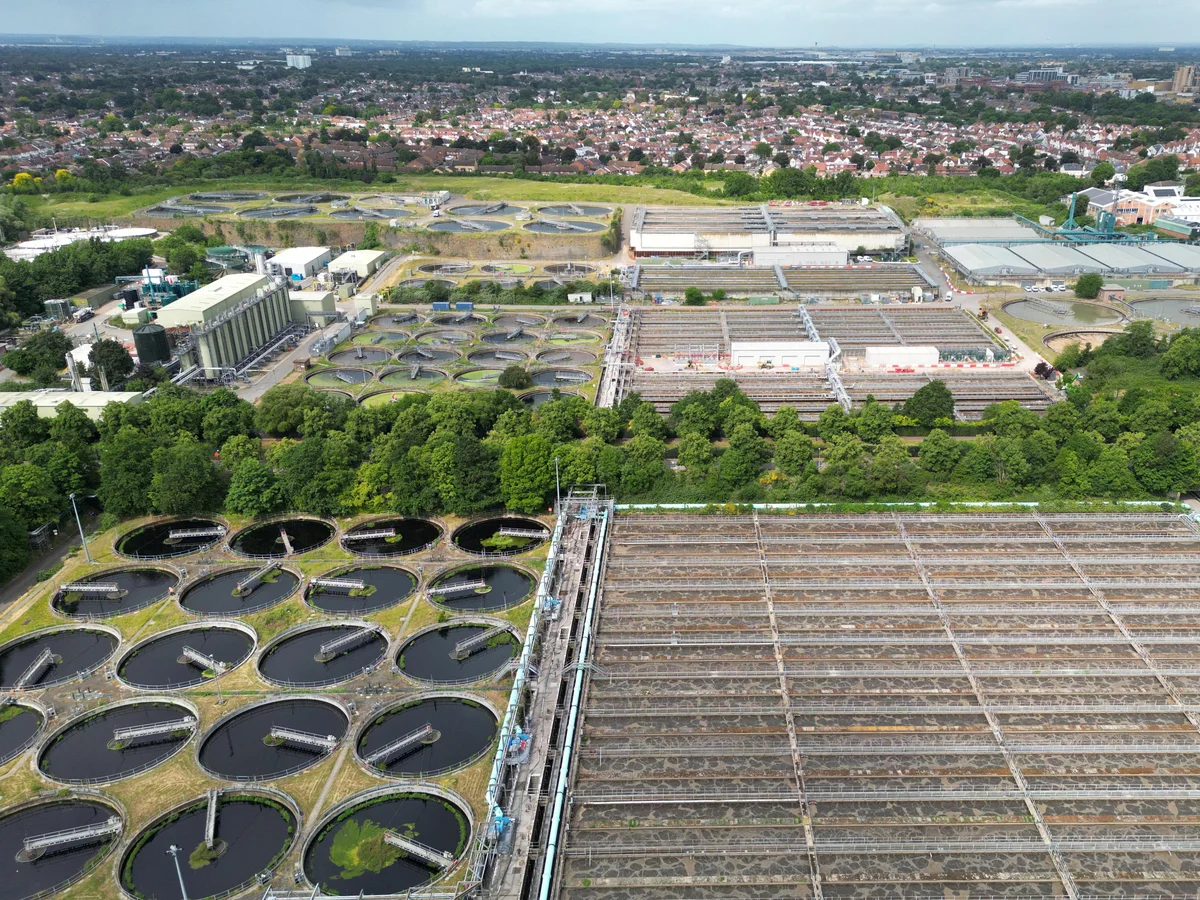
The UK water reform debate has intensified after ministers signalled a major shift in enforcement policy. At the centre of the proposal is the UK water reform plan, which could allow water companies to avoid or delay pollution fines. The move has sparked fierce disagreement between government officials, environmental campaigners, industry figures, and financial analysts. Supporters argue the changes could stabilise struggling firms and accelerate infrastructure repairs, while critics warn they risk undermining accountability and environmental protection.
According to the government’s newly unveiled white paper, regulators may be granted discretion to manage penalties imposed on water companies that breach environmental rules. This approach would form part of a broader turnaround regime aimed at companies facing financial distress or repeated operational failures. Ministers insist the intention is not to excuse wrongdoing but to ensure firms remain viable enough to invest in essential upgrades. Within the first pages of the document, the UK water reform plan is presented as a once-in-a-generation reset for a sector plagued by ageing assets and public mistrust.
Environment Secretary Emma Reynolds described the proposals as transformative, emphasising tougher oversight and genuine accountability. She argued that the existing system, while punitive, has not delivered the rapid improvements customers expect. Under the new framework, regulators could defer or restructure fines where immediate payment would threaten a company’s survival. Officials maintain that every penalty would remain payable in principle, even if enforcement timelines changed.

Campaigners reacted angrily, accusing the government of retreating from the “polluter pays” principle. Environmental groups warned that allowing firms to sidestep fines sends a damaging signal at a time when sewage discharges remain a national scandal. Rivers, coastal waters, and protected habitats have suffered repeated contamination incidents, eroding public confidence. Critics argue the UK water reform plan risks weakening deterrence just when stronger action is needed.
Concerns have focused particularly on Thames Water, the country’s largest supplier, which has struggled under heavy debt. In May 2025, the company was fined more than £120 million for environmental breaches linked to sewage spills and poor wastewater management. Creditors have since urged regulators to shield the firm from further penalties, claiming additional fines could push it into collapse. Government sources insist this case illustrates why flexibility is required, rather than an attempt to excuse misconduct.
Officials at the Department for Environment, Food and Rural Affairs say the turnaround regime would impose strict conditions. Companies benefiting from deferred fines could face limits on executive bonuses, dividend payments, and investor returns. The aim, ministers say, is to prioritise infrastructure investment and service reliability over shareholder rewards. They argue the UK water reform plan balances financial realism with public interest obligations.
Industry insiders have cautiously welcomed the proposals, noting that the sector faces enormous capital demands. Much of Britain’s water infrastructure dates back to the Victorian era, with pipes, sewers, and treatment works long overdue for replacement. No major reservoir has been built for more than three decades, despite population growth and rising climate pressures. Firms contend that without financial stability, large-scale upgrades will remain elusive.
Alongside enforcement changes, the government plans to introduce a new “MOT-style” assessment for water companies. This would require detailed disclosure of infrastructure condition and maintenance backlogs. Ministers believe such transparency could prevent outages like those experienced recently in Kent and Sussex, where thousands of households were left without water for days. In those cases, ageing pipes and poorly maintained treatment facilities were blamed.
The white paper also outlines expanded regulatory powers, including surprise inspections and dedicated supervisory teams for each company. A newly appointed chief engineer within Ofwat would oversee hands-on checks of critical assets. These measures are intended to strengthen oversight, even as enforcement becomes more flexible. Supporters argue that the UK water reform plan combines firmness with pragmatism.
However, critics remain unconvinced. Richard Benwell, chief executive of Wildlife and Countryside Link, said any company fined for environmental harm should make restitution. He warned that easing penalties risks encouraging unlawful behaviour. According to campaigners, firms already factor fines into their business models, treating them as manageable costs rather than deterrents. Weakening enforcement, they say, could worsen this dynamic.
Public anger has been fuelled by high-profile service failures and pollution incidents. Feargal Sharkey, a prominent water campaigner, dismissed the reforms as cosmetic. He argued that decades of privatisation have prioritised shareholder returns over public service. Sharkey cited communities left without water for weeks as evidence of systemic failure. In his view, the UK water reform plan avoids confronting deeper structural issues.
The reforms stem from an extensive review led by former Bank of England deputy governor Jon Cunliffe. His report made 88 recommendations to improve governance, resilience, and performance across the sector. Among them was the idea of a turnaround regime allowing regulators discretion over fines in exceptional circumstances. Cunliffe argued that rigid enforcement could sometimes hinder investment needed to fix underlying problems.
Importantly, the review did not consider renationalisation, having been explicitly barred from doing so by ministers. England and Wales remain unique in operating a fully privatised water system. This reality shapes the government’s approach, as officials seek to reassure investors while addressing public outrage. The UK water reform plan reflects this balancing act, attempting to satisfy competing pressures.

Another significant proposal is the planned abolition of Ofwat, merging its functions into a new super-regulator. This body would combine economic, environmental, and consumer oversight. Questions remain about whether it will be operational in time for the 2029 price review, which will determine household bills and investment levels until 2035. The government is expected to clarify timelines in March.
Financial analysts note that regulatory uncertainty could affect borrowing costs and investment decisions. Water companies rely heavily on debt to fund infrastructure projects. If enforcement becomes unpredictable, lenders may demand higher returns. Ministers counter that clarity and stability are precisely what the UK water reform plan aims to deliver.
For consumers, the stakes are high. Household bills have risen steadily, while service quality and environmental outcomes have often disappointed. Many fear that easing fines could ultimately shift costs onto customers. The government insists safeguards will prevent this, stressing that customers should not pay for company failures.
As Parliament prepares to scrutinise the water reform bill, debate is expected to intensify. Supporters see a pragmatic response to a fragile sector, while opponents view it as capitulation to corporate pressure. What remains clear is that trust in the water industry is fragile, and rebuilding it will require tangible improvements.
Whether the UK water reform plan delivers cleaner rivers, reliable supplies, and fairer outcomes remains uncertain. Its success will depend on rigorous oversight, genuine accountability, and visible investment. Without these, critics warn, the reforms could deepen public cynicism rather than restore confidence.
Related News:
 British Woman in Iran ‘Losing Hope’ Amid Ongoing Detention
 BBC Journalist Held and Interrogated in Vietnam
 Green Party Surges Past Labour in Latest UK Poll
 Celebrities and Charities Demand UK Government Act on Child Poverty
 Sultana says new party is aiming to ‘run government’
 Trump’s UK Ambassador Urges North Sea Drilling to Strengthen US Ties
 FBI Director Kash Patel Defends Girlfriend Amid Government Jet Claims
 Phillipson urges careful review of gender recognition guidance
 French Taxi Driver Cleared in David Lammy Theft Case After Fare Dispute
 Rachel Reeves Set to Break Labour Pledge and Raise Income Tax
 Who is Rama Duwaji? What Zohran Mamdani’s wife has said about Gaza and ICE as he’s elected NYC mayor
 MPs Press Rachel Reeves to Hike Gambling Taxes
 Met Police Culture Makes Racial Harm ‘Inevitable’
 Nicola Sturgeon Urges SNP to Oppose New Oil Fields
 Eleven Arrested After Pro-Palestine Protest at Villa Match
 Boris Johnson accused of undermining BBC leadership
 Remaining rebel Labour MPs have whip restored
 Cuts to home insulation funding threaten UK climate goals
 Tim Davie resigns as BBC director general amid bias claims
 ‘Reckless’ cuts to victims’ services will cost more than they save
 BBC director-general and news chief resign amid bias row
 Millionaires group urge Reeves to introduce wealth tax to ‘lift kids out of poverty’
 Starmer Faces Growing Dissent as Labour MPs Weigh Leadership Challenge
 BBC Faces Backlash as Reform UK Withdraws from Film
 Tim Davie Defends BBC Amid Bias Scandal Storm
 Reeves rejects £1bn plea for NHS redundancy payouts
 Farage appointee to lead Reform youth accused of anti-British views
 Palace to reinstate hyphen in Andrew’s surname
Donald Trump threatens BBC over edited speech
Palace to reinstate hyphen in Andrew’s surname
Donald Trump threatens BBC over edited speech
 Politics latest: Starmer ‘will fight any leadership coup’ as Streeting denies attempt to oust Labour PM
 PM Condemns Leaks, Vows Loyalty to Ministers and Stability
 Major Rent Reform Ends No-Fault Evictions in England
 Peers Flood Assisted Dying Bill with 942 Amendments
 England’s Special Needs Support Faces Breaking Point
 MoD warned over Excel risks before Afghan data breach
 UK Unveils Fast-Track Deportation and Asylum Overhaul
 UK Asylum Overhaul Sparks Debate Over Human Rights and Deportations
 UK Asylum Reforms: Temporary Refugee Status and Faster Deportations
 UK Candidate Moved to Safe House After Election Threats
 Mahmood Defends Tough Overhaul of UK Asylum System
 UK Warns China After MI5 Issues Espionage Alert
 Westminster Advances Legacy Bill Amid Criticism
 Minister Defends Tough New Asylum Reform Plan
 UK Vulnerable to Attack, Defence Committee Finds
 Labour Faces Historic Decline in Wales
 Rama Rebukes Mahmood for Targeting Albanian Families
 Russian Vessel Used Lasers on RAF Pilots, UK Claims
 PM Shares Emotional Letter to Son on Men’s Struggles
 MP Offers Seat to Help Burnham Challenge Starmer
 PM Highlights UK Business at G20 in South Africa
 Kate Forbes: Motherhood Harder Than Politics
 Welsh Government Christmas 2020 Lockdown Criticised
Reeves to Crack Down on Benefit Fraud While Lifting Two-Child Limit
Welsh Government Christmas 2020 Lockdown Criticised
Reeves to Crack Down on Benefit Fraud While Lifting Two-Child Limit
 BBC to Expand Standards Panel and Create Deputy Director Role
 Most Tories Expect to Support a Farage-Led Government
 Labour MP claims devolution bill is ‘blatant discrimination’ against Cornwall
 English Mayors Set to Introduce Tourist Taxes
 Ex-Classmate Accuses Farage of Dishonesty on Racism Claims
 Millions Face Higher Taxes Under Reeves New Budget
 Peers Get Extra Time to Debate Assisted Dying Bill
 Planned Palestinian Flag Raising at Belfast City Hall Faces Delay Amid Legal Concerns
 Government righting decades-old injustice for miners
 “Enough is Enough”: Local MP Vows to Fight Rainham Quarry Plans
 Starmer Says Labour’s Economic Plan Needs Years to Deliver
 UK delays ruling on China embassy plan until January
 Culture secretary to review Telegraph takeover by Daily Mail owner
 Andy Burnham Apologises for Past LGBTQ+ Police Discrimination
 UK to Launch Military ‘Gap Year’ Scheme to Boost Recruitment
 Norfolk Coastal Graves at Risk as Erosion Deepens Family Anguish
 Winter plant bloom signals climate breakdown in UK
 Reeves Slams Farage Over Two-Child Benefit Cap Opposition
 Mandelson Refuses Apology Over Epstein Ties
 Storm Goretti leaves Cornwall homes without power
 Plans to Limit Jury Trials Face Retreat After Mounting Opposition
 Jenrick Reform defection deepens Tory civil war
 China Dependence Threatens UK Energy Supply Chains and Jobs
 BP’s Influence Sparks Controversy in UK STEM Education
 Right Must Unite After Jenrick Defection, Urges Rees-Mogg
 Romford MP Andrew Rosindell defects to Reform UK
 Kent Residents Continue Facing Water Supply Disruptions