Published: 27 January 2026. The English Chronicle Desk. The English Chronicle Online.
The fallout from the Braverman defection has exposed deep fractures within British conservatism and its public tone. Within hours of Suella Braverman formally joining Reform UK, senior Conservatives faced fierce criticism for linking her departure to alleged mental health concerns. The episode has reignited debate about political responsibility, personal dignity, and the increasingly bitter language shaping Westminster’s realignment.
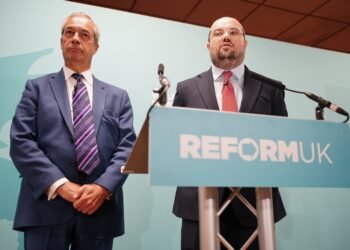
Braverman, a former home secretary and prominent figure on the Conservative right, ended months of speculation by defecting to Nigel Farage’s Reform UK. Her move made her the third sitting Conservative MP to cross the floor in little over a week. Appearing alongside Farage, she accused her former party of abandoning core promises, leaving her politically homeless after years of internal conflict.
The controversy erupted when the Conservative Party issued an initial statement responding to her exit. It claimed the party had done “all we could to look after Suella’s mental health” and suggested she was “clearly very unhappy”. Critics across parties condemned the language as inappropriate and stigmatising. Within hours, the statement was withdrawn and replaced, with party officials describing the original wording as an unreleased draft sent out in error.

That explanation did little to stem the backlash. Former Conservative MP Nigel Evans called the statement an “absolute disgrace”, while immigration minister Mike Tapp described it as “gutter politics”. Mental health charities and campaigners also expressed concern, warning against the use of personal wellbeing as a political weapon during moments of crisis or transition.
Braverman herself responded later that day, saying the comments revealed more about her former colleagues than about her. She said she had previously been accused by party figures, including leader Kemi Badenoch, of having suffered a breakdown. According to Braverman, Badenoch later apologised during her leadership campaign, privately acknowledging the remark and seeking her support.
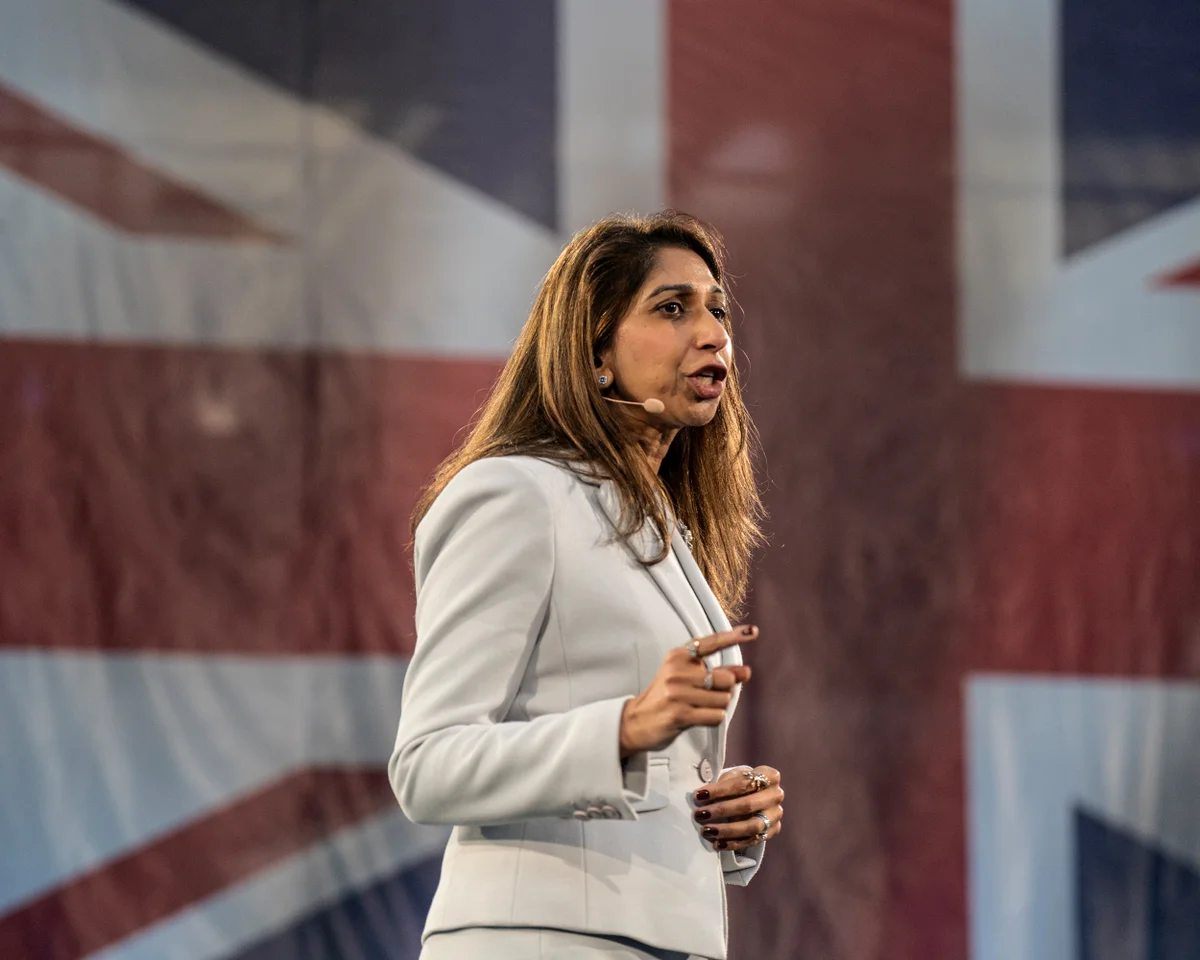
Standing before a crowd at a Reform UK rally in central London, Braverman framed her defection as principled rather than opportunistic. She argued that repeated Conservative promises on Brexit, immigration, and national sovereignty had collapsed. While critics noted her senior roles in shaping those very policies, she insisted internal resistance and legal constraints prevented meaningful delivery.
Nigel Farage welcomed her as a figure of experience who understood government from the inside. He confirmed discussions with Braverman had been ongoing for over a year, adding that her arrival strengthened Reform’s credibility as a serious parliamentary force. Her husband, Rael Braverman, who previously left Reform following criticism of his wife, has since rejoined the party.
The Braverman defection has also unsettled Conservative backbenchers already anxious about party unity. Some fear a steady drain of rightwing MPs could accelerate perceptions of decline. Others argue her move simply formalises a split that has existed since the Brexit years, when ideological divisions hardened and loyalty became increasingly conditional.
Within Reform, reactions have been mixed. While Farage praised Braverman’s willingness to challenge orthodoxies, some party insiders worry about absorbing too many former Conservatives with leadership ambitions. Reform figures previously briefed that Braverman and Liz Truss would not be welcomed, concerned their records might undermine the party’s outsider image.
At the rally, Braverman accused Badenoch of leading a “witch-hunt against rightwingers” within the Conservative Party. She told supporters that loyalty must be questioned when a party no longer reflects its founding values. Her speech echoed themes used by other recent defectors, describing Britain as broken and betrayed by cautious governance.
Farage, however, sought to draw boundaries. He ruled out welcoming figures such as Jeremy Hunt, Boris Johnson, or Priti Patel, arguing they symbolised policy failure and denial. Speaking to broadcasters, he said Reform would not accept those unwilling to acknowledge responsibility for record immigration levels or economic stagnation.
Labour seized the moment to attack both parties. Party chair Anna Turley said Reform was filling its ranks with failed Conservatives responsible for fourteen years of decline. She accused Braverman of helping botch Brexit and contributing to chaos during her tenure as home secretary.
Beyond partisan skirmishing, the episode has intensified scrutiny of political language and mental health. Several MPs privately expressed discomfort at the initial Conservative statement, warning that such remarks could deter public figures from speaking openly about wellbeing. Campaigners stressed that mental health should never be invoked to undermine credibility or agency.

For the Conservatives, the damage is reputational as well as electoral. The rapid correction of the statement suggested internal alarm, yet critics argue it revealed instinctive hostility toward dissenters. With local elections approaching, party strategists fear the narrative of bitterness and disarray could further erode voter trust.
Meanwhile, Reform UK’s parliamentary presence has grown to eight MPs, an unprecedented development for a party long viewed as peripheral. Whether this momentum translates into sustained influence remains uncertain. Farage faces pressure to prove Reform is more than a refuge for disaffected Conservatives seeking relevance.
As for Braverman, she has promised to outline her reasons for leaving in greater detail, including renewed criticism of the European Convention on Human Rights. She maintains that constraints imposed by the convention blocked tougher immigration enforcement, a claim contested by legal experts and former colleagues.
The Braverman defection thus represents more than a personal political gamble. It highlights the fragility of party loyalties, the volatility of political rhetoric, and the ethical lines tested during periods of upheaval. How voters respond may shape the next phase of Britain’s evolving political landscape.
Related News:
 British Woman in Iran ‘Losing Hope’ Amid Ongoing Detention
 BBC Journalist Held and Interrogated in Vietnam
 Green Party Surges Past Labour in Latest UK Poll
 Celebrities and Charities Demand UK Government Act on Child Poverty
 Trump’s UK Ambassador Urges North Sea Drilling to Strengthen US Ties
 FBI Director Kash Patel Defends Girlfriend Amid Government Jet Claims
 Phillipson urges careful review of gender recognition guidance
 French Taxi Driver Cleared in David Lammy Theft Case After Fare Dispute
 Rachel Reeves Set to Break Labour Pledge and Raise Income Tax
 Who is Rama Duwaji? What Zohran Mamdani’s wife has said about Gaza and ICE as he’s elected NYC mayor
 MPs Press Rachel Reeves to Hike Gambling Taxes
 Met Police Culture Makes Racial Harm ‘Inevitable’
 Eleven Arrested After Pro-Palestine Protest at Villa Match
 Boris Johnson accused of undermining BBC leadership
 Remaining rebel Labour MPs have whip restored
 ‘Reckless’ cuts to victims’ services will cost more than they save
 BBC director-general and news chief resign amid bias row
 Millionaires group urge Reeves to introduce wealth tax to ‘lift kids out of poverty’
 Starmer Faces Growing Dissent as Labour MPs Weigh Leadership Challenge
 BBC Faces Backlash as Reform UK Withdraws from Film
 Reeves rejects £1bn plea for NHS redundancy payouts
 Farage appointee to lead Reform youth accused of anti-British views
 Palace to reinstate hyphen in Andrew’s surname
 Politics latest: Starmer ‘will fight any leadership coup’ as Streeting denies attempt to oust Labour PM
 PM Condemns Leaks, Vows Loyalty to Ministers and Stability
 Major Rent Reform Ends No-Fault Evictions in England
 Peers Flood Assisted Dying Bill with 942 Amendments
 England’s Special Needs Support Faces Breaking Point
 MoD warned over Excel risks before Afghan data breach
 UK Unveils Fast-Track Deportation and Asylum Overhaul
 UK Asylum Overhaul Sparks Debate Over Human Rights and Deportations
 UK Asylum Reforms: Temporary Refugee Status and Faster Deportations
 UK Candidate Moved to Safe House After Election Threats
 Mahmood Defends Tough Overhaul of UK Asylum System
 UK Warns China After MI5 Issues Espionage Alert
 Westminster Advances Legacy Bill Amid Criticism
 Minister Defends Tough New Asylum Reform Plan
 UK Vulnerable to Attack, Defence Committee Finds
 Labour Faces Historic Decline in Wales
 Rama Rebukes Mahmood for Targeting Albanian Families
 Russian Vessel Used Lasers on RAF Pilots, UK Claims
 PM Shares Emotional Letter to Son on Men’s Struggles
 PM Highlights UK Business at G20 in South Africa
 Kate Forbes: Motherhood Harder Than Politics
 Welsh Government Christmas 2020 Lockdown Criticised
Reeves to Crack Down on Benefit Fraud While Lifting Two-Child Limit
Welsh Government Christmas 2020 Lockdown Criticised
Reeves to Crack Down on Benefit Fraud While Lifting Two-Child Limit
 Most Tories Expect to Support a Farage-Led Government
 Labour MP claims devolution bill is ‘blatant discrimination’ against Cornwall
 English Mayors Set to Introduce Tourist Taxes
 Millions Face Higher Taxes Under Reeves New Budget
 Peers Get Extra Time to Debate Assisted Dying Bill
 Planned Palestinian Flag Raising at Belfast City Hall Faces Delay Amid Legal Concerns
 Government righting decades-old injustice for miners
 Starmer Says Labour’s Economic Plan Needs Years to Deliver
 UK delays ruling on China embassy plan until January
 Culture secretary to review Telegraph takeover by Daily Mail owner
 Andy Burnham Apologises for Past LGBTQ+ Police Discrimination
 UK to Launch Military ‘Gap Year’ Scheme to Boost Recruitment
 Reeves Slams Farage Over Two-Child Benefit Cap Opposition
 Mandelson Refuses Apology Over Epstein Ties
 Plans to Limit Jury Trials Face Retreat After Mounting Opposition
 Jenrick Reform defection deepens Tory civil war
 China Dependence Threatens UK Energy Supply Chains and Jobs
 Right Must Unite After Jenrick Defection, Urges Rees-Mogg
 Romford MP Andrew Rosindell defects to Reform UK
 UK Ministers Drop Foreign Student Targets for Global Education Push
 MPs warn AI financial risks threaten UK stability
 MPs warn AI financial risks threaten UK stability
 No Gas Boiler Ban as UK Warm Homes Plan Backs Heat Pumps
 Hugh Grant Joins Call for Under-16 Social Media Ban in UK
 Shinzo Abe’s killer receives life sentence in Japan
 US Africa aid remarks spark anger after leaked State email
 Lords Vote Piles Pressure on Starmer Over Social Media Ban
 Judge-only trials plan fails to ease court backlog
 Planned Troubles Board Game Sparks Outrage in Northern Ireland
 Reform UK Health Plan ‘Would Cost £1.7bn’, Streeting Says
 Labour Blocks Burnham as Party Rift Deepens Ahead of Polls
 Police response times face strict new national limits
 Huge mistake: Labour blocks Burnham from byelection bid
 Labour policing overhaul sparks fears over growing central control