Published: 28 January 2026. The English Chronicle Desk. The English Chronicle Online.
Snowfall and freezing temperatures threaten to significantly affect Japan election turnout in the upcoming snap general election, as officials and citizens brace for harsh winter conditions. The extreme cold, combined with record snow in several prefectures, is prompting concern about low participation rates, with younger voters appearing more willing to brave the elements than older citizens. Prime Minister Sanae Takaichi’s decision to call the snap vote less than four months after taking office has heightened attention on Japan election turnout.
The vote, scheduled for 8 February, comes during an unusually severe winter. In Aomori prefecture, authorities have reduced the number of election billboards from 621 last year to only 97 due to heavy snow accumulation. Such conditions complicate efforts to inform voters, potentially affecting Japan election turnout. NHK reported ten deaths in the past week linked to harsh winter conditions, particularly along the Sea of Japan coast, highlighting the severity of the weather.

Takaichi’s early election aims to capitalise on her personal popularity and strengthen her fragile coalition, yet the adverse weather introduces additional challenges. The 16-day gap between the dissolution of parliament and election day is the shortest in living memory, leaving municipalities struggling to arrange voter facilities and transport. Election officials are working overtime to ensure polling stations are accessible despite snow, but concerns remain over delayed delivery of polling booth admission tickets, which could further impact Japan election turnout.
Observers suggest that voter apathy may rise due to a combination of weather obstacles, high approval ratings for Takaichi, and weak opposition parties. Non-fiction writer Satoru Ishido explained, “All the conditions for low voter participation are in place this time, and the weather only intensifies the situation.” Previously, the Liberal Democratic Party (LDP) could rely on its coalition partner Komeito for organisational support. Without this advantage, the LDP now faces the challenge of attracting non-aligned voters, a factor that could influence Japan election turnout in snowbound regions.
Safety concerns also affect campaign events. Police have warned that kairo hand and body warmers could trigger metal detectors at political rallies, introduced after the 2022 assassination of former Prime Minister Shinzo Abe. Female officers will be present at speeches to conduct necessary body checks, and local authorities are urged to facilitate secure access to public campaign gatherings. These precautions add an additional layer of logistical complexity in areas already coping with heavy snowfall.
The internal affairs ministry has set up a task force to manage potential disruptions on election day, focusing on emergency communications and mobile polling stations for early voting. Transport arrangements are also being coordinated to ensure voters can safely reach polling booths. Despite these measures, residents of snowbound regions remain concerned about navigating icy streets and crowded public transport. Takaichi expressed gratitude for the effort required by citizens in these regions, acknowledging the extraordinary challenge posed by the weather.

Data indicate that younger voters are more willing to participate despite extreme cold. Over 58% of individuals in their 20s and 30s support the timing of the February election, compared with 47.5% of voters in their 40s and 50s. In contrast, opposition to the timing is higher in snow-prone north-east Japan, with 61% of respondents expressing disapproval. Analysts suggest that this generational difference may benefit smaller parties like Sanseito, which gained support from younger voters during last summer’s upper house elections.
The snow and freezing conditions disrupt the visibility of candidates and their campaigns. Posters and billboards are partially buried in snow, and severe weather has forced local authorities to rethink traditional campaign strategies. This combination of weather challenges, logistical hurdles, and political dynamics makes the upcoming election a highly unusual test of Japan’s democratic resilience.
As election day approaches, all eyes are on turnout and the capacity of authorities to manage both logistical and safety concerns posed by extreme weather. The snap vote reflects Takaichi’s strategy to consolidate power quickly, yet unforeseen snowfall and icy conditions could ultimately determine how many citizens exercise their right to vote. With the nation enduring its harshest winter in decades, the interplay between climate, political strategy, and voter behaviour has never been more apparent.
Related News:
 Trump Plans Venezuela Meeting, Warns of Cartel Land Strikes
 Mandelson apologises over Epstein ties after public scrutiny
 US Senate rejects resolution limiting Trump military powers
 Trump Calls Greenland Critical for US Security After Denmark Talks
 Trump: Iran Killing Has Stopped, Strike Threats Pulled Back
 Machado Trump medal gesture reshapes Venezuela power struggle
 Trump Receives Machado’s Nobel Medal in White House Meeting
 Iran unrest slows under brutal crackdown and global tensions
 Trump Allies Pursue $200m European Gas Pipeline Deal
 US Considers Asylum for British Jews Amid Rising Antisemitism
 Starmer Challenges US Over Controversial Greenland Deal
 Spoof “Make America Go Away” Caps Rally Denmark Over Greenland
 Trump slams UK ‘stupidity’ over Chagos Islands, eyes Greenland takeover
 UK Presses On With Chagos Handover Despite Trump Criticism
 Kim Jong-un Fires Vice-Premier Over Factory Failures
 Shinzo Abe’s killer receives life sentence in Japan
 Starmer Resists Matching Trump Amid Greenland Tensions
 Netanyahu Accepts Trump’s ‘Board of Peace’ Invitation
 South Korean Ex-PM Jailed 23 Years Over Martial Law Role
 Canada Rules Out Free Trade Deal With China Amid US Tensions
 Keir Starmer meets Xi to strengthen UK-China economic relations
 Crisis Looms as Liberals Debate Sussan Ley Future
 Cambridge Faces Scrutiny Over Arms Investment Transparency
 Files Link Andrew to Epstein Dinner After Prison Release
 Thousands Protest ICE Operations in Nationwide US Day of Action
 Epstein Files Reveal Trump Officials’ Emails with Financier
 Thousands Protest ICE in New York Against Trump Deportation Campaign
 Trump-Petro Meeting Sparks Hopes of Diplomatic Detente
 Epstein UAE Emails Shake British Royal Andrew’s Legacy
 Liberal Fallout: Taylor Challenge Casts Shadow Over Sussan Ley’s Leadership
 Ukraine, Russia Meet in Geneva Ahead of War Anniversary
 Brazilian Politician Brothers Sentenced for Marielle Murder
 Tommy Robinson Meets Trump Officials at US State Department
 HMS Dragon to Head to Cyprus Amid Rising Tensions
 Starmer Praised for Stance on Trump and Iran Conflict
 Yvette Cooper: UK Must Follow Principles, Not US Pressure
 UK Ministers Signal Strategic Independence From Trump Demands
 Florida Governor renames Palm Beach Airport for Donald Trump
 Farage Shuns Truss as US Right-Wing Roadshow Hits London
 European Leaders Slam Hungary Over Alleged Russian Ties
 Starmer Urges Ambitious EU Ties Amid Middle East Conflict
 A Global Voice For Justice: Stephen Lewis Dies At Age 88
 Trump Mocks Starmer and UK Carriers in White House Speech
 Final Countdown as Trump Deadline Looms Over Tehran
 Starmer visits Gulf as US and Iran agree ceasefire
 GOP Senator Criticizes Trump’s Feud With Pope Leo XIV
 Global Oil Prices Surge Amid Renewed Gulf Tensions
 Faith and Power: Catholics React to Trump-Pope Feud
 Timor-Leste Faces Tough Questions Over Resort Proposal
 Security Scrutiny After Washington Shooting Incident
 Aukus Submarine Plan Faces Critical Failures
 UK Envoy Sparks Controversy Over Special Relationship Claims
 US Calls Australia Media Law “Foreign Extortion”
 USS Gerald R Ford Ends Record Naval Deployment
 Activists allege abuse after Gaza flotilla seizure
 Global order shifts amid Trump-era turmoil
 Australia pushes Pacific security pact amid China tension
 Indiana Republicans Defy Trump in Key Vote Test
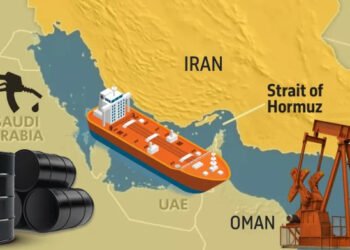 Middle East Crisis Escalates as Oil Routes Shake Markets
 One Nation Candidate’s Surprising Ties to Independents
 Anika Wells Repays Over £5,000 in Travel Claims
 Tensions Emerge in Netanyahu-Trump Alliance
 California Mayor Resigns Over Foreign Agent Charges
 Liberal Senator Criticises Immigration Rhetoric
 Hanson Stunner: Norway Model Sparking Energy Row
 Tony Abbott Returns as New Liberal Party President
 Tulsi Gabbard exits after turbulent intelligence tenure
 UK Urged to Build EU Rejoin Consensus, Says Miliband
 Zelenskyy warns over Oreshnik threat as Kyiv hit
 Discontent grows around Putin amid war strain
 Former ICC prosecutor condemns US sanctions
 Trump Weighs Retreat from Controversial $1.8bn Slush Fund
 Iran Prepares for Massive Six-Day Funeral for Khamenei
 Trump’s Mount Rushmore Speech: A Divisive Anniversary
 Iran Mourns: Millions at Khamenei’s Final Procession
 Starmer Braces for Nato Spending Clash in Ankara
 Trump Swaps Planes Amid Iran Tensions
 House Democrats Divided Over Israel Military Funding Bid
 Houthis Strike Saudi Arabia as Middle East Tensions Rise
 Taliban global ties grow as rights fears mount