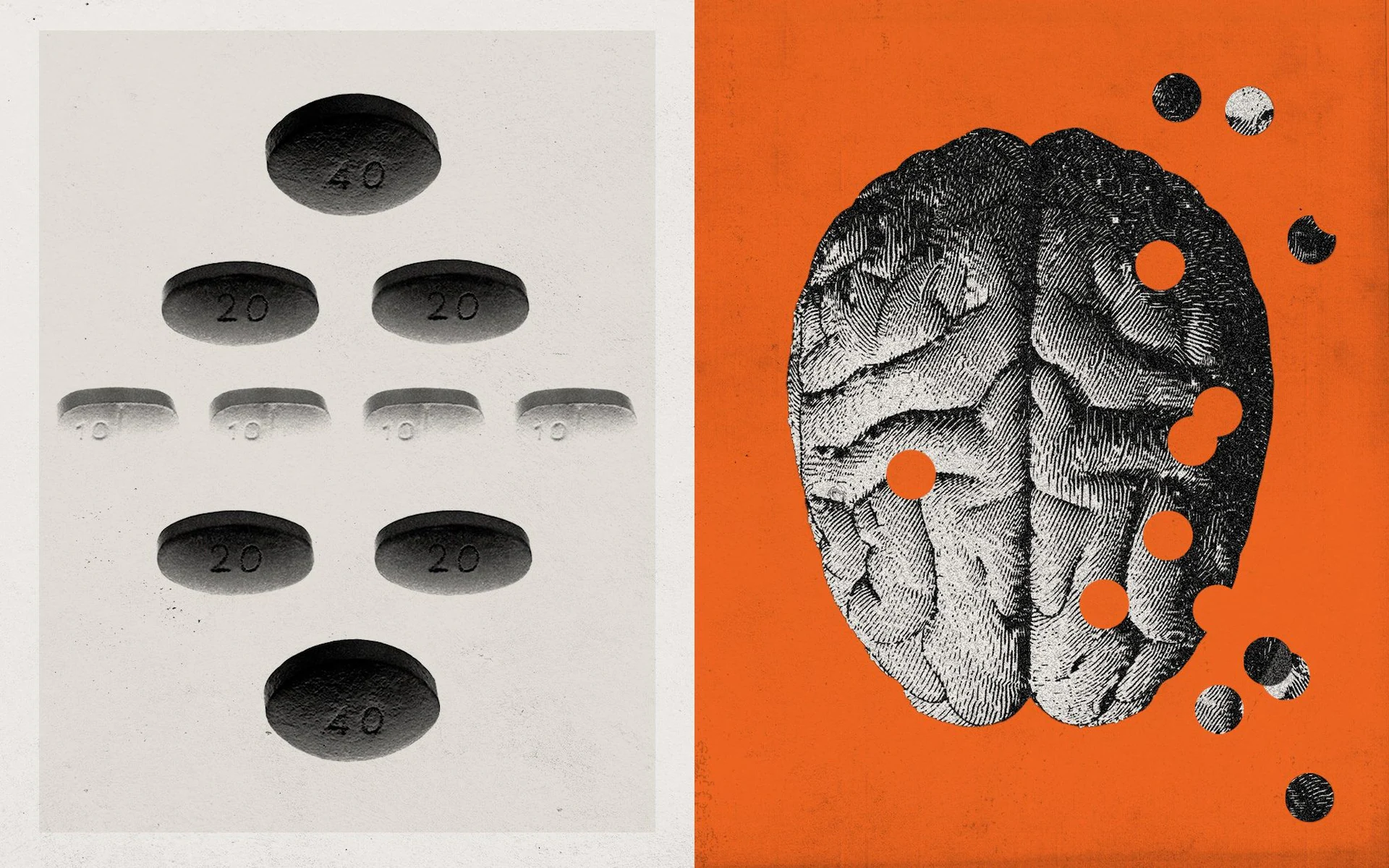
Statins are among the most commonly prescribed medications in the UK, taken by millions to reduce cholesterol levels and lower the risk of heart attacks and strokes. Yet despite their widespread use, concerns persist about their potential impact on memory and dementia.
From anecdotal reports of “brain fog” to alarming headlines linking statins to cognitive decline, many patients find themselves uncertain — and sometimes anxious — about whether the benefits of statins come at a cost to brain health. So what does the evidence actually say?
The truth, as medical experts emphasise, is far more nuanced than popular myths suggest.
Statins work by reducing levels of low-density lipoprotein (LDL) cholesterol — often referred to as “bad cholesterol” — in the blood. High LDL cholesterol is a major risk factor for cardiovascular disease, which remains one of the leading causes of death in the UK.
By lowering cholesterol, statins significantly reduce the risk of heart attacks, strokes, and other serious vascular events. For many patients, especially those with existing heart disease or diabetes, statins are life-saving medications.

Concerns about statins and memory first gained attention in the early 2000s, when some patients reported experiencing forgetfulness, confusion, or difficulty concentrating after starting treatment.
In response, regulatory agencies such as the UK’s Medicines and Healthcare products Regulatory Agency (MHRA) acknowledged rare reports of cognitive side effects, noting that these symptoms were generally mild and reversible after stopping the medication.
However, these early warnings were often misunderstood or exaggerated, leading to widespread fears that statins might cause long-term memory damage or even dementia.
Large-scale studies examining statins and cognitive function have consistently found no strong evidence that statins cause permanent memory loss.
In fact, most research suggests that any short-term memory issues reported by patients are uncommon and reversible. Clinical trials involving tens of thousands of participants have shown no significant difference in cognitive decline between those taking statins and those taking placebo treatments.
“The overwhelming body of evidence shows that statins do not increase the risk of dementia,” says Professor Robert Langley, a consultant cardiologist and researcher in cardiovascular medicine. “If anything, they may protect the brain by improving blood flow.”
One of the most persistent fears is that statins may contribute to dementia, including Alzheimer’s disease. Yet extensive research does not support this claim.
Several large observational studies have found either no association or a reduced risk of dementia among statin users. Some studies suggest that by reducing vascular damage — a key contributor to vascular dementia — statins may actually lower dementia risk in certain populations.
This is particularly relevant in the UK, where mixed dementia (a combination of Alzheimer’s disease and vascular dementia) is increasingly recognised.
The relationship between cholesterol and the brain is complex. Cholesterol plays a role in brain cell function, but the cholesterol produced in the brain is largely independent of cholesterol circulating in the bloodstream.
Statins primarily affect liver cholesterol production and have limited impact on cholesterol levels within the brain itself. This distinction is often overlooked in public discussions and contributes to misunderstandings about how statins might influence cognition.
Despite reassuring evidence, some patients do report changes in memory or concentration while taking statins. Experts believe several factors may explain this:
-
Nocebo effect: Expectation of side effects can increase symptom reporting.
-
Age-related cognitive changes: Many statin users are older, making it difficult to separate medication effects from natural ageing.
-
Underlying health conditions: Conditions such as diabetes, depression, or sleep disorders can affect memory.
-
Medication interactions: Statins taken alongside other drugs may contribute to temporary cognitive symptoms.
Importantly, these symptoms are not typically progressive and often improve with dose adjustments or switching to a different statin.
Not all statins are identical. Some are fat-soluble, while others are water-soluble, which affects how they move through the body.
There has been speculation that fat-soluble statins might cross the blood-brain barrier more easily, potentially influencing cognition. However, clinical evidence has not confirmed a meaningful difference in dementia risk between different types of statins.
Doctors may still tailor prescriptions based on individual tolerance, side effects, and medical history.
One of the greatest risks arises when patients stop taking statins without medical advice due to fear of memory loss. Studies show that discontinuing statins significantly increases the risk of heart attacks and strokes, particularly in high-risk individuals.
“Stopping statins can be far more dangerous than any unproven cognitive risk,” warns Dr Helen Morris, a GP with a special interest in cardiovascular prevention. “Patients should always speak to their doctor before making changes.”
Sensational headlines have played a major role in fuelling statin anxiety. Studies show that negative media coverage can lead to reduced adherence, resulting in measurable increases in cardiovascular events.
Health experts stress the importance of balanced reporting that reflects scientific consensus rather than isolated anecdotes.
Research into statins and brain health continues, with scientists exploring whether statins could even play a role in preventing certain types of dementia. While no definitive protective effect has been established, early findings are encouraging.
The NHS and academic institutions continue to monitor long-term outcomes, ensuring guidance remains evidence-based and patient-centred.
If you are taking statins and have concerns about memory or concentration:
-
Do not stop medication abruptly
-
Keep a symptom diary
-
Speak to your GP or pharmacist
-
Ask about alternative statins or dosage adjustments
-
Address other factors such as sleep, stress, and mental health
Shared decision-making remains central to effective treatment.
The truth about statins, memory and dementia is reassuring. The best available evidence shows no increased risk of dementia and no lasting memory damage linked to statin use.

For most patients, the cardiovascular benefits of statins far outweigh the small risk of temporary cognitive symptoms. Fear-driven decisions, often shaped by misinformation, pose a far greater threat to health than statins themselves.
As the UK population ages and dementia rates rise, clear, evidence-based guidance is essential. When it comes to statins, the science remains firmly on the side of their continued use — under medical supervision — as a cornerstone of heart and brain health.
Related News:
 Concerns Mount Over Accuracy of At-Home Health Tests as Study Calls for Stricter Regulation
 The Ketamine Crisis in the UK is a Silent Epidemic Leaving Users with Lifelong Pain
 UK Launches World-First Gonorrhoea Vaccine Amid Record Infection Surge
 Woman Warned She Might Need Leg Amputation to Survive After Liquid Brazilian Butt Lift
 AI Tools Used by English Councils Found to Downplay Women’s Health Issues, Raising Concerns Over Gender Bias in Care
 Cats Develop Dementia Similarly to Humans, Study Finds
 Alarming rise in abusive teen relationships in the UK sparks urgent warnings
 Inquest Finds Agency Worker Failings Led to Unlawful Death of Vulnerable 14-Year-Old
 Shocking Rise in Children’s Exposure to Violent Online Pornography Raises Alarm
 Baby Food Manufacturers Given 18 Months to Improve Nutrition and Labelling
 Why E-Bikes and E-Scooters Are Making Streets a ‘Nightmare’ for Blind People
 Millions in the UK at Higher Risk of Heart Failure and Stroke Due to Air Pollution, Study Warns
 Norfolk Hospital Ranked Worst in England as NHS League Tables Return
 NHS Trials £100 Blood Test That Could Revolutionise Alzheimer’s Diagnosis
 More Than Half of UK Births Now Involve Medical Intervention
 UK Graduates in Healthcare Report Highest Satisfaction with Degree Choices
 NHS ‘Toxic Culture’ Risks Harm to Mothers and Babies, Health Leader Warns
 Systemic Racism in Maternity Care Continues to Endanger Black Women in England, MPs Warn
 One in Three GPs in England Do Not Work in NHS, Raising Concerns Over Access to Care
UK Doctors Guilty of Sexual Misconduct Continue Practising Amid Weak Sanctions, Research Finds
One in Three GPs in England Do Not Work in NHS, Raising Concerns Over Access to Care
UK Doctors Guilty of Sexual Misconduct Continue Practising Amid Weak Sanctions, Research Finds
 Heavy Drinkers Lead Growth in Non-Alcoholic and Low-Alcohol Market
 Omeprazole Alert: NHS Issues Guidance on Safe Use for Heartburn and Indigestion
 Starmer Unveils Plan for NHS “Online Hospital” to Tackle Waiting Lists
 Tragic Death Strikes Half-Marathon in Stoke-on-Trent: Runner Dies Shortly After Crossing Finish Line
 Questions Remain as Rugby Legend Lewis Moody Faces Motor Neurone Disease Diagnosis
 Eligibility Confusion Over COVID Vaccination Leaves Pharmacies Struggling Across the UK
 Majority of UK Men Would Opt for Prostate Cancer Screening, Survey Finds
 Survey Shows Most GPs Rushing Appointments
 Ambulance Worker Fired After Flinging Amputee from Wheelchair and Offering Bribe
 Women Challenge Meta Over Targeted Ads After Miscarriage
 Mum’s Final Wish: Donating Her Body to Science
 Genetic Tests May Predict Return of Blood Cancer
 UK Woman Becomes Longest Survivor of Heart-Lung Transplant
£18 Prostate Cancer Test Could Save Thousands of Lives
UK Woman Becomes Longest Survivor of Heart-Lung Transplant
£18 Prostate Cancer Test Could Save Thousands of Lives
 Thousands in the UK sue Johnson & Johnson over alleged talcum powder, linked to cancer
 Pregnant Women in England Face Rising Risk of Severe Birth Injury
 ‘Game-Changing’ HIV Prevention Jab Set for NHS Approval
 One in 12 Secondary Pupils Sent to Isolation Weekly
 M&S and Morrisons Lead Christmas Supermarket Taste Test
New Prostate Cancer Drug Set to Halve Death Risk in England
M&S and Morrisons Lead Christmas Supermarket Taste Test
New Prostate Cancer Drug Set to Halve Death Risk in England
 UK Health Leaders Push for Urgent Tobacco & Vape Bill
 Man Trapped in Quicksand Rescued in Dramatic Coastal Rescue
 Hospice Cuts Raise Alarm Across England Amid Funding Crisis
 Celebrities and Charities Demand UK Government Act on Child Poverty
 Experts Warn on Home Birth Risks, Call for Skilled Midwives
 Patients to Test Health at Home to Ease NHS Winter Pressure
 London’s Childlessness Crisis: Schools Closing as Families Shrink
 Shouting Works Best to Deter Gulls, UK Study Finds
 Reeves rejects £1bn plea for NHS redundancy payouts
 Stroke Patient Mistaken for Drunk, Care Delayed
 UK launches major AI drive to fight deadly superbugs
 ‘Traumatic Wait’: Northern Ireland Women Face Breast Cancer Delays
 Welsh Government Christmas 2020 Lockdown Criticised
 Coffins Now Too Large to Cremate Amid Rising Obesity Crisis
 Five-Year-Old Dies After Rare Tonsil Surgery Complication
 Fibromyalgia Patients Struggle as NHS Fails to Provide Care
 “Enough is Enough”: Local MP Vows to Fight Rainham Quarry Plans
 More Patients Now Contacting GPs Online, Data Shows
 GPs Failing Frail Elderly: Only 1 in 6 Assessed – NAO
 NHS braces for worst winter crisis amid rising flu cases
 Ministers to back regulation of England’s funeral industry
 Teen Nicotine Pouch Use Sparks Growing Health Alarm
 AI Helps NHS Cut A&E Waiting Times This Winter
 Minor A&E Visits Surge Across England as Hospitals Face Pressure
 Children to Receive Home Vaccines as England Acts
 Salt Intake England: Crisps Comparison Sparks Health Alarm
 Local Fish Could Boost UK Health and Economy Significantly
 Offenders to Receive Health Support During Probation Appointments
 NHS Violence Crisis: Staff Face Daily Assaults
 Celebrity Campaign Highlights SMA Screening Failures
 Robo-Vaccination Could Transform Fight Against Bovine TB
 UK Glaucoma Rise Signals Looming Eye Health Crisis by 2060
 UK ADHD medication use triples over 13 years, landmark study finds
 Reform UK Health Plan ‘Would Cost £1.7bn’, Streeting Says
 NHS boosts bowel screening accuracy with FIT reform
 UK loses measles-free status amid deaths and jab decline
 Nottingham survivor warns of repeat attacks without mental health reform
 Study Finds One in Seven England Takeaways Are Dark Kitchens
 Deadly Cancer Postcode Lottery Limits NHS Care
 Pneumonia Surge Pushes England Emergency Cases Higher