Published: 10 February 2026. The English Chronicle Desk. The English Chronicle Online.
The latest corruption index has delivered a sobering message for two of the world’s most influential democracies. The United Kingdom and the United States have both fallen to their lowest recorded positions in the widely watched global corruption index, raising fresh concerns about political transparency and institutional trust. The new findings, compiled through expert assessments and business surveys, show a broader pattern of democratic strain and governance challenges across multiple regions.
Transparency International’s annual study reviewed perceptions of public sector integrity across 182 countries and territories this year. The corruption index ranks nations using a score out of one hundred, where higher values indicate cleaner governance systems. Denmark again secured the top position for integrity, while conflict-affected South Sudan remained at the bottom of the table. The gap between the highest and lowest performers continues to highlight deep structural differences in accountability frameworks.
Researchers behind the corruption index describe the overall global direction as negative, with more countries declining than improving. Only thirty-one nations recorded score increases, while fifty registered measurable deterioration compared with the previous cycle. Analysts say this imbalance reflects growing pressure on oversight bodies, weaker enforcement, and rising tolerance for blurred ethical boundaries in politics and administration. Established democracies are no longer insulated from this downward drift.

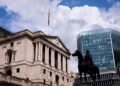
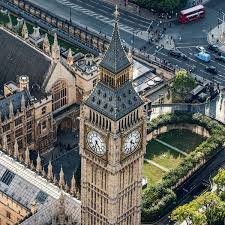
The United Kingdom’s position has gradually weakened over the past decade, according to the corruption index trend data. Once ranked among the top ten least corrupt systems, Britain has now dropped to twentieth place with a score of seventy. That figure represents a small numerical fall from last year, yet experts stress that the long-term slide matters more than a single-year shift. Repeated ethical controversies have damaged international perceptions of British governance standards.
Transparency specialists point to the expanding role of high-value political donations in shaping these perceptions within the corruption index framework. Record levels of campaign spending during the recent general election cycle increased dependence on wealthy individual donors. Observers highlighted large contributions to major parties and the debate around donor access to senior political figures. These patterns, while legal in many cases, still affect how integrity risks are viewed internationally.
Attention has also focused on reported links between major donors and privileged institutional access in Westminster circles. Cases involving prominent political supporters receiving honours or special passes triggered renewed public debate about fairness and influence. Ethics monitors argue that even when rules are technically followed, public confidence can still suffer visible damage. Perception plays a decisive role in how each country scores within the corruption index model.
The United States also recorded its weakest performance to date, slipping one place to twenty-ninth position overall. Its current score stands at sixty-four, placing it below several smaller European states that previously ranked lower. The corruption index authors warn that further decline is possible if recent governance disputes continue unresolved. They note increasing concern around conflicts of interest, politicised oversight decisions, and pressure on independent watchdog institutions.
Events connected to the current presidential era were referenced as potential risk factors in the corruption index narrative. Researchers cited actions seen as hostile toward investigative bodies, non-government organisations, and critical media outlets. Concerns were also raised about transactional political culture and blurred boundaries between public duty and private loyalty. Such dynamics tend to lower confidence in impartial state functioning over time.
Across the wider table, only seven countries achieved scores above eighty, marking very strong perceived integrity levels. Denmark led again, followed closely by Finland, Singapore, New Zealand, Norway, Sweden, and Switzerland. These nations typically combine strict disclosure rules with robust enforcement and open government data practices. Their consistent performance shows that long-term policy discipline can stabilise corruption risk perceptions internationally.
At the lower end, fragile states and conflict zones remain heavily represented among the weakest scorers in the corruption index. South Sudan and Somalia share the last position, with Venezuela, Yemen, and Libya close above them. Ongoing instability, limited institutional capacity, and weak judicial independence contribute strongly to these outcomes. Anti-corruption reform proves hardest where basic governance systems remain under severe strain.
Transparency International’s leadership warned that democratic backsliding is no longer confined to newer political systems alone. According to senior figures, established democracies now show vulnerability to donor influence, revolving-door appointments, and opaque lobbying networks. They argue that without stronger safeguards, today’s gradual erosion could become tomorrow’s embedded political culture. Restoring trust requires visible enforcement and meaningful transparency reforms rather than symbolic adjustments.
British authorities responded by pointing to current and planned measures designed to strengthen standards in public life. These include proposals to tighten lobbying rules, expand investigative capacity, and create removal mechanisms for disgraced office holders. Officials say additional funding has been directed toward specialist anti-corruption enforcement units operating domestically. The stated aim is to pursue corrupt actors more aggressively and protect public funds more effectively.

Policy observers note that enforcement resources alone may not fully reverse negative corruption index perceptions without cultural change. Clearer donation limits, faster disclosure systems, and independent ethics oversight are often cited as complementary solutions. Public access to decision-making records also plays a significant role in improving credibility scores. International experience suggests that transparency must be both structural and continuous to shift perception metrics.
Business leaders following the corruption index results say governance reputation increasingly affects investment and partnership decisions. Countries seen as predictable and clean tend to attract more stable long-term commercial engagement. By contrast, perceived opacity raises risk premiums and discourages cautious investors from entering certain markets. Integrity ratings therefore carry economic consequences alongside political and social meaning.
The report concludes that global governance stands at a delicate moment shaped by geopolitical tension and domestic polarisation. Armed conflicts, economic shocks, and climate pressures are testing institutional resilience across many regions simultaneously. In that environment, watchdog independence and accountable leadership become even more critical than before. The corruption index serves as a warning signal as much as a comparative scoreboard.
Experts stress that perception-based measures are not perfect, yet they remain valuable early indicators of trust erosion. When multiple survey sources align in a downward direction, reform urgency typically increases. For both the UK and the US, the message is not about sudden collapse but steady reputational weakening. Whether that trend reverses will depend on transparency choices made in the coming years.
Related News:
 British Woman in Iran ‘Losing Hope’ Amid Ongoing Detention
 BBC to Apologise Over Edited Trump Speech Amid Backlash
 Britain deploys RAF specialists to assist Belgium with drone threats
 US Justice Department Files Lawsuit Against California Over Partisan Voting Maps
 Greene Pushes Epstein Files Amid Trump Fallout
 Trump Deploys DHS to Charlotte in Major Arrest Operation
 December Run-Off in Chile as Election Produces No Winner
 Canada Passes Carney’s First Budget in Tight Parliamentary Vote
 Shadow Fleet at Sea: Europe’s Battle Against Illicit Oil Shipping
 Pentagon Officials in Ukraine to Discuss War End
 Venezuela Threatens Nobel Winner Machado with Fugitive Status
 Georgians Defy Government Crackdown After Year of Protests
 India’s Labour Law Overhaul Sparks Fierce Debate
 EU plans $105bn Ukraine aid using frozen Russian assets
 Global campaign launched to free Palestinian leader Barghouti
 Trump Policies Boost China’s Global Rise, Survey Finds
 Iran unrest slows under brutal crackdown and global tensions
 Pentagon Signals Reduced Role in Deterring North Korea
 Thousands Protest ICE Operations in Nationwide US Day of Action
 Epstein Files Reveal Trump Officials’ Emails with Financier
 Starmer Condemns ‘Depraved’ Russian Strikes on Ukraine
 Herzog visit sparks protests across Australian cities
 Sydney Protest Escalates and Elderly Woman Suffers Severe Injury
 Tarique Rahman’s Rise Toward Bangladesh’s Top Job
 Glass Cliff Debate After Ley’s Ouster
 Japan Seizes Chinese Boat Amid Rising Tensions
 AFP Reviews Pauline Hanson Comments
 Duterte ICC Hearing Begins Amid Defiance
 Trump Tariffs Threat Spark UK and EU Alarm
 Difficult Grace Tame Label Ignites Fury and Debate Down Under
 The Dangerous Rise of Remigration Across Modern Europe
 Trump’s Marathon Speech Fails to Mask a Growing National Disconnect
 US to offer passport services in West Bank settlements
 Clinton Testimony Erupts in Fiery Exchange
 Health Funding Row Rocks US‑Africa Relations
 New UK-EU Reset Faces Criticism from Parliament
 Cuba charges six exiles for terrorism after speedboat raid
 US and Ecuadorian Forces Strike Drug Cartels Together
 Mojtaba Khamenei Chosen as Iran’s New Supreme Leader
 Mojtaba Khamenei Supporters Rally as Iranians Fear Repression
 Iran Defiance Grows Amid US-Israel War Pressure
 US Strikes on Iran Set for Most Intense Day Yet
 Iran Nuclear Stockpile Sparks US Special Forces Debate
 Queensland Protest Ban Sparks First Arrests
 China’s Ethnic Unity Law Set to Reshape Minority Schools
 Moscow Internet Blackouts Raise Censorship Fears
 Republicans Rebuke FCC Threat Over Iran War Coverage
 Oil Prices Surge as IEA Weighs Emergency Release
 Trump Nato threats expose Iran strategy vacuum
 UK Minister Denies Iran Missile Threat to Britain
 Danish Election Deadlock Shakes Frederiksen’s Grip
 Trump to Visit China in May After Iran War Delay
 Pope Rebukes Leaders for War as Middle East Tensions Rise
 Trump to Deploy “God Squad” Over Gulf Wildlife Protections
 Army Probes Apache Flyover at Kid Rock’s Nashville Estate
 Italian Town Buys Mussolini Villa to Keep Away Fascist Fans
 Report Says Pezzullo Acted ‘Recklessly’ in Dealings
 Trump Employs Nixon’s Madman Theory Amid Iran Crisis
 Trump Voices Frustration Over Nato Role in Iran Conflict
 Hungary election: Orbán faces biggest test amid scandal
 Suspected Plot Targets Pipeline Before Hungary Vote
 Trump Slams UK Ties and Threatens To Rewrite Trade Deal
 Capitalism ‘Suicidal’, Warns Petro at Climate Summit
 Judge halts deportation of Yemeni refugees in US
 Trump approval plunges amid Iran war fears
 Ohio’s Battle for Trust: Democrats Vying to Flip the Buckeye State
 US ‘Narco Boat’ Strikes Draw Global Outcry
 Afghan Families Left in Limbo Face Risk of Deportation
 Tensions Emerge in Netanyahu-Trump Alliance
 US Awaits Iran Reply on New Ceasefire Proposal
 Hormuz Talks Near Critical Stage
 Discontent grows around Putin amid war strain
 Starmer Leadership Under Pressure After Setbacks
 House Curbs Trump’s War Powers in Rare Rebellion
 Germany Summons Chinese Envoy Over Russian Troop Training
 New South Wales Premier Chris Minns Signals Tough Road Ahead for Labor
 Le Pen to Run for President Despite Embezzlement Conviction
 Ukraine Creates Long-Range Strike Command
 Le Pen’s Popularity Holds Despite Conviction
 Houthis Strike Saudi Arabia as Middle East Tensions Rise