Published: 17 February 2025. The English Chronicle Desk. The English Chronicle Online
Australia is confronting deep questions about civil liberties and policing after dramatic scenes at pro-Palestine protests in Sydney and other cities, where demonstrators describe being met with aggressive force by police that many witnesses call disproportionate and frightening. The clashes erupted against the backdrop of Israeli President Isaac Herzog’s recent visit and have sparked widespread scrutiny of law enforcement tactics and the rights of Australians to protest.
Legal observer Rebecca Payne, standing on the edge of a crowd in Sydney on February 9, recounted a moment that encapsulated the shock felt by many. Wearing a fluorescent vest, she said she was unexpectedly pepper-sprayed by police with capsicum spray — a chemical irritant — without warning. “I literally could not see a thing,” Payne said, describing how the spray hit her eyes and face, causing pain and temporary blindness. “It was absolutely terrifying … shock, then fear.”

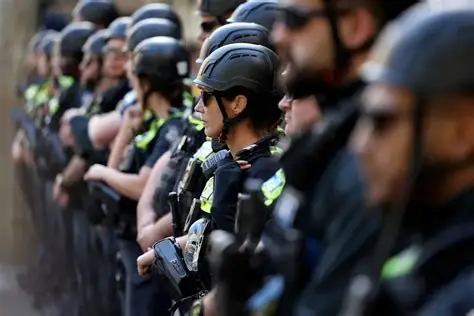
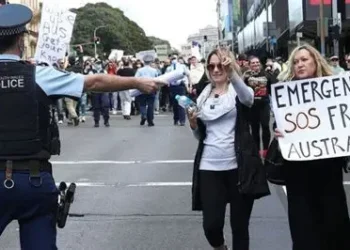
The protest, organised to oppose Herzog’s visit and to call attention to civilian deaths in Gaza, quickly descended into clashes between police and demonstrators, with videos shared on social media showing scenes of officers punching individuals on the ground, pushing back crowds and dispersing people who were reportedly complying with directions. Human Rights Watch and other rights groups have raised concerns about the use of force, suggesting that officers may have crossed the line from crowd control into outright repression.
New South Wales police and authorities defended their actions, saying that 27 people were arrested — nine of whom were later charged — and that officers had been outnumbered and faced aggressive behaviour from some in the crowd. Assistant Commissioner Peter McKenna said that officers were forced to act amid “meleés” and “rolling fights” and insisted that police showed “remarkable restraint.”
NSW Police Commissioner Mal Lanyon invoked expanded powers under a “major event” declaration during Herzog’s visit, which gave officers additional authority to limit assemblies — powers now under independent investigation by the state Law Enforcement Conduct Commission (LECC). Officials say the restrictions, now lifted following the end of Herzog’s trip, were intended to maintain public safety and prevent unrest, though critics argue they trampled on fundamental democratic rights.
The backlash extends beyond immediate arrests and injuries. Amnesty International Australia described the police response as “unnecessary and disproportionate,” particularly in incidents where people praying or standing peacefully were struck by officers or sprayed at close range. The organisation called for law enforcement to protect the right to protest rather than suppress it.
Civil rights advocates and legal observers also note that Australia’s use of force at these rallies is part of a broader trend. Research by groups such as the Australian Democracy Network points to increasing deployment of pepper spray and other crowd-control measures at protests over recent years, often leaving demonstrators with treatable but real injuries including bruises, sprains and eye irritation.
Politicians are sharply divided. NSW Premier Chris Minns defended police amid criticism, urging the public not to judge actions based on brief social media clips and saying officers acted amid a “very difficult situation.” Federal leaders have called for calm while also affirming the importance of peaceful protest.

The protests come after Australia recognised a Palestinian state in 2025 and amid wider domestic debate about political expression, free speech and the boundaries of lawful dissent. Some legal challenges, including one brought by the Palestine Action Group against extra police powers, have already failed in court, leaving campaigners to explore other avenues to challenge what they see as unlawful restrictions on assembly.
Observers say the events mark a watershed moment for Australian civil liberties, with many calling for clearer guidelines on the policing of protests and stronger independent oversight to prevent future clashes. For protesters and rights advocates, the scenes of violence and fear will linger long after the crowds have dispersed — a stark reminder that the right to peaceful demonstration remains a fragile and fiercely contested part of democratic life.
Related News:
 Sydney Shark Attack Surge Shocks Australia Beaches
 Coalition crisis deepens after Nationals frontbench resignations
 Andrew Hastie Emerges as Leadership Rival to Ley
 Christchurch Shooter Seeks to Overturn Guilty Plea in Appeals Court
 Australia Police Defend Actions After Violence at Protest Over Israeli President Visit
 Kinnock’s Rebuke Echoes Loudly as Corbyn Allies Launch Left-Wing Breakaway: “A Gift to Farage”
 Trump Administration Dismisses 17 Immigration Judges, Sparking Debate Over Judicial Independence
 England’s Euro Odyssey: A Tale of Grit, Glory and the Lionesses’ Miraculous March to the Final
 UK Must Act with Courage and Clarity on Israel-Palestine Conflict, Says Foreign Affairs Committee Report
 Northern Ireland Family of Three Shot Dead in Maguiresbridge Home Incident
 Seventeen Dead as Russia Targets Ukrainian Prison in Devastating Airstrike
 Tottenham Takes On Newcastle
 Gen Z Embraces the Big, Bold ‘Fake’ Indian Wedding Party Trend
 Trump Threatens 100% Tariff on Nations Importing Russian Oil Amid India Standoff Over Ukraine War
 Radioactive Leak at UK’s Nuclear Warhead Base Sparks Outcry Over Safety and Secrecy
 Mutual Inconvenience: Why Alaska Was Chosen for the Trump-Putin Summit on Ukraine
 China’s crackdown on civil servant perks sparks economic concerns
 Terence Stamp, ’60s British Film Legend and Star of Superman, Dies at 87
 Hong Kong Summons UK and Australian Envoys Following Asylum Grants to Democracy Activists
 Is the UK Ready to Put Boots on the Ground in Ukraine? Assessing Military Capacity and Challenges
 Costa Blanca Holiday Horror as Food Poisoning Outbreak Hits Four-Star Hotel
 Shein UK Faces Allegations of Shifting Majority of Profits to Singapore to Reduce UK Tax
 Conservative Influencer Charlie Kirk Fatally Shot During University Debate
 Channel Crossings Surge: Over 1,000 People Arrive in the UK in Small Boats in a Single Day
 Widow of Charlie Kirk Forgives Killer at Emotional Memorial Service
 Las Vegas Faces Decline as Rising Costs Drive Tourists Away
 Public Executions in Gaza City Captured on Video Amid Ongoing Conflict
 Macron Phones Trump Over Traffic Jam in New York
 Comey Indictment Deepens Fears of Political Retribution Under Trump
 Google at 27: The Untold Story of Ruth Kedar, the Woman Behind the Iconic Logo
 Yvette Cooper Signals Global Momentum Towards Gaza Peace Deal Amid Humanitarian Crisis
 “It Was Very Tough, But I Love Life”: Former Israeli Hostage Rebuilds Life After Family Killed by Hamas
 Chaos at Ibrox as Martin’s Rangers Era Comes to an End
 Nobel Prize Honours Pioneers Behind Materials That Could Heal the Planet
 Trump Claims Modi Has Agreed to Halt Russian Oil Imports Amid Heightened US Pressure
 Russia’s Latest Push to Win US Favors Shows Deep Desperation
 I’m a Celebrity 2025 line-up revealed: Osbourne joins
 BBC to Apologise Over Edited Trump Speech Amid Backlash
 Britain deploys RAF specialists to assist Belgium with drone threats
 Palace May Restore Hyphen to Andrew Mountbatten-Windsor’s Name
 Trump Urges Herzog to Grant Netanyahu Full Pardon
 Indian authorities demolish Kashmir home linked to Red Fort blast
 Greene Pushes Epstein Files Amid Trump Fallout
 December Run-Off in Chile as Election Produces No Winner
 Zelenskyy Signs Fighter Jet Deal Amid Russian Drone Attacks
 Canada Passes Carney’s First Budget in Tight Parliamentary Vote
 Shadow Fleet at Sea: Europe’s Battle Against Illicit Oil Shipping
 Tiny Curacao Makes History as Smallest Nation to Reach World Cup
 Deadly Russian Strikes Hit Western Ukraine, 20 Killed in Ternopil
 Ukraine Peace Plan: Zelensky Ready for Dialogue
 India’s COP30 Delay Raises Global Climate Concerns
 Royal Navy Shadows Russian Warships Entering the Channel
 Trump EPA Moves to Roll Back Soot Pollution Limits
 US Suspends Afghan Immigration After White House Shooting
 Georgians Defy Government Crackdown After Year of Protests
 Tokyo court rules Japan’s same-sex marriage ban constitutional
 ‘Extinct’ Antelope Returns to Sahara, Bringing Hope
 American Mother Extradited From UK to U.S. on Murder Charges
 Facebook Slow to Remove Bondi Attack Praise, Anti-Hate Group Claims
 Albanese Opens Door to Bondi Royal Commission Amid Rising Pressure
 Iran Protesters Defy Crackdown as Violent Clashes Intensify
 Trump Weighs Response to Iran Crackdown as Tehran Says Communication Open With US
 US Clears Nvidia AI Chip Sales to China in Policy Shift
 Gulf states warn Trump Iran strikes risk wider Middle East war
 EU weighs response amid Greenland tariff crisis with Trump
 NSW Shark Attacks Surge, Authorities Urge Swimmers to Stay Out
 Sussan Ley leadership milestone shakes Liberal future
 Deadly NSW Shooting Leaves Three Dead, Gunman Escapes
 EU Says US Ties Have Suffered ‘Big Blow’ After Greenland Crisis
 Videos reveal earlier clash before Alex Pretti shooting
 UK New Car Discounts Near £6,000 as Prices Are Slashed
 Israel Moves to Bar MSF From Gaza Operations
 Tragic Ski Lift Accident Claims Australian Snowboarder
 Australia’s Opposition Coalition Reunites After Rift
 Portugal Election Delivers Socialist Win as Far Right Surges
 After the Landslide: Can India Reset Ties with BNP Bangladesh?
 Claims Navalny Was Killed by Frog Toxin Spark Debate
 Australian Families Leave Syrian Camp for Home
 SA Police Intensify Search in Gus Lamont Case
 Starmer Weighs Fast-Tracking Defence Boost