Published: 20 February 2026. The English Chronicle Desk. The English Chronicle Online.
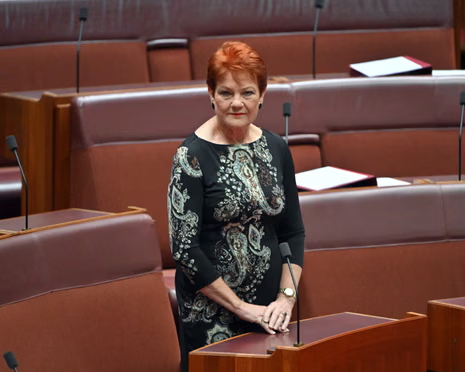
The Australian Federal Police have confirmed they received reports of a crime after Pauline Hanson comments about Muslims sparked national outrage. The development has intensified debate across Australia and drawn international attention, including from observers in the United Kingdom. Officials stopped short of confirming whether a formal criminal investigation has begun. However, the acknowledgement that Pauline Hanson comments are under review marks a significant escalation in the controversy.
An AFP spokesperson said the agency was aware of remarks made during a media interview earlier this week. The spokesperson added that reports alleging criminal conduct had been received. Further comment, they said, would be provided at an appropriate time. That careful wording has fuelled speculation about potential legal consequences.
The remarks in question were made by Pauline Hanson during a discussion on Sky News Australia. She was speaking about Australian women and children stranded in Syria. During the segment, Hanson questioned whether there were “good Muslims” and suggested doubt about the broader community. The Pauline Hanson comments quickly circulated across social media platforms.
Community leaders reacted swiftly and with visible concern. Bilal El-Hayek, mayor of Canterbury Bankstown in western Sydney, called the remarks highly inflammatory. He argued that existing hate speech laws were clear about public incitement of hatred and violence. In his view, Pauline Hanson comments risked crossing a legal threshold.

Canterbury Bankstown is one of Australia’s most diverse council areas. According to the 2021 census, more than 23 percent of residents identify as Muslim. El-Hayek said the comments targeted Muslim people directly. He warned that such rhetoric could encourage individuals inclined toward hostility.
The controversy unfolded during a sensitive period for Muslim communities. Lakemba, a suburb within Canterbury Bankstown, was also mentioned by Hanson. She suggested people feel unwanted in the area. Many residents rejected that portrayal as misleading and harmful.
Lakemba is home to one of Australia’s largest mosques. In recent weeks, the mosque received threatening letters ahead of the first night of Ramadan prayers. New South Wales police confirmed they were investigating the incidents. A man has already been charged over a letter sent earlier in January.
Local leaders have drawn connections between heightened rhetoric and community anxiety. While no direct link has been established, timing has heightened fears. The Pauline Hanson comments emerged just as worshippers prepared for Islam’s holiest month. For many families, that overlap felt deeply unsettling.
Legal experts have weighed in on possible consequences. Simon Rice, a professor at the University of Sydney, explained that hate speech laws vary by jurisdiction. He noted that comments broadcast publicly can be prosecuted where they are received. However, he cautioned that such cases are difficult to prove.
Under New South Wales law, publicly threatening or inciting violence against a group based on religion is a criminal offence. Recent legislative changes also criminalise the incitement of hatred on racial grounds. Whether Pauline Hanson comments meet that threshold remains uncertain. Investigators would need to demonstrate intent and a clear link to potential harm.
Rice said it was appropriate for police to examine the matter carefully. Yet he stressed that laying charges is a separate question entirely. Civil avenues also exist under federal and state anti-discrimination legislation. Individuals can lodge complaints if they believe they have been subjected to unlawful discrimination.
There is precedent for legal challenges involving Hanson. Mehreen Faruqi previously succeeded in a racial discrimination case against her. That case underscored how political speech can face judicial scrutiny. It also illustrated the fine line between free expression and unlawful vilification.
Political responses have been mixed but largely critical. Angus Taylor said he did not agree with the remarks. He emphasised the importance of protecting shared national values without targeting specific faith communities. His comments signalled distance from the One Nation leader.
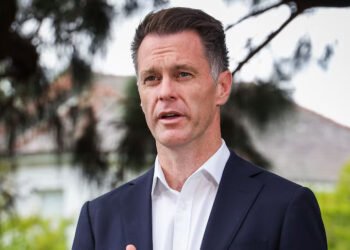
Prime Minister Anthony Albanese also addressed the issue this week. He suggested inflammatory language can contribute to an environment where threats become more likely. Meanwhile, New South Wales premier Chris Minns said such remarks may have inflamed tensions. Both leaders called for measured public discourse.
Hanson later offered what she described as a conditional apology. She said she was sorry if she had offended people who did not support extremist interpretations of Islam. Critics argued that the apology reinforced the original generalisations. Supporters maintained she was raising legitimate security concerns.
The debate touches on broader questions about freedom of speech. Australia, like the United Kingdom, balances robust political debate with protections against hate speech. Courts often examine context, intent, and impact. In cases involving religion, emotions can run particularly high.
Observers note that political rhetoric has grown sharper in recent years. Social media amplifies controversial statements within minutes. That amplification can intensify public reaction and polarisation. The Pauline Hanson comments spread rapidly across digital platforms, sparking global discussion.
For Muslim Australians, the episode has revived longstanding concerns. Many say they feel unfairly scrutinised during security debates. Community advocates stress the importance of distinguishing extremist groups from ordinary worshippers. They argue collective blame undermines social cohesion.

At the same time, supporters of Hanson insist she reflects anxieties held by some voters. They contend that difficult conversations about integration should not be silenced. Yet critics counter that sweeping statements risk alienating entire communities. The tension between those positions lies at the heart of this controversy.
The AFP’s careful wording suggests investigators are proceeding cautiously. By confirming receipt of crime reports, they acknowledged seriousness without presuming guilt. Any decision to prosecute would likely attract further national scrutiny. The outcome may shape future debates on political speech.
International observers, including readers in Britain, are watching closely. The United Kingdom has its own complex history of balancing free expression and religious protection. Developments in Australia often resonate within wider Commonwealth discussions. That shared legal heritage adds relevance for UK audiences.
For now, the focus remains on whether Pauline Hanson comments breach existing law. Police will assess evidence, legal standards, and potential public harm. Community leaders continue urging calm and mutual respect. Many hope the episode prompts reflection rather than division.
In Lakemba and beyond, daily life continues amid uncertainty. Mosque leaders have called for unity during Ramadan. They encourage worshippers to respond with patience and resilience. Across Australia, many citizens are reflecting on the responsibilities that accompany political speech.
The coming weeks may determine whether this controversy remains rhetorical or enters the courtroom. Whatever the legal outcome, the episode has highlighted fragile community relations. It has also underscored how words spoken on television can echo far beyond the studio.
Related News:
 BBC to Apologise Over Edited Trump Speech Amid Backlash
 Britain deploys RAF specialists to assist Belgium with drone threats
 US Justice Department Files Lawsuit Against California Over Partisan Voting Maps
 Greene Pushes Epstein Files Amid Trump Fallout
 Trump Deploys DHS to Charlotte in Major Arrest Operation
 December Run-Off in Chile as Election Produces No Winner
 Canada Passes Carney’s First Budget in Tight Parliamentary Vote
 Shadow Fleet at Sea: Europe’s Battle Against Illicit Oil Shipping
 Pentagon Officials in Ukraine to Discuss War End
 Venezuela Threatens Nobel Winner Machado with Fugitive Status
 Georgians Defy Government Crackdown After Year of Protests
 India’s Labour Law Overhaul Sparks Fierce Debate
 EU plans $105bn Ukraine aid using frozen Russian assets
 Global campaign launched to free Palestinian leader Barghouti
 Trump Policies Boost China’s Global Rise, Survey Finds
 Iran unrest slows under brutal crackdown and global tensions
 Pentagon Signals Reduced Role in Deterring North Korea
 Thousands Protest ICE Operations in Nationwide US Day of Action
 Epstein Files Reveal Trump Officials’ Emails with Financier
 Starmer Condemns ‘Depraved’ Russian Strikes on Ukraine
 Herzog visit sparks protests across Australian cities
 UK and US Drop in Global Corruption Index Rankings
 Sydney Protest Escalates and Elderly Woman Suffers Severe Injury
 Tarique Rahman’s Rise Toward Bangladesh’s Top Job
 Glass Cliff Debate After Ley’s Ouster
 Canberra Poster Seizure Sparks Free Speech Row
 Evo Morales Returns After Mysterious Absence
 Duterte ICC Hearing Begins Amid Defiance
 Trump Tariffs Threat Spark UK and EU Alarm
 Difficult Grace Tame Label Ignites Fury and Debate Down Under
 The Dangerous Rise of Remigration Across Modern Europe
 Trump’s Marathon Speech Fails to Mask a Growing National Disconnect
 US to offer passport services in West Bank settlements
 Clinton Testimony Erupts in Fiery Exchange
 Health Funding Row Rocks US‑Africa Relations
 New UK-EU Reset Faces Criticism from Parliament
 Cuba charges six exiles for terrorism after speedboat raid
 US and Ecuadorian Forces Strike Drug Cartels Together
 Mojtaba Khamenei Chosen as Iran’s New Supreme Leader
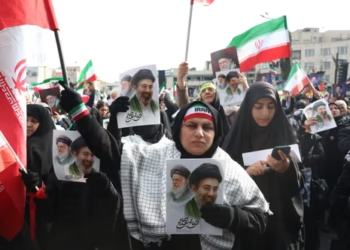 Mojtaba Khamenei Supporters Rally as Iranians Fear Repression
 Iran Defiance Grows Amid US-Israel War Pressure
 US Strikes on Iran Set for Most Intense Day Yet
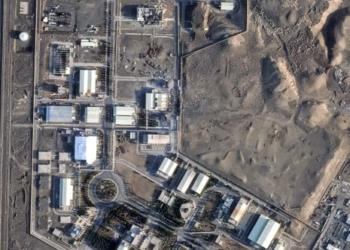 Iran Nuclear Stockpile Sparks US Special Forces Debate
 Queensland Protest Ban Sparks First Arrests
 China’s Ethnic Unity Law Set to Reshape Minority Schools
 Moscow Internet Blackouts Raise Censorship Fears
 Republicans Rebuke FCC Threat Over Iran War Coverage
 Oil Prices Surge as IEA Weighs Emergency Release
 Trump Nato threats expose Iran strategy vacuum
 UK Minister Denies Iran Missile Threat to Britain
 Danish Election Deadlock Shakes Frederiksen’s Grip
 Trump to Visit China in May After Iran War Delay
 Pope Rebukes Leaders for War as Middle East Tensions Rise
 Trump to Deploy “God Squad” Over Gulf Wildlife Protections
 Army Probes Apache Flyover at Kid Rock’s Nashville Estate
 Italian Town Buys Mussolini Villa to Keep Away Fascist Fans
 Report Says Pezzullo Acted ‘Recklessly’ in Dealings
 Trump Employs Nixon’s Madman Theory Amid Iran Crisis
 Trump Voices Frustration Over Nato Role in Iran Conflict
 Hungary election: Orbán faces biggest test amid scandal
 Suspected Plot Targets Pipeline Before Hungary Vote
 Trump Slams UK Ties and Threatens To Rewrite Trade Deal
 Capitalism ‘Suicidal’, Warns Petro at Climate Summit
 Judge halts deportation of Yemeni refugees in US
 Trump approval plunges amid Iran war fears
 Ohio’s Battle for Trust: Democrats Vying to Flip the Buckeye State
 US ‘Narco Boat’ Strikes Draw Global Outcry
 Afghan Families Left in Limbo Face Risk of Deportation
 Tensions Emerge in Netanyahu-Trump Alliance
 US Awaits Iran Reply on New Ceasefire Proposal
 Hormuz Talks Near Critical Stage
 Discontent grows around Putin amid war strain
 Starmer Leadership Under Pressure After Setbacks
 House Curbs Trump’s War Powers in Rare Rebellion
 Germany Summons Chinese Envoy Over Russian Troop Training
 New South Wales Premier Chris Minns Signals Tough Road Ahead for Labor
 Le Pen to Run for President Despite Embezzlement Conviction
 Ukraine Creates Long-Range Strike Command
 Le Pen’s Popularity Holds Despite Conviction
 Houthis Strike Saudi Arabia as Middle East Tensions Rise