Published: 20 February 2026. The English Chronicle Desk. The English Chronicle Online
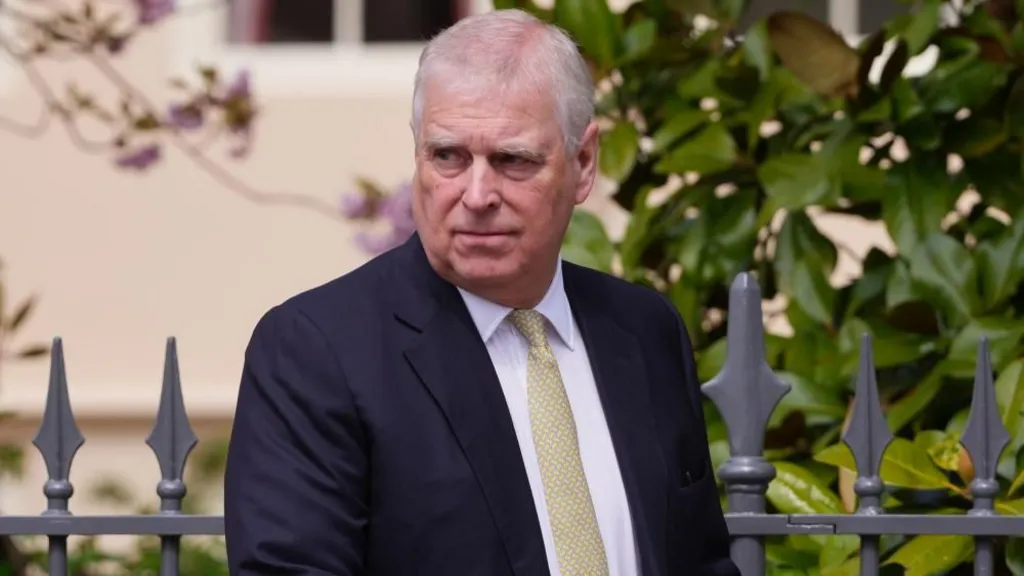
The recent arrest of Andrew Mountbatten‑Windsor, formerly known as Prince Andrew, on suspicion of misconduct in public office has sent ripples through British society — and legal experts warn that the Jeffrey Epstein files that sparked the inquiry may be only the beginning of what investigators uncover.
Andrew was detained in February after UK police followed leads emerging from a massive release of documents tied to Epstein, the late convicted sex offender whose sprawling network of influence and secrecy has dominated headlines. The files, released by the US Department of Justice under the Epstein Files Transparency Act, contain millions of pages of correspondence, administrative records and other material. Much of it is still being combed through by law enforcement on both sides of the Atlantic.

Thames Valley Police have said Andrew’s arrest stems from alleged sharing of confidential government documents with Epstein during his tenure as the UK’s special trade envoy — a role that afforded access to diplomatic cables and sensitive economic information. These disclosures will now undergo further forensic examination as part of the misconduct investigation.
However, law enforcement officials and analysts caution that the portion of the files publicly released so far represents just a small fraction of the total material in government hands. As only about 3.5 million pages have been disclosed, a significant volume of information remains unavailable to the public — and investigators are continuing to assess additional records that may be sealed or still under review.
Police forces across the United Kingdom have established a national coordination group to evaluate allegations revealed by the release, indicating that this is not an isolated inquiry. Forces including Thames Valley, Metropolitan and others are assessing information around Epstein’s use of UK airports, private flights allegedly linked to trafficking, and other elements that extend beyond Andrew alone.
The fact that multiple police jurisdictions are involved underscores the complexity and potential breadth of the case. Investigators must sift through dense documents involving finance, private correspondence, travel logs and property records, often involving individuals who have previously evaded scrutiny. Legal experts note that proving criminal misconduct — particularly in public office — requires a high standard of evidence. But the volume and variety of the Epstein files may provide leads that go well beyond the initial allegations.
For Andrew, the stakes are high. While he has been released under investigation with no formal charges yet filed, the ongoing inquiry means police can continue gathering and reviewing evidence. Misconduct in public office, if proven, carries serious penalties under UK law.
Observers also caution that new revelations could intensify pressure on other public figures named in the files, particularly if evidence of wrongdoing emerges. The sheer scale of the Epstein file trove — multiple millions of pages and growing — means that further connections and allegations may be uncovered in the coming months, potentially widening the scope of investigations both in Britain and abroad.

While the files have already prompted high‑profile consequences, including Andrew’s arrest and deeper public scrutiny of his past conduct, legal analysts say it may be premature to judge the full impact. As police continue to analyse both public and yet‑to‑be‑released material, the Epstein files could indeed prove just the tip of the iceberg in a series of inquiries that test the reach of justice and the extent of elite accountability.
Related News:
 Tragedy Hits Manhattan as Police Officer Among Four Dead in Midtown Office Shooting
 Northern Ireland Family of Three Shot Dead in Maguiresbridge Home Incident
 A Fugitive’s Double Life Uncovered: My Interview with Nicholas Rossi, Scotland’s Notorious Escapee Facing Utah Rape Trial
 Failed New Mexico Candidate Sentenced to 80 Years for Drive-By Shootings at Lawmakers’ Homes
 Father’s Tip Leads to Arrest in Charlie Kirk Murder Case
 Charlie Kirk Killing Used to Mobilise UK’s Largest Far-Right Rally in Decades
 Jailed Georgian Opposition Leaders Warn UK of Iranian Links to Ruling Party
 UK Gamer Recruited by Wagner Group Found Guilty of Arson
 Pregnant UK Teen to Be Freed from Georgian Jail
 Just Stop Oil Protesters Convicted Amid Climate Defence Row
 British Grandmother to Return Home After Death Sentence in Bali
 Oklahoma Governor Grants Last-Minute Clemency to Death Row Inmate
 Teens ‘Ran Amok’ at Ex-MP’s Covid Testing Firm
 Migrant father guilty of honour killing in Holland
 The ‘Untouchable Hacker God’ and Finland’s Darkest Digital Crime
 Emails Show Epstein Funded Mandelson’s Husband After Jail
 Suspect Named in Canada School Mass Shooting
 ‘Staggeringly Stupid’ Man Jailed After Tattooing Children
 Suspect in Rhode Island Ice Hockey Shooting Killed Ex‑Wife and Son
 Nine Arrested in France Over Death of Far‑Right Student
 Desperate Hunt for Breakthrough in Nancy Guthrie Case Turns to Mexico
 How Much Could Andrew’s Arrest Hurt the Royal Family?
 Epstein Eyed Record Label Investment to Access Women, Files Suggest
 Trump Administration Dismisses 17 Immigration Judges, Sparking Debate Over Judicial Independence
 Tasers Introduced in UK Prisons to Combat Rising Violence and Protect Staff
 Seventeen Dead as Russia Targets Ukrainian Prison in Devastating Airstrike
 Tragedy in the Skies: Inquest Reveals Devastating Cause of Death in Southend Plane Crash
 Targeted Attack in Bury Sparks Murder Investigation as Community Awaits Justice
 Man Remanded After Children Fall Ill at Leicestershire Summer Camp in Shocking Child Cruelty Case
 AI Revolutionises Grooming Gang Investigations as Police Target Cold Cases Across England and Wales
 Merseyside Police Helicopter Crew Cleared After Low-Altitude Pursuit of Suspect
 UK Launches Major Crackdown on Networks Profiting from Online Child Sexual Abuse
 Channel Crossings Surge: Over 1,000 People Arrive in the UK in Small Boats in a Single Day
 No Evidence Found to Substantiate Alleged Rape in Oxfordshire Churchyard, Police Confirm
 Cooper Unveils £4m Cyber Plan Against Russian Hackers
 Kosovo agrees to host Britain’s refused asylum seekers
 WW2 Pilot’s Long-Lost Crash Site Unearthed in Essex
 Badenoch Warns Farage’s Grooming Gangs Plan Could Backfire
 Johnson Approved China’s London ‘Super-Embassy’ in 2018
 Police Probe Four Knife Incidents Linked to Cambridgeshire Train Attack
 French Taxi Driver Cleared in David Lammy Theft Case After Fare Dispute
 UK University Faces Counter-Terror Probe Over China Pressure
 BBC’s Tim Davie to Address Staff Amid Trump $1bn Threat
 Ukraine-Russia war latest: Putin’s troops exploit bad weather to force Kyiv withdrawal from multiple towns
 Trump Urges Herzog to Grant Netanyahu Full Pardon
 US Justice Department Files Lawsuit Against California Over Partisan Voting Maps
 Rio Raid’s Death Toll Raises Questions About Gang Impact
 Israel Confirms Returned Hostage as Meny Godard
 Indian authorities demolish Kashmir home linked to Red Fort blast
 Greene Pushes Epstein Files Amid Trump Fallout
 Trump Deploys DHS to Charlotte in Major Arrest Operation
 Charlotte Raids: 130 Arrested in Major Immigration Sweep
 Deadly Russian Strikes Hit Western Ukraine, 20 Killed in Ternopil
 Serial Rapist and Former Cop Found Guilty Again
 Man Charged Over Attempted Murder of Senior Officer
 Man Denies Stealing Bronze Age Gold from Museum
 Venezuela Threatens Nobel Winner Machado with Fugitive Status
 Runaway Driver Caught by DNA Evidence
 Trump Envoy to Discuss Ukraine Peace at Kremlin
 Two National Guard Soldiers Critically Injured Near White House
 Southern Lebanon reels as Israeli strikes shatter communities
 Tokyo court rules Japan’s same-sex marriage ban constitutional
 American Mother Extradited From UK to U.S. on Murder Charges
 Woman Jailed for Life After Killing E-Bike Rider in Tragic Mistaken Identity Case
 Betfair Faces Pressure Over Funds Lost to Gambling Fraud
 Thousands Flee Cambodia Scam Centres Amid Global Pressure
 Files Link Andrew to Epstein Dinner After Prison Release
 Police Doubt Fugitive Dezi Freeman Survived Bushland
 Man Charged with Raping Teenage Boy: Court Case Opens Amid Outrage
 Appeal to B&B Owners Over Cash Point Ram-Raid
 Man in Court Charged with Belfast Murder
 SA Police Intensify Search in Gus Lamont Case
 Wayne Couzens Still Eligible for £7k Pension
 Man Shoots Dead Wife and Child at School Hockey Game in Rhode Island
 How Dark Web Agent Spotted Bedroom Wall Clue to Rescue Girl from Years of Harm
 Disability and LGBT Hate Crimes Set to Become Aggravated Offences
 Last‑ditch Call to Save Police Front Counters in London
 Dual Nationals Face Scramble for UK Passports as New Rules Come Into Force
 Eight Skiers Found Dead After California Avalanche
 South Korea’s Ex-President Faces Death Penalty in Insurrection Trial