Published: 23 February 2026. The English Chronicle Desk. The English Chronicle Online.
Fresh US-Iran nuclear talks are set to take place in Geneva this week, raising cautious hopes of diplomatic progress. Officials in Washington and Tehran have confirmed that negotiators will meet for another round of discussions focused on curbing Iran’s stockpile of highly enriched uranium. The planned meeting signals that President Donald Trump believes Tehran may be ready to make meaningful concessions.
The new US-Iran nuclear talks come at a delicate moment for the region. Washington has recently redeployed significant military assets to the Middle East, fuelling fears of escalation. Yet both sides are publicly stressing the importance of diplomacy over confrontation. The atmosphere is tense, but officials suggest that real proposals are now on the table.
Iran’s foreign minister, Abbas Araghchi, indicated that there remains a genuine opportunity for a breakthrough. In an interview with CBS, he said negotiators could meet on Thursday to push forward what he described as a “fast deal”. His remarks reflected cautious optimism, though he paired them with a firm warning. If the United States were to attack Iran, he said, Tehran would consider itself entitled to respond in self-defence.

These dual messages capture the fragile balance surrounding the US-Iran nuclear talks. On one hand, there is recognition that prolonged confrontation carries enormous risks. On the other, mistrust continues to define the relationship between the two governments. Iranian officials remain wary that President Trump could reverse course abruptly, as he did in the past.
The memory of 2018 still looms large over these negotiations. During his first term, President Trump withdrew the United States from the 2015 nuclear agreement negotiated under Barack Obama. That landmark accord, formally known as the Joint Comprehensive Plan of Action, had placed limits on Iran’s nuclear activities in exchange for sanctions relief. Its collapse triggered years of rising tensions and incremental nuclear expansion by Tehran.
Now, President Trump faces the political challenge of shaping any new arrangement as stronger and more durable than the previous deal. His allies insist that Iran must demonstrate clearly that it is not pursuing a nuclear weapon. Critics, however, warn that maximalist demands could derail progress just as negotiations appear to gain momentum.
Over the weekend, Trump’s special envoy, Steve Witkoff, questioned why Tehran had not yet yielded under mounting US pressure. Speaking to Fox News, he suggested the president was puzzled by Iran’s resistance despite what he described as overwhelming American naval power in the region. His comments underscored the administration’s belief that leverage remains firmly on Washington’s side.
Iran’s position in the US-Iran nuclear talks is more nuanced. Officials argue that the country retains the right to enrich uranium for peaceful purposes under international law. They have proposed a strengthened verification regime overseen by the International Atomic Energy Agency. Under this framework, Iran would dilute its highly enriched uranium stockpile and grant inspectors full access to nuclear facilities that were previously damaged by strikes.
In exchange, Tehran expects substantial sanctions relief. Iranian negotiators insist that economic pressure has severely harmed ordinary citizens and undermined trust in diplomacy. They argue that meaningful incentives are essential if any agreement is to endure beyond the immediate political cycle.
Experts observing the US-Iran nuclear talks suggest a compromise may be emerging. Iran could retain the theoretical right to enrich uranium, but its practical capacity would be tightly restricted. Stockpiles would be capped at lower enrichment levels, and intrusive inspections would become routine. Such measures could extend the so-called “breakout time” required to produce weapons-grade material.
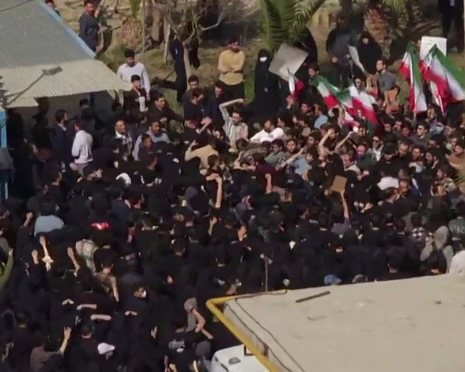
Yet diplomacy is unfolding against a backdrop of renewed domestic unrest inside Iran. Universities in Tehran and the north-eastern city of Mashhad reopened over the weekend for the first time since violent protests earlier this winter. Student demonstrations resumed almost immediately, with videos circulating online that appear to show clashes between protesters and members of the Basij militia.
The earlier wave of protests, which erupted in December and January, resulted in thousands of reported deaths. The Iranian government has stated that just over 3,000 people were killed. Human rights organisations, however, place the minimum figure closer to 6,000. The true toll remains uncertain, as independent investigations have been limited.
Tehran has declined to permit a United Nations fact-finding mission to enter the country. Officials insist that a domestic inquiry is sufficient to address allegations of excessive force. This week, Iran’s deputy foreign minister, Kazem Gharibabadi, is scheduled to address the United Nations Human Rights Council. Diplomats anticipate that several Western delegations may stage walkouts in protest.
The protests have also exposed internal political strains. President Masoud Pezeshkian, elected in 2024 with support from reformist groups, appears increasingly marginalised. Several prominent members of the Reformists Front coalition have been arrested or charged with supporting foreign interests. Although some have been released on bail, resentment within the movement is palpable.
Observers note that these domestic pressures could influence Tehran’s negotiating posture. A successful outcome in the US-Iran nuclear talks might ease economic hardship and strengthen moderates. Conversely, a breakdown in talks could embolden hardliners who argue that engagement with Washington yields only humiliation.
Within the United States, debate continues over the appropriate course. Some Republican figures have openly advocated military action against Iran’s nuclear infrastructure. However, as negotiations advance, those calls appear to be losing momentum. Even critics of diplomacy recognise that a negotiated settlement would likely carry lower risks than direct conflict.

Regional actors are watching closely. Gulf states remain concerned about Iran’s missile programme and regional alliances, while Israel continues to warn that it will not tolerate a nuclear-armed Iran. The redeployment of US military assets has been interpreted by some analysts as both a deterrent and a signal of resolve during negotiations.
Despite the volatility, both governments appear to understand the stakes. A renewed confrontation could destabilise energy markets, disrupt global trade routes, and draw in regional powers. Diplomacy, however imperfect, offers a pathway to de-escalation. The coming days in Geneva may therefore prove pivotal.
Much will depend on whether negotiators can bridge gaps over enrichment limits and verification procedures. Trust is thin, but communication channels remain open. Each side is testing the other’s willingness to compromise without appearing weak domestically.
As the US-Iran nuclear talks resume, the world watches for signs of genuine progress. The interplay between internal unrest in Iran and strategic calculations in Washington adds layers of complexity. Yet history shows that even adversaries can reach agreements when interests align.
For now, cautious optimism coexists with deep scepticism. Diplomats hope that measured steps, rather than dramatic breakthroughs, will gradually rebuild confidence. Whether this round of talks leads to a durable settlement remains uncertain, but the alternative of renewed confrontation looms large over all involved.
Related News:
 BBC to Apologise Over Edited Trump Speech Amid Backlash
 Britain deploys RAF specialists to assist Belgium with drone threats
 Palace May Restore Hyphen to Andrew Mountbatten-Windsor’s Name
 Greene Pushes Epstein Files Amid Trump Fallout
 December Run-Off in Chile as Election Produces No Winner
 Zelenskyy Signs Fighter Jet Deal Amid Russian Drone Attacks
 Canada Passes Carney’s First Budget in Tight Parliamentary Vote
 Shadow Fleet at Sea: Europe’s Battle Against Illicit Oil Shipping
 Tiny Curacao Makes History as Smallest Nation to Reach World Cup
 Deadly Russian Strikes Hit Western Ukraine, 20 Killed in Ternopil
 Ukraine Peace Plan: Zelensky Ready for Dialogue
 US Suspends Afghan Immigration After White House Shooting
 Georgians Defy Government Crackdown After Year of Protests
 ‘Extinct’ Antelope Returns to Sahara, Bringing Hope
 American Mother Extradited From UK to U.S. on Murder Charges
 Irish Beach Tragedy: Irish Drown at Whitehaven Beach in Australia
 Sanctioned oil tankers sail Channel amid Russia scrutiny
 US and UK Withdraw Personnel as Middle East Tensions Rise
 Half the World’s Largest Cities Face Rising Water Stress
 Pentagon Signals Reduced Role in Deterring North Korea
 UK and US Drop in Global Corruption Index Rankings
 SA Police Intensify Search in Gus Lamont Case
 Canberra Poster Seizure Sparks Free Speech Row
 Evo Morales Returns After Mysterious Absence
 El Mencho Killed as Mexico Faces Violence
 Trump Tariffs Threat Spark UK and EU Alarm
 Australian Women in Syrian Camp Offer Separation Deal
 The Dangerous Rise of Remigration Across Modern Europe
 US to offer passport services in West Bank settlements
 Seeking Truth: The Vital Battle for Honest Journalism
 Iranian Australian community divided after vigils
 UK Rescue Flight Delayed Amid Middle East War
 Seventh US Service Member Killed in Iran Conflict Identified
 Iran Defiance Grows Amid US-Israel War Pressure
 US Missile Strike on Iran School Sparks Global Shock
 Canada Plasma Deaths Raise Safety Concerns After Two Donors Die
 US Attack on IRIS Dena Shocks Indian Ocean Security
 Australian Petrol Crisis Deepens as Local Stations Run Dry
 Gulf Tensions Rise as Iran Alleges Covert Support
 Oil Slides, Stocks Jump on Trump Peace Signals
 Danish Election Deadlock Shakes Frederiksen’s Grip
 Bondi terror attack linked to global rise in IS plots
 Pope Rebukes Leaders for War as Middle East Tensions Rise
 Army Probes Apache Flyover at Kid Rock’s Nashville Estate
 Iran Drone Strike Hits Kuwaiti Oil Tanker in Dubai Port
 Artemis II: Humanity Returns to the Moon After Decades
 Nuns of Schloss Goldenstein Move Closer to Staying Home
 Italian Town Buys Mussolini Villa to Keep Away Fascist Fans
 Report Says Pezzullo Acted ‘Recklessly’ in Dealings
 Trump and Tehran Find Common Ground in Landmark Ceasefire
 Trump Employs Nixon’s Madman Theory Amid Iran Crisis
 Singapore Pledges Stable Fuel Supply for Australia
 Suspected Plot Targets Pipeline Before Hungary Vote
 Reeves Slams Trump Over Iran War Lack Of Exit Plan
 Learner Driver Charged After Expo Tragedy
 Coalition pushes fossil fuel phaseout plan
 Trump approval plunges amid Iran war fears
 Ohio’s Battle for Trust: Democrats Vying to Flip the Buckeye State
 US ‘Narco Boat’ Strikes Draw Global Outcry
 FIFA Confirms Global Ban for Benfica Star Prestianni
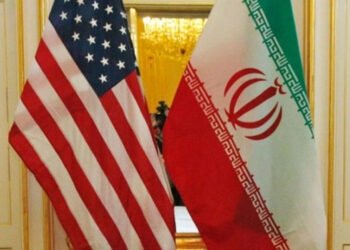 US Awaits Iran Reply on New Ceasefire Proposal
 US and Mexico Face Heatwave as Floods Batter South Africa
 Putin Signals War End as Russian Momentum Stalls
 Australia Welcomes the Iconic Michelin Guide
 Scepticism and tight security as Beijing braces for Trump
 Philippine Senator Flees After Days Under Senate Siege
 Tensions Flare as Israeli Nationalists March in Jerusalem
 High Street Crisis: Fears Grow Over Post Office Closures
 Xi Hosts Putin for Talks Right After Trump Visit
 Oil Markets Face ‘Red Zone’ Threat Amid Iran Crisis
 Pope Meets Families in Italy Toxic Waste Zone
 Discontent grows around Putin amid war strain
 US Strikes Iranian Sites Amid Shaky Ceasefire Talks
 Starmer Leadership Under Pressure After Setbacks
 Papal Visit Offers Political Lifeline to Spanish Premier
 Aukus Deal Facing Fierce Backing and Historic Criticism
 Thai Princess Bajrakitiyabha Passes Away at 47
 Le Pen to Run for President Despite Embezzlement Conviction
 Ukraine Creates Long-Range Strike Command
 Houthis Strike Saudi Arabia as Middle East Tensions Rise