Published: 24 February 2026
The English Chronicle Desk
The English Chronicle Online
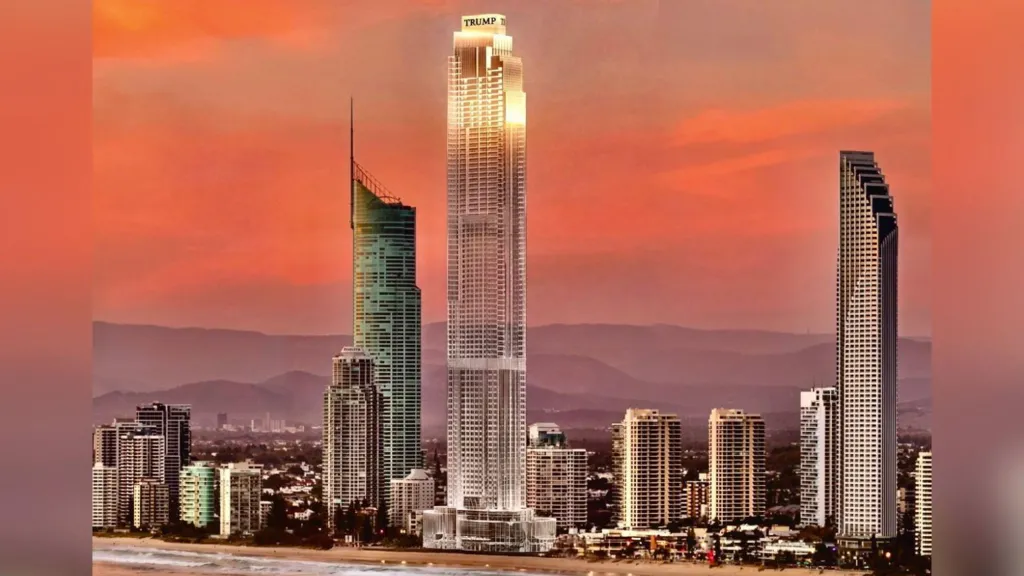
The Trump Organization has revealed detailed proposals for what would be Australia’s tallest building, a mixed‑use skyscraper slated for the heart of Sydney that would redefine the city’s skyline and challenge existing height records. The announcement marks a major international expansion for the U.S. developer and underscores growing interest in Asia‑Pacific real estate markets.

According to plans filed with New South Wales state authorities, the tower would rise to an unprecedented height of more than 350 metres, eclipsing the current tallest structures in the country. The proposed site is in Sydney’s central business district, close to major transport links and adjacent to premium commercial corridors. The Trump Organization said the development is designed to blend luxury residential space with high‑end offices, retail outlets and hospitality venues, including multiple restaurants and a signature hotel branded under its marquee name.
During a press conference, executives characterised the project as a symbol of confidence in Australia’s long‑term economic prospects and growing urban dynamism. “This is not just a building; it is a statement about global investment, architectural ambition and urban transformation,” a spokesperson said, highlighting the development’s anticipated contribution to Sydney’s property market.
Architectural renderings released alongside the announcement depict a sleek, glass‑clad tower with stepped setbacks and observation decks offering panoramic views of the harbour and city beyond. Interior design elements emphasise luxury finishes and bespoke amenities geared toward affluent residents and international business tenants. The development would also include landscaped public spaces at ground level and a rooftop sky garden.
The proposal has already drawn mixed reactions from local stakeholders. Property industry analysts say the project could attract foreign capital and stimulate job creation in construction, hospitality and services. Some architects see potential for the structure to become a new icon of Sydney’s skyline, rivalling landmarks such as the Harbour Bridge and Opera House.
However, not all feedback has been positive. Community groups and urban planners have raised concerns about the impact on traffic congestion, local infrastructure and neighbourhood character. Critics argue that the skyscraper’s scale could strain existing transport systems and overshadow heritage precincts. There are also questions about how the development aligns with Sydney’s broader planning strategies and height regulations.
Planning experts note that while initial documents have been submitted, the project must navigate a rigorous process involving state government approvals, environmental assessments and public consultation. Height restrictions and sight‑line considerations near the harbour could become central points of debate in formal review stages.
Economic forecasters say the success of luxury residential towers in Sydney hinges on global interest rates, migration trends and investor confidence. While demand for high‑end housing and premium office space has remained robust, the introduction of one of the tallest buildings in the Southern Hemisphere would put pressure on local markets to absorb new supply.
If the plan proceeds as envisioned, construction could begin as early as late 2027, with completion targeted in the early 2030s. The timeline reflects both the scale of the project and the complexity of regulatory approvals. Officials from the Trump Organization indicated that global design partners and engineering firms are being consulted to refine technical plans and sustainability features.
The announcement comes at a time when Sydney is already grappling with a surge in skyscraper projects and urban densification. While some developers see height as a key competitive factor in attracting international tenants, policymakers are keen to balance growth with livability and heritage preservation.

In summary, the Trump Organization’s plan for what it calls Australia’s tallest building has sparked both excitement and scrutiny. Whether the tower becomes a new urban landmark or a flashpoint in planning debates will depend on how authorities, residents and developers negotiate the complex terrain of regulation, design and public interest.
Related News:
 Uber Faces Sexual Assault Trial in Arizona, Safety Record Scrutinised
 German Supermarket Aldi to Open 180 US Stores This Year
 Top Senate Republican Says Federal Probe of Powell Could Challenge Fed Nominees
 Trump Administration Probe of Fed’s Powell Draws Pushback
 Trading Day: Trump Crosses Fed Rubicon, Market Shrugs
 Government Unveils Northern Powerhouse Rail Plans
 China Halts Nvidia H200 Chips Despite US Export Approval
 Trump Fed bid heads to Supreme Court
 US to Exempt Some Bangladeshi Clothes from Tariffs
 Sanders Condemns Billionaire ‘Greed’ in California Tax Debate
 US and Indonesia Finalise Deal to Cut Tariffs to 19%
 Canada Eyes Trade Talks After US Supreme Court Tosses Trump Tariffs
 US Will Not Back Out of Tariff Deals with UK and Others, Says Trump Trade Representative
 Post Office Scandal Compensation Tops £1 Billion as Victims Finally See Justice
 Tensions Unfold in Market Harborough as Asylum Seeker Hotel Sparks Divisive Protests
 China’s crackdown on civil servant perks sparks economic concerns
 Chancellor Rachel Reeves Pushes for Sweeping Changes to Environmental Protections to Accelerate Development
 Inflation Latest: Cost of Living Expected to Rise Again in Key Figures Released Today
 Shein UK Faces Allegations of Shifting Majority of Profits to Singapore to Reduce UK Tax
 Big Pharma Investment Freeze Puts UK Life Sciences Sector Under Strain
 Jaguar Land Rover Extends Production Halt Following Cyber-Attack
 Great Britain’s Energy Operator Commits to Strengthening Grid to Prevent Blackouts
 UK Government Backs Return of International Rail Travel to Kent Stations
 Wetherspoon vows to keep prices low amid soaring energy and tax costs
 UK House Price Growth Slows as Buyers Exercise Caution Ahead of Autumn Budget
 Kemi Badenoch Unveils ‘Golden Rule’ to Halve Spending Cuts for Deficit Reduction at Tory Conference
 New V-Level qualification to transform post-16 education
 Real living wage set to rise nearly 7% for UK workers in 2026
 Reeves Faces Setback as Labour May Miss Homes Target
 Virgin Trains Moves Closer to Challenging Eurostar Monopoly
 Trump’s UK Ambassador Urges North Sea Drilling to Strengthen US Ties
 Ryanair Chief UK Economy ‘Doomed’ Under Labour
 M&S Profits More Than Halve After Cyber-Attack
 Millionaires group urge Reeves to introduce wealth tax to ‘lift kids out of poverty’
 From Lego to Pokémon: How Adults Are Driving UK Toy Market Growth
 Canada Passes Carney’s First Budget in Tight Parliamentary Vote
 Two National Guard Soldiers Critically Injured Near White House
 US National Guard Member Killed in DC Shooting
 Starmer Says Labour’s Economic Plan Needs Years to Deliver
 Virgin Media Fined £23.8m Over Telecare Safety Failures
 Anglo American Scraps Bosses’ £8.5m Bonus Plan After Investor Fury
 Historic £100-Weekly Pension Boost Brings Relief for UK Mineworkers
 American Mother Extradited From UK to U.S. on Murder Charges
 Russia losses Ukraine war peace talks intensify amid rising deaths
 FTSE 100 Hits 10,000: UK Market Celebrates Record Year
 US Cities Erupt in Protests Against Trump’s Venezuela Military Action
 Trump Escalates Minnesota Immigration Surge Amid Rising Tensions
 Homeland security agents deployed amid Minneapolis protests
 Trump Weighs Response to Iran Crackdown as Tehran Says Communication Open With US
 Metals and Mining Stocks Lift FTSE 100 to Record Close
 Minnesota Sues Trump Administration Over ICE Surge
 Trump targets Iran trade with 25% tariff warning
 US Clears Nvidia AI Chip Sales to China in Policy Shift
 Trump Threatens Strong Action If Iran Executes Protesters
 Portland man pleads not guilty after Border Patrol shooting
 EU Says US Ties Have Suffered ‘Big Blow’ After Greenland Crisis
 US Dollar Hits Four-Year Low Amid Market Turmoil
 Amazon mistakenly signals new global layoffs to employees
 Videos reveal earlier clash before Alex Pretti shooting
 UK New Car Discounts Near £6,000 as Prices Are Slashed
 ‘We Are Ready to Talk’: US News Anchor Savannah Guthrie Pleads for Return of Her Abducted Mother
 Headline: Measles Alert: Dr Oz Urges Americans to Vaccinate
 Pound Sinks and Borrowing Costs Rise as Starmer Fights for Job
 Major UK Clothing Firm Collapses into Administration — 109 Jobs at Risk
 Telstra AI jobs cuts as automation drive expands
 BT Names New Openreach Chief Amid Major Fibre Expansion
 Nurses’ families fear breakup under UK immigration crackdown
 Is Dining Out Dying Out?
 ‘Trump Will Be Gone in Three Years,’ Top Democrats Tell Europe
 Could Manchester Lead the UK’s Economic Revival?
 US Civil Rights Leader Jesse Jackson Dies Aged 84
 Iran Says ‘Guiding Principles’ Agreed With US at Nuclear Talks
 Lloyds Boss Accepts Concern Over Use of Staff Data in Pay Talks
 Live Markets Bet on Spring Rate Cut as Inflation Falls
 Eight Skiers Found Dead After California Avalanche
 Trans Youth Care Crisis: NY Hospital Ends Gender‑Affirming Treatment
 Live Nation Sees Strong Ticket Sales as Monopoly Lawsuit Looms
 AI Coding Firm’s ‘Pride’ at Business Award Win
 Uncertainties Loom for Businesses and Consumers After Trump’s Tariff Changes
 UK Job Vacancies Hit Five-Year Pandemic Low