Published: 24 February 2026
The English Chronicle Desk
The English Chronicle Online
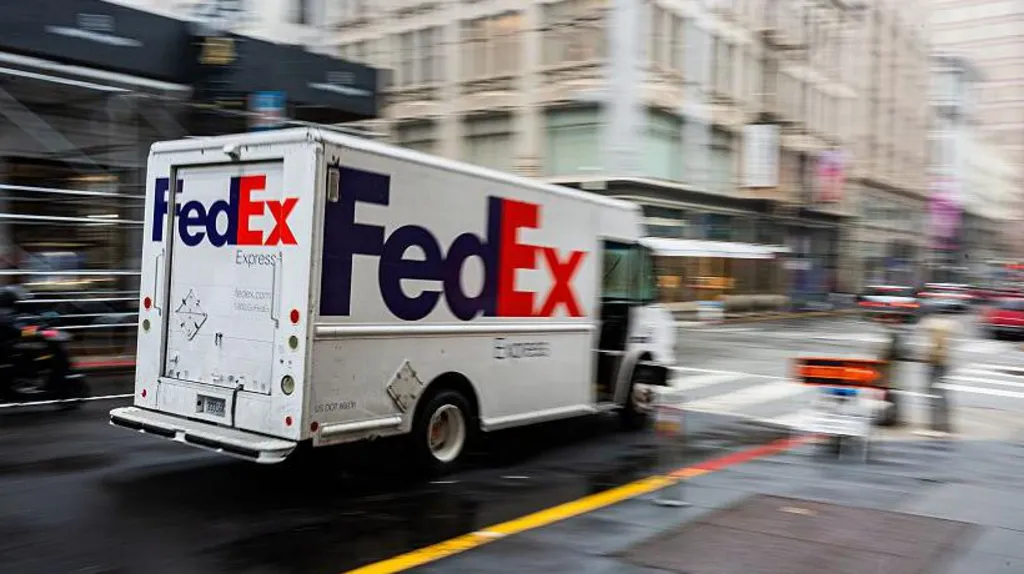
Global logistics giant FedEx has launched a high‑stakes lawsuit against the United States government seeking the return of tariffs it paid under emergency trade measures introduced by former President Donald Trump — a legal battle that could reshape how businesses recoup costs after the U.S. Supreme Court struck down the contested levies.

In its complaint filed on Monday in the U.S. Court of International Trade, FedEx is asking for a “full refund” of all duties it paid under the tariff regime that the Supreme Court invalidated last week, along with interest and compensation for financial harm it says it incurred as a result of those duties. The lawsuit names the United States, U.S. Customs and Border Protection and its commissioner as defendants.
The tariffs at issue were imposed under the International Emergency Economic Powers Act (IEEPA), a statutory authority that the Supreme Court found last week does not permit the president to enact broad trade levies — a decision that effectively voids the tariff measures and vindicates legal challenges by businesses and importers. However, the high court left open the question of whether the government must refund duties collected under the now‑invalid regime.
FedEx says it incurred costs not only in paying the disputed tariffs it owed as the importer of record for goods entering the United States but also in efforts to manage and expedite customs processes under a rapidly evolving regulatory environment. The company’s lawsuit contends that those costs warrant reimbursement from the federal government, although it has not publicly disclosed the total amount it seeks to recover.
The legal action is one of the highest‑profile corporate responses to the Supreme Court’s ruling and may set a precedent for other firms seeking refunds on billions of dollars in tariffs collected during the period the invalid measures were in effect. Trade attorneys expect a wave of similar refund claims from importers and manufacturers affected by the tariffs, which critics argued increased supply costs and disrupted global trade.
Industry analysts note that while the U.S. Supreme Court struck down the tariffs as unlawful, it did not outline a process for returning the substantial revenues the government collected — an issue that now falls to lower courts. FedEx’s lawsuit, and others that have already been filed by major companies including retailers and manufacturers, could drag on for years as the Court of International Trade and potentially appellate courts provide legal interpretations on how and when refunds should be issued.
The timing of FedEx’s filing follows months of disruptions attributed to the tariff regime and ongoing policy uncertainty. Corporate filings in recent earnings reports revealed that the company expected a significant negative impact on profits in 2025 tied to trade policies, underscoring the economic stakes for large importers and logistics operators.
FedEx’s legal counsel, based in Washington, D.C., is representing the company in the litigation alongside several other corporate plaintiffs pursuing similar claims. The outcome of this lawsuit could have wide implications for how importers and distributors recover tariff costs, influence future executive trade actions, and shape broader debates over the balance of executive authority, congressional power and judicial oversight in U.S. trade policy.
Related News:
 Supreme Court Ruling on Car Finance Scandal Poised to Impact Millions of Motorists and Banks
 David Lammy Faces Possible Legal Challenge Over Foreign Office Secondment Scheme
 UK Advertising Watchdog Faces Criticism Over Its Own Campaigns
 Lucy Powell urged ministers to reconsider costly legal case for Labour donor’s firm
 Tories Push to Dilute Labour’s Workers’ Rights Bill
 US National Guard Member Killed in DC Shooting
 Trump to pause migration from ‘third-world countries’
 Virgin Media Fined £23.8m Over Telecare Safety Failures
 US Defence Chief on Drug Boat Strike: “Did Not See Survivors”
 Franklin Turtle, Sabrina Carpenter Slam US Social Media Use
 Uber Faces Sexual Assault Trial in Arizona, Safety Record Scrutinised
 German Supermarket Aldi to Open 180 US Stores This Year
 Top Senate Republican Says Federal Probe of Powell Could Challenge Fed Nominees
 Trump Administration Probe of Fed’s Powell Draws Pushback
 Trading Day: Trump Crosses Fed Rubicon, Market Shrugs
 US Senator Mark Kelly Sues Pentagon Chief Hegseth Over Demotion Threats
 Government Unveils Northern Powerhouse Rail Plans
 HMRC Delays Leave Taxpayers Waiting Over a Year for Refunds
 China Halts Nvidia H200 Chips Despite US Export Approval
 Trump Fed bid heads to Supreme Court
 Trump officials continue false claims after Alex Pretti shooting
 Border Patrol Commander Leaves Minneapolis After Fatal Shooting
 Study Finds One in Seven England Takeaways Are Dark Kitchens
 Partial US Government Shutdown Hits Homeland Security Funding
 Thousands Protest ICE Operations in Nationwide US Day of Action
 Starmer to Release Mandelson Files
 US Military Says Two Killed in Strike on Alleged Drug Boat in Eastern Pacific
 US to Exempt Some Bangladeshi Clothes from Tariffs
 EPSTEIN MYSTERY: Five Unanswered Questions Surround Jeffrey Epstein’s Death
 Hyatt Hotels Chairman Steps Down Over Jeffrey Epstein Ties
 “It’s Never Too Late”: Savannah Guthrie’s New Plea for Mother’s Release as FBI Analyses Glove
 FBI Won’t Co-operate on Alex Pretti Investigation, State Officials Say
 Suspect in Rhode Island Ice Hockey Shooting Killed Ex‑Wife and Son
 Desperate Hunt for Breakthrough in Nancy Guthrie Case Turns to Mexico
 Sanders Condemns Billionaire ‘Greed’ in California Tax Debate
 US and Indonesia Finalise Deal to Cut Tariffs to 19%
 Live Nation Sees Strong Ticket Sales as Monopoly Lawsuit Looms
 ‘We’re Still on Edge’: Toy Firms Look to US Supreme Court as Tariffs Hit Profits
 Canada Eyes Trade Talks After US Supreme Court Tosses Trump Tariffs
 US Will Not Back Out of Tariff Deals with UK and Others, Says Trump Trade Representative

 Post Office Scandal Compensation Tops £1 Billion as Victims Finally See Justice
 Targeted Attack in Bury Sparks Murder Investigation as Community Awaits Justice
 Merseyside Police Helicopter Crew Cleared After Low-Altitude Pursuit of Suspect
 Tanni Grey-Thompson Faces Abuse Over Opposition to Assisted Dying Bill
 Big Pharma Investment Freeze Puts UK Life Sciences Sector Under Strain
 Great Britain’s Energy Operator Commits to Strengthening Grid to Prevent Blackouts
 No Evidence Found to Substantiate Alleged Rape in Oxfordshire Churchyard, Police Confirm
 UK House Price Growth Slows as Buyers Exercise Caution Ahead of Autumn Budget
 Kemi Badenoch Unveils ‘Golden Rule’ to Halve Spending Cuts for Deficit Reduction at Tory Conference
 New V-Level qualification to transform post-16 education
 Reeves Faces Setback as Labour May Miss Homes Target
 Trump’s UK Ambassador Urges North Sea Drilling to Strengthen US Ties
 Millionaires group urge Reeves to introduce wealth tax to ‘lift kids out of poverty’
 Starmer Says Labour’s Economic Plan Needs Years to Deliver
 Historic £100-Weekly Pension Boost Brings Relief for UK Mineworkers
 Trump Weighs Response to Iran Crackdown as Tehran Says Communication Open With US
 Minnesota Sues Trump Administration Over ICE Surge
 US Clears Nvidia AI Chip Sales to China in Policy Shift
 Woman Jailed for Life After Killing E-Bike Rider in Tragic Mistaken Identity Case
 EU Says US Ties Have Suffered ‘Big Blow’ After Greenland Crisis
 US Dollar Hits Four-Year Low Amid Market Turmoil
 UK New Car Discounts Near £6,000 as Prices Are Slashed
 Police Doubt Fugitive Dezi Freeman Survived Bushland
 Australia’s Opposition Coalition Reunites After Rift
 Pound Sinks and Borrowing Costs Rise as Starmer Fights for Job
 Major UK Clothing Firm Collapses into Administration — 109 Jobs at Risk
 BT Names New Openreach Chief Amid Major Fibre Expansion
 Is Dining Out Dying Out?
 ‘Trump Will Be Gone in Three Years,’ Top Democrats Tell Europe
 Could Manchester Lead the UK’s Economic Revival?
 Motorists Could Face ‘Mandatory’ Driving Ban for Road Offences Under Tougher Laws
 Lloyds Boss Accepts Concern Over Use of Staff Data in Pay Talks
 Nine Arrested in France Over Death of Far‑Right Student
 Civil Service Pay: Union Urges Ministers to End ‘Barking Mad’ Limits
 Epstein Eyed Record Label Investment to Access Women, Files Suggest
 Fly-Tippers to Be Hunted by ‘Drone Squad’ in Crackdown from the Sky
 AI Coding Firm’s ‘Pride’ at Business Award Win
 UK Job Vacancies Hit Five-Year Pandemic Low
 Duterte Refuses to Attend ICC Pre-Trial Hearing Over ‘Drug War’ Case