Published: February 24, 2026
The English Chronicle Desk
The English Chronicle Online
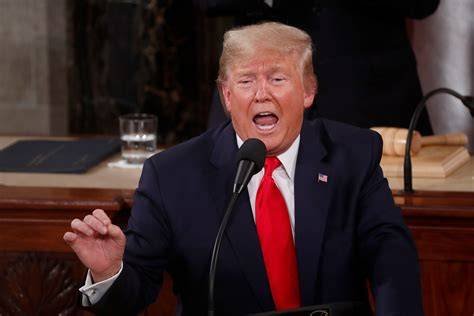
State of the Union address 2026: President Donald Trump is set to deliver his first formal State of the Union speech of his second term on Tuesday, February 24, 2026, at the United States Capitol before a joint session of Congress. The address carries heightened significance as the nation faces political, economic, and foreign policy challenges, and with the 2026 midterm elections approaching in November.

The State of the Union address provides the president an opportunity to outline the current condition of the nation and propose legislative priorities to Congress and the American public. In this context, Trump’s speech is expected to focus on multiple key themes that reflect both his administration’s record and his strategic objectives.
One of the primary areas to watch is how Trump frames the U.S. economy and affordability issues. Amid ongoing inflation concerns and slower economic growth, the administration is likely to emphasise past tax cuts, stock market performance and initiatives to reduce costs for households, including plans to tackle healthcare and prescription drug prices. How effectively he communicates economic progress — and how skeptical voters respond — will be central to understanding the political impact of the speech.
Immigration policy will also be a prominent topic. Trump’s America First agenda has placed border security and enforcement at the centre of domestic policy. In the lead‑up to the address, the president held a ceremony honouring families of victims of crimes attributed to undocumented immigrants — underscoring how immigration enforcement remains a political and public policy priority. The speech may highlight these policies and seek broader support for continued enforcement measures.
Foreign policy is another significant element. Although domestic concerns dominate public opinion polls, Trump may use the address to justify and promote his approach abroad — including ongoing tensions with Iran over its nuclear programme, U.S. military actions in multiple regions, and diplomacy tied to peace initiatives. How Trump balances foreign commitments with domestic expectations will be a key indicator of his administration’s strategic messaging.
The address also occurs against a backdrop of political division at home. Many Democrats plan to boycott the speech, and several will organise counter‑events. The official Democratic responses — delivered by figures such as Virginia Governor Abigail Spanberger and California Senator Alex Padilla — will provide contrasting visions and highlight partisan disagreements on policy priorities.
Additionally, the event’s timing and optics matter. The speech comes in prime time and will be broadcast live across major networks and digital platforms, with commentary and analysis from media outlets before and after the address. Viewership patterns and public reaction in the hours and days following the speech could shape political narratives ahead of the midterm elections.

In summary, Trump’s State of the Union address will be watched closely for its emphasis on the economy, immigration, foreign policy, and political strategy. Observers will assess both the substance of policy proposals and the broader implications for national unity and electoral politics as the United States continues to navigate complex domestic and international challenges.
Related News:
 Inside Kyiv’s resolve as conflict nears five‑year mark
 Putin Intensifies Territorial Demands Before US Talks
 Trump to Recheck Green Cards from 19 Nations After DC Attack
 Russia losses Ukraine war peace talks intensify amid rising deaths
 Trump Escalates Minnesota Immigration Surge Amid Rising Tensions
 Trump: US Stands Ready to Help Iran Find Freedom Amid Widespread Unrest
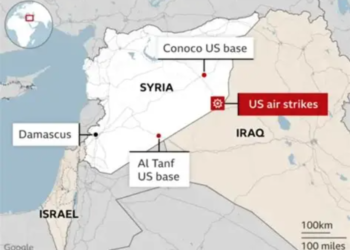 US Conducts Large-Scale Strikes Against ISIS Targets Across Syria
 Trump Says US Will Act on Greenland ‘Whether They Like It or Not’
 Trump Administration Probe of Fed’s Powell Draws Pushback
 Greenland Faces Pivotal Summit Over Arctic Power Struggle
 Trump Threatens Strong Action If Iran Executes Protesters
 Trump Receives Machado’s Nobel Medal in White House Meeting
 Greenland Crisis Forces Europe to Draw a Line With Trump
 Iran Cannot Be Bombed Into Democracy, Only Helped There
 Historic Abu Dhabi Talks Bring US, Ukraine and Russia Together
 Trump Pulls Canada from His Controversial ‘Board of Peace’ Plan
 EU Says US Ties Have Suffered ‘Big Blow’ After Greenland Crisis
 Thousands Protest ICE Operations in Nationwide US Day of Action
 Epstein Files Reveal Trump Officials’ Emails with Financier
 Thousands Protest ICE in New York Against Trump Deportation Campaign
 Trump Praises ‘Terrific’ Petro After White House Talks
 US Must Be Prudent When Supplying Arms to Taiwan, Xi Tells Trump
 Fears of New Arms Race as US-Russia Nuclear Weapons Treaty Expires
 US Civil Rights Leader Jesse Jackson Dies Aged 84
 New Nuclear Talks Between US and Iran Begin in Geneva
 ‘He Did It for Us’: US Soldier Recalls Jesse Jackson’s Efforts to Free Him and Two Other POWs
 Under Pressure From Trump, Venezuela’s New President Has Aces Up Her Sleeve
 Stephen Colbert Says CBS Spiked Interview With Democrat Over FCC Fears
 Police Assessing Stansted Airport Private Flights Over Epstein Ties
 Suspect in Rhode Island Ice Hockey Shooting Killed Ex‑Wife and Son
 US to Withdraw Troops from Syria
 US Urges Iran to Make Deal as Military Presence Rises
 Trump’s Foreign Policy Dilemma Laid Bare by Iran Tensions
 Billionaire Les Wexner Tells US Lawmakers He Was ‘Naive’ and ‘Conned’ by Epstein
 Kinnock’s Rebuke Echoes Loudly as Corbyn Allies Launch Left-Wing Breakaway: “A Gift to Farage”
 UK Must Act with Courage and Clarity on Israel-Palestine Conflict, Says Foreign Affairs Committee Report
 Radioactive Leak at UK’s Nuclear Warhead Base Sparks Outcry Over Safety and Secrecy
 Mutual Inconvenience: Why Alaska Was Chosen for the Trump-Putin Summit on Ukraine
 Hong Kong Summons UK and Australian Envoys Following Asylum Grants to Democracy Activists
 Is the UK Ready to Put Boots on the Ground in Ukraine? Assessing Military Capacity and Challenges
 Channel Crossings Surge: Over 1,000 People Arrive in the UK in Small Boats in a Single Day
 Widow of Charlie Kirk Forgives Killer at Emotional Memorial Service
 Yvette Cooper Signals Global Momentum Towards Gaza Peace Deal Amid Humanitarian Crisis
 Russia’s Latest Push to Win US Favors Shows Deep Desperation
 BBC to Apologise Over Edited Trump Speech Amid Backlash
 Britain deploys RAF specialists to assist Belgium with drone threats
 Trump Urges Herzog to Grant Netanyahu Full Pardon
 Indian authorities demolish Kashmir home linked to Red Fort blast
 Greene Pushes Epstein Files Amid Trump Fallout
 December Run-Off in Chile as Election Produces No Winner
 Canada Passes Carney’s First Budget in Tight Parliamentary Vote
 Shadow Fleet at Sea: Europe’s Battle Against Illicit Oil Shipping
 India’s COP30 Delay Raises Global Climate Concerns
 Georgians Defy Government Crackdown After Year of Protests
 US National Guard Member Killed in DC Shooting
 American Mother Extradited From UK to U.S. on Murder Charges
 US Cities Erupt in Protests Against Trump’s Venezuela Military Action
 Albanese Opens Door to Bondi Royal Commission Amid Rising Pressure
 Iran Protesters Defy Crackdown as Violent Clashes Intensify
 Homeland security agents deployed amid Minneapolis protests
 Trump Weighs Response to Iran Crackdown as Tehran Says Communication Open With US
 US Clears Nvidia AI Chip Sales to China in Policy Shift
 EU weighs response amid Greenland tariff crisis with Trump
 Videos reveal earlier clash before Alex Pretti shooting
 Israel Moves to Bar MSF From Gaza Operations
 Nurses’ families fear breakup under UK immigration crackdown
 ‘Trump Will Be Gone in Three Years,’ Top Democrats Tell Europe
 Australian Families Leave Syrian Camp for Home
 Starmer Weighs Fast-Tracking Defence Boost
 Snow and Rain Warnings as Cold Snap Continues in the UK
 Nine Arrested in France Over Death of Far‑Right Student
 Eight Skiers Found Dead After California Avalanche
 Andrew Arrest Sparks Republic Debate in Australia
 Epstein Eyed Record Label Investment to Access Women, Files Suggest
 Australian PM Says Former Prince Andrew Has Suffered ‘Extraordinary Fall’ but That Won’t Prompt Republic Referendum
 Musk Cuts Starlink Access for Russian Forces – Giving Ukraine an Edge at the Front
 Farage Chagos Islands Row Sparks Fury
 Ukraine Negotiator Reveals What It Feels Like Facing Russia
 Chad Shuts Border With Sudan in Bid to Stop Conflict Spreading
 French Minister Moves to Block US Envoy Kushner from Government Access