Published: 24 February 2026. The English Chronicle Desk. The English Chronicle Online.
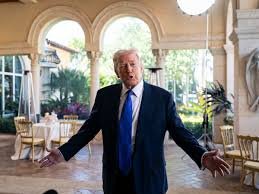
Donald Trump’s luxury resorts have increasingly become a powerful tool for political influence, profit, and access. Since his inauguration last year, officials from countries including Israel and Argentina, as well as state politicians from Iowa, have visited Trump resorts 145 times, according to Citizens for Responsibility and Ethics in Washington (Crew), a leading watchdog organisation. These visits highlight how presidential authority can intersect with private businesses, creating ethical and financial entanglements that remain difficult to monitor. Crew’s research, based on social media reports, official disclosures, and public announcements, portrays a presidency closely intertwined with opulent resort properties.
Analysis of campaign finance data by The Guardian shows that US political committees spent over $1.3 million at Trump resorts since January 2025. While substantial, this figure likely represents only a small portion of the overall revenue these properties have generated. Unlike domestic political organisations, foreign governments and private companies are not required to disclose expenditures, leaving much of the financial activity opaque. Trump has repeatedly described his Mar-a-Lago estate in Florida as “as close to paradise as I’m going to get,” reflecting both personal preference and the strategic promotion of his private holdings. Republican figures, such as Florida congresswoman Kat Cammack, have capitalised on the property’s appeal, hosting record-breaking fundraisers that attracted prominent party donors.

Espitallier, Cammack’s communications director, said the resort’s oceanside charm made it an ideal venue, while acknowledging Trump’s political clout amplified its influence. The Republican National Committee and MAGA Inc accounted for most political spending at Trump resorts in 2025, contributing $985,449 across 39 separate occasions. Crew analysts warn these numbers are likely conservative due to reporting constraints. “President Trump has turned his properties into hubs for allies and political committees to raise money, line his pockets, and gain favour,” said Rebecca Jacobs, Crew research manager. She stressed that political access has long involved financial channels, but Trump’s approach uniquely funnels contributions directly into his own businesses.
While Trump Hotel in Washington was the most visited property during his first term, its 2022 closure shifted attention to Mar-a-Lago. Membership fees at the Florida estate have soared from $100,000 in 2016 to $1 million in 2024, reflecting the elite access available to high-paying patrons. Unlike previous presidents who divested from private holdings to prevent conflicts of interest, Trump has embraced his resorts as political tools. “Trump has established these properties as extensions of his administration,” said Walker Davis, Crew research director. Presidential visits and promotions signal to both foreign officials and influential donors that patronising Trump resorts carries strategic weight.
A White House spokesperson defended the arrangement, emphasising that Trump’s assets are managed through a family trust, insisting that no conflicts of interest exist. Unlike blind trusts used by predecessors such as Jimmy Carter, Trump’s method allows family oversight, maintaining his connection to business success. Crew records show Trump visited Mar-a-Lago 76 times during his second term, with taxpayers covering significant security costs. More than 50 corporate and political interest groups have held or catered events at his properties since January 2025, demonstrating the broad appeal of Trump resorts as venues for influence.
Corporate engagement often revolves around golf tournaments and networking events. Lockheed Martin sponsored the “Freedom Invitational” at Trump National Golf Club in Potomac, while LIV Golf, backed by Saudi investors, hosted an event at Trump’s Bedminster course. An Emirati shipping firm also co-sponsored an amateur open at Trump’s Dubai resort. These companies generally declined to comment on expenditures, making independent verification difficult. While US campaign finance laws require domestic committees to disclose spending, foreign entities face no comparable obligations, further obscuring the financial dynamics surrounding Trump resorts.
Michael Beckel, Money in Politics Reform Director at IssueOne, described these arrangements as “just the tip of the iceberg,” noting the challenges in fully accounting for all revenue flowing to Trump’s properties during his presidency. Foreign officials routinely travel to Florida for meetings and social occasions, with Israeli diplomats visiting ten times and Argentina’s president Javier Milei appearing nine times. Weeks before his Mar-a-Lago visit, Milei secured a $20 billion loan from Trump, illustrating the complex intersections between policy influence and private gain.
Events at Trump resorts often promote presidential presence as a key draw. A Seasonal Employer PAC announcement offered special rates to attendees and highlighted interactions with Trump, framing the property as a unique access point. Following one event, the administration expanded H-2B visa allocations, benefiting the same group that hosted the gathering. In addition, the Trump Organisation submitted visa requests for foreign workers in 2025, showing the direct impact of resort engagement on policy outcomes.
Experts warn that Trump resorts are functioning as a hybrid of political club, luxury retreat, and lobbying hub, consolidating influence in ways unprecedented for a modern presidency. By blending personal business with public office, Trump continues to blur traditional boundaries between governance and private profit. The visibility of these properties, paired with frequent high-profile visits, has reinforced their role as key venues for elite political and corporate activity. Observers note that donors and foreign officials alike recognise the advantages of association with Trump resorts, creating a feedback loop where influence, access, and business success intersect.
Security and logistical demands for such frequent visits have also raised concerns about costs to taxpayers. Each trip requires extensive coordination, and Crew data indicates the administration has committed substantial resources to protect presidential movements across private estates. While Trump portrays these visits as routine or recreational, critics argue they are strategic displays of power that generate income and reinforce political networks simultaneously. This dual function of luxury resort, political hub, and private gain underscores the ethical complexities surrounding Trump’s approach to presidential business entanglements.
In the broader political context, Trump resorts exemplify the increasing monetisation of access in American politics, where donors and international actors can leverage expensive hospitality to gain visibility. While the concept of hosting political events at personal properties is not entirely novel, the scale and frequency at Trump resorts are unprecedented, amplifying concerns about transparency, accountability, and the influence of private wealth on public policy. Analysts continue to monitor event data, membership trends, and international engagement to better understand the full impact of these arrangements.
Ultimately, Trump resorts have become more than mere vacation destinations; they function as strategic assets that blend political influence with financial gain. As foreign dignitaries, corporate leaders, and domestic politicians frequent these properties, the intertwining of luxury, access, and policy raises fundamental questions about governance and ethics. Crew and other watchdogs continue to scrutinise these interactions, highlighting how presidential presence can effectively monetise private holdings while shaping policy decisions. The repeated use of Trump resorts for fundraising, diplomacy, and networking demonstrates a distinctive model of influence in contemporary politics, reinforcing both the brand and power of the president.

Legal and ethical experts warn that this scale of presidential self-dealing is unprecedented. Jon Golinger, attorney and Democracy Advocate at Public Citizen, highlighted potential conflicts with constitutional emoluments clauses, which bar presidents from accepting payments while in office. Crew has pursued some investigations, but presidential immunity shields Trump from direct prosecution, and other enforcement mechanisms appear inactive. Golinger noted that associates might face scrutiny for campaign finance violations or bribery-related statutes, yet immediate enforcement remains unlikely.
Despite these challenges, Trump continues to utilise his resorts for political and social influence. He has hosted high-profile events, including sports showcases and business gatherings, sometimes transferring Mar-a-Lago décor to the White House. Trump’s public statements suggest satisfaction with the blending of official and private activities, framing it as a mutually beneficial arrangement. Critics argue this conflation of personal wealth and political power risks undermining public trust and highlights the challenges of regulating financial entanglements in modern governance.
Trump’s resorts now occupy a unique position in US political life, blending opulence, access, and influence in ways that defy traditional presidential norms. With limited transparency for foreign and corporate expenditure, the full scale of profits remains uncertain, and oversight mechanisms appear inadequate to fully address potential conflicts. As the administration progresses, these properties continue to serve as both social arenas and financial engines, underscoring the unprecedented merging of political authority and personal business interests under the current presidency. The situation prompts ongoing debate over ethical governance and the balance between private gain and public service, especially given the high-profile nature of global political interactions taking place at these luxury venues.
Related News:
 Army Officers Orders to Cut Ties with Men-Only Clubs
 Trump’s UK Ambassador Urges North Sea Drilling to Strengthen US Ties
 French Taxi Driver Cleared in David Lammy Theft Case After Fare Dispute
BBC to Apologise Over Edited Trump Speech Amid Backlash
French Taxi Driver Cleared in David Lammy Theft Case After Fare Dispute
BBC to Apologise Over Edited Trump Speech Amid Backlash
 Britain deploys RAF specialists to assist Belgium with drone threats
 Millionaires group urge Reeves to introduce wealth tax to ‘lift kids out of poverty’
 Reeves rejects £1bn plea for NHS redundancy payouts
 PM Condemns Leaks, Vows Loyalty to Ministers and Stability
 Major Rent Reform Ends No-Fault Evictions in England
 Senator John Fetterman Hospitalized After Fall from Heart Flare-Up, Keeps Sense of Humor
 Greene Pushes Epstein Files Amid Trump Fallout
 December Run-Off in Chile as Election Produces No Winner
 Canada Passes Carney’s First Budget in Tight Parliamentary Vote
 Shadow Fleet at Sea: Europe’s Battle Against Illicit Oil Shipping
 Georgians Defy Government Crackdown After Year of Protests
 US National Guard Member Killed in DC Shooting
 ICC to Rule on Duterte’s Provisional Release
 Starmer Says Labour’s Economic Plan Needs Years to Deliver
 Australia grants Asio powers to designate hate groups under new laws
 Trump press secretary attacks reporter over ICE question
 Spoof “Make America Go Away” Caps Rally Denmark Over Greenland
 Trump Fed bid heads to Supreme Court
 Pentagon Signals Reduced Role in Deterring North Korea
 Artificial intelligence will cost jobs, admits Liz Kendall
 Partial US Government Shutdown Hits Homeland Security Funding
 Mandelson Faces Police Inquiry Over Epstein Leak
 Morgan McSweeney downfall shocks Labour leadership
 UK and US Drop in Global Corruption Index Rankings
 Farage Unveils Reform UK Frontbench Team
 Canberra Poster Seizure Sparks Free Speech Row
 Evo Morales Returns After Mysterious Absence
 Trump’s Surgeon General Pick Evades Vaccine Questions
 The Dangerous Rise of Remigration Across Modern Europe
 US to offer passport services in West Bank settlements
 Green Party Stuns Labour in Gorton and Denton Byelection
 Labour Together scandal sparks clean break vow
 Iran Defiance Grows Amid US-Israel War Pressure
 Starmer Praised for Stance on Trump and Iran Conflict
 NHS Plans to Cut Overseas Workers Labeled Overambitious
 Family Court Reform Promises New Era for UK Families
 Danish Election Deadlock Shakes Frederiksen’s Grip
 Pope Rebukes Leaders for War as Middle East Tensions Rise
 Army Probes Apache Flyover at Kid Rock’s Nashville Estate
 Farage Shuns Truss as US Right-Wing Roadshow Hits London
 Chancellor Meets Supermarket Chiefs Over Living Costs
 Italian Town Buys Mussolini Villa to Keep Away Fascist Fans
 Report Says Pezzullo Acted ‘Recklessly’ in Dealings
 Trump Employs Nixon’s Madman Theory Amid Iran Crisis
 Suspected Plot Targets Pipeline Before Hungary Vote
 Starmer Faces Commons Test Over Mandelson Scandal
 Crackdown Backfires on UK Climate Protesters
 Trump Defiant After Washington Hotel Shooting
 Royal Diplomacy: King Charles Wins Over US Congress
 Starmer Survives Mandelson Rebellion
 Trump approval plunges amid Iran war fears
 Ohio’s Battle for Trust: Democrats Vying to Flip the Buckeye State
 Tough Fiscal Realities Await Next Scottish Government
 US ‘Narco Boat’ Strikes Draw Global Outcry
 One Nation Candidate’s Surprising Ties to Independents
 Labour Members Doubt Starmer Future as Burnham Leads Poll
 US Awaits Iran Reply on New Ceasefire Proposal
 Reform UK Faces Crisis as Newly Elected Councillors Resign
 Farage Faces New Questions Over Private Helicopter Use
 Green Party Makerfield Candidate Resigns Over Posts
 Tony Abbott Returns as New Liberal Party President
 US green card applicants must apply from abroad, DHS says
 Discontent grows around Putin amid war strain
 DeSantis’s ‘Alligator Alcatraz’ Faces Final Shutdown
 Secret Role of UK Security Services in Troubles Amnesty Law
 Starmer Leadership Under Pressure After Setbacks
 The Hidden Crisis Eroding Trust in British Communities
 Deepfake Abuse on X Sparks Safety Concerns for Dissidents
 US Courts Back Trump on Park Signage Removals
 Trump’s Mount Rushmore Speech: A Divisive Anniversary
 Trump’s Red-Card Intervention Hurts the US World Cup
 Farage Warns Sky News Following Financial Inquiry
 Trump Swaps Planes Amid Iran Tensions
 Ann Widdecombe, Formidable Political Figure, Dies at 78
 Houthis Strike Saudi Arabia as Middle East Tensions Rise
 Former Diplomats Urge UK and France to Act on Palestine