Published: 26 February 2026. The English Chronicle Desk. The English Chronicle Online.
The Engie UK Power Networks deal has reshaped Britain’s energy landscape with a £10.5bn agreement announced on Wednesday. The French utility giant has agreed to acquire the electricity distribution operator serving London and much of southern and eastern England. The transaction marks one of the most significant foreign investments in UK energy infrastructure in recent years.
Paris-based Engie confirmed it will purchase UK Power Networks from a Hong Kong conglomerate controlled by billionaire Li Ka-shing. The seller has owned the network business for the past 15 years. The acquisition values the UK operator at £10.5bn, underlining strong international appetite for regulated British assets.
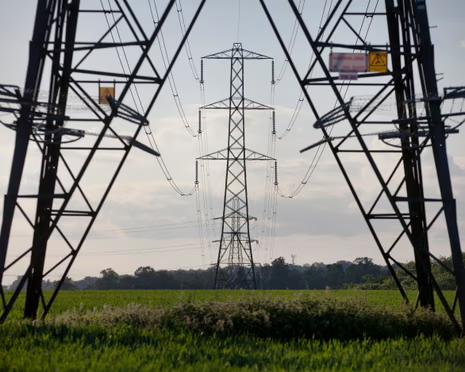
The Engie UK Power Networks deal covers a vast infrastructure footprint across key economic regions. UK Power Networks operates around 192,000 kilometres of power lines. It supplies electricity to approximately 8.5 million homes and businesses. Its service areas include London, the south-east, and the east of England. These regions represent some of the most densely populated and economically active parts of the country.
Catherine MacGregor, chief executive of Engie, described the acquisition as transformative for the group’s long-term direction. She said the agreement strengthens Engie’s position in electricity networks. It also supports the company’s ambition to lead the global energy transition. Her comments highlight how central regulated infrastructure has become to European utilities seeking stable returns.

Electricity distribution networks form the backbone of Britain’s decarbonisation strategy. They connect offshore wind farms, solar parks, and battery storage facilities to consumers. They also support the rapid expansion of electric vehicle charging infrastructure. Without major upgrades, many renewable projects would struggle to secure grid connections.
Britain’s distribution network operators function as regional monopolies under strict regulatory oversight. They earn returns approved by the energy regulator in exchange for delivering investment commitments. This model has historically attracted overseas investors seeking predictable cash flows. The Engie UK Power Networks deal fits squarely within that pattern.
The UK’s energy regulator has approved a five-year investment framework running to 2028. Distribution companies are expected to invest more than £22bn during this period. These upgrades aim to modernise ageing cables and substations. They will also expand capacity to accommodate rising electricity demand.
Industry analysts believe the acquisition reflects confidence in Britain’s regulatory stability. Despite political debate over energy prices, the UK remains attractive to global utilities. Clear rules and long-term frameworks reduce uncertainty for infrastructure investors. This stability is particularly valuable during volatile energy markets.
The deal follows heightened activity across the UK’s regional grid operators. In 2025, Spain’s Iberdrola secured regulatory clearance to acquire a majority stake in Electricity North West. That £5bn transaction expanded Iberdrola’s footprint through its British subsidiary, Scottish Power. Electricity North West has since been rebranded SP Electricity North West.
These transactions illustrate how strategic electricity networks have become across Europe. Utilities are pivoting away from volatile fossil fuel generation. Instead, they are focusing on stable, regulated assets aligned with decarbonisation goals. The Engie UK Power Networks deal reinforces that broader industry trend.
For Engie, the purchase strengthens its presence in a mature yet evolving market. The company has reshaped its portfolio in recent years. It has reduced exposure to coal and certain international assets. At the same time, it has prioritised renewables, flexibility services, and networks.
Executives believe electricity demand will rise steadily over the next decade. Heat pumps, electric vehicles, and digital infrastructure will increase consumption. As Britain shifts from gas heating and petrol cars, distribution grids must handle higher loads. Investment in resilience and digitalisation is therefore essential.
Consumers may wonder how the acquisition will affect household bills. Distribution costs form part of regulated network charges within energy bills. These charges fund infrastructure upgrades and maintenance. Any changes to returns or investment levels require regulatory approval.
Government ministers have repeatedly emphasised the importance of private capital in funding infrastructure. Public finances remain stretched following years of economic turbulence. Overseas investment therefore plays a vital role in maintaining network reliability. The Engie UK Power Networks deal aligns with this financing model.
Energy security remains high on the political agenda. The conflict in Ukraine and global supply disruptions have reshaped European priorities. While distribution networks do not generate power, they ensure reliable delivery. Strengthening grid capacity supports resilience during supply shocks.
Environmental groups broadly welcome investment in electricity networks. They argue grid bottlenecks slow renewable connections and delay emissions cuts. Expanding capacity could accelerate Britain’s climate commitments. However, they also call for careful oversight to ensure fair consumer outcomes.
The seller’s exit marks the end of a long ownership chapter. Li Ka-shing’s conglomerate acquired UK Power Networks in 2010. During that period, the company invested heavily in reliability and digital systems. Performance metrics often ranked it among the UK’s top distribution operators.
Market observers expect regulatory scrutiny before final completion. Major infrastructure transactions typically require clearance from competition and security authorities. Officials will assess national interest considerations alongside market impact. No immediate obstacles have been publicly identified.

The Engie UK Power Networks deal also signals confidence in London’s long-term growth. The capital’s electrification agenda includes expanding electric buses and taxis. Large commercial developments increasingly rely on electric heating solutions. Distribution networks must adapt to these shifting consumption patterns.
For Engie, the acquisition diversifies earnings geographically. Although France remains its core market, international assets provide balance. The UK offers scale, stable regulation, and a strong decarbonisation framework. These factors make it attractive despite political uncertainties.
Investors responded positively to the strategic rationale outlined by management. Analysts highlighted improved risk profiles from regulated revenues. Networks typically deliver predictable returns compared with wholesale generation. This stability supports dividend policies and long-term planning.
The broader context is Britain’s legally binding net zero target for 2050. Meeting this goal requires electrifying transport and heating at pace. Electricity demand could double by mid-century. Grid reinforcement therefore represents a national priority.
As negotiations conclude, attention will shift to integration plans. Engie must align UK Power Networks with its operational standards. Leadership continuity and local expertise are likely to remain important. Customers expect uninterrupted service during ownership transitions.
Ultimately, the Engie UK Power Networks deal reflects structural change within global energy markets. Infrastructure once viewed as mundane now sits at the heart of climate strategy. Electricity networks are becoming platforms for innovation and sustainability. This £10.5bn agreement underscores their rising strategic value.
Related News:
 Reeves Faces Setback as Labour May Miss Homes Target
 Virgin Trains Moves Closer to Challenging Eurostar Monopoly
 Trump’s UK Ambassador Urges North Sea Drilling to Strengthen US Ties
 Ryanair Chief UK Economy ‘Doomed’ Under Labour
 M&S Profits More Than Halve After Cyber-Attack
 Earl of Yarmouth Faces £1.3m Legal Bill Over Family Estate
 Millionaires group urge Reeves to introduce wealth tax to ‘lift kids out of poverty’
 From Lego to Pokémon: How Adults Are Driving UK Toy Market Growth
 New laws to bolster UK’s defences against cyber attacks on NHS, transport and energy
 Canada Passes Carney’s First Budget in Tight Parliamentary Vote
 Starmer Says Labour’s Economic Plan Needs Years to Deliver
 Virgin Media Fined £23.8m Over Telecare Safety Failures
 Starmer Faces Parliamentary Battles Over UK-EU ‘Reset’ Plan
 Reeves Pub Business Rates U-Turn Calms Labour Revolt
 ScottishPower Tops List of Worst UK Energy Suppliers
 Markets Slide As Gold Rally Signals Risk From Trump Greenland Tariff Plan
 UK Eyes Global Investment with Visa Fee Refunds
 City & Guilds pay surge sparks backlash amid £22m cuts
 UK Inflation Hits 3.4% in December, Ending Five-Month Decline
 Trump Fed bid heads to Supreme Court
 ‘Black Tax’: Burden, Pride and Survival for African Workers
 AI job losses UK: Britain faces sharper employment shock
 India-EU Free Trade Deal Marks Historic Economic Shift
 EU Signals Open Mind on UK Customs Union Talks
 Telstra AI jobs cuts as automation drive expands
 BT Names New Openreach Chief Amid Major Fibre Expansion
 UK Banks Plot Payment Backup Amid Trump Fears
 UK Unemployment Rate Climbs to 5.2% Peak
 UK shelves £110m border project amid trade strain
 Aston Martin Cuts 20% Jobs Amid £363m Loss
 Reeves Must Back Defence Plan or Face Dismissal, Says Unite Chief
 Switching Energy Deal Can Save £200 as Price Cap Falls
 Grocery Inflation Rises Amid War Fears
 Peak Greggs fears as profits tumble sharply
 BrewDog sold Highland estate for knockdown price after abandoning reforestation plans
 Yorkshire Water Funding Sparks Debate Amid Fines and Pay Row
 Abramovich Chelsea Sale Cash Faces Jersey Probe
 The Truth Behind Rising Energy Costs and Fossil Fuel Myths
 UK Energy Reform Could Cut Bills by £200
 Oil Slides, Stocks Jump on Trump Peace Signals
 Trump to Deploy “God Squad” Over Gulf Wildlife Protections
 Iran Drone Strike Hits Kuwaiti Oil Tanker in Dubai Port
 Trump Slams Europe as Transatlantic Tensions Boil Over
 UK Small Firms Face Crisis as Energy Bills Double Amid War
 Oil Prices Surge as Trump Issues New Deadline to Iran
 Markets Surge as Trump Agrees to Iran Ceasefire Terms
 Stefano Gabbana Resigns as Chair of Italian Luxury Giant
 Rolls-Royce SMR Secures £600m Boost for Nuclear Future
 Trump Rate Cuts Risk ‘Banana Republic’ Status, Says Yellen
 Lords Demand Larger Fiscal Buffers for UK
 $13bn World Cup Set to Break All Revenue Records
 Trump approval plunges amid Iran war fears
 Heathrow Chair Seeks Peace to Save Third Runway
 Tough Fiscal Realities Await Next Scottish Government
 US Awaits Iran Reply on New Ceasefire Proposal
 Aramco Surges as East-West Pipeline Counters Gulf Tensions
 Big Tobacco Under Fire Over Controversial New Ad Campaign
 High Street Crisis: Fears Grow Over Post Office Closures
 UK Firms Freeze Spending as Iran Conflict Bites
 Summer Shock: British Energy Bills Set for Grim July Hike
 Reeves to Fast-Track Clean Energy Amid Iran Crisis
 Oil Markets Face ‘Red Zone’ Threat Amid Iran Crisis
 Belfast Approves Pilot Extension of Sunday Trading Hours
 Albanese Defends Tax Reforms Amid Emotional Speech
 Tube Strike Brings Capital to a Standstill Over Shift Disputes
 BP Stands Firm on Amanda Blanc Amid Boardroom Storm
 UK House Prices Drop For Third Month Due To War Fears
 Top Chefs Back Andy Burnham to Save UK Hospitality Sector
 GSK Secures Landmark $10.6bn Deal for Nuvalent
 UK Economy Suffers a Sharp Downturn as Iran Conflict Bites
 AI Scams Push UK Investment Fraud Past £220m
 Rethinking the Blueprint for Youth Employment in Britain
 Sainsbury’s Boss Optimistic As Grocery Inflation Eases
 UK Households Suffer Squeeze As Disposable Incomes Drop
 Creditors Eye Thames Water Even Under Nationalisation
 Record £28m Fine for Virgin Media Over Cancellation Woes
 Jet2 Sees Summer Surge Despite Global Tensions
 Ukraine Creates Long-Range Strike Command
 BBC Faces Real Jeopardy as Licence Fee Income Declines
 Thames Water Future Remains Uncertain Amid Funding Crunch