Published: 26 February 2026. The English Chronicle Desk. The English Chronicle Online.
The recent series of Mediterranean storms has left a deep scar across Southern Europe and North Africa. In the small Spanish town of Grazalema, Andrés Sánchez Barea witnessed a terrifying and strange sight. Water began to spurt directly from the electrical plug sockets inside his family guest house. This surreal moment marked the start of a battle against an invisible, rising tide. For Nelson Duarte in Portugal, the horror arrived with the sound of snapping timber. Violent winds smashed heavy trees and tore ancient tiles from the roofs of homes. In Morocco, Amal Essuide watched a rescue boat pull a lifeless body from the water. These stories are fragments of a larger disaster caused by relentless weather patterns lately. An atmospheric machine gun has fired one storm after another at the western Mediterranean. Scientists are now investigating how much the climate crisis influenced these very deadly events. Research suggests that while the trigger is complex, the bullets are getting much bigger.

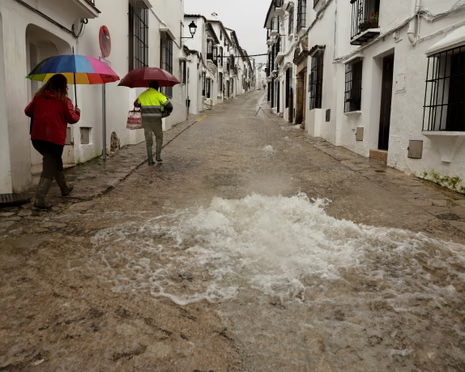
In Grazalema, which is normally the wettest town in Spain, the rain was historic. A full year of rainfall fell upon the region in just two short weeks. This massive volume of water overloaded the karst aquifer located deep beneath the ground. The pressure forced water through floors and walls in a very sudden manner. Local authorities had no choice but to order a full evacuation of the town. Sánchez Barea described the feeling of intense fear as the water rose so fast. He and his neighbours tried to fight the flood, but it was impossible. His home remains inside an exclusion zone as the ground stays dangerously unstable now. The psychological toll on the residents is just as heavy as the physical damage. They wonder if their mountain home will ever be truly safe from water again.
The destruction moved across the border into the Leiria region of central Portugal. Extreme rain broke all previous records during the month of January in four areas. Powerful winds added a layer of violence to the already heavy seasonal rainfall. The Monte Real airbase recorded wind speeds reaching over one hundred miles per hour. The weather station eventually failed after being struck by the force of the wind. This specific storm, named Kristin, cut off all vital communication lines very quickly. Electricity, internet, and telephone services vanished in the dark early hours of the day. This isolation made the situation much more dangerous for the local families trapped inside.
Nelson Duarte is a local beekeeper who lost half of his hives that night. He described the experience of hearing his own house rattle under the massive pressure. The wind became a deafening and relentless roar that drowned out all other sounds. He and his family huddled indoors to avoid flying glass from the windows. Duarte felt that the atmosphere was truly terrifying during the peak of the storm. He genuinely feared that the structure of his home might not hold up. While his house survived, many other buildings in the area were not so lucky. The physical landscape of the region has been changed by the fallen trees.
Tragedy struck the nearby town of Carvide during the height of the gale winds. Ricardo Teodósio was working on a garage roof with his elderly father that morning. The structure suddenly collapsed under the weight of the rain and wind pressure. The father managed to walk two miles to find help despite his injuries. Unfortunately, Ricardo was trapped under the heavy rubble and died before help arrived. João Lavos, a local fire commander, said the situation was entirely without any precedent. His team attended fifty major emergencies within a single twenty-four-hour period of time. Two people lost their lives in that specific region during the peak chaos. The local emergency services were stretched far beyond their normal operating limits that day.
Western Europe has now faced sixteen rapid-fire Mediterranean storms during this current weather season. A shift in atmospheric currents is moving these systems much faster than before. Some scientists believe this pattern will become a regular feature of a hotter planet. The exact role of global heating is still a subject of intense study. However, early data from Climate Central shows a very clear and troubling link. A marine heatwave made the February storms ten times more likely to occur now. The warm water acted as high-octane fuel for the clouds as they formed. This extra energy allowed the storms to hold much more moisture than usual.
A new study by World Weather Attribution has provided more specific scientific details. Carbon pollution has made the rainfall significantly stronger across the entire Mediterranean basin. In the city of Safi, Morocco, the impact was felt in the pottery district. Explosive waves of mud shattered fragile ceramics as the local souk was quickly swamped. Forty-three people have died in storms across Morocco since the middle of December. Most of these deaths occurred in the narrow streets of the ancient medinas. The surging water turned these historic alleys into deadly traps for the local residents.
Amal Essuide watched the chaos from the roof of her hotel in Safi. She initially thought the damage would be manageable for the local business owners. Her perspective changed when she saw the rescue teams recovering a deceased person. The reality of the Mediterranean storms became very clear and very frightening then. Data shows that extreme rainfall days now unleash one-third more water than before. This increase has been measured against records dating back to the nineteen fifties. Scientists at Imperial College London say the evidence for this change is quite strong. The amount of water available in the atmosphere is rising as temperatures go up.

The European Union has received warnings that the continent is failing to adapt. Science advisers claim that infrastructure is not ready for such extreme weather events. Nelson Duarte believes that emergency warnings in Portugal did not create enough public alarm. He noted that many people were caught completely by surprise by the storm. He believes the death toll would have been higher during the daylight hours. People would have been outside or traveling on the roads when trees fell. The timing of the storm at night likely saved many lives in Leiria. However, the lack of preparedness remains a major concern for the local community.
In Spain, the coordination between different political authorities was much more successful during crises. The leadership in Grazalema worked closely with officials in the nearby town of Ronda. This cooperation allowed for a very swift and safe evacuation of the residents. Mario Sánchez Coronel, a local shop owner, praised the authorities for their quick actions. He believes they did the right thing under an incredible amount of pressure. His wool blanket factory survived with only minor flooding, which he called a miracle. Like many others, he now lives with a constant sense of deep anxiety. He worries that even worse weather events might be coming in the future.
The recovery process for these Mediterranean communities will take a very long time. Rebuilding homes and businesses is only part of the challenge they face now. Governments must find ways to manage the rising threat of extreme rainfall events. Better warning systems and stronger infrastructure are now a matter of life and death. The Mediterranean storms are no longer just seasonal events for the local people. They have become a devastating force that defines the new reality of the region. As the planet continues to warm, the lessons from these tragedies are vital. Communities must adapt quickly to survive the next cycle of the atmospheric machine gun.
Related News:
 Top Christmas Books Reads: Classics to Cozy Romcoms
 Army Probes Apache Flyover at Kid Rock’s Nashville Estate
 Terence Stamp, ’60s British Film Legend and Star of Superman, Dies at 87
 Fabio Wardley stuns Joseph Parker to earn Usyk title shot
 British Woman in Iran ‘Losing Hope’ Amid Ongoing Detention
 Prunella Scales: From Fawlty Towers Icon to Beloved Canal Explorer
 BBC Journalist Held and Interrogated in Vietnam
 Charlie Kaufman: They told me Being John Malkovich would never get made
 The Line of Beauty, Almeida review: A wild, witty ride through Thatcher-era high society
 Kate Winslet to Narrate Film Highlighting King’s Environmental Mission
 Hollywood Is an Industry of Looney Tunes Pretending to Be Normal
 Trump Speaks on Prince Andrew’s Royal Scandal Fallout
 UPS Cargo Plane Crash in Kentucky Kills Seven
 Just Stop Oil Protesters Convicted Amid Climate Defence Row
 Oprah enjoys Meghan’s jam on English muffins
 Pauline Collins, Beloved ‘Shirley Valentine’ Star, Dies at 85
 Tension and Turmoil at Aston Villa v Maccabi Match
 British Grandmother to Return Home After Death Sentence in Bali
 I’m a Celebrity 2025 line-up revealed: Osbourne joins
 Lando Norris Dominates Brazil GP to Strengthen F1 Title Bid
 BBC director-general and news chief resign amid bias row
 Palace May Restore Hyphen to Andrew Mountbatten-Windsor’s Name
 VAR Must Rein Its Neck In to Save Football’s Spirit
 Ronaldo Confirms Final World Cup and Plans Retirement
 David Szalay’s ‘Flesh’ Wins 2025 Booker Prize
 Pop Stars Call on UK Government to Cap Resale Prices for Fans
 Rama Rebukes Mahmood for Targeting Albanian Families
 Russian Vessel Used Lasers on RAF Pilots, UK Claims
 TikTok Star Jessie Yendle Mocked by KFC
 Royal Navy Shadows Russian Warships Entering the Channel
 Reggae Legend Jimmy Cliff Dies at 81
 Starmer China visit raises human rights pressure on Beijing
 UK and EU Signal Fresh Push for Defence Cooperation Talks
 UK New Car Discounts Near £6,000 as Prices Are Slashed
 John Lithgow criticises Rowling stance in trans debate
 Starmer Condemns ‘Depraved’ Russian Strikes on Ukraine
 Sydney Protest Pepper Spray Clash During Herzog Visit
 Robert Duvall dies aged 95, Hollywood mourns
 Mexico Challenges UK Asylum Decision
 Trump and Chagos Deal Rift Over Iran Strikes
 Andrew Mountbatten-Windsor Arrest After FBI Radar
 Farage Chagos Islands Row Sparks Fury
 Trump Tariffs Threat Spark UK and EU Alarm
 The Hidden Dark Side of Early Reality TV Fame
 Middle East evacuation plans for Britons
 Iranian Australian community divided after vigils
 Trump rebukes Starmer over Iran strikes
 US Iran strikes strain special relationship
 Iran War Threatens Globalisation and UK Economy
 UK Rescue Flight Delayed Amid Middle East War
 UK Rescue Flight Leaves Oman After Delay Amid Evacuation Effort
 UK Prepares Aircraft Carrier for Middle East Crisis
 Yvette Cooper: UK Must Follow Principles, Not US Pressure
 Iran War Warning: Starmer Backs Ukraine Visit
 UK Minister Denies Iran Missile Threat to Britain
 Middle East Conflict to Hit UK Economy Hardest
 US Senators Slam Ticketmaster Over Sneaky New Fee Hikes
 Keir Starmer Expresses Concern Over Kanye West Wireless Festival Dates
 Zelenskyy Warns US Trust in Putin Risks Middle East Safety
 X Factor Star Chico Slimani Convicted of Drink-Driving
 Beckham Joins King’s Chelsea Flower Show Team
 Charles Faces Trump Test in High-Stakes US Visit
 Premier League drama defines crucial weekend
 Ceasefire Standoff Deepens in Ukraine War
 Koh-i-noor Diamond Row Reignites Colonial Debate
 Tragedy in the Maldives: Inside the Deep Sea Rescue
 US Ebola Case Sparks Urgent Global Screening Measures
 UK Pushes for New EU Goods Trade Deal
 Reeves Fights to Keep Treasury Role Amid Labour Turmoil
 Starmer Leadership Under Pressure After Setbacks
 Deadly Russian Air Raids Strike Across Ukraine
 Russian Frigate Fires Warning Shots Near British Yacht
 BBC Faces Backlash Over Ashley Cain Vetting Failures
 BBC Faces Backlash Over Ashley Cain Vetting Failures
 The ‘Special Relationship’ at 250: Irrelevance or Influence?
 New South Wales Premier Chris Minns Signals Tough Road Ahead for Labor
 Violent London Clash After World Cup Semi-Final Match
 Labour MPs Urge Burnham to Revive UK Aid Target
 Dua Lipa Backs Albania’s Fight Against Kushner Resort
 UK’s Largest Muslim Convention Scales Up Security Amid Rising Bigotry