Published: 27 February 2026. The English Chronicle Desk. The English Chronicle Online.
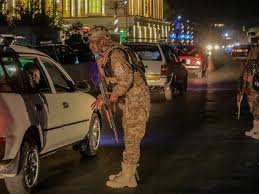
Pakistan bombs Kabul in a dramatic escalation of tensions with Afghanistan, shaking an already fragile ceasefire agreement and raising fears of a broader regional crisis. The strikes came early Friday morning after Afghan forces launched a cross-border assault on Pakistani troops late Thursday night. Residents in the Afghan capital reported hearing at least three loud explosions before dawn, sending shockwaves across neighbourhoods and reigniting anxiety among civilians who have endured months of unrest.
Officials in Islamabad described the action as a necessary and proportionate response to what they called open aggression. Prime Minister Shehbaz Sharif said the armed forces possessed the full capability to crush any hostile ambitions. His remarks, shared through official government channels, underlined the seriousness of the confrontation and the political backing for military operations. He stressed that the entire nation stood shoulder to shoulder with the country’s security forces during this tense period.
Afghanistan’s authorities, led by spokesperson Zabihullah Mujahid, confirmed that explosions had struck Kabul and other regions. They also alleged additional air raids in Kandahar and in areas close to the south-eastern frontier. According to Afghan defence officials, the cross-border attack on Pakistani positions had been carried out in retaliation for earlier air strikes that reportedly killed Afghan soldiers and civilians near disputed zones.

The Afghan defence ministry claimed that dozens of Pakistani soldiers were killed during Thursday night’s clashes. It stated that some bodies had been recovered and others were captured alive. Pakistani officials strongly rejected these assertions. Information Minister Attaullah Tarar said only two soldiers were killed and three injured, while dozens of Afghan fighters had been neutralised. A spokesperson for the prime minister’s office denied that any Pakistani troops had been taken captive.
The sharply conflicting casualty figures illustrate the deep mistrust that continues to define relations between the two neighbours. Both governments have used strong language in public statements, reflecting a widening diplomatic gap. Months of tit-for-tat exchanges along the frontier have steadily eroded confidence in peace efforts that once appeared promising.
In October 2025, mediation efforts involving Qatar and Turkey produced a ceasefire agreement aimed at stabilising the volatile border. That agreement briefly reduced hostilities but failed to address underlying disputes. Since then, periodic skirmishes have reignited suspicion and anger on both sides. Land crossings have remained largely closed, disrupting trade routes and separating families who depend on cross-border movement for work and medical care.
At the heart of the tension lies a 2,611-kilometre frontier known as the Durand Line. Afghanistan has never formally recognised this boundary, which was drawn during British colonial rule. Pakistan considers it an internationally accepted border. The disagreement has fuelled decades of political friction and occasional violence.
Islamabad has long accused Afghanistan of harbouring militant groups responsible for attacks inside Pakistan. Afghan authorities deny these claims and counter that Pakistani air strikes have violated their sovereignty. The latest round of violence reflects this persistent cycle of accusation and reprisal.
Civilians have once again borne the brunt of the escalation. Afghan officials said a refugee camp near the Torkham crossing was evacuated after shelling wounded several people and killed thirteen civilians, including women and children. On the Pakistani side, local police confirmed that residents in border communities were moving to safer areas as fears of further strikes mounted.
Witnesses in Kabul described scenes of confusion and fear following the early morning explosions. Many residents rushed indoors while emergency services attempted to determine the locations and impact of the blasts. As of Friday afternoon, there was no official confirmation of casualty numbers within the capital itself. Hospitals remained on alert, and authorities urged the public to remain calm.
The international community reacted with concern. United Nations Secretary-General António Guterres called on both governments to protect civilians and adhere to international law. Through his spokesperson, Stephane Dujarric, he emphasised the importance of diplomacy and restraint. The UN reiterated its willingness to support renewed dialogue aimed at preventing further bloodshed.
Regional analysts warn that continued escalation could destabilise South Asia at a sensitive time. Both countries face economic challenges and internal security pressures. Sustained military confrontation would strain already limited resources and complicate humanitarian efforts. For Afghanistan, still grappling with international isolation, renewed conflict threatens further hardship. For Pakistan, rising insecurity along its western border risks diverting attention from domestic priorities.
There are also broader geopolitical implications. Pakistan’s strategic partnerships and Afghanistan’s shifting alliances could draw other regional players into diplomatic manoeuvring. While neither government has signalled an intention to widen the conflict, the rhetoric from officials suggests that trust is at a low ebb.
Despite the strong statements, some observers believe there remains space for de-escalation. Past crises between the two nations have often subsided after intense but brief exchanges. Diplomatic backchannels, including mediation by Gulf states, may once again play a role. However, any durable solution will require addressing long-standing grievances surrounding border recognition and militant activity.
For families living near the frontier, the priority is safety rather than politics. Schools in several districts have closed temporarily, and local businesses report sharp declines in activity. Humanitarian organisations are monitoring the situation closely, particularly in refugee settlements that could face shortages if supply routes remain blocked.

The renewed violence has also sparked debate within both countries about the effectiveness of military solutions. Critics argue that repeated strikes risk entrenching hostility rather than resolving disputes. Supporters maintain that firm action deters further attacks and protects national sovereignty. This divide reflects broader questions about security strategy in a region shaped by decades of conflict.
As Pakistan bombs Kabul and other areas, the fragile balance between deterrence and escalation hangs in the balance. Each new development adds urgency to calls for dialogue. While official narratives differ sharply, the human cost of continued confrontation is unmistakable.
In the coming days, attention will focus on whether diplomatic channels can reopen. Statements from both capitals suggest readiness to defend national interests, yet neither side appears eager for a prolonged war. The coming weeks may determine whether the current crisis becomes a turning point or another chapter in a long-running rivalry.
For now, communities on both sides of the border remain cautious. The echoes of explosions in Kabul serve as a stark reminder of how quickly tensions can erupt. The path back to stability will require patience, compromise, and sustained international engagement.
Related News:
 BBC to Apologise Over Edited Trump Speech Amid Backlash
 Britain deploys RAF specialists to assist Belgium with drone threats
 Palace May Restore Hyphen to Andrew Mountbatten-Windsor’s Name
 Greene Pushes Epstein Files Amid Trump Fallout
 December Run-Off in Chile as Election Produces No Winner
 Zelenskyy Signs Fighter Jet Deal Amid Russian Drone Attacks
 Canada Passes Carney’s First Budget in Tight Parliamentary Vote
 Shadow Fleet at Sea: Europe’s Battle Against Illicit Oil Shipping
 Tiny Curacao Makes History as Smallest Nation to Reach World Cup
 Deadly Russian Strikes Hit Western Ukraine, 20 Killed in Ternopil
 Ukraine Peace Plan: Zelensky Ready for Dialogue
 Royal Navy Shadows Russian Warships Entering the Channel
 US Suspends Afghan Immigration After White House Shooting
 Georgians Defy Government Crackdown After Year of Protests
 Tokyo court rules Japan’s same-sex marriage ban constitutional
 ‘Extinct’ Antelope Returns to Sahara, Bringing Hope
 American Mother Extradited From UK to U.S. on Murder Charges
 Irish Beach Tragedy: Irish Drown at Whitehaven Beach in Australia
 Sanctioned oil tankers sail Channel amid Russia scrutiny
 US and UK Withdraw Personnel as Middle East Tensions Rise
 Half the World’s Largest Cities Face Rising Water Stress
 Pentagon Signals Reduced Role in Deterring North Korea
 UK and US Drop in Global Corruption Index Rankings
 SA Police Intensify Search in Gus Lamont Case
 Canberra Poster Seizure Sparks Free Speech Row
 Evo Morales Returns After Mysterious Absence
 El Mencho Killed as Mexico Faces Violence
 Australian children in Syria deserve safe return
 Greenpeace $345m Ruling Sparks Appeal Battle
 Jacinda Ardern Moves To Australia Following Her US Fellowships
 Iranian Australian community divided after vigils
 UK Rescue Flight Delayed Amid Middle East War
 Seventh US Service Member Killed in Iran Conflict Identified
 Iran Defiance Grows Amid US-Israel War Pressure
 US Missile Strike on Iran School Sparks Global Shock
 Canada Plasma Deaths Raise Safety Concerns After Two Donors Die
 US Attack on IRIS Dena Shocks Indian Ocean Security
 Australian Petrol Crisis Deepens as Local Stations Run Dry
 Gulf Tensions Rise as Iran Alleges Covert Support
 Oil Slides, Stocks Jump on Trump Peace Signals
 Danish Election Deadlock Shakes Frederiksen’s Grip
 Bondi terror attack linked to global rise in IS plots
 Pope Rebukes Leaders for War as Middle East Tensions Rise
 Army Probes Apache Flyover at Kid Rock’s Nashville Estate
 Iran Drone Strike Hits Kuwaiti Oil Tanker in Dubai Port
 Artemis II: Humanity Returns to the Moon After Decades
 Nuns of Schloss Goldenstein Move Closer to Staying Home
 Italian Town Buys Mussolini Villa to Keep Away Fascist Fans
 Report Says Pezzullo Acted ‘Recklessly’ in Dealings
 Trump and Tehran Find Common Ground in Landmark Ceasefire
 Suspected Plot Targets Pipeline Before Hungary Vote
 Reeves Slams Trump Over Iran War Lack Of Exit Plan
 Learner Driver Charged After Expo Tragedy
 Coalition pushes fossil fuel phaseout plan
 Trump approval plunges amid Iran war fears
 Ohio’s Battle for Trust: Democrats Vying to Flip the Buckeye State
 US ‘Narco Boat’ Strikes Draw Global Outcry
 FIFA Confirms Global Ban for Benfica Star Prestianni
 US Awaits Iran Reply on New Ceasefire Proposal
 US and Mexico Face Heatwave as Floods Batter South Africa
 Putin Signals War End as Russian Momentum Stalls
 Australia Welcomes the Iconic Michelin Guide
 Scepticism and tight security as Beijing braces for Trump
 Philippine Senator Flees After Days Under Senate Siege
 Tensions Flare as Israeli Nationalists March in Jerusalem
 High Street Crisis: Fears Grow Over Post Office Closures
 Xi Hosts Putin for Talks Right After Trump Visit
 Fragile Truce Shattered as Violence Escapes Diplomatic Control
 Oil Markets Face ‘Red Zone’ Threat Amid Iran Crisis
 Pope Meets Families in Italy Toxic Waste Zone
 Discontent grows around Putin amid war strain
 US Strikes Iranian Sites Amid Shaky Ceasefire Talks
 Starmer Leadership Under Pressure After Setbacks
 Papal Visit Offers Political Lifeline to Spanish Premier
 Aukus Deal Facing Fierce Backing and Historic Criticism
 Thai Princess Bajrakitiyabha Passes Away at 47
 Le Pen to Run for President Despite Embezzlement Conviction
 Ukraine Creates Long-Range Strike Command
 Houthis Strike Saudi Arabia as Middle East Tensions Rise
 Former Diplomats Urge UK and France to Act on Palestine