Published: 27 February 2026. The English Chronicle Desk. The English Chronicle Online
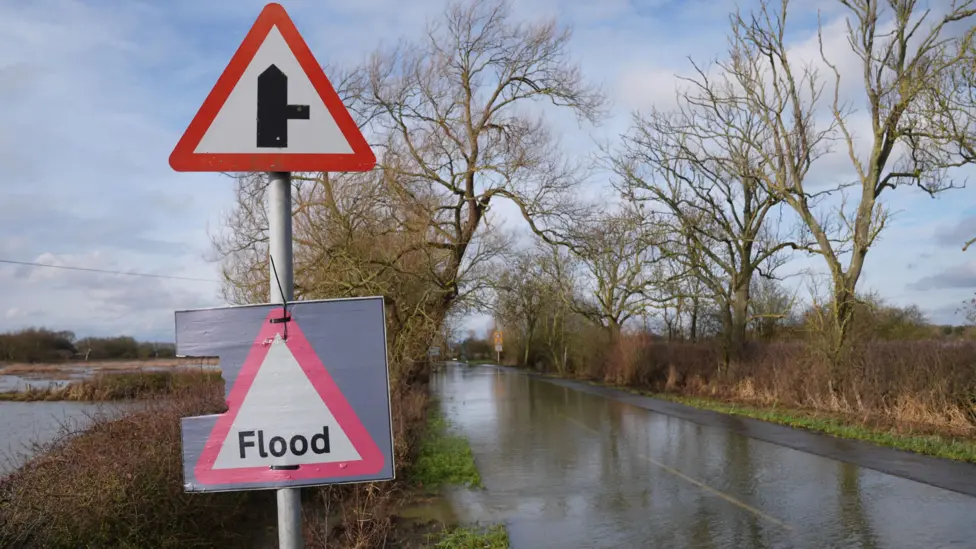
Despite widespread flooding, storms and what many residents have perceived as a punishing winter, the UK’s 2025–26 winter season is not approaching record‑breaking status, according to provisional figures from the Met Office and related weather analyses. After weeks of persistent rain and unsettled conditions, climate scientists emphasise that the season’s overall statistics remain well within historical norms.

Meteorological data compiled up to 25 February 2026 show that total rainfall across the UK as a whole is tracking roughly 9 per cent above the long‑term average for the season — “wet, but nowhere near record‑breaking territory,” as the Met Office put it. England has experienced about 35 per cent above average rainfall, Northern Ireland about 25 per cent above, and Wales around 14 per cent above average; Scotland, by contrast, has been 16 per cent below its usual winter total.
The persistent pattern of low‑pressure systems over the Atlantic — driven by a jet stream configuration that has delivered frequent fronts and storms — has contributed to a sense of unrelenting damp weather in many regions. The near‑continuous run of rain has brought repeated flood warnings and challenging conditions for agriculture, families and communities across southern and western England.
Some local areas have seen very high regional rainfall totals, with Devon and Cornwall recording one of their second‑wettest winters on record and parts of southern England experiencing their seventh wettest winter. However, these regional extremes do not amount to a national record for the entire UK.
Winter also included a notably mild February spell in many parts of England, with temperatures reaching the high teens Celsius — conditions more reminiscent of early spring than deep winter, though not without precedent.
Scientists note that local memory of “exceptional” weather can contrast with long‑term data. Heavy rainfall in some months and flooding episodes can create strong impressions of an extraordinary winter, even when seasonal totals remain moderate overall. This year’s mixed pattern — combining heavy rain, warm spells and unsettled stormy periods — reflects the UK’s variable climate rather than a record‑breaking seasonal anomaly.
Factors influencing the weather include atmospheric circulation patterns such as a blocked jet stream, which can lead to stalled weather systems and persistent rain in the UK. While climate change is expected to increase the frequency of wetter winters over the long term, individual seasonal totals still fluctuate significantly from year to year.

Looking back at historic extreme winters — such as the Big Freeze of 1962–1963, one of the coldest on record — provides perspective on the wide range of winter weather experienced in the UK over time. Unlike those historically exceptional seasons, this winter has shown no definitive statistical evidence of breaking national records, even amid its dramatic local impacts.
Related News:
 Dozens of Flood Warnings in England After Days of Non-Stop Rain
 Flooding May Worsen Before It Improves as More Rain Forecast for the UK
 What is Groundwater Flooding and Why Dorset is Seeing ‘Historical Highs’
 UP IN FLAMES: Huge Blaze Rips Through Odeon Cinema, Students Evacuated
 Temperatures Dip Below Freezing as Arctic Air Sweeps Across the UK
 Fast-moving Wildfires Rage Across Southwestern US
 Snow and Rain Warnings as Cold Snap Continues in the UK
 Break from Wintry Weather as UK Temperatures to Climb to 14 °C
 Deer Shooting to Be Facilitated in England to Protect Woodlands
 ‘The New Tobacco’: Cities Ban Fossil Fuel Adverts
 Storm Hernando: Edinburgh Airport Flights Cancelled in US Travel Chaos
 Storm Hernando: Edinburgh Airport Flights Cancelled in US Travel Chaos
 ‘Mountain Rescue Gives Incredible Satisfaction’
 Spring‑Like Warmth to Peak on Wednesday with 18 °C Forecast
 Why I Rinse My Recycling and Give It to My Mum
 Scotland’s Climate Plans Face Scrutiny Over ‘Science Fiction’ Targets
 “Enough is Enough”: Local MP Vows to Fight Rainham Quarry Plans
 Heat, Drought and Fire Push UK Nature to Breaking Point in 2025
 UK Snow Forecast Arctic Blast to Bring Up to 11 Inches of Snow
 Norfolk Coastal Graves at Risk as Erosion Deepens Family Anguish
 Record Wildfires Sweep England Amid Hottest 2025 Summer
 Winter plant bloom signals climate breakdown in UK
 Local Fish Could Boost UK Health and Economy Significantly
 World’s richest 1% consume annual emissions in just ten days
 Storm Goretti leaves Cornwall homes without power
 Robo-Vaccination Could Transform Fight Against Bovine TB
 Kent Residents Continue Facing Water Supply Disruptions
 No Gas Boiler Ban as UK Warm Homes Plan Backs Heat Pumps
 Judi Dench Champions Fight to Save London’s Green Spaces
 UK joins North Sea wind grid pact with nine European nations
 Devon hosts first high-density hydro power system
Storm Chandra floods Somerset, triggers major incident declaration
Devon hosts first high-density hydro power system
Storm Chandra floods Somerset, triggers major incident declaration
 UK Pfas Action Plan Faces Criticism From Environmentalists
 South Africa’s Garden Route Gem Faces Looming Water Crisis
 Labour Utterly Humiliated by Straight-Talking Mum Who Cut Through Keir Starmer’s Insanity
 Royal Family LIVE: ‘Pariah’ Andrew Mountbatten-Windsor Sparks Fresh Revolt Among Staff
 GMB Issues Bombshell Andrew Update Minutes Into Show as Furious Viewers ‘Switch Off’
 Draft Severe Weather Plan Following Storm Flooding
 Wigan Dump Crisis Sparks Health and Safety Alarm
 Tributes to Hospital’s First Black Ward Sister
 Cameras Installed to Monitor Flood Levels Across Vulnerable Areas
 Fish disco plan could save 90% of fish at Hinkley C
 Aberdeen Chosen for GB Energy HQ at Marischal Square
 Renters Furious as Decent Homes Standard Delayed Until 2035
 The Victorian aristocrat who became Britain’s first Muslim lord
 FLOOD TRAGEDY: Man Dies After Entering Floodwater During Police Chase
 BRRRITAIN: Met Office Issues Yellow Weather Warning for More Snow
 Motorists Could Face ‘Mandatory’ Driving Ban for Road Offences Under Tougher Laws
 Royal Mail Blames Poor Weather and Sickness for Delayed Deliveries
 Disability and LGBT Hate Crimes Set to Become Aggravated Offences
 Teacher Who Lied About Cambridge Degree Banned From Profession
 Illegal Skin Lightening Cream Being Sold in UK Butchers, Watchdog Warns
 Last‑ditch Call to Save Police Front Counters in London
 Deaf Woman Killed After Night Out With Strangers, Court Hears
 Flood risk homes surge across England builds
 Shutting North Sea ‘Will Drive Up Carbon Emissions’
 Deer Shooting England: New Plan to Protect Woods
 Illegal Waste Dumping: New Drone Unit Launched
 Two Teens Found Dead at East Yorkshire Holiday Park
 Fly-Tippers to Be Hunted by ‘Drone Squad’ in Crackdown from the Sky
 Dad Found in Bed with Daughter 16 Years After Abandoning Her as a Child
 Store at Famous Shopping Village to Close After 18 Years Due to Rising Costs
 I Confronted a Mugger with an 18-Inch Machete in London – No Wonder Tom Cruise is Leaving
Tesco Announces New Rule for Customer Parking Spaces – ‘We Need These Everywhere!’
I Confronted a Mugger with an 18-Inch Machete in London – No Wonder Tom Cruise is Leaving
Tesco Announces New Rule for Customer Parking Spaces – ‘We Need These Everywhere!’
 UK-Bound Jet2 Flight from Spain Declares Mid-Air Emergency Over English Channel
 ‘Don’t Make Us Security Guards,’ Says Teacher Stabbed by Pupil
 Bumper Ski Season but Avalanches Threaten Scotland’s Snowy Hills
 Closing Factory Workers Paid to Help at Food Bank
 Schools in England to Get Budget for Children with Special Needs as Part of SEND Overhaul
 Mystery GP on Train Saves Passenger’s Life
 Victorian Bridge Could Be Saved by Traffic Ban
 BBC Apologises After Racial Slur Aired at BAFTAs by Guest With Tourette’s
 Sadistic Pair Jailed for Blowing Up Sheep
 Will the New SEND Reforms in England Work? You Have Your Say
 BBC Edited a Second Racial Slur Out of BAFTA Ceremony
 Group Expands Legal Claim Over South West Water Pollution
 Police Appeal After Goshawk ‘Brutally Shot’
 UK’s First Geothermal Plant Powers 10,000 Homes
 Miliband Says Climate Impact of Data Centres Is Uncertain