Published: 3 March 2026 . The English Chronicle Desk.
The English Chronicle Online
As the United States and allied forces carry out major military strikes against Iran, questions have arisen in Washington and around the world about whether President Donald Trump formally declared war and whether Congress approved the attacks — matters rooted in the U.S. Constitution’s allocation of war powers and longstanding practice in U.S. foreign policy.

Under the U.S. Constitution, only Congress can formally declare war. That power, specified in Article I, Section 8, cannot be exercised unilaterally by the president. The last formal declaration of war by Congress was in World War II; subsequent major U.S. military engagements have typically proceeded without a formal declaration but often with congressional authorisations or under executive authority as commander in chief.
In the current situation, Mr Trump did not seek a formal declaration of war from Congress before approving joint U.S.‑Israeli strikes on Iranian territory that included the killing of Iran’s Supreme Leader and extensive attacks on military infrastructure. All major congressional leaders were briefed before the operation began — including the bipartisan “Gang of Eight” of congressional leadership and intelligence committee chairs — but no vote or formal approval was passed authorising the use of force.
Instead, the administration has relied on presidential authority under Article II of the Constitution and interpretations of the War Powers Resolution of 1973, a federal statute intended to regulate the president’s use of U.S. armed forces without explicit congressional authorisation. That 1973 law requires a president to notify Congress within 48 hours of committing forces to hostilities and limits such action without congressional authorisation to roughly 60 days — but it does not itself constitute approval for war, and presidents have long disputed its constraints.
Because the military operation against Iran has not been formally authorised by Congress, some lawmakers have criticised the administration’s approach. Democratic and some Republican members of both chambers have condemned the strikes as a “war of choice” lacking congressional consent and called for votes on resolutions that would limit the president’s war powers or require legislative approval for continued operations.

Supporters of the administration’s position argue that the president, as commander in chief, has constitutional and statutory authority to act to protect U.S. interests and pre‑empt imminent threats, and that briefing congressional leaders satisfied notification requirements. Republicans controlling both chambers have largely backed the strikes, though procedural questions remain unresolved.
Related News:
 Hopes and Fears as US Iranians Take to Streets After Toppling of Supreme Leader
 Iran, the US, and a World Cup That Starts in Three Months
 Trump’s Iran Endgame Unclear After Mixed Messaging on War Aims
 Iran Says ‘Guiding Principles’ Agreed With US at Nuclear Talks
 US Pushes to Recruit Organised Crime Gangs into Gaza Police Force
 US Urges Iran to Make Deal as Military Presence Rises
 US Build-Up of Warships and Fighter Jets Tracked Near Iran
 Trump’s Foreign Policy Dilemma Laid Bare by Iran Tensions
 US Partially Evacuates Beirut Embassy Amid Rising Iran Tensions
 Israel and Hezbollah Exchange Fire as Conflict Worsens
 Iran’s Regime Still Intact — Coming Days Will Test Its Survival
 Allies of US in the Gulf Bear Brunt of Iran Attacks
 Retaliations Continue on Day Two of US-Israel Attacks on Iran
 At Least 153 Dead After Reported Strike on School, Iran Says
 At Least 153 Dead After Reported Strike on School, Iran Says
 ‘It’s Eerie’ – Dubai on Edge as City Comes Under Attack
 BBC Reports from Beit Shemesh After Deadly Iranian Missile Strike
 Allies of US in the Gulf Bear Brunt of Iran Attacks
 Israeli Attacks Kill 31 in Lebanon, Iran Strikes Across Region, US Warplanes Crash in Kuwait
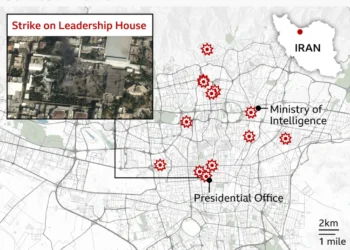 In Maps: Strikes Across Iran and the Middle East
 Months of Planning Behind US‑Israeli Mission to Target Iran’s Supreme Leader
 Cooper: Joining US Strikes on Iran ‘Not in Britain’s Interest’
 What Khamenei’s Death Means for Russia and China
 Tehran Makes New Threat to Gulf Shipping as US Says ‘Hardest Hits’ on Iran ‘Yet to Come’
 Two National Guard Soldiers Critically Injured Near White House
 Trump to Recheck Green Cards from 19 Nations After DC Attack
 American Mother Extradited From UK to U.S. on Murder Charges
 Russia losses Ukraine war peace talks intensify amid rising deaths
 Trump Taiwan China drills: US President Downplays Tensions
 US Venezuela protests sweep cities after intervention
 US Cities Erupt in Protests Against Trump’s Venezuela Military Action
 Trump Escalates Minnesota Immigration Surge Amid Rising Tensions
 Trump Says US Must ‘Own’ Greenland to Block Russia, China
 Trump Weighs Response to Iran Crackdown as Tehran Says Communication Open With US
 Australia’s US Ambassador Rudd to Step Down Early
 US Clears Nvidia AI Chip Sales to China in Policy Shift
 Trump Threatens Strong Action If Iran Executes Protesters
 Trump Receives Machado’s Nobel Medal in White House Meeting
 Greenland Crisis Forces Europe to Draw a Line With Trump
 Iran Cannot Be Bombed Into Democracy, Only Helped There
 Trump Aide Sparks Fury as Greenland Dispute Intensifies
 EU Says US Ties Have Suffered ‘Big Blow’ After Greenland Crisis
 Arizona border shooting leaves suspect hospitalised after agent pursuit
 Videos reveal earlier clash before Alex Pretti shooting
 ‘Painful Times’ as Melinda Gates Responds to Epstein Files
 Trump Praises ‘Terrific’ Petro After White House Talks
 Fears of New Arms Race as US-Russia Nuclear Weapons Treaty Expires
 US Military Says Two Killed in Strike on Alleged Drug Boat in Eastern Pacific
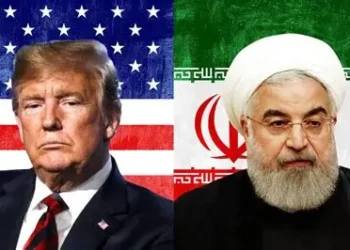 US and Iran Hold Nuclear Talks as Trump Ramps Up Military Threats
 Venezuela’s Opposition Says Party Leader Kidnapped Hours After Being Freed
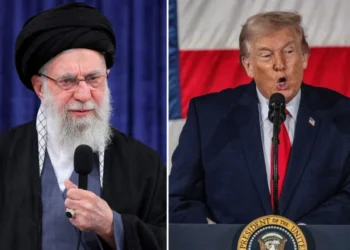 Trump Says Iran Regime Change Is “Best Thing That Could Happen”
 Obama Slams Trump’s Racist ‘Ape’ Video Amid Backlash
 Actor Robert Duvall, Who Starred in The Godfather, Dies Aged 95
 ‘He Did It for Us’: US Soldier Recalls Jesse Jackson’s Efforts to Free Him and Two Other POWs
 ‘I Would Scream in My Sleep’: Alawite Women from Syria Tell of Kidnap and Rape
 Stephen Colbert Says CBS Spiked Interview With Democrat Over FCC Fears
 Moment Officers Rescue Injured Bald Eagle From Icy Hudson River
 Eight Skiers Found Dead After California Avalanche
 Desperate Hunt for Breakthrough in Nancy Guthrie Case Turns to Mexico
 US Will Not Back Out of Tariff Deals with UK and Others, Says Trump Trade Representative
 Who Was El Mencho, Mexico’s Most Wanted Man?
 Ukraine Negotiator Reveals What It Feels Like Facing Russia
 Mandelson Arrested Amid Political Turmoil as Ukraine Marks Four Years of Conflict
 Inside Atlanta’s Soul Food Revolution
 Russian Troops Executed by Commanders, Soldiers Tell BBC
 Ukraine war briefing: Why Ukraine remains defiant and does not feel close to defeat
 ‘Anyone who runs is shot’: Russian soldiers describe killings of troops who refuse orders
 Ukraine remembers its dead as war enters a fifth year
 Threat of Further Violence Looms After Mexican Cartel Rampage
 Bill Gates ‘Took Responsibility’ Over Epstein Ties in Staff Meeting, Foundation Says
 ‘Fear Is Everywhere’: Reports From Mexican City Turned Into War Zone by Drug Cartel Feud
 US ‘Suitcase Murderer’ Deported From Bali After 11 Years in Jail
 Orbán Accuses Ukraine of Disrupting Oil Supplies to Hungary
 Clinton Testimony Erupts in Fiery Exchange
 American Citizen Killed in Cuba Boat Shooting, U.S. Officials Say
 Middle East Flights Halted After Iran Strikes
 Trump Faces Questions Over Iran Conflict Plan
 UK Will Allow US to Use Bases to Strike Iranian Missile Sites, PM Says
 US Iran Operation: Sixth Service Member Killed
 Hezbollah Anger Erupts as War Returns to Beirut