Published: 03 March 2026. The English Chronicle Desk. The English Chronicle Online.
Australia wettest summer has delivered a season of striking climate contrasts. The country endured fierce heatwaves before torrential rains reshaped entire regions. According to the Bureau of Meteorology, the 2025–26 season became the wettest in nearly a decade. Rainfall nationwide sat 32 per cent above the long-term average. It marked the rainiest summer since 2016–17, surprising many climate observers.
At the same time, the season ranked as Australia’s eighth-hottest on record. Average temperatures stood 1.1 degrees Celsius above the 1961–1990 baseline. The blend of record heat and soaking rain defined Australia wettest summer. Communities felt both extremes within weeks of each other.
Climatologist Qian Zhou explained that only one twentieth-century summer surpassed this heat. That year was 1997–98, which measured 1.11 degrees above average. Apart from that season, nine of the ten hottest summers have occurred since 2012–13. The data reinforces how recent decades have dominated temperature records.
Late January delivered the most intense heat of the season. Sixty-two weather stations recorded their highest-ever daily maximum temperatures. These records were set between 26 and 31 January. Several towns endured conditions rarely experienced in modern times.

South Australia witnessed some of the harshest temperature spikes. The state experienced its fourth-hottest summer overall. Andamooka recorded 50 degrees Celsius on 29 January. Port Augusta matched that figure one day later. Such readings highlight the severe extremes that punctuated Australia wettest summer.
The oppressive heatwave left residents seeking relief in cooled spaces. Emergency services warned vulnerable people to remain indoors during peak hours. Power grids strained under heavy air conditioning demand. The landscape dried rapidly under relentless sun and hot winds.
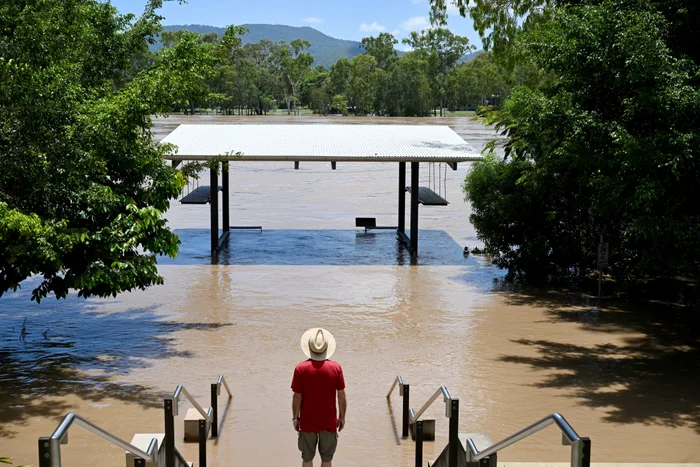
Yet the narrative changed dramatically as February arrived. Heavy rainfall swept across much of the country. Zhou noted that rainfall concentrated heavily during February. South Australia received extraordinary downpours after its scorching January.
In that state, February rainfall reached 356 per cent above average. It became the second-wettest February on record there after 2011. Large parts of the north-east experienced their highest-ever February totals. The reversal from drought-like dryness to flooding rain astonished many residents.
Several rain-bearing systems contributed to the surge. A lingering tropical low intensified precipitation across multiple regions. Moisture-laden air masses interacted with unstable conditions to generate widespread storms. Rivers swelled quickly after weeks of heat-baked ground.
Every state and territory except Tasmania recorded above-average February rainfall. Tasmania measured totals 17 per cent below its seasonal norm. Elsewhere, saturated soils replaced dusty paddocks almost overnight. The sharp shift became a defining feature of Australia wettest summer.
Associate Professor Andrew King of the University of Melbourne described the oscillation as remarkable. He explained that heatwaves and fires were followed by heavy rain and floods. Australian summers are traditionally volatile, he noted. However, climate change appears to intensify these swings.
King stressed that warming global temperatures increase fire weather severity. He also warned that extreme rainfall events are becoming more intense. Some parts of Australia already show stronger short-duration downpours. The pattern reflects broader global climate trends.
Night-time temperatures added another layer of concern. Nationally, average minimum temperatures ranked as the fifth-warmest on record. Some inland areas experienced their hottest summer nights ever measured. Western Australia and the Northern Territory were particularly affected.
Paraburdoo Aero in Western Australia recorded a minimum of 35.8 degrees. That reading on 7 January marked the nation’s hottest overnight temperature. Rosebourne registered 32.3 degrees in late December. Shark Bay recorded 28.9 degrees on 21 January.
Other states also broke night-time heat records. Gluepot Reserve in South Australia reached 32.6 degrees overnight. Paterson in New South Wales recorded 28.8 degrees. Mount Buller in Victoria set a record minimum of 21.2 degrees. These figures underscored how persistent the heat remained after sunset.
Warm nights can place additional strain on health and infrastructure. Without cooler evenings, bodies struggle to recover from daytime extremes. Hospitals and aged care facilities often report increased pressure during such events. The sustained warmth formed a crucial part of Australia wettest summer.
Despite widespread rain, some southern regions remained below average. Zhou acknowledged ongoing rainfall deficiencies in certain areas. Parts of southern Australia still face long-term moisture shortfalls. The uneven distribution shows that heavy rain does not solve all deficits.
Climate projections for autumn suggest further contrasts ahead. Northern Australia is likely to experience continued above-average rainfall. Southern areas may face drier conditions during the same period. Warmer-than-usual days and nights are forecast across most regions.
Authorities have also flagged increased fire risk in several states. Western Australia, South Australia, New South Wales and Victoria could see elevated danger. Vegetation growth after rain can later dry and fuel bushfires. This cycle adds complexity to emergency planning.
The season’s dual nature reflects broader climatic instability. Australia wettest summer demonstrated how extremes can coexist within one timeframe. Record heat did not prevent record rainfall weeks later. Instead, both unfolded in dramatic succession.
Communities adapted rapidly as conditions evolved. Farmers shifted from irrigation concerns to flood management strategies. Urban councils inspected drainage systems after intense downpours. Insurance providers monitored claims linked to heat damage and storm impacts.
Experts emphasise that climate data must guide future planning. Infrastructure resilience depends on understanding these evolving patterns. Roads, railways and power networks require design standards suited to extremes. Scientific monitoring remains central to national preparedness.
The Bureau of Meteorology continues to refine its seasonal outlooks. Advanced modelling integrates oceanic and atmospheric indicators. These tools aim to improve warnings for heatwaves and heavy rain. Public awareness campaigns also encourage proactive community responses.
While the statistics appear stark, many Australians responded with resilience. Volunteers supported neighbours during fire alerts and flood warnings. Local authorities coordinated cooling centres during peak heat. Such collective action softened the season’s harshest impacts.

Nevertheless, the data leaves little room for complacency. Nine of the ten hottest summers have occurred since 2012–13. Long-term warming trends remain evident across the continent. Australia wettest summer stands as another marker in that trajectory.
Scientists continue to examine how ocean temperatures influenced rainfall patterns. Warmer seas can inject additional moisture into weather systems. That process may intensify tropical lows and monsoon activity. Research into these drivers remains ongoing.
For many residents, memories of the season will linger. They recall searing afternoons followed by relentless storms weeks later. The contrast defined daily life across cities and rural towns alike. Australia wettest summer became a story of resilience amid extremes.
As autumn approaches, authorities urge vigilance and preparation. Weather variability will likely remain a central theme. Climate experts stress that adaptation must match accelerating change. The lessons from this season may shape responses for years ahead.
Related News:
 BBC to Apologise Over Edited Trump Speech Amid Backlash
 Britain deploys RAF specialists to assist Belgium with drone threats
 Palace May Restore Hyphen to Andrew Mountbatten-Windsor’s Name
 Greene Pushes Epstein Files Amid Trump Fallout
 December Run-Off in Chile as Election Produces No Winner
 Zelenskyy Signs Fighter Jet Deal Amid Russian Drone Attacks
 Canada Passes Carney’s First Budget in Tight Parliamentary Vote
 Shadow Fleet at Sea: Europe’s Battle Against Illicit Oil Shipping
 Tiny Curacao Makes History as Smallest Nation to Reach World Cup
 Deadly Russian Strikes Hit Western Ukraine, 20 Killed in Ternopil
 Ukraine Peace Plan: Zelensky Ready for Dialogue
 Royal Navy Shadows Russian Warships Entering the Channel
 US Suspends Afghan Immigration After White House Shooting
 Georgians Defy Government Crackdown After Year of Protests
 Tokyo court rules Japan’s same-sex marriage ban constitutional
 ‘Extinct’ Antelope Returns to Sahara, Bringing Hope
 American Mother Extradited From UK to U.S. on Murder Charges
 Irish Beach Tragedy: Irish Drown at Whitehaven Beach in Australia
 Sanctioned oil tankers sail Channel amid Russia scrutiny
 US and UK Withdraw Personnel as Middle East Tensions Rise
 Half the World’s Largest Cities Face Rising Water Stress
 Pentagon Signals Reduced Role in Deterring North Korea
 UK and US Drop in Global Corruption Index Rankings
 SA Police Intensify Search in Gus Lamont Case
 Canberra Poster Seizure Sparks Free Speech Row
 Evo Morales Returns After Mysterious Absence
 El Mencho Killed as Mexico Faces Violence
 Australian children in Syria deserve safe return
 Greenpeace $345m Ruling Sparks Appeal Battle
 Jacinda Ardern Moves To Australia Following Her US Fellowships
 Jacinda Ardern Move Sparks Kiwi Reflection
 Middle East Airspace Crisis Strands Thousands
 Nick Greiner Warns Over Election Review Fallout
 UK Rescue Flight Delayed Amid Middle East War
 Seventh US Service Member Killed in Iran Conflict Identified
 Iran Defiance Grows Amid US-Israel War Pressure
 US Missile Strike on Iran School Sparks Global Shock
 Canada Plasma Deaths Raise Safety Concerns After Two Donors Die
 US Attack on IRIS Dena Shocks Indian Ocean Security
 Australian Petrol Crisis Deepens as Local Stations Run Dry
 Oil Slides, Stocks Jump on Trump Peace Signals
 Danish Election Deadlock Shakes Frederiksen’s Grip
 Pope Rebukes Leaders for War as Middle East Tensions Rise
 Army Probes Apache Flyover at Kid Rock’s Nashville Estate
 Artemis II: Humanity Returns to the Moon After Decades
 Nuns of Schloss Goldenstein Move Closer to Staying Home
 Italian Town Buys Mussolini Villa to Keep Away Fascist Fans
 Report Says Pezzullo Acted ‘Recklessly’ in Dealings
 Trump and Tehran Find Common Ground in Landmark Ceasefire
 Trump Employs Nixon’s Madman Theory Amid Iran Crisis
 Singapore Pledges Stable Fuel Supply for Australia
 Suspected Plot Targets Pipeline Before Hungary Vote
 Reeves Slams Trump Over Iran War Lack Of Exit Plan
 Learner Driver Charged After Expo Tragedy
 Coalition pushes fossil fuel phaseout plan
 Trump approval plunges amid Iran war fears
 Ohio’s Battle for Trust: Democrats Vying to Flip the Buckeye State
 US ‘Narco Boat’ Strikes Draw Global Outcry
 FIFA Confirms Global Ban for Benfica Star Prestianni
 US Awaits Iran Reply on New Ceasefire Proposal
 US and Mexico Face Heatwave as Floods Batter South Africa
 Putin Signals War End as Russian Momentum Stalls
 Australia Welcomes the Iconic Michelin Guide
 Scepticism and tight security as Beijing braces for Trump
 Philippine Senator Flees After Days Under Senate Siege
 Tensions Flare as Israeli Nationalists March in Jerusalem
 High Street Crisis: Fears Grow Over Post Office Closures
 Xi Hosts Putin for Talks Right After Trump Visit
 Fragile Truce Shattered as Violence Escapes Diplomatic Control
 Oil Markets Face ‘Red Zone’ Threat Amid Iran Crisis
 Pope Meets Families in Italy Toxic Waste Zone
 Discontent grows around Putin amid war strain
 US Strikes Iranian Sites Amid Shaky Ceasefire Talks
 Starmer Leadership Under Pressure After Setbacks
 Papal Visit Offers Political Lifeline to Spanish Premier
 Aukus Deal Facing Fierce Backing and Historic Criticism
 Thai Princess Bajrakitiyabha Passes Away at 47
 Le Pen to Run for President Despite Embezzlement Conviction
 Ukraine Creates Long-Range Strike Command
 Houthis Strike Saudi Arabia as Middle East Tensions Rise