Published: March 3, 2026 . The English Chronicle Desk . The English Chronicle Online
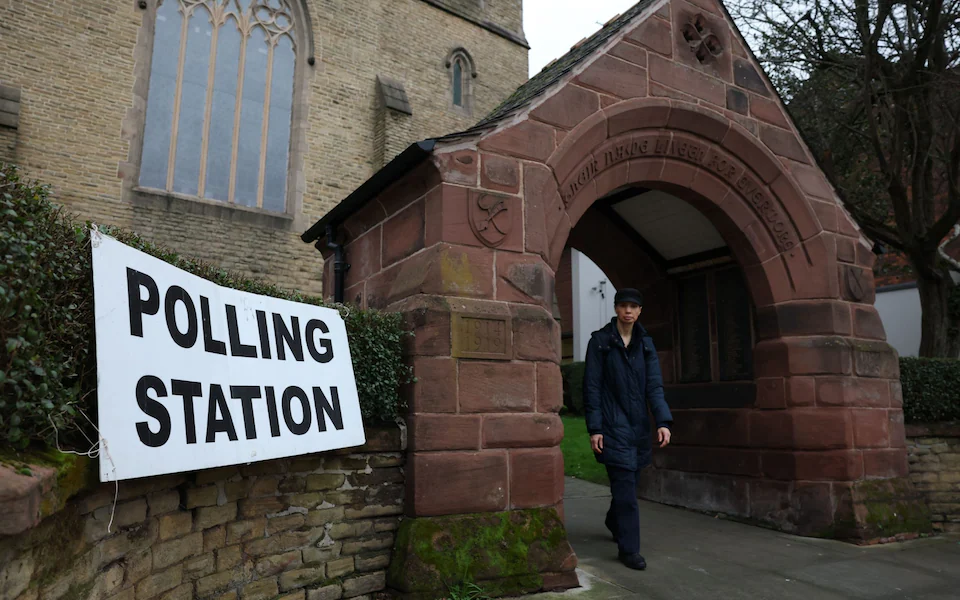
A leading British Muslim organisation has sparked debate with a proposal to encourage mosques across the United Kingdom to register as polling stations for the upcoming May local elections and devolved-administration votes. The Muslim Council of Britain (MCB) says this measure would help increase voter participation within Muslim communities by breaking down barriers that some residents say discourage electoral engagement — a suggestion that has drawn both support and criticism in political and public discourse.

In a video released on social media, Imam Abid Salik of Hull Mosque framed mosques not only as places of worship but also as community hubs that play a central role in daily life for many Muslims. He argued that allowing mosques to serve as official polling stations could symbolically and practically encourage turnout, particularly among those who have felt disengaged from the political process. “It opens people’s minds that a Masjid is not just a place where you come, you pray, you leave. It is a place for the community,” he said, noting that such a role is similar to how churches and other religious or community buildings are often used in UK elections.
The call comes amid longstanding concerns about representation and civic participation among minority communities. Organisers say some Muslims have held misconceptions that their vote does not matter or that electoral systems are indifferent to their interests, and that easier access to polling infrastructure could help counteract these perceptions. Mosque-based polling is already familiar in parts of the UK where community centres and places of worship for other faiths have hosted polling stations for decades.
Notable public figures have weighed in, amplifying the controversy. Actor John Cleese described the proposal as “absurd” on the social platform X (formerly Twitter), suggesting that the idea could create unease among some voters. Cleese argued that the suggestion might reinforce divisions rather than promote unity, particularly in a diverse society where individuals of different faiths might feel uncomfortable entering religious buildings linked to a community other than their own.
The MCB’s outreach comes as political tensions in the UK remain heightened ahead of the May elections, with broader debates over voter engagement, representation and electoral rules occupying public discussion. Some critics have connected the mosque polling station proposal to broader concerns about electoral integrity, including allegations of irregular voting practices raised in recent by-elections — though election authorities are currently assessing such claims independently.
Supporters of the MCB’s proposal maintain that expanding the range of registered polling stations to include community-centric venues would reflect the reality of modern Britain, where diverse religious and cultural institutions serve as focal points of communal life. They argue that initiatives aimed at making democracy more accessible should be welcomed, with safeguards to ensure the neutrality and fairness that democratic processes require.

Opponents caution that any moves perceived as linking religion too closely with electoral processes risk alienating some voters and may prompt legal or regulatory scrutiny. The UK’s rules on polling station locations and election conduct are designed to maintain impartiality and public confidence, and officials have emphasised that venues must meet criteria to ensure accessibility, security and neutrality.
Related News:
 Police Assessing Stansted Airport Private Flights Over Epstein Ties
 UK Must Act with Courage and Clarity on Israel-Palestine Conflict, Says Foreign Affairs Committee Report
 Starmer and Trump to Meet in Scotland Amid Growing Gaza Ceasefire Pressure
 MPs Call on UK Government to Delay Biometric Visa Checks for Gaza Students Amid Humanitarian Crisis
 Radioactive Leak at UK’s Nuclear Warhead Base Sparks Outcry Over Safety and Secrecy
 ‘I’m collateral damage’: ex-minister Tulip Siddiq on her Bangladesh corruption trial
 Mutual Inconvenience: Why Alaska Was Chosen for the Trump-Putin Summit on Ukraine
 “I Don’t Expect to Live a Normal Life”: How a Leeds Teenager Became the Target of a Chinese Bounty
 Ministers Accused of Defamation Over Palestine Action Ban and Mass Arrests
 Is the UK Ready to Put Boots on the Ground in Ukraine? Assessing Military Capacity and Challenges
 Protests Expected as Israeli Arms Firms Join Global Defence Trade Fair in London
 UK Home Office to Launch French Beach Signage to Warn Asylum Seekers of Risks
 UK Immigration Figures: Separating Facts from Perceptions
 Far-Right Rally in London Draws Record Crowds Amid Clashes with Police
 Thousands Gather in London to Protest Donald Trump’s Second UK State Visit
 Trump Urges UK to “Call Out the Military” to Secure Borders Amid State Visit
 UK Recognises State of Palestine in Push to Preserve Hope for Peace
Trump’s UN Speech Criticises London and UK Policies, Draws Far-Right Attention
UK Recognises State of Palestine in Push to Preserve Hope for Peace
Trump’s UN Speech Criticises London and UK Policies, Draws Far-Right Attention
 UK Fighter Jet Purchase Could Breach Nuclear Treaty, Warns CND
 A Third of EU Citizens in UK Report Discrimination by Public Bodies Post-Brexit
 Jailed Georgian Opposition Leaders Warn UK of Iranian Links to Ruling Party
 Russia repeatedly targets UK military satellites, warns Space Command chief
 Pro-Palestine March to Proceed in London Despite Calls to Cancel After Manchester Attack
 UK Universities Warn Students Ahead of 7 October Pro-Palestine Protests
Starmer Considers Stricter Measures on Pro-Palestinian Protest Chants
UK Universities Warn Students Ahead of 7 October Pro-Palestine Protests
Starmer Considers Stricter Measures on Pro-Palestinian Protest Chants
 Public Trust in SNP Hits Historic Low Amid NHS Concerns
 Tony Blair Met Jeffrey Epstein at Downing Street in 2002
 Johnson Suggests Mandelson Linked to China Spy Controversy
 Witness statements reveal the CPS China spy row collapse in the UK
 Large scale Chinese spying in UK sparks political storm
 Nigel Farage Calls Vladimir Putin ‘A Very Bad Dude’
 Rachel Reeves signals welfare reform ahead of key budget
 Prince Andrew met alleged Chinese spies during Pitch@Palace China trips
 Kosovo agrees to host Britain’s refused asylum seekers
 Plaid Cymru Triumphs in Caerphilly, Ending Labour Century-Long Hold
 Rachel Reeves to lead UK trade push in Saudi Arabia amid rights debate
 British Woman in Iran ‘Losing Hope’ Amid Ongoing Detention
 Johnson Approved China’s London ‘Super-Embassy’ in 2018
 BBC Journalist Held and Interrogated in Vietnam
 BBC director-general and news chief resign amid bias row
 New review urges UK to repatriate Shamima Begum, others from Syria
 Rama Rebukes Mahmood for Targeting Albanian Families
 Russian Vessel Used Lasers on RAF Pilots, UK Claims
 Britain Demands Israel Reverse Ban on Aid Groups
 US Africa aid remarks spark anger after leaked State email
 Trump Pulls Canada from His Controversial ‘Board of Peace’ Plan
 Starmer China visit raises human rights pressure on Beijing
 Emails Show Epstein Funded Mandelson’s Husband After Jail
 Cory Bernardi joins One Nation for SA election
 Starmer Condemns ‘Depraved’ Russian Strikes on Ukraine
 Russia Trolls Savage ‘Finished’ Keir Starmer After Mandelson Scandal Explodes
 Starmer Weighs Fast-Tracking Defence Boost
 Snow and Rain Warnings as Cold Snap Continues in the UK
 ‘Just Push Us Into the Sea’: The Frustration of an Area Failed by Politics
 Last‑ditch Call to Save Police Front Counters in London
 Britain’s Special Needs Spending Crisis Will Be Labour’s Ruin
 Britain’s Reliance on China Makes Us ‘Weak Link in the West’, Warn MPs
 Trump Warns Over Chagos Islands Deal
 Trump and Chagos Deal Rift Over Iran Strikes
 How Much Could Andrew’s Arrest Hurt the Royal Family?
 Andrew Mountbatten-Windsor Arrest After FBI Radar
 UK Has Not Given US Permission to Use RAF Bases for Iran Strikes
 Break from Wintry Weather as UK Temperatures to Climb to 14 °C
 Fury as Jobless-Migrant Households Receive Benefits Worth £10bn – ‘We Need to End This’
 Australian PM Says Former Prince Andrew Has Suffered ‘Extraordinary Fall’ but That Won’t Prompt Republic Referendum
 Schools in England to Get Budget for Children with Special Needs as Part of SEND Overhaul
 What’s Next for Andrew Mountbatten-Windsor’s Ex-Wife, Sarah Ferguson?
 Farage Chagos Islands Row Sparks Fury
 Trump Tariffs Threat Spark UK and EU Alarm
 Town Vigil Marks Four Years of Ukraine War
 New Zealand Backs Removing Andrew From Royal Line of Succession
 Inside Kyiv’s resolve as conflict nears five‑year mark
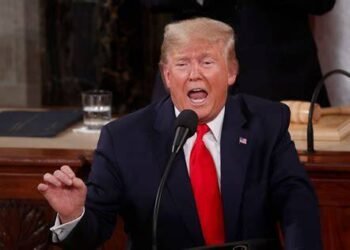 What to Watch for During Trump’s State of the Union Address
 Green Party Triumphs in Gorton and Denton By‑Election
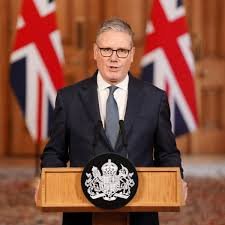 UK Allows US Base Use Amid Iran Tensions
 Britain’s Position and Trump Vows to Press On in Iran Conflict
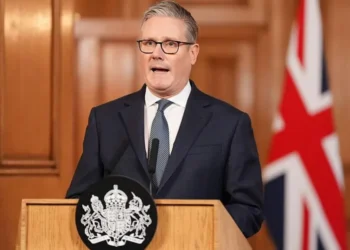 Starmer Speaks to Trump After UK Joins Defensive Operation
 UK Will Allow US to Use Bases to Strike Iranian Missile Sites, PM Says
 Cooper: Joining US Strikes on Iran ‘Not in Britain’s Interest’
 Sarwar Rejects Father’s Tribute to Iran’s Supreme Leader