Published: March 3, 2026 . The English Chronicle Desk . The English Chronicle Online
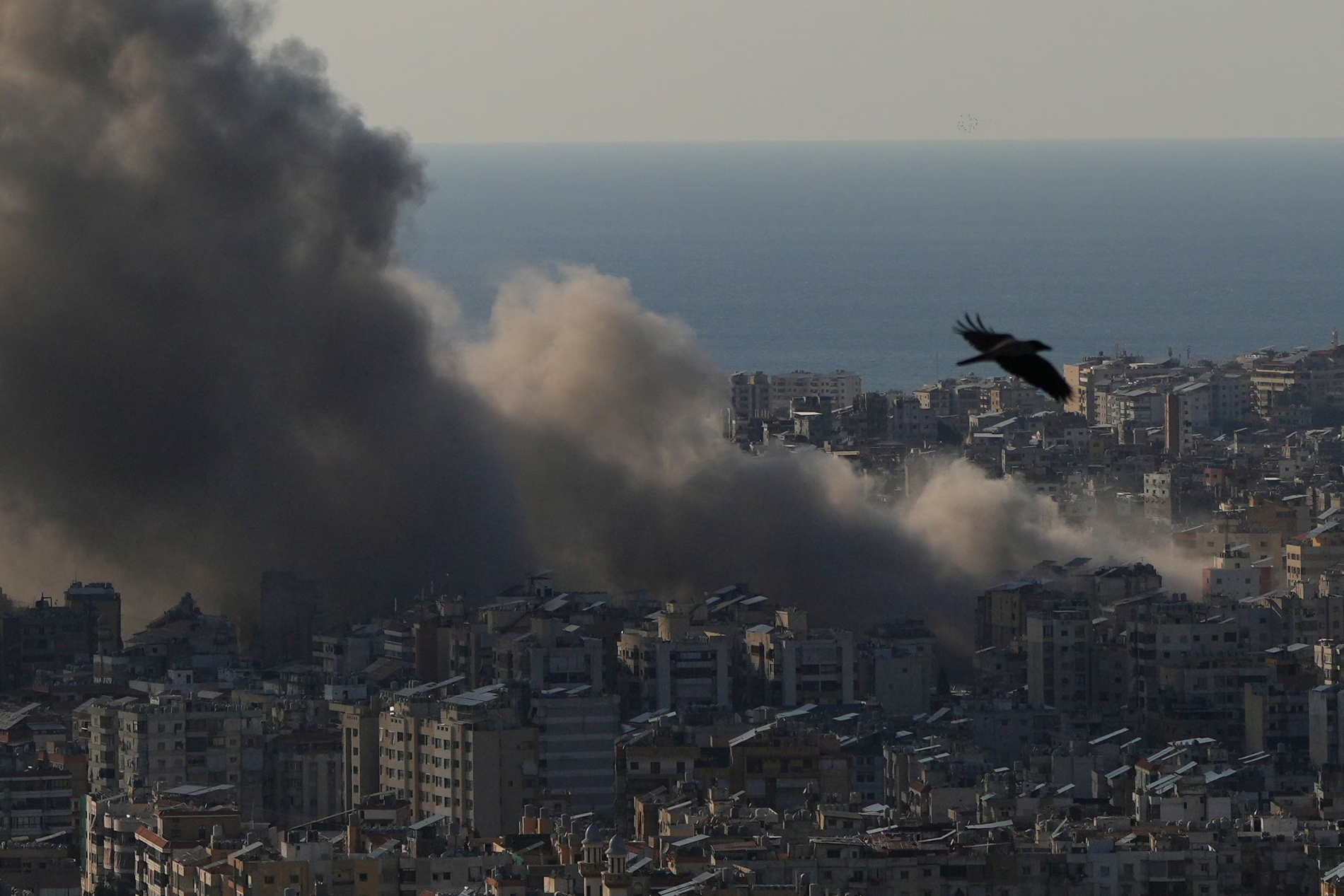
The number of American military personnel killed in the ongoing military operations against Iran has risen to six, U.S. Central Command (CENTCOM) confirmed on Monday, underscoring the mounting toll of a conflict that has rapidly expanded since joint U.S. and Israeli strikes began over the weekend. The casualties include service members who were initially wounded in Iran’s retaliatory attacks and later succumbed to their injuries, as well as personnel whose remains were recovered from a facility struck during the opening phase of Iranian counter‑attacks.

CENTCOM’s announcement comes as the campaign — dubbed Operation Epic Fury by U.S. and allied officials — enters its third day with major combat operations ongoing. In a statement posted on social platform X, military officials said that 18 service members have been wounded in addition to the six killed, but did not provide details about the identities of the fallen, which are being withheld until next of kin have been notified.
Defense Secretary Pete Hegseth addressed the rising casualty figure at a Pentagon briefing on Monday, indicating that at least one projectile breached air defences and struck a fortified U.S. position in the region, contributing to the fatalities. Hegseth described the environment as “chaotic” and stressed the inherent risks of large‑scale military operations, though specific locations and operational details were not made public by U.S. military spokespeople.
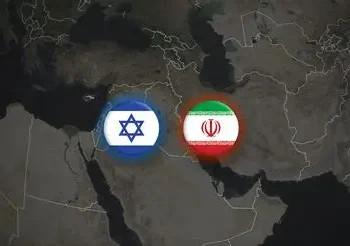
The six U.S. deaths are linked to what American officials describe as defensive and strategic objectives in response to Iran’s mass missile and drone attacks on U.S. forces and allied facilities throughout the Gulf region. Those Iranian strikes were launched after the opening U.S.–Israeli campaign deep inside Iran, which included substantial bombing of military infrastructure following the targeted killing of Iran’s Supreme Leader.
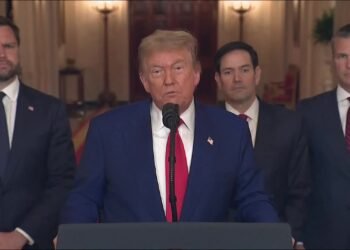
President Donald Trump acknowledged the rising toll during a national address, warning that further casualties were likely as military actions continue. In comments broadcast by U.S. media, he reiterated the decision to launch the operation was based on perceived imminent threats from Iranian forces and emphasised the campaign’s strategic goals, even as public opinion remains divided over the U.S. role in the conflict.
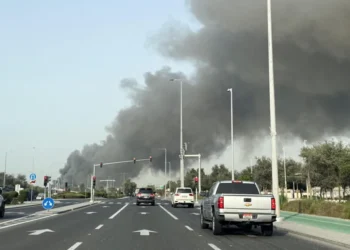
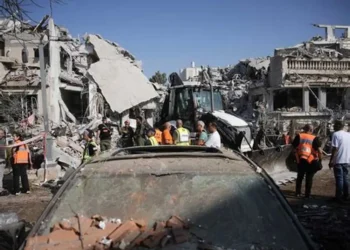
The escalation has broad regional implications. Iran’s retaliatory barrage has targeted U.S. bases in Qatar, Bahrain and Kuwait, and reached as far as Saudi Arabia and the United Arab Emirates, where diplomatic facilities have been struck. The intensification has prompted travel advisories from Western governments and evacuation recommendations for citizens in the Middle East, highlighting the conflict’s spill‑over effects on civilian populations and international travel.
Military analysts note that U.S. forces operate within a highly contested air and missile environment, where Iranian drone and ballistic capabilities have repeatedly tested allied air defences. The combined toll of six U.S. fatalities and multiple wounded reflects both the scale of the operation and the challenges of countering sophisticated and sustained attacks by irregular and conventional systems.

As the situation develops, U.S. commanders continue to assess force posture and protective measures for personnel across the Middle East, while lawmakers and defence experts debate the strategic objectives, legal authority and long‑term implications of the campaign. The rising casualty count is likely to shape domestic political discourse on U.S. involvement in extended regional conflict.
Related News:
 Hopes and Fears as US Iranians Take to Streets After Toppling of Supreme Leader
 Iran, the US, and a World Cup That Starts in Three Months
 Trump’s Iran Endgame Unclear After Mixed Messaging on War Aims
 Did Trump Declare War and Did Congress Approve Iran Attacks? What to Know
 Rubio Responds to Reported Strike on Iranian School
 US Strikes on Iran Triggered by Israel’s Plan to Launch Attack, Rubio Says
 Iran Says ‘Guiding Principles’ Agreed With US at Nuclear Talks
 US Pushes to Recruit Organised Crime Gangs into Gaza Police Force
 US Urges Iran to Make Deal as Military Presence Rises
 US Build-Up of Warships and Fighter Jets Tracked Near Iran
 Trump’s Foreign Policy Dilemma Laid Bare by Iran Tensions
 US Partially Evacuates Beirut Embassy Amid Rising Iran Tensions
 Israel and Hezbollah Exchange Fire as Conflict Worsens
 Iran’s Regime Still Intact — Coming Days Will Test Its Survival
 Allies of US in the Gulf Bear Brunt of Iran Attacks
 Retaliations Continue on Day Two of US-Israel Attacks on Iran
 At Least 153 Dead After Reported Strike on School, Iran Says
 At Least 153 Dead After Reported Strike on School, Iran Says
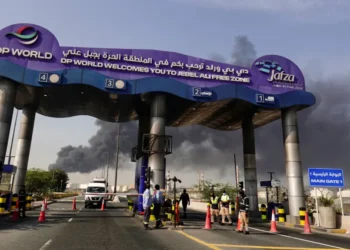 ‘It’s Eerie’ – Dubai on Edge as City Comes Under Attack
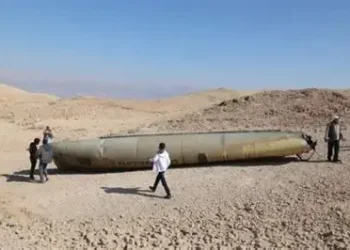 BBC Reports from Beit Shemesh After Deadly Iranian Missile Strike
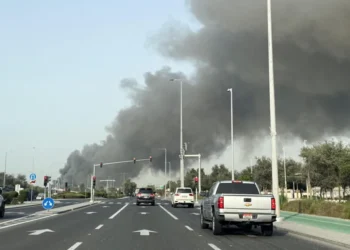 Allies of US in the Gulf Bear Brunt of Iran Attacks
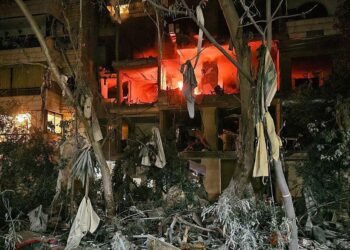 Israeli Attacks Kill 31 in Lebanon, Iran Strikes Across Region, US Warplanes Crash in Kuwait
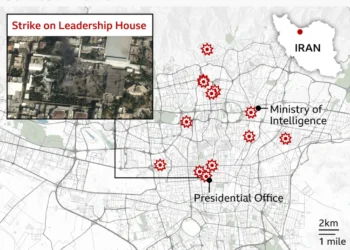 In Maps: Strikes Across Iran and the Middle East
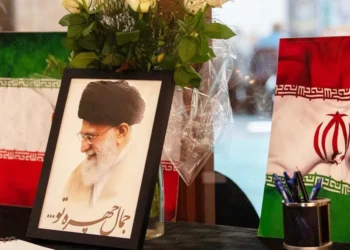 Months of Planning Behind US‑Israeli Mission to Target Iran’s Supreme Leader
 Cooper: Joining US Strikes on Iran ‘Not in Britain’s Interest’
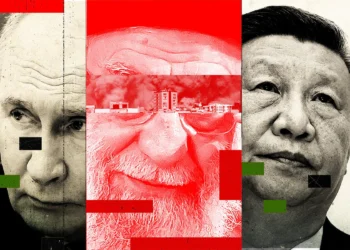 What Khamenei’s Death Means for Russia and China
 Tehran Makes New Threat to Gulf Shipping as US Says ‘Hardest Hits’ on Iran ‘Yet to Come’
 Scots Caught Up in Middle East Crisis ‘Just Waiting for the Next Explosion’
 The Third Day of the US‑Israeli War With Iran
 Why the US and Israel attacked Iran
 Israel Launches Fresh Strikes on Tehran & Beirut; US Warns “Hardest Hits” Ahead
 Three Days In, This War’s End Is Still Unclear
 US Has ‘Enough Weapons for Forever War,’ Trump Says
 Israel Strikes Lebanon After Hezbollah Rocket Fire as Iran Conflict Widens
 Latest on Middle East Conflict — In Maps: Strikes Across Iran and the Region
 ‘I saw missiles being intercepted’: Influencers recount shock as Iran hits Dubai landmarks
 Amazon Says Drones Damaged Three Facilities in UAE and Bahrain
 Man Recalls ‘Terrifying’ Dubai Missile Ordeal During Iran Strikes
 Israel’s New Airstrikes on Tehran & Beirut After US Embassy in Riyadh Is Hit
 Israel Launches Ground Invasion of Lebanon Amid Widening Middle East War
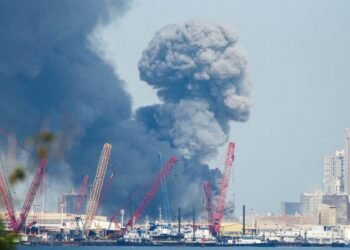 Trump Underestimated the Iranian Regime’s Will to Survive
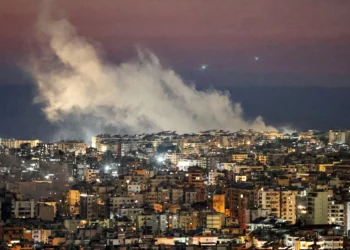 U.S. Tells Citizens to Leave Israel Now as Regional Conflict Escalates
 Iranian Rockets Are Testing the Resolve of Dubai’s Instagram Stars
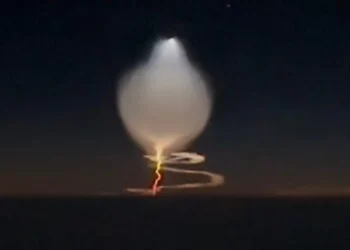 Airline Pilots Feared Iranian Missile Had Been Fired at Them
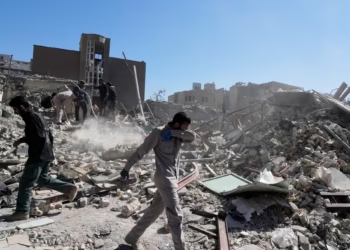 US Embassy in Riyadh Hit by Iranian Drones as Israeli Troops Enter Southern Lebanon
 First Wave of Europeans Stranded by Iran Conflict Return Home, With Hundreds of Thousands Still Left in Region
 Two National Guard Soldiers Critically Injured Near White House
 American Mother Extradited From UK to U.S. on Murder Charges
 Russia losses Ukraine war peace talks intensify amid rising deaths
 Trump Taiwan China drills: US President Downplays Tensions
 US Cities Erupt in Protests Against Trump’s Venezuela Military Action
 Trump Escalates Minnesota Immigration Surge Amid Rising Tensions
 Trump Weighs Response to Iran Crackdown as Tehran Says Communication Open With US
 US Clears Nvidia AI Chip Sales to China in Policy Shift
 Trump Threatens Strong Action If Iran Executes Protesters
 Trump Receives Machado’s Nobel Medal in White House Meeting
 EU Says US Ties Have Suffered ‘Big Blow’ After Greenland Crisis
 Arizona border shooting leaves suspect hospitalised after agent pursuit
 Videos reveal earlier clash before Alex Pretti shooting
 Trump Praises ‘Terrific’ Petro After White House Talks
 Fears of New Arms Race as US-Russia Nuclear Weapons Treaty Expires
 Obama Slams Trump’s Racist ‘Ape’ Video Amid Backlash
 ‘I Would Scream in My Sleep’: Alawite Women from Syria Tell of Kidnap and Rape
 Stephen Colbert Says CBS Spiked Interview With Democrat Over FCC Fears
 Eight Skiers Found Dead After California Avalanche
 US Will Not Back Out of Tariff Deals with UK and Others, Says Trump Trade Representative
 Ukraine Negotiator Reveals What It Feels Like Facing Russia
 ‘Anyone who runs is shot’: Russian soldiers describe killings of troops who refuse orders
 Bill Gates ‘Took Responsibility’ Over Epstein Ties in Staff Meeting, Foundation Says
 ‘Fear Is Everywhere’: Reports From Mexican City Turned Into War Zone by Drug Cartel Feud
 Orbán Accuses Ukraine of Disrupting Oil Supplies to Hungary
 American Citizen Killed in Cuba Boat Shooting, U.S. Officials Say
 Trump Faces Questions Over Iran Conflict Plan
 UK Will Allow US to Use Bases to Strike Iranian Missile Sites, PM Says
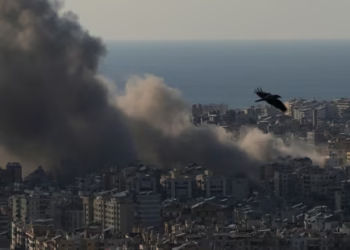 US Iran Operation: Sixth Service Member Killed
 Hezbollah Anger Erupts as War Returns to Beirut
 Limited Flights Leave UAE But Disruption Continues Amid Iran Strikes
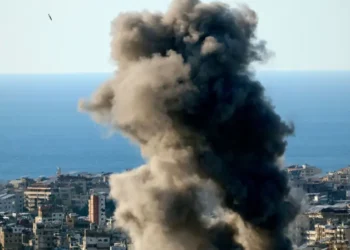 Israel Launches Fresh Strikes on Tehran and Beirut on Day Four
 At Least 169 Killed in South Sudan ‘Surprise’ Attack
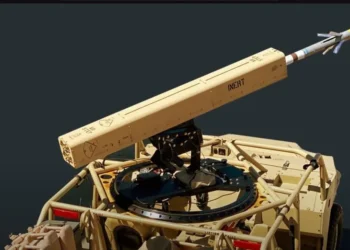 The US Now Has the Medicine for Cheap Swarming Drone Attacks