Published: March 5, 2026
The English Chronicle Desk
The English Chronicle Online
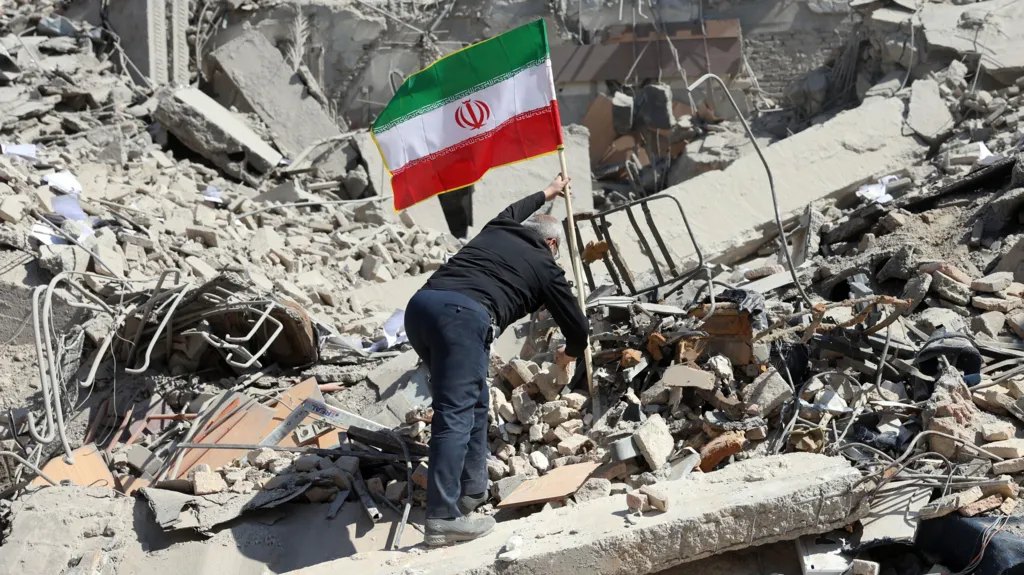
Iranians living through the intensified US and Israeli military campaign say everyday life has shifted into a tense, surreal routine as airstrikes persist across cities including Tehran, Zanjan and other population centres. Residents describe a cycle of bombardment, fear and disruption that has left many feeling that “every day feels like a month,” illustrating the stark human cost of a conflict that has already claimed many hundreds of lives and upended daily existence.

Since the coordinated strikes began on February 28, waves of explosions have rattled homes and neighbourhoods, forcing citizens to adapt to a new normal dominated by fear of sudden attacks and uncertainty about the future. “The volume of attacks is so high,” one resident who asked to be identified only by a pseudonym told BBC Persian, describing repeated air raids that shook structures and sent shockwaves through residential areas. Many people say they stay inside most of the time, venturing out only when necessary to buy food or essential supplies amid the risk of being caught in further strikes.
Tehran in particular has seen deserted streets, bread lines and long wait times for essentials as life is increasingly shaped by fear and basic survival. One local explained that even routine tasks like finding bread or water have become labours of anxiety, with bakeries operating at reduced capacity and civilians regularly pausing to listen for air-raid sirens before moving about.
Uncertainty and disruption extend beyond physical safety. Restrictions on movement, internet blackouts, and heightened security presence have made communication and access to reliable information difficult for many Iranians. People in Tehran reported that most shops are closed, some ATMs are out of service, and many residents remain indoors to avoid danger, creating a sense of isolation and urgency in everyday life.
Families have described the psychological strain of balancing the need to stay alive with the desire to maintain some semblance of normality. The relentless pace of violence and displacement has exacerbated worries for loved ones’ safety, with some sending relatives to supposedly safer areas while still fearing new strikes could follow them.
Those who have remained in affected cities say the intensity of the bombardment dwarfs previous conflicts, and that the constant threat of explosions alters the perception of time — making days feel elongated and heavy with tension. As one resident put it, the psychological impact of living under near‑daily strikes transforms routine moments into periods of waiting, fear and reflection on what might come next.
Related News:
 Asos Co-Founder Dies After Thailand Balcony Fall
 Russian Troops Executed by Commanders, Soldiers Tell BBC
 Inside Kyiv’s resolve as conflict nears five‑year mark
 ‘It’s Eerie’ – Dubai on Edge as City Comes Under Attack
 Passengers on Dubai‑Dublin Flight ‘Never So Happy to Be Home’
 Why Aren’t Our Dirtiest Roads Getting Cleaned?
 US Submarine Sinks Iranian Warship in Indian Ocean, Hegseth Says
 Satellite Images Show Iranian Navy and Nuclear Sites Hit by US‑Israeli Strikes
 Iran Postpones Khamenei Funeral as US‑Israeli Bombardment Continues
 The Devastating Conflict Where Both Sides Have Reasons to Keep Fighting
 Israel and Iran Launch New Strikes as First UK Flight Bringing Citizens Home Is Delayed
 Hindu Man’s Stand Sparks Hope in India
 Five Young People Die in Spain Apartment Block Fire
 Snow and Rain Warnings as Cold Snap Continues in the UK
 Suspect in Rhode Island Ice Hockey Shooting Killed Ex‑Wife and Son
 Revealed: The Billions Given to Charity by Ordinary Indians Every Year
 Epstein Eyed Record Label Investment to Access Women, Files Suggest
 Break from Wintry Weather as UK Temperatures to Climb to 14 °C
 Australian Presenter Apologises for Drinking Before Slurred Olympics Report
 Bill Gates Pulls Out of India’s AI Summit Over Epstein Files Controversy
 Zuckerberg Defends Meta in Landmark Social Media Addiction Trial
 Billionaire Les Wexner Tells US Lawmakers He Was ‘Naive’ and ‘Conned’ by Epstein
 What’s Next for Andrew Mountbatten-Windsor’s Ex-Wife, Sarah Ferguson?
 Austrian Climber Found Guilty After Girlfriend Froze to Death on Mountain
 Ukraine Negotiator Reveals What It Feels Like Facing Russia
 ‘We Pray for Peace’: Indian Filmmaker From Troubled State Who Won a BAFTA
 Mandelson Arrested Amid Political Turmoil as Ukraine Marks Four Years of Conflict
 Ukraine war briefing: Why Ukraine remains defiant and does not feel close to defeat
 ‘Anyone who runs is shot’: Russian soldiers describe killings of troops who refuse orders
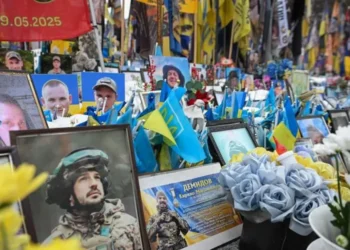 Ukraine remembers its dead as war enters a fifth year
 ‘Fear Is Everywhere’: Reports From Mexican City Turned Into War Zone by Drug Cartel Feud
 Orbán Accuses Ukraine of Disrupting Oil Supplies to Hungary
 Epstein Tried to Buy a Palace in Morocco Days Before His 2019 Arrest
 ‘I Want to Find the Man Who Saved Us from Drowning’
 Iran’s Regime Still Intact — Coming Days Will Test Its Survival
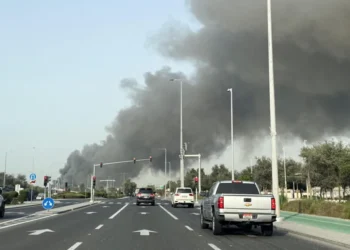 Allies of US in the Gulf Bear Brunt of Iran Attacks
 Hopes and Fears as US Iranians Take to Streets After Toppling of Supreme Leader
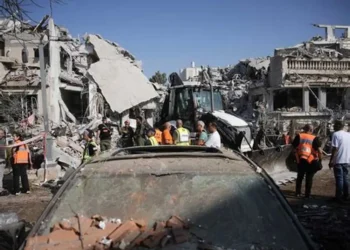 Retaliations Continue on Day Two of US-Israel Attacks on Iran
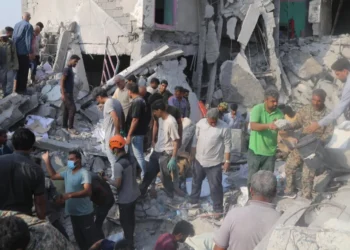 At Least 153 Dead After Reported Strike on School, Iran Says
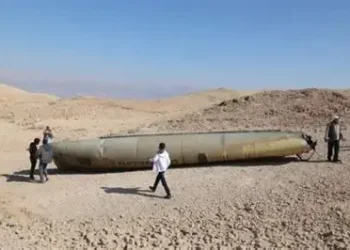 BBC Reports from Beit Shemesh After Deadly Iranian Missile Strike
 Iran, the US, and a World Cup That Starts in Three Months
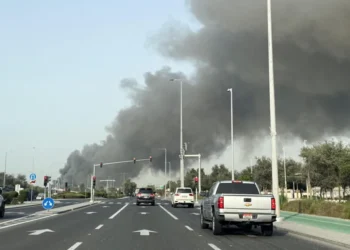 Allies of US in the Gulf Bear Brunt of Iran Attacks
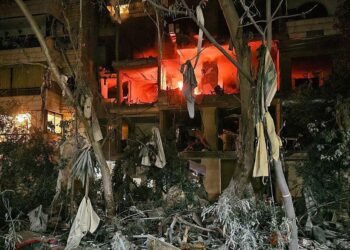 Israeli Attacks Kill 31 in Lebanon, Iran Strikes Across Region, US Warplanes Crash in Kuwait
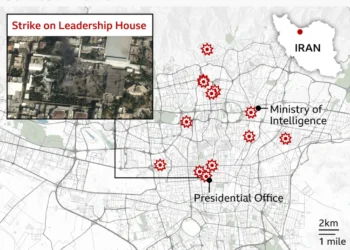 In Maps: Strikes Across Iran and the Middle East
 Months of Planning Behind US‑Israeli Mission to Target Iran’s Supreme Leader
 UK Will Allow US to Use Bases to Strike Iranian Missile Sites, PM Says
 Cooper: Joining US Strikes on Iran ‘Not in Britain’s Interest’
 What Khamenei’s Death Means for Russia and China
 Tehran Makes New Threat to Gulf Shipping as US Says ‘Hardest Hits’ on Iran ‘Yet to Come’
 Trump’s Iran Endgame Unclear After Mixed Messaging on War Aims
 Did Trump Declare War and Did Congress Approve Iran Attacks? What to Know
 Rubio Responds to Reported Strike on Iranian School
 The Third Day of the US‑Israeli War With Iran
 Why the US and Israel attacked Iran
 Israel Launches Fresh Strikes on Tehran & Beirut; US Warns “Hardest Hits” Ahead
 Three Days In, This War’s End Is Still Unclear
 US Has ‘Enough Weapons for Forever War,’ Trump Says
 At Least 169 Killed in South Sudan ‘Surprise’ Attack
 Israel Strikes Lebanon After Hezbollah Rocket Fire as Iran Conflict Widens
 Amazon Says Drones Damaged Three Facilities in UAE and Bahrain
 Man Recalls ‘Terrifying’ Dubai Missile Ordeal During Iran Strikes
 Israel’s New Airstrikes on Tehran & Beirut After US Embassy in Riyadh Is Hit
 Israel Launches Ground Invasion of Lebanon Amid Widening Middle East War
 Iranian Rockets Are Testing the Resolve of Dubai’s Instagram Stars
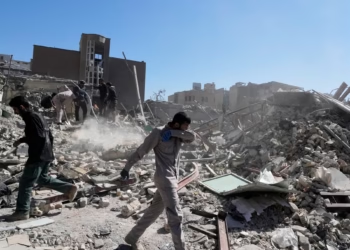 US Embassy in Riyadh Hit by Iranian Drones as Israeli Troops Enter Southern Lebanon
 US Strikes on Iran Triggered by Israel’s Plan to Launch Attack, Rubio Says
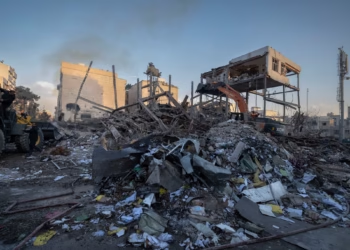 Civilian Deaths in Iran Pass 700 Amid Fear of Bombs and Regime Clampdown
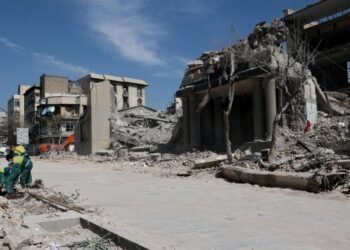 US Senate Backs Trump War Powers Amid Iran Missile Barrage
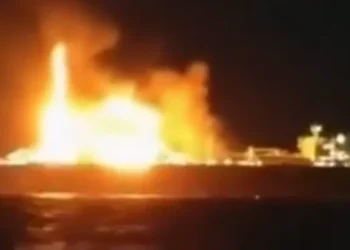 Russia Blames Ukrainian Naval Drones as Tanker Sinks
 Calls Grow to Remove Billboard Following Lyra McKee Graffiti
 Nepal Holds First General Election Since Gen Z Protests Toppled Government
 Travellers’ Mobile Home Burnt Down Overnight in Suspected Arson Attack
 Legendary Notre Dame College Football Coach Lou Holtz Dies at 89
 UK Government’s First Repatriation Flight to Leave Middle East, More Planned
 Global Order Is ‘Breaking Down’, Carney Tells Australian Parliament
 Spain’s Sánchez Hits Back at Trump Threat to Sever Trade, Says ‘No to War’
 David and Victoria Beckham Wish Brooklyn Happy Birthday Despite Family Feud
 Protesters Rally in San Francisco Against OpenAI Deal With Pentagon
 Watershed Moment as Russia’s Sporting Exile Ends
 Dirty Laundry and Chocolate Bars: How Venezuelan Prisoners Smuggled Messages Out of Jail