Published: March 5, 2026
The English Chronicle Desk
The English Chronicle Online
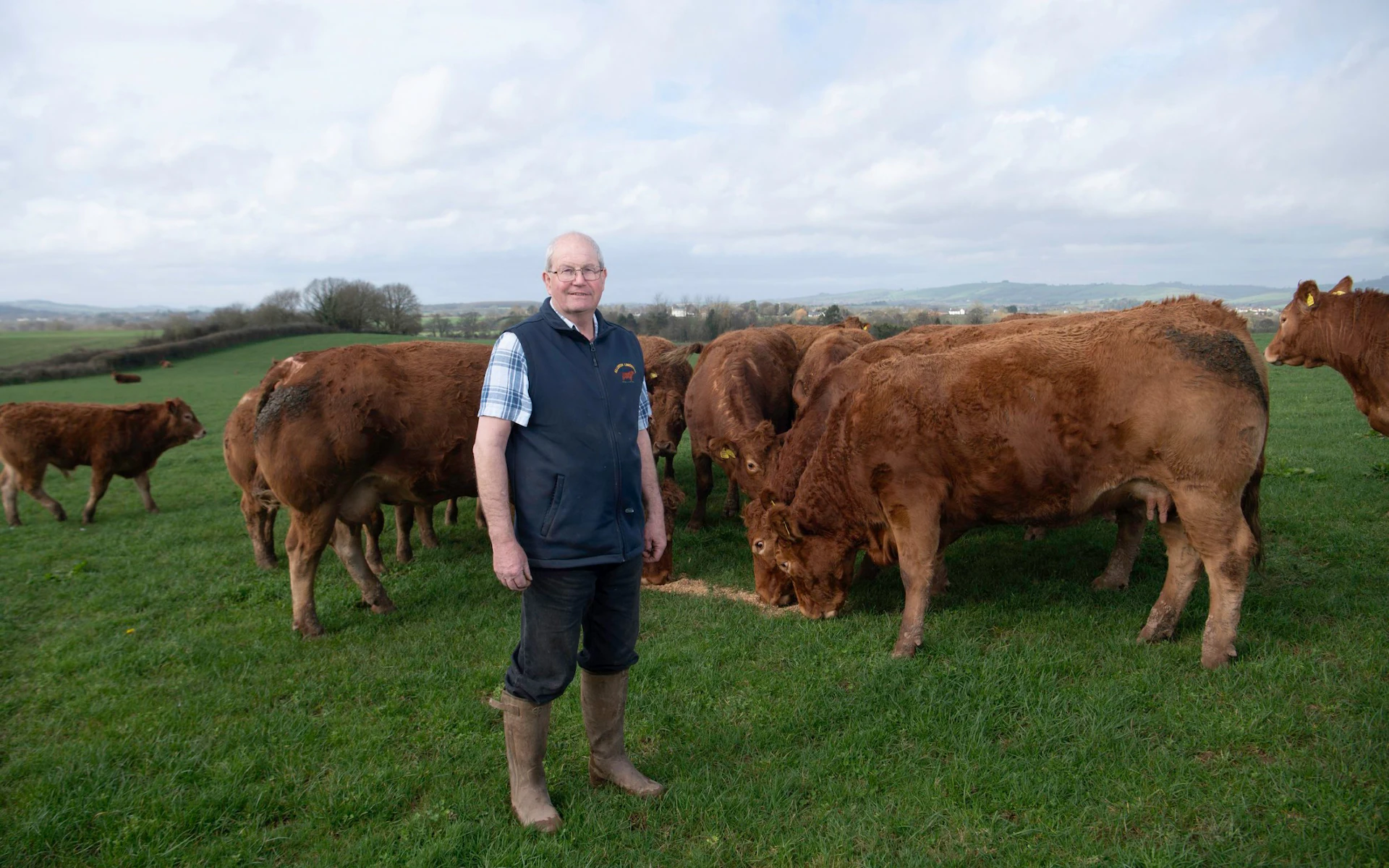
Across parts of the United Kingdom, a growing tension between environmental policy and agricultural livelihoods has opened up fierce debate over rewilding schemes that critics say are effectively functioning as a “cash grab” — incentivising landowners to remove farmland from production and, in doing so, forcing some farmers off the land that has sustained families for generations.

Rewilding, broadly defined, is the process of restoring land to a wilder ecological state by allowing native vegetation, wildlife corridors and natural ecosystems to re‑establish. Proponents argue that it can help restore biodiversity, sequester carbon and improve ecosystem services such as flood control. In recent years, government and private funding initiatives have sought to expand rewilding efforts by offering financial incentives — subsidies, tax breaks and long‑term contracts — to landowners to convert pasture and arable land into semi‑natural landscapes.
However, many farmers and rural communities say the way these incentives are structured has created perverse economic pressures. Under some schemes, payments for rewilding areas such as wood pasture or wetland restoration can be significantly higher than typical farm subsidies linked to crop production or livestock grazing. As a result, landowners who choose to enter rewilding agreements may see a more attractive financial return by sidelining traditional farming activities, leading to the consolidation of land under conservation management and the exit of active farmers from the countryside.
Critics describe this dynamic as a type of “cash grab” because it can prompt landowners to prioritise short‑term financial gain over the long‑term viability of farming communities. They point to cases in which large tracts of productive farmland — particularly in marginal areas where profit margins are already thin — have been sold or leased for rewilding after subsidy comparisons make the land more valuable under conservation funding. Opponents argue that this trend risks hollowing out rural economies, weakening local supply chains and undermining food production at a time when global agricultural resilience is increasingly important.
Supporters of rewilding counter that the practice does not inherently displace farming but rather complements a broader shift toward diversified land management. They say well‑designed rewilding can coexist with traditional agriculture, with landowners splitting holdings between production and ecological restoration, and that funding mechanisms were never intended to drive farmers off the land but to provide additional options for land stewardship.
Nonetheless, many farmers feel the incentives have skewed the economics of land use. In regions such as the West Country and parts of Scotland and Wales, where upland grazing and small‑scale cropping have struggled under rising input costs and static commodity prices, offers from rewilding programmes have presented a lifeline that, once accepted, can effectively exit the agricultural economy. Some farming families reluctantly sell or transfer land to conservation trusts because they cannot match the financial terms available through publicly funded environmental schemes.
The situation has stirred political controversy. Rural advocacy groups and some Members of Parliament have called for a reassessment of how rewilding funding is allocated, warning that current mechanisms risk displacing working farms and unraveling centuries‑old agrarian traditions. They argue that a balance must be struck between environmental goals and the economic sustainability of farm businesses, and that rural policy should ensure farmers remain central to land management rather than sidelined by competing interests.
Environmental economists note that the challenge lies in designing policy frameworks that reward both agricultural productivity and ecological restoration without creating incentives that inadvertently encourage land abandonment. Some suggest hybrid models that tie payments to multifaceted outcomes — including biodiversity enhancements alongside continued food production — as a more equitable approach.

The debate highlights broader questions about how societies value land, food security and nature conservation in an era of climate change and shifting rural demographics. For many farming communities, the push and pull between financial incentives for rewilding and the desire to maintain working landscapes remains unresolved, reflecting the complex interplay between economic survival and environmental stewardship.
Related News:
 Asos Co-Founder Dies After Thailand Balcony Fall
 Gold Fever Hits South Africa After Lucky Find in Cattle Pen
 Inside Kyiv’s resolve as conflict nears five‑year mark
 Passengers on Dubai‑Dublin Flight ‘Never So Happy to Be Home’
 Why Aren’t Our Dirtiest Roads Getting Cleaned?
 ‘Every Day Feels Like a Month’: Iranians Describe Life Under ‘Constant’ US‑Israeli Strikes
 South East Water Faces £22m Fine for Supply Failures Affecting Hundreds of Thousands
 Murdered Student ‘Algasim’ Was ‘the Most Special Person’, Friends Say
 Modi’s London Visit Seals Historic UK-India Trade Pact Amid Global Tensions
 China’s crackdown on civil servant perks sparks economic concerns
 Shein UK Faces Allegations of Shifting Majority of Profits to Singapore to Reduce UK Tax
 British AI Startup Outshines Human Forecasters in Global Prediction Contest
 Indian Court Deals Legal Setback to Elon Musk’s X in Free Speech Battle
 China warns UK over delayed London mega embassy decision
 Rachel Reeves to lead UK trade push in Saudi Arabia amid rights debate
 UPS Cargo Plane Crash in Kentucky Kills Seven
 Canada Passes Carney’s First Budget in Tight Parliamentary Vote
 India’s Labour Law Overhaul Sparks Fierce Debate
 ‘Black Tax’: Burden, Pride and Survival for African Workers
 UK New Car Discounts Near £6,000 as Prices Are Slashed
 Hindu Man’s Stand Sparks Hope in India
 Royal Mail Blames Poor Weather and Sickness for Delayed Deliveries
 Five Young People Die in Spain Apartment Block Fire
 Tourism Is Booming in 2026 — Just Not Where You Think
 Snow and Rain Warnings as Cold Snap Continues in the UK
 Netflix and Paramount Are Battling for Warner Bros. — Who Is Likely to Win?
 Suspect in Rhode Island Ice Hockey Shooting Killed Ex‑Wife and Son
 Japan Braces as Takaichi Begins New Term with Huge Mandate for Low‑Tax, Ultra‑Conservative Agenda
 The Chinese AI App Sending Hollywood Into a Panic
 Revealed: The Billions Given to Charity by Ordinary Indians Every Year
 US and Indonesia Finalise Deal to Cut Tariffs to 19%
 Epstein Eyed Record Label Investment to Access Women, Files Suggest
 Break from Wintry Weather as UK Temperatures to Climb to 14 °C
 Store at Famous Shopping Village to Close After 18 Years Due to Rising Costs
 Tesco Announces New Rule for Customer Parking Spaces – ‘We Need These Everywhere!’
 Australian Presenter Apologises for Drinking Before Slurred Olympics Report
 Live Nation Sees Strong Ticket Sales as Monopoly Lawsuit Looms
 ‘We’re Still on Edge’: Toy Firms Look to US Supreme Court as Tariffs Hit Profits
 Bill Gates Pulls Out of India’s AI Summit Over Epstein Files Controversy
 Zuckerberg Defends Meta in Landmark Social Media Addiction Trial
Billionaire Les Wexner Tells US Lawmakers He Was ‘Naive’ and ‘Conned’ by Epstein
Zuckerberg Defends Meta in Landmark Social Media Addiction Trial
Billionaire Les Wexner Tells US Lawmakers He Was ‘Naive’ and ‘Conned’ by Epstein
 Austrian Climber Found Guilty After Girlfriend Froze to Death on Mountain
 US Will Not Back Out of Tariff Deals with UK and Others, Says Trump Trade Representative
 Trump Tower Gold Coast to Redefine Skyline
 ‘We Pray for Peace’: Indian Filmmaker From Troubled State Who Won a BAFTA
 What Now for Asia After Trump’s Tariffs Were Struck Down?
 Russian Troops Executed by Commanders, Soldiers Tell BBC
 Ukraine war briefing: Russia exporting more oil now than before war despite sanctions – report
 Trump’s tariff strategy collapse sows global chaos and confusion
 Man discovers £18k trading card stash in his loft
 Bill Gates ‘Took Responsibility’ Over Epstein Ties in Staff Meeting, Foundation Says
 Epstein Tried to Buy a Palace in Morocco Days Before His 2019 Arrest
 Why Asian Firms Are Not Cheering Trump Tariff Ruling
 Why Asian Firms Are Not Cheering Trump Tariff Ruling
 ‘I Want to Find the Man Who Saved Us from Drowning’
 Oil Prices Rise After Ships Attacked Near Strait of Hormuz
 Flights Cancelled and New Travel Warnings Issued After Iran Strikes
 Oil Prices Surge as Iran War Jolts Markets
 Tehran Makes New Threat to Gulf Shipping as US Says ‘Hardest Hits’ on Iran ‘Yet to Come’
 Limited Flights Leave UAE But Disruption Continues Amid Iran Strikes
 Bars Close and Hundreds Lose Jobs as US Firm Buys BrewDog in £33m Deal
 Millions of Cubans Plunged Into Darkness Amid Fuel Crisis
 Calls Grow to Remove Billboard Following Lyra McKee Graffiti
 Nepal Holds First General Election Since Gen Z Protests Toppled Government
 Travellers’ Mobile Home Burnt Down Overnight in Suspected Arson Attack
 Legendary Notre Dame College Football Coach Lou Holtz Dies at 89
 Venezuela and US to Work Together on Mining Developments, Rodríguez Says
 Global Order Is ‘Breaking Down’, Carney Tells Australian Parliament
 US Submarine Sinks Iranian Warship in Indian Ocean, Hegseth Says
 Spain’s Sánchez Hits Back at Trump Threat to Sever Trade, Says ‘No to War’
 David and Victoria Beckham Wish Brooklyn Happy Birthday Despite Family Feud
 Protesters Rally in San Francisco Against OpenAI Deal With Pentagon
 Watershed Moment as Russia’s Sporting Exile Ends
 Dirty Laundry and Chocolate Bars: How Venezuelan Prisoners Smuggled Messages Out of Jail
 How Depleted Weapons Stockpiles Could Affect the Iran Conflict
 We Have More Privacy Controls Yet Less Privacy Than Ever — The Paradox of Digital Life

 Nepal Election 2026: When Will We Get the Results?
 Regulator Contacts Meta Over Workers Watching Intimate AI Glasses Videos
 Sisters Who Could Not Swim Drowned While Paddling in Snowdonia, Inquest Hears