Published: 09 March 2026. The English Chronicle Desk. The English Chronicle Online.
Oil prices surged dramatically this week as the growing conflict involving Iran disrupted global energy supplies. Within hours of new attacks across the region, oil prices climbed above one hundred dollars per barrel. This marks the first time oil prices crossed that symbolic threshold since the turmoil of 2022. Financial markets worldwide reacted sharply as traders anticipated prolonged instability in vital Middle Eastern energy routes.
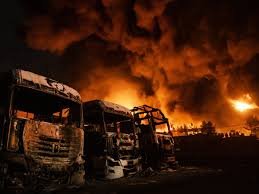
The sudden rise followed intense military exchanges involving Iran, the United States, and Israel over the weekend. Strikes reportedly targeted several energy facilities around Tehran, shaking confidence in regional oil production capacity. Witnesses described scenes of chaos and heavy damage in parts of the Iranian capital. Energy analysts quickly warned that the attacks could remove millions of barrels from daily global supply.
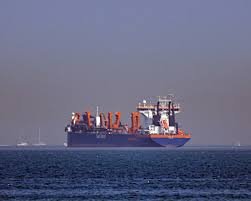
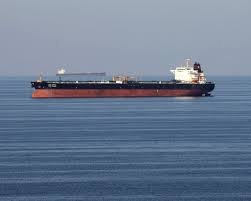
At the centre of market anxiety lies the strategic waterway known as the Strait of Hormuz. This narrow passage connects the Persian Gulf with global shipping lanes and carries enormous energy shipments daily. Roughly one fifth of the world’s oil supply normally travels through this vital maritime corridor. However, shipping traffic has largely halted after security threats and escalating military tensions in the area.
Iranian forces reportedly warned commercial vessels that entering the strait could invite dangerous retaliatory action. Tanker operators, insurers, and shipping companies immediately suspended many journeys through the region. Hundreds of vessels have remained anchored nearby while awaiting improved security conditions and diplomatic clarity. As a result, the sudden supply disruption sent shockwaves across commodity markets worldwide.

Global benchmark crude prices reacted instantly when trading opened in Asia early Monday morning. The international Brent crude benchmark surged more than twenty six percent to reach one hundred seventeen dollars per barrel. Meanwhile, the American crude benchmark climbed even higher as traders priced in severe supply shortages. The surge reflected fears that roughly twenty million barrels of oil could disappear from markets daily.
Energy traders often view such supply shocks as immediate triggers for extreme price volatility. When large producing regions face disruption, traders typically anticipate cascading shortages throughout global supply chains. In this case, analysts believe geopolitical tensions amplified fears about shipping routes and export infrastructure. The result has been one of the sharpest oil market reactions seen since pandemic recovery years.
Global stock markets quickly reflected the nervous mood spreading across financial centres. Japan’s major Nikkei index plunged sharply as investors moved away from riskier assets. South Korean and Australian markets also recorded steep declines amid broader concerns about global economic stability. Futures trading indicated that major United States exchanges might also open with heavy losses.
In Washington, President Donald Trump responded publicly to the rising oil costs. Writing on social media, he suggested the price surge was a temporary sacrifice for global safety. He argued that eliminating Iran’s nuclear threat would eventually stabilise energy markets and reduce prices again. The president described the increase as a short term consequence of necessary military pressure.
However, officials in Tehran issued stark warnings that continued strikes could drive prices much higher. A spokesperson linked to the Islamic Revolutionary Guard Corps cautioned international observers about possible consequences. He claimed oil prices could exceed two hundred dollars per barrel if military escalation continued. Such warnings further unsettled markets already shaken by halted exports and damaged infrastructure.
Analysts emphasised that the real concern involves the scale of oil supply disruptions emerging rapidly. Experts estimate roughly twenty million barrels of daily supply could currently be missing from markets. This represents a significant portion of global production and creates a severe imbalance between supply and demand. Traders quickly responded by pushing prices upward as inventories faced sudden pressure.
One prominent energy expert from the Center for Strategic and International Studies offered a stark assessment. He explained that markets initially assumed political leaders would prioritise stabilising global energy prices. Yet the latest developments suggested geopolitical objectives now outweighed concerns about immediate economic consequences. That shift forced traders to reconsider expectations about rapid market recovery.
Officials within the United States government attempted to reassure investors and consumers during televised interviews. Energy Secretary Chris Wright argued the disruption might last weeks rather than many months. According to him, contingency plans already exist to reduce pressure on international oil markets. These measures could include releasing emergency reserves and rerouting some shipments through alternative regional routes.
Despite those reassurances, traders remain cautious about expecting swift improvements in supply conditions. Tanker operators still face potential threats from missiles, drones, mines, and naval patrols in the region. Insurance providers are also reconsidering coverage for vessels operating close to Iranian waters. Without financial protection, many shipping companies cannot risk navigating such dangerous maritime environments.
Meanwhile, storage facilities in several Gulf states have approached their operational limits. Countries including Saudi Arabia, the United Arab Emirates, and Kuwait rely heavily on maritime exports. If ships cannot transport crude through the Strait of Hormuz, oil quickly accumulates in domestic storage terminals. Once these facilities reach capacity, producers may have no option except temporarily shutting down oilfields.
That possibility worries governments and industries across the global economy. Energy shortages can increase transportation costs, raise electricity prices, and intensify inflationary pressure worldwide. Countries already struggling with rising living costs could face additional economic hardship if prices continue climbing. Businesses dependent on fuel, including aviation and logistics companies, would likely experience immediate financial strain.
Financial institutions also monitor the situation closely because energy prices strongly influence broader economic trends. Higher oil prices typically raise production costs for manufacturing and transportation industries. This can slow economic growth while increasing pressure on central banks managing inflation levels. Investors therefore view sustained energy price spikes as potential signals of wider economic instability.
 During the past year, oil prices had gradually climbed from around sixty dollars per barrel. Early gains reflected recovering global demand and cautious supply policies among major exporting nations. However, the latest military confrontation accelerated the upward trend dramatically within just a few days. Markets suddenly shifted from moderate optimism to deep concern about long term supply disruptions.
Energy experts say the future direction of oil prices depends largely on political decisions. If negotiations reduce tensions and shipping routes reopen safely, supply could stabilise quickly. However, further attacks on infrastructure or vessels would likely push markets into even deeper crisis. Under such circumstances, analysts warn prices could approach levels not seen in decades.
For consumers across Europe, Asia, and the United Kingdom, the consequences may soon become visible. Rising fuel costs could influence petrol prices, heating bills, and transportation expenses. Governments may also face pressure to consider emergency economic support or strategic energy policies. Much now depends on whether diplomatic efforts can reduce tensions before markets react further.
For the moment, global energy markets remain firmly on edge as events continue unfolding rapidly. Oil prices reflect more than simple supply changes; they mirror geopolitical uncertainty and investor sentiment. As long as military tensions threaten one of the world’s most critical shipping corridors, volatility will likely persist. Markets, governments, and households alike now watch closely for signs of de-escalation or deeper crisis.
Related News:
 UPS Cargo Plane Crash in Kentucky Kills Seven
 US private equity set to acquire UK online retailer Very Group
 Switzerland Rolls Out Charm Offensive to Cut Trump’s 39% Tariffs
 Canada Passes Carney’s First Budget in Tight Parliamentary Vote
 India’s Labour Law Overhaul Sparks Fierce Debate
 Carney’s Alberta Pipeline Deal Sparks Immediate Pushback
 Mark Carney Walks Diplomatic Tightrope on China Visit
 Wall Street shaken by Trump tariff shock as markets tumble
 ‘Black Tax’: Burden, Pride and Survival for African Workers
 UK New Car Discounts Near £6,000 as Prices Are Slashed
 Coles Discounts Under Fire in Federal Court
 Trump Tower Gold Coast to Redefine Skyline
 Rory Amon Trial: Alleged Victim Speaks in Court
 Oil Prices Surge as Iran War Jolts Markets
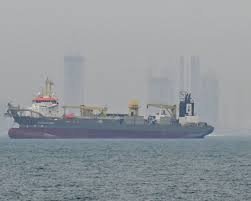
 Gulf shipping crisis as war risk cover pulled
 Global markets face turmoil as Hormuz crisis deepens
 Gulf shipping crisis sparks food price fears
 G7 Weighs Emergency Oil Reserves as Prices Surge
 Brazil Floods Warning as Scientists Urge Fossil Fuel Exit
 Asia Scrambles to Confront Energy Crisis Amid Iran War
 The Truth Behind Rising Energy Costs and Fossil Fuel Myths
 UniCredit’s Bold Move to Reshape European Banking
 RBA rate hike sparks fears amid global crisis
 UK Wage Growth Slows as Jobs Market Holds Firm
 Oil Slides, Stocks Jump on Trump Peace Signals
 ABC Staff Strike Over Pay and AI Concerns
 Middle East Conflict to Hit UK Economy Hardest
 Australian Growth Slows as Global Inflation Spike Looms
 The Strategic Failure of Trump’s Conflict With Iran
 Trump to Deploy “God Squad” Over Gulf Wildlife Protections
 Trump Threatens Iran With Total Infrastructure Destruction
 Iran Drone Strike Hits Kuwaiti Oil Tanker in Dubai Port
 Russia: The Unforeseen Winner of the Iran Conflict
 Albanese to Address Nation as War Sparks Economic Crisis
 US Senators Slam Ticketmaster Over Sneaky New Fee Hikes
 Apple at 50: Three Products That Changed How We Live
 California fireworks blast: murder charges filed in case
 IMF Warns Iran War Could Spark Deep Global Recession
 Trump Slams UK Ties and Threatens To Rewrite Trade Deal
 Athens Mayor Moves to Tackle Overtourism Crisis
 Southeast Asia Turns to Russia Amid Energy Crisis
 Ukraine Urges UK to Seize Russian Oil Tankers
 US Calls Australia Media Law “Foreign Extortion”
 Capitalism ‘Suicidal’, Warns Petro at Climate Summit
 Oil Prices Surge Above $120 Amid Iran Blockade Fears
 $13bn World Cup Set to Break All Revenue Records
 US to Escort Trapped Ships Through the Strait of Hormuz
 Trump approval plunges amid Iran war fears
 Infantino’s Grip Tightens as FIFA Eyes a $14bn Future in Vancouver
 Trump Threatens UN Budget Cuts as US Pushes ‘Trade Over Aid’ Agenda
 Global Conflict Hits Home As Bullock Warns Of Economic Pain
 Norway Doubles Down on Oil and Gas for Europe Energy Security
 US Awaits Iran Reply on New Ceasefire Proposal
 Trump’s Gold Coast Tower Dreams Crumble Amid Toxic Fallout
 Trump: Preventing Nuclear Iran Is ‘The Only Thing That Matters’
 High Street Crisis: Fears Grow Over Post Office Closures
 Beijing Becomes Centerstage for Global Diplomatic Ballet
 Oil Markets Face ‘Red Zone’ Threat Amid Iran Crisis
 Hormuz Talks Near Critical Stage
 UK Pushes for New EU Goods Trade Deal
 Reeves Fights to Keep Treasury Role Amid Labour Turmoil
 China mine blast death toll rises to 90
 Japan Suffers Plastic Shortage Due to Middle East Crisis
 UK Economy Suffers a Sharp Downturn as Iran Conflict Bites
 Europe Weighs Hormuz Navigation Fee Plan
 Ukraine Creates Long-Range Strike Command
 ‘Extinct’ Antelope Returns to Sahara, Bringing Hope
 Irish Beach Tragedy: Irish Drown at Whitehaven Beach in Australia
 Starmer Faces Parliamentary Battles Over UK-EU ‘Reset’ Plan
 ScottishPower Tops List of Worst UK Energy Suppliers
 UK and US Drop in Global Corruption Index Rankings
 UK Unemployment Rate Climbs to 5.2% Peak
 Canberra Poster Seizure Sparks Free Speech Row
 Jacinda Ardern Move Sparks Kiwi Reflection
 Middle East Airspace Crisis Strands Thousands
 Kelly Wilkinson Inquest Reveals Bail Failure
 US Missile Strike on Iran School Sparks Global Shock
 Tube Strike Brings Capital to a Standstill Over Shift Disputes
 Sainsbury’s Boss Optimistic As Grocery Inflation Eases
 Houthis Strike Saudi Arabia as Middle East Tensions Rise