Published: 23 April 2026. The English Chronicle Desk. The English Chronicle Online
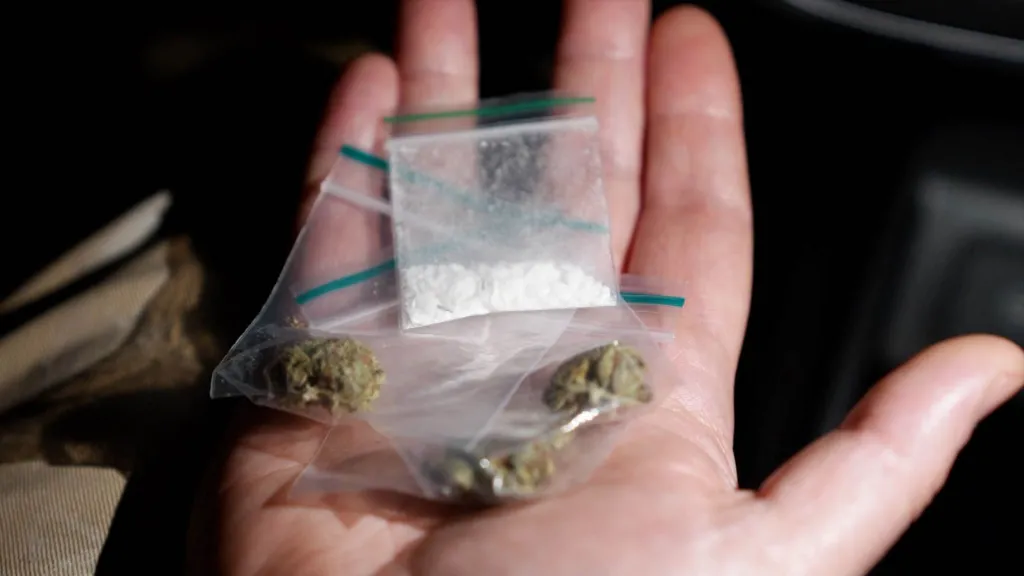
A shocking undercover investigation by the BBC has exposed a network of independent mini-marts across the UK that are allegedly operating as “24-hour drug pharmacies.” Secret filming captured during a four-month sting reveals shopkeepers and staff at seemingly ordinary convenience stores selling cocaine, cannabis, and high-strength prescription medication alongside everyday essentials like bread and milk. The investigation, which spanned cities including London, Manchester, and Birmingham, suggests that the traditional “drug deal” has moved off the street corners and behind the counters of some of the nation’s most frequented high-street shops.

The BBC’s undercover team, posing as regular customers, was able to purchase “wraps” of high-purity cocaine and bags of herbal cannabis in over 15 different locations. Perhaps more concerningly, the investigation highlighted a rampant trade in “under-the-counter” prescription drugs, including Pregabalin, Diazepam, and Codeine-based syrups. In several instances, reporters were offered these controlled substances without a prescription, often being told by staff that they were “better than the street stuff” because they came in professional-looking blister packs—many of which are suspected to be counterfeit or diverted from legitimate supply chains.
The footage reveals a sophisticated but brazen method of operation. In one shop in East London, the reporter was directed to a “special” fridge at the back of the store. After a brief verbal exchange, the staff member swapped a ten-pound note for a small plastic container hidden inside a yogurt pot.
“It’s about the convenience and the lack of risk,” says former undercover officer David Widlake. “For a buyer, walking into a shop feels safer than meeting a dealer in an alleyway. For the criminal, the shop provides a perfect front for money laundering and a steady stream of ‘clean’ foot traffic to mask the illegal sales.”
The ease of access to prescription drugs has alarmed health officials. Pregabalin, an anti-epileptic drug often used to treat nerve pain, has been linked to a rising number of drug-related deaths in the UK when taken without medical supervision or mixed with alcohol.
The “Grey Market”: The investigation found that some shops were selling these pills for as little as £2 each, making them highly accessible to vulnerable individuals and teenagers.
Counterfeit Concerns: Samples purchased by the BBC and later tested in a lab revealed that several “prescription” pills contained no active ingredients, while others were laced with dangerous synthetic opioids like Nitazenes, which are significantly more potent than heroin.
Following the broadcast of the footage, police forces across the country have launched a series of coordinated raids. A spokesperson for the National Crime Agency (NCA) stated that “corrupt businesses” providing a veneer of legitimacy to organized crime is a priority area for law enforcement. “These are not just ‘naughty’ shopkeepers; they are an integral part of an organized crime distribution network that preys on our communities,” the spokesperson added.

Local councils are also facing pressure to review the licenses of independent mini-marts more rigorously. However, the BBC’s report suggests the problem is systemic, with many “dark shops” reopening under new names or different family members just weeks after being shut down. As the investigation ripples through the Home Office, there are growing calls for a national task force to tackle the “high-street pharmacy” phenomenon before it becomes an irreversible feature of the British urban landscape.
Related News:
 UP IN FLAMES: Huge Blaze Rips Through Odeon Cinema, Students Evacuated
 Stop Releasing Phone Thieves Who Reoffend, Met Police Chief Urges Courts
 Disability and LGBT Hate Crimes Set to Become Aggravated Offences
 Teacher Who Lied About Cambridge Degree Banned From Profession
 Illegal Skin Lightening Cream Being Sold in UK Butchers, Watchdog Warns
 Man Who Threw Kittens Into River Thames Sentenced
 Last‑ditch Call to Save Police Front Counters in London
 Deaf Woman Killed After Night Out With Strangers, Court Hears
 Two Teens Found Dead at East Yorkshire Holiday Park
 Porthcawl Body Find: Man Charged After Woman in 80s Found Dead in Freezer
 Dad Found in Bed with Daughter 16 Years After Abandoning Her as a Child
 I Confronted a Mugger with an 18-Inch Machete in London – No Wonder Tom Cruise is Leaving
 He Told Police His XL Bullies Were Friendly – Days Later His Mother-in-Law Was Mauled to Death
 ‘The Arrogance of XL Bully Owner Killed Our Mum’
 ‘Don’t Make Us Security Guards,’ Says Teacher Stabbed by Pupil
 Sadistic Pair Jailed for Blowing Up Sheep
 Grave of Murdered Toddler James Bulger Vandalised
 Outsiders Disrupted Search for Missing Teen Noah Donohoe
 My Sub‑Postmaster Dad Carried a Weight of Shame
 Police Brothel Raids Target Organisers, Not Sex Workers
 Calls Grow to Remove Billboard Following Lyra McKee Graffiti
 Woman Says She Was Threatened With Rape After Locksmith Scam
 Murdered Student ‘Algasim’ Was ‘the Most Special Person’, Friends Say
 Sisters Who Could Not Swim Drowned While Paddling in Snowdonia, Inquest Hears
 Yorkshire School Issues Warning Over Social Media Trend Targeting Pupils
 Family of Girl Groomed by Ian Huntley Beg Medics to Save His Life
 Sarah Everard’s Killer Wayne Couzens ‘Petrified’ After Ian Huntley Prison Attack
 Undercover officer deceived women with ‘grotesque and cruel’ lies, spycops inquiry told
 Gran Vows to Shield Huntley’s Daughter From Soham Killer’s Funeral
 Beloved Teacher Dies After Student Prank Turns Tragic
 Fire Crews Battle Aftermath of Glasgow Union Street Blaze
 Burglar’s Bizarre Excuse After Bedroom Break-In
 King Charles Strips MBE and OBE Titles from Nine People Including Stuart Hogg
 Mum Forces Killer Son Back to Crash Scene After He Mows Down Pensioner
 Mum-of-Three Blackmailed Men After Sending Nude Photos
 Teen Wins Payout After TRNSMT Crush Horror
 Toddler Dies After Car Park Collision Tragedy
 ‘My Van Was Stolen With Seven Dogs Inside’
 Biker Suffers Fractured Spine After Hitting Pothole in Edinburgh
 Scots Head Teacher Pays Tribute to Teen Who Died in Car Fire
 Jobless Man on £15k Benefits Accused of Hurling Abuse at Anti-Migrant Demo
 Eggs and Money Stolen from Boy’s Roadside Stall
 Blind Woman Forced to Move Out After Leak Causes Ceiling to Cave In
 Man Hit by Car in Glasgow City Centre as Emergency Crews Rush to Scene
 Second Man Arrested Over ‘Gunshot’ Death of Young Dad in Motherwell Home
 Rapist Caught After Victim Calls Police Mid-Attack

 Brutal Attack on Officer Leads to Five-Year Sentence
 Teen Admits Filming Westfield Chair Prank
 Hazardous Material Found in Scots Home Raid
 Families Tortured by Authorities During Investigations Inquiry Told
 Watchdog Probes Police Handling of Andrew Tate Abuse Claims
 Fire Crews Battle Major Blaze at Coventry Car Dealership
 Dawn Raids in Scotland and Spain: Eight Arrested in Major Organised Crime Sting
 ‘I Didn’t Realise’: ‘Housebound’ Benefit Cheat Caught Ziplining in Mexico
 ‘An Evil Man is Dead’: Australian Fugitive Dezi Freeman Shot Dead After 216 Days
 Three-Minute Heist: Renoir, Cézanne, and Matisse Masterpieces Stolen in Italy
 Four Teens Charged After Assault on Rescue Volunteer and Dog
 How a Busy Saturday Night in Derby Descended into Chaos
 Shadow on the Playground: UK Children Report Record-High Sextortion Attempts
 Heartbreak in Bournemouth: The Tragic Death of James Blanch
 Rebranded or Reclaimed? Seized Tate Assets to Fund Domestic Abuse Support
 The Victim-Blame Loop: When Protection Orders Backfire
 The Courtroom Clash: Couple Denies Charges in Alleged Racially Motivated Assaults
 Justice Served: Man Jailed for Grooming Minor Met on Gaming Platform
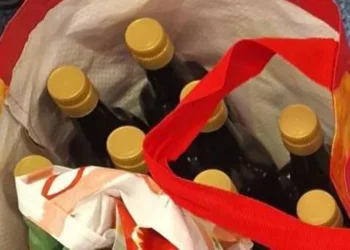 The Liquid Gold Heist: Arrests Made After Man Found with ’20 Olive Oil Bottles’
 ‘Tragedy on Our Streets’: Man Arrested for Drug Driving After Six-Year-Old Boy Killed in Ellesmere Port
 Protests and Police: Four Arrested as Tension Boils Over in Epsom Rape Case
 ‘Thugs for Hire’: 17-Year-Old Charged in Counter-Terror Probe Following Synagogue Firebombing
 ‘A Sacred Space Shattered’: Two Found Guilty in London Church Drive-By Murder Trial
 Autopsy Reveals “Penetrating Injuries” in Death of Teen Found in Singer D4vd’s Car
 Targeted Attack in Bury Sparks Murder Investigation as Community Awaits Justice
 Merseyside Police Helicopter Crew Cleared After Low-Altitude Pursuit of Suspect
 Woman Jailed for Life After Killing E-Bike Rider in Tragic Mistaken Identity Case
 Police response times face strict new national limits
 Motorists Could Face ‘Mandatory’ Driving Ban for Road Offences Under Tougher Laws
 Epstein Eyed Record Label Investment to Access Women, Files Suggest
 The Waiting Ward: ‘Month of Worry’ as Doctor Strikes Trigger Seismic Surgery Delays
 Roadside Reckoning: Nearly 160,000 Uninsured Vehicles Seized in National Crackdown
 ‘The Last of the Greatest’: UK’s Oldest WWII Veteran Passes Away Aged 109