Published: 09 March 2026. The English Chronicle Desk. The English Chronicle Online.
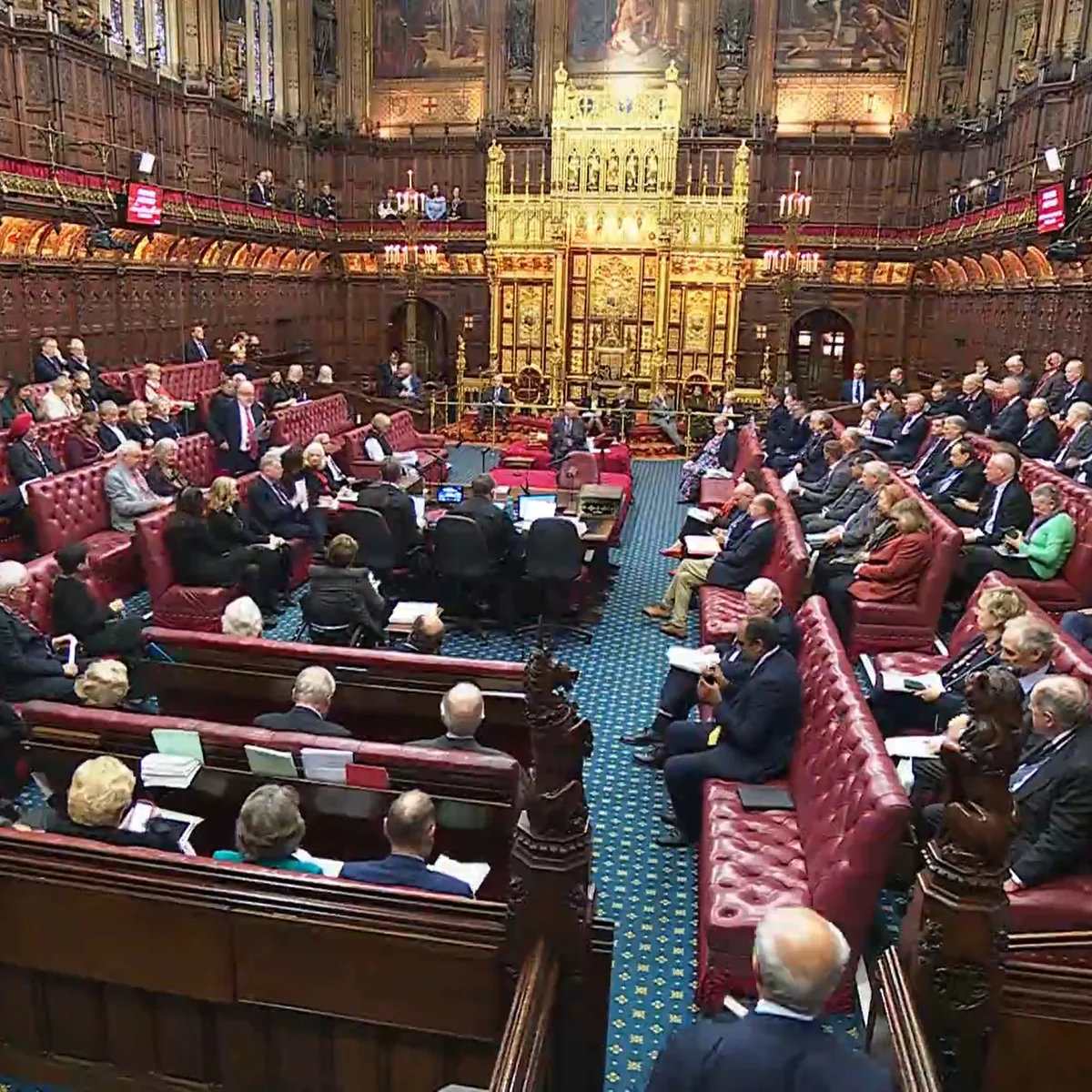
A growing debate in the United Kingdom has emerged around a proposed law that aims to limit parental rights of convicted child sex offenders. Critics warn that the legislation contains a significant gap which could leave some children unprotected. The issue will be discussed in the House of Lords this week, where peers will consider whether changes are needed before the bill progresses further.
The proposed legislation forms part of the government’s wider victims and courts bill, designed to strengthen support and protection for victims. However, legal experts and campaigners argue that the proposed law does not fully address the risks posed by convicted paedophiles who may later have additional children after serving prison sentences.
Under the current proposal, individuals convicted of serious sexual offences against a child and sentenced to at least four years in prison would automatically lose parental responsibility for their existing children. Supporters believe this change would prevent offenders from maintaining control or influence over families they previously harmed.

Despite this step forward, critics say the measure fails to protect children born after the offender’s conviction. A convicted paedophile could complete their sentence, have more children, and automatically gain parental responsibility for those new children under existing legal rules.
This gap has prompted concern among campaigners and legal professionals who fear it could undermine the broader goals of the legislation. They warn that without further amendments, the proposed law may unintentionally create a system where some children are protected while others remain vulnerable.
The issue has drawn attention from crossbench peer James Meston, a former family court judge. He has introduced an amendment aimed at closing what he describes as a troubling loophole within the proposed law.
Lord Meston’s amendment will be debated in the House of Lords on Tuesday. It seeks to ensure that individuals convicted of serious sexual offences against children cannot automatically acquire parental responsibility for any child born after their conviction.
The proposed change attempts to balance child protection with existing legal safeguards related to family rights. Lord Meston has acknowledged that a total prohibition could raise concerns under the European Convention on Human Rights, particularly Article 8, which protects the right to respect for private and family life.
To address this concern, the amendment includes a narrow pathway allowing a convicted offender to apply to the family courts for parental responsibility in exceptional circumstances. However, the burden would fall on the offender to justify such a request, rather than granting rights automatically at birth.
The debate has been influenced by a widely reported case involving a mother referred to publicly as Bethan to protect her identity. Her experience highlighted the challenges some families face when attempting to prevent contact between children and convicted offenders.
Bethan spent approximately £30,000 in legal fees to stop her former husband, who had been convicted of child sexual offences, from maintaining contact with their daughter. Her case gained public attention after being reported by the BBC, prompting renewed discussion about how the legal system handles parental rights in such circumstances.
Speaking about the proposed amendment, Bethan said it would help prevent a deeply unfair situation where children born before a conviction are protected but younger siblings remain exposed to potential risk. She warned that a two-tier system could emerge if the law is not strengthened.
According to Bethan, if a convicted paedophile retains parental rights over even one child in a family, that power can affect the entire household. She explained that such control could be used to intimidate former partners or exert influence over family decisions.
Supporters of the amendment believe closing the loophole would send a clear signal that the justice system prioritises the safety and wellbeing of children. They argue that safeguarding measures must extend to all potential victims, regardless of when they are born.
The discussion also touches on broader issues surrounding coercive control and the ways offenders may continue exerting influence over former partners. Campaigners say parental responsibility can sometimes become a legal tool used to maintain contact or pressure long after a relationship ends.
Bethan’s father played a role in shaping the amendment after contacting Lord Meston with concerns about the legislation. He suggested practical ways the law could protect future children without imposing a complete and permanent ban.
His proposal helped form the basis of the amendment now being considered by peers. The wording specifies that a person convicted of serious sexual offences against a child and sentenced to four or more years should not automatically gain parental responsibility if they later become a parent.
The amendment also addresses cases where a child is conceived as a result of rape. In such circumstances, the offender would not be able to gain parental responsibility automatically under the relevant provisions of the Children Act 1989.
Campaigners say the change would prevent complex and traumatic legal battles for victims who might otherwise need to challenge parental rights through lengthy family court proceedings. They believe many families lack the financial resources to pursue such cases.
Evidence from online support communities has also influenced the debate. Bethan’s father said some women on forums such as Mumsnet have described facing extremely difficult decisions when trying to escape coercive partners.
In some situations, women reportedly felt pressured to terminate pregnancies simply to avoid future legal conflicts over parental responsibility. Advocates say such choices highlight the emotional and legal strain that gaps in the law can create.
If the amendment is accepted, supporters believe it could reduce these pressures by preventing offenders from automatically acquiring legal authority over children born after their conviction. Instead, any request for parental responsibility would require court scrutiny.
Government ministers have previously indicated caution about imposing restrictions affecting children who are not yet born. During a parliamentary debate last year, victims minister Alex Davies-Jones said the government could not legally bind future children through the legislation.

She explained that if concerns about safety arise in the future, family courts already have the power to remove parental responsibility when necessary. This approach relies on existing legal mechanisms rather than introducing automatic restrictions.
Critics argue that relying solely on family court proceedings places a heavy burden on victims and caregivers. They say preventative measures within the law could reduce the need for costly and stressful legal battles later.
As the debate approaches, legal experts expect peers in the House of Lords to carefully consider both child protection and human rights obligations. The discussion reflects a wider challenge within the justice system, where lawmakers must balance safeguarding with individual legal rights.
The outcome of the debate could shape how the victims and courts bill progresses through parliament. If the amendment is adopted, it may strengthen protections for children while maintaining judicial oversight through family courts.
For many families affected by abuse, the decision carries deep personal significance. Campaigners hope lawmakers will address the concerns raised and ensure the law protects every child equally.
The coming discussion in parliament is likely to draw close attention from legal professionals, advocacy groups, and survivors’ organisations across the country. Regardless of the final decision, the debate highlights the ongoing effort to strengthen child protection within the legal framework of England and Wales.
Related News:
 Tories Push to Dilute Labour’s Workers’ Rights Bill
 It’s time to come clean on the China spy case
 Rachel Reeves Admits Renting Home Without Required Licence
 Experts Question HMRC Over Possible Child Benefit Privacy Breach
 Phillipson urges careful review of gender recognition guidance
 French Taxi Driver Cleared in David Lammy Theft Case After Fare Dispute
 Met Police Culture Makes Racial Harm ‘Inevitable’
 Remaining rebel Labour MPs have whip restored
 Tim Davie resigns as BBC director general amid bias claims
 Palace to reinstate hyphen in Andrew’s surname
 BBC Apologises to Trump but Rejects $1bn Compensation Claim
 Major Rent Reform Ends No-Fault Evictions in England
 Peers Flood Assisted Dying Bill with 942 Amendments
 Your Party Turmoil Deepens Over Withheld Donations
 UK Unveils Fast-Track Deportation and Asylum Overhaul
 UK Asylum Overhaul Sparks Debate Over Human Rights and Deportations
 UK Asylum Reforms: Temporary Refugee Status and Faster Deportations
 Mahmood Defends Tough Overhaul of UK Asylum System
 Scottish Ministers Express Alarm Over UK Asylum Reforms
 Westminster Advances Legacy Bill Amid Criticism
 Minister Defends Tough New Asylum Reform Plan
 UK Net Migration Falls Sharply After ONS Revisions
 Peers Get Extra Time to Debate Assisted Dying Bill
 Plans to Limit Jury Trials Face Retreat After Mounting Opposition
 Tim Walz urges Trump to withdraw federal agents immediately
 UK and EU Signal Fresh Push for Defence Cooperation Talks
 Labour Attacks Reform Candidate Over Tommy Robinson Backing
 Civil Service Pay: Union Urges Ministers to End ‘Barking Mad’ Limits
 Labour Lawyers Blocked From Briefing MPs on Jury Trials
 Starmer Defends Workers’ Rights Amid Rising Green Threat
 Mass Arrests at London Palestine Protest Spark Debate
 Starmer Faces Pressure Over Mandelson Vetting Scandal
 Crackdown Backfires on UK Climate Protesters
 Asylum deal sparks fears over Syria deportations
 UK may ban protests amid rising antisemitism fears
 Murder Probe Continues After Arrest Release
 Tanni Grey-Thompson Faces Abuse Over Opposition to Assisted Dying Bill
 Trump’s UK Ambassador Urges North Sea Drilling to Strengthen US Ties
 Millionaires group urge Reeves to introduce wealth tax to ‘lift kids out of poverty’
 Reeves rejects £1bn plea for NHS redundancy payouts
 PM Condemns Leaks, Vows Loyalty to Ministers and Stability
 ICC to Rule on Duterte’s Provisional Release
 Starmer Says Labour’s Economic Plan Needs Years to Deliver
 Google Employee Claims Redundancy After Harassment Report
 Australia grants Asio powers to designate hate groups under new laws
 Labour Blocks Burnham as Party Rift Deepens Ahead of Polls
 Artificial intelligence will cost jobs, admits Liz Kendall
 Partial US Government Shutdown Hits Homeland Security Funding
 Mandelson Faces Police Inquiry Over Epstein Leak
 Morgan McSweeney downfall shocks Labour leadership
 Farage Unveils Reform UK Frontbench Team
 Wales Approves Assisted Dying Bill Consent
 UK EU Trade Reset Gains Public Backing
 Corbyn Leads Your Party in Coordinated Left-Flank Strategy
 Asylum Seekers to Work After Year-Long Wait
 Starmer Row as Greens Demand Apology
 Starmer Praised for Stance on Trump and Iran Conflict
 NHS Plans to Cut Overseas Workers Labeled Overambitious
 Family Court Reform Promises New Era for UK Families
 Army Probes Apache Flyover at Kid Rock’s Nashville Estate
 Report Says Pezzullo Acted ‘Recklessly’ in Dealings
 Suspected Plot Targets Pipeline Before Hungary Vote
 Starmer Faces Commons Test Over Mandelson Scandal
 Starmer Survives Mandelson Rebellion
 Greens Face Internal Row Over Antisemitism Claims
 Met Officers Probed Over Al Fayed Abuse Allegations
 Labour Members Doubt Starmer Future as Burnham Leads Poll
 Reform UK Faces Crisis as Newly Elected Councillors Resign
 Secret Role of UK Security Services in Troubles Amnesty Law
 Starmer Leadership Under Pressure After Setbacks
 The Hidden Crisis Eroding Trust in British Communities
 Deepfake Abuse on X Sparks Safety Concerns for Dissidents
 UK Ministers Lobby Trump Over Under-16s Social Media Ban
 Starmer Resolves to Fight Burnham in Leadership Battle
 Hollie Ridley to Step Down as Labour General Secretary
 Jarvis Urges Burnham to Secure 3.5% Defence Spending
 Farage Warns Sky News Following Financial Inquiry
 Reform UK Finances Face Deep NCA Probe
 Ann Widdecombe, Formidable Political Figure, Dies at 78
 Westminster Council Threatens Charing Cross Soup Kitchen