Published: March 11, 2026
The English Chronicle Desk. The English Chronicle Online
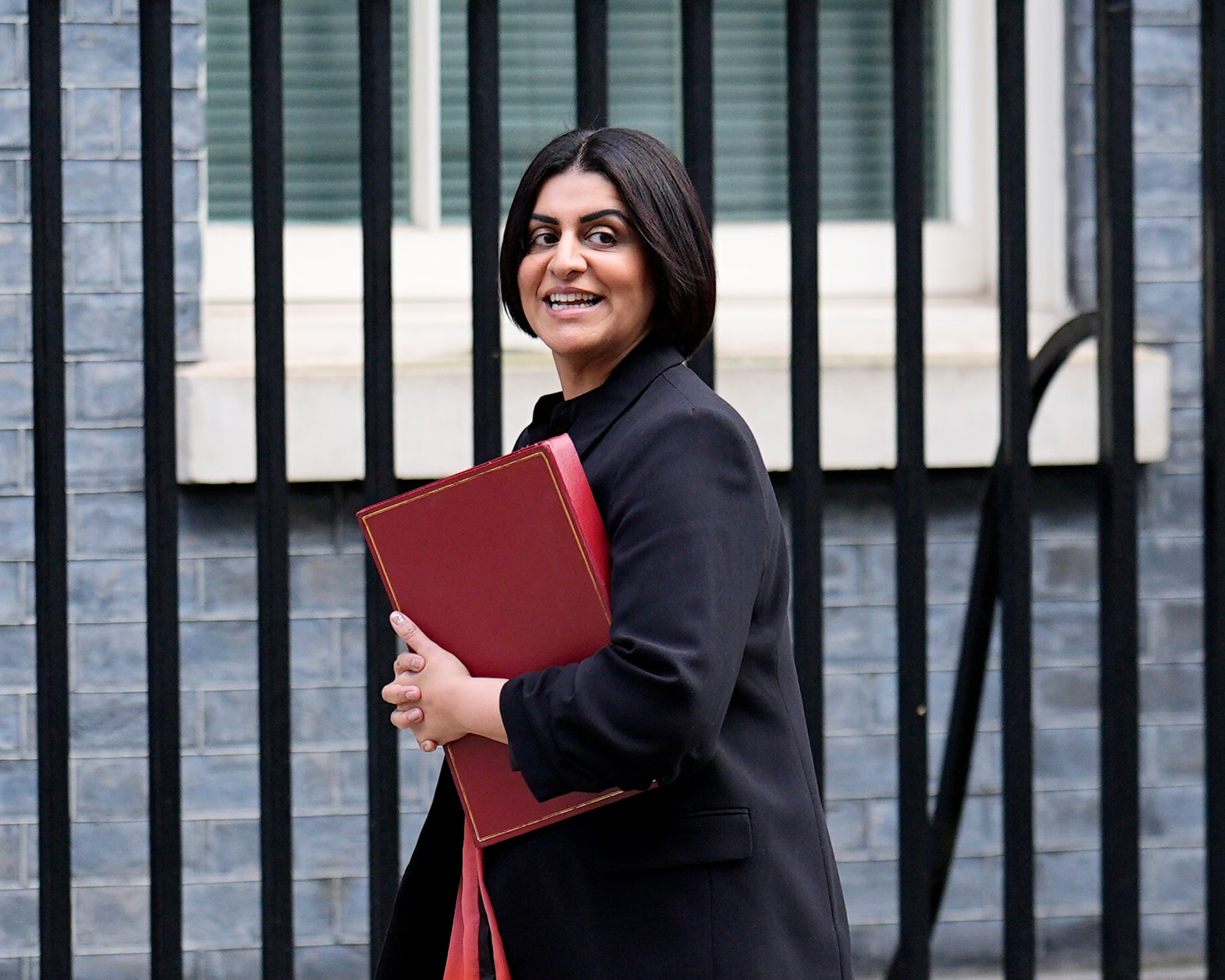
Home Secretary Shabana Mahmood has formally approved a request from the Metropolitan Police to ban the annual Al Quds Day march in central London, citing serious concerns about public disorder if the event went ahead amid heightened tensions over the Middle East conflict.

The protest, scheduled for Sunday and traditionally held to express solidarity with Palestinians, drew criticism in Westminster after organisers were reported to have expressed support for Iran’s late supreme leader Ayatollah Ali Khamenei, who was killed in a US‑Israeli strike earlier this month. Several counter‑demonstrations were also planned, amplifying fears of clashes between rival groups.
Announcing her decision, Mahmood said she was “satisfied doing so is necessary to prevent serious public disorder, due to the scale of the protest and multiple counter‑protests, in the context of the ongoing conflict in the Middle East.” She added that while a static demonstration could still take place under strict police conditions, moving the planned march would be unlawful and subject to enforcement.
The ban represents the first time a protest march has been blocked in London since 2012, when authorities used similar powers in response to public order risks. The Metropolitan Police stressed that the decision was based on operational risk assessments rather than political preference, arguing that previous Al Quds Day events had sometimes led to arrests linked to support for proscribed organisations and hate crimes.
Organisers from the Islamic Human Rights Commission (IHRC) strongly condemned the move, calling it a blow to freedom of expression and assembly and advising they were seeking legal advice. The IHRC maintained that its demonstration had historically been peaceful and should be permitted to proceed.

Political reactions cut across party lines, with MPs from both Labour and the Conservatives supporting police action, while civil liberties advocates warned the ban risked setting a precedent for restricting protest rights in a politically charged environment.
Related News:
 Police Assessing Stansted Airport Private Flights Over Epstein Ties
 ‘Just Push Us Into the Sea’: The Frustration of an Area Failed by Politics
 Last‑ditch Call to Save Police Front Counters in London
 Britain’s Special Needs Spending Crisis Will Be Labour’s Ruin
 Fury as Jobless-Migrant Households Receive Benefits Worth £10bn – ‘We Need to End This’
 Schools in England to Get Budget for Children with Special Needs as Part of SEND Overhaul
 Why Independence Is Still a Political Dividing Line in Scotland
 Muslim Group Wants Mosques to Be Used as Polling Stations Ahead of UK Elections
 Manchester Students Mourn Ayatollah Amid Protest
 Labour Faces Backlash Over Conscription Warning
 SNP Health Secretary Criticised Over NHS Failures Locally
 Scotland Combines Alcohol and Drug Strategy to Cut Addiction Deaths
 UK Must Act with Courage and Clarity on Israel-Palestine Conflict, Says Foreign Affairs Committee Report
 Chancellor Faces Mounting Pressure Amid “Impossible Trilemma” Over Tax Rises
 Radioactive Leak at UK’s Nuclear Warhead Base Sparks Outcry Over Safety and Secrecy
 Mutual Inconvenience: Why Alaska Was Chosen for the Trump-Putin Summit on Ukraine
 Chancellor Rachel Reeves Pushes for Sweeping Changes to Environmental Protections to Accelerate Development
 Is the UK Ready to Put Boots on the Ground in Ukraine? Assessing Military Capacity and Challenges
 Police Scotland Spends £500,000 Compensating Officers Over Trump Visit
 Britain’s Migration Challenge: Rising Asylum Numbers and Hotel Pressures
 Elon Musk Sparks New Controversy by Backing Tommy Robinson Amid Farage Feud
 Urgent Action Needed on Windrush Compensation as Survivors Speak of “Waiting to Die”
 Tanni Grey-Thompson Faces Abuse Over Opposition to Assisted Dying Bill
 TfL Invites RMT to Resume Talks as London Tube Strikes End
 Nigel Farage Unveils Controversial Immigration and Welfare Plans at Reform UK Press Conference
 Ed Miliband Warns UK Government on X, Citing Elon Musk as a “Dangerous Influence”
 Digital ID Plans Ignite Debate Over £600m Treasury Tax Boost and Privacy Concerns
 Kemi Badenoch Unveils ‘Golden Rule’ to Halve Spending Cuts for Deficit Reduction at Tory Conference
 Public Trust in SNP Hits Historic Low Amid NHS Concerns
 Johnson Suggests Mandelson Linked to China Spy Controversy
 UK border officers deployed to Balkans to tackle migrant smuggling
 Ministry of Justice fails to file £11bn in spending receipts
 UK MPs warn of repeat riots over online misinformation
 Rachel Reeves signals welfare reform ahead of key budget
 Reform UK candidate fined £19,000 after using AI-generated cases to challenge election
 William Steps Up Over Prince Andrew Palace Response
 Army Barracks to House Migrants as Hotels Phase Out
 Green Party Surges Past Labour in Latest UK Poll
 Trump’s UK Ambassador Urges North Sea Drilling to Strengthen US Ties
 French Taxi Driver Cleared in David Lammy Theft Case After Fare Dispute
 Millionaires group urge Reeves to introduce wealth tax to ‘lift kids out of poverty’
 Reeves rejects £1bn plea for NHS redundancy payouts
 PM Condemns Leaks, Vows Loyalty to Ministers and Stability
 Major Rent Reform Ends No-Fault Evictions in England
 Starmer Says Labour’s Economic Plan Needs Years to Deliver
 England delays four mayoral elections amid criticism
 UK Ministers Drop Foreign Student Targets for Global Education Push
 No Gas Boiler Ban as UK Warm Homes Plan Backs Heat Pumps
 Shinzo Abe’s killer receives life sentence in Japan
 Police response times face strict new national limits
 Labour policing overhaul sparks fears over growing central control
 Starmer warns of toxic division politics in Reform challenge
 Labour Utterly Humiliated by Straight-Talking Mum Who Cut Through Keir Starmer’s Insanity
 Palantir contracts face UK halt calls over transparency
 Diane Abbott Slams Applause for Keir Starmer as PM Vows to Stay On After Mandelson-Epstein Row
 Renters Furious as Decent Homes Standard Delayed Until 2035
 Could Manchester Lead the UK’s Economic Revival?
 Starmer Weighs Fast-Tracking Defence Boost
 Motorists Could Face ‘Mandatory’ Driving Ban for Road Offences Under Tougher Laws
 US Civil Rights Leader Jesse Jackson Dies Aged 84
 Farage to Name Jenrick as Reform Chancellor Pick
 Snow and Rain Warnings as Cold Snap Continues in the UK
 Civil Service Pay: Union Urges Ministers to End ‘Barking Mad’ Limits
 Antonia Romeo appointment sparks criticism
 ‘Don’t Make Us Security Guards,’ Says Teacher Stabbed by Pupil
 Australian PM Says Former Prince Andrew Has Suffered ‘Extraordinary Fall’ but That Won’t Prompt Republic Referendum
 Farage Chagos Islands Row Sparks Fury
 Lord Mandelson Released on Bail After Arrest on Suspicion of Misconduct in Public Office
 Reform UK targets workers’ rights repeal
 Russian Trade Routed Through British Islands Exposed
 Mandelson Arrest: Met Apologises to Hoyle
 No 10 Will Have No Say on Which Mandelson Papers Are Released
 Calls Grow to Remove Billboard Following Lyra McKee Graffiti
 BBC Charter Reform Sparks Independence Battle
 Labour MP’s Partner Arrested on Suspicion of Spying for China
 Police Scotland Pays £8m Compensation to Staff
 Minister Meets Crews Who Will ‘Take Out’ Iranian Drones
 Thousands Protest Iran Strikes Outside US Embassy London
 UK Oil and Gas Supplies Reassured Amid Middle East Concerns
 Father Dies by Suicide Weeks After Wedding in Clitheroe