
Published: 11 March 2026 The English Chronicle Desk The English Chronicle Online – UK News
A mother caring for her six‑year‑old daughter, a cancer survivor, has spoken of her “overwhelming” fear that upcoming UK visa changes could strip away the healthcare her child desperately needs. The woman, originally from Togo, says she lives in constant anxiety that her family’s application for indefinite leave to remain will be rejected under new immigration rules due to take effect next month.

Her daughter, who lives in London, was diagnosed with neuroblastoma at the age of two. The rare childhood cancer required two rounds of life‑saving chemotherapy and surgery to remove a tumour on her fourth birthday. She continues to receive specialist care at Great Ormond Street Hospital, where doctors monitor long‑term complications including vision and hearing problems.
The mother told the Guardian: “I live in fear that one day our visa application will be rejected and the police will come and force us to go back to Togo. Here my daughter has the healthcare she needs. She can’t survive in Togo. We can’t go back.”
The family moved to Britain in 2017 when her husband took up a diplomatic posting. She worked as a cleaner until his death two years ago, after which she gave up employment to care for her daughter full‑time. Under existing rules, the family would have qualified for indefinite leave to remain next year, ending the cycle of costly visa renewals every two and a half years.
But reforms introduced by Home Secretary Shabana Mahmood will double the qualifying period for settlement from five years to ten. The changes also tighten restrictions on applicants who have relied on welfare support, raising fears that families like hers could be excluded.
Praxis, the charity supporting the family, said the government’s plans were “punishing families who need support during medical crises.” The mother, now raising two children alone, relies on disability benefits to survive. She worries that this reliance could be used against her in future visa applications.
She described the stress as “exhausting and unfair,” adding: “I wake up every morning feeling angry and anxious. More and more stress is being added on families like mine. My child’s illness couldn’t be helped, but the government creates stress for no reason.”
Her daughter, who turns seven in October, remains in fragile health. The mother says she has tried to find work, attending job interviews even on days when hospital appointments were scheduled, but the demands of caring for a child with complex medical needs make stable employment almost impossible. “Who would give you a job when you have to juggle all of this?” she asked.
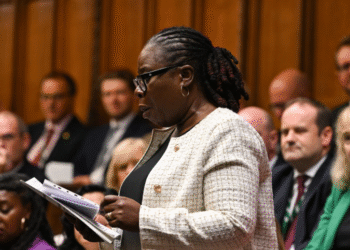
The reforms have drawn criticism from opposition MPs. Labour’s Olivia Blake said the changes would “lock hundreds of thousands of working people into decades of insecurity” and were “against British values of fairness.” Campaigners from nursing unions and charities are planning a mass lobby of MPs in Westminster this week to highlight the human impact of the policy.
The Home Office has defended the reforms, arguing they are necessary to address “unprecedented levels of migration under the previous government.” A spokesperson said: “Without action, some 350,000 low‑skilled workers and their dependants will qualify for settlement, gaining access to benefits, free healthcare, and social housing, costing taxpayers £10bn. It is a privilege not a right to settle in the UK and it must be earned, rewarding contribution and those who play by the rules.”
For the mother, however, the debate is not about numbers but survival. “I came to you because I am helpless and you helped me. Then you change your mind and punished me,” she said. “Despite all my problems, I see my daughter and I am happy. I couldn’t have dreamed she would be OK. But now I live in fear every day.”

Her story encapsulates the tension at the heart of the immigration debate: balancing economic concerns with human realities. While ministers argue that stricter rules are needed to protect public finances, families like hers say the policies risk undermining the very values of compassion and fairness that Britain prides itself on.
As the reforms loom, the mother’s plea is simple: “We can’t go back.” For her daughter, the difference between staying and leaving could be life itself.
Related News:
 Mum Blinded After Tumour Linked to Contraceptive Jab
 Inquest Finds Agency Worker Failings Led to Unlawful Death of Vulnerable 14-Year-Old
 Seven Conditions That Automatically Qualify You for a Free Bus Pass
 NHS trust fined after woman takes life in mental health unit
 Reeves Rejects £1bn NHS Payout Plea from Streeting
 Study Finds One in Seven England Takeaways Are Dark Kitchens
 EXCLUSIVE: Shamed Andrew’s New Humiliation as King Lays Down New Rule After Royal Lodge Boot
 Bailiffs Used to Pursue NHS Staff Over Pay Errors
 Stop Releasing Phone Thieves Who Reoffend, Met Police Chief Urges Courts
 Motorists Could Face ‘Mandatory’ Driving Ban for Road Offences Under Tougher Laws
 Disability and LGBT Hate Crimes Set to Become Aggravated Offences
 ‘Staggeringly Stupid’ Man Jailed After Tattooing Children
 Illegal Skin Lightening Cream Being Sold in UK Butchers, Watchdog Warns
 Last‑ditch Call to Save Police Front Counters in London
 Adoption Breakdown Ended My Career and Relationship – ‘We’re Told to Get On With It’
 Suspect in Rhode Island Ice Hockey Shooting Killed Ex‑Wife and Son
 Epstein Eyed Record Label Investment to Access Women, Files Suggest
 ‘We’ve Been Left Homeless After Our Builder Went Bust’
 Mind Launches Inquiry into AI and Mental Health After Guardian Investigation
 Mystery GP on Train Saves Passenger’s Life
 ‘A Disgrace’ — Patient Blasts Neurology Report
 Gaming Helps Woman Cope with Rare Health Condition
 The Surprising Power of Daily Rituals
 Sadistic Pair Jailed for Blowing Up Sheep
 Inside Kyiv’s resolve as conflict nears five‑year mark
 US Partially Evacuates Beirut Embassy Amid Rising Iran Tensions
 Parents of Gravely Ill Child Refused Respite Care
 Grave of Murdered Toddler James Bulger Vandalised
 Outsiders Disrupted Search for Missing Teen Noah Donohoe
 ‘I Almost Died After a Touch‑and‑Go C‑Section’
 Vegetarian Diet Linked to Lower Risk of Several Cancers
 ‘It’s Joy in a Pot’: Why Houseplants Could Make You Happier
 Water Cremation Introduced in UK First
 I Met the Man Who Murdered My Identical Twin. What He Told Me Brought Me Peace
 GPs Losing a Day of Appointments to No‑Shows Each Month
 Police Brothel Raids Target Organisers, Not Sex Workers
 Allergy Training to Become Compulsory in Schools in England
 Should We Be Eating Three Meals a Day? Experts Rethink Traditional Meal Patterns
 Scots Firefighter Cycles 800 Miles for MND Charity
 Woman, 29, ‘Chucked’ Into Care Home 100 Miles Away
 Family of Girl Groomed by Ian Huntley Beg Medics to Save His Life
 Sarah Everard’s Killer Wayne Couzens ‘Petrified’ After Ian Huntley Prison Attack
 Why Every Culture Has a Healing Broth
 Flats for the blind could be sold to developer
 ‘We may be homeless before eviction law comes in’
 Undercover officer deceived women with ‘grotesque and cruel’ lies, spycops inquiry told
 Gran Vows to Shield Huntley’s Daughter From Soham Killer’s Funeral
 Burglar’s Bizarre Excuse After Bedroom Break-In
 Pregnant Woman Faces Motherhood Without Late Mum
 Father Dies by Suicide Weeks After Wedding in Clitheroe
 SNP Health Secretary Criticised Over NHS Failures Locally
 Scotland Combines Alcohol and Drug Strategy to Cut Addiction Deaths
 Dad Delivers Baby After Midwife Flees During High‑Risk Labour in UK
 King Charles Strips MBE and OBE Titles from Nine People Including Stuart Hogg
 Mum Forces Killer Son Back to Crash Scene After He Mows Down Pensioner
 Mum-of-Three Blackmailed Men After Sending Nude Photos
 Targeted Attack in Bury Sparks Murder Investigation as Community Awaits Justice
 Merseyside Police Helicopter Crew Cleared After Low-Altitude Pursuit of Suspect
 Tanni Grey-Thompson Faces Abuse Over Opposition to Assisted Dying Bill
 Systemic Racism in Maternity Care Continues to Endanger Black Women in England, MPs Warn
 No Evidence Found to Substantiate Alleged Rape in Oxfordshire Churchyard, Police Confirm
 Sir Michael Caine Urges Starmer to End Smacking in England
 M&S and Morrisons Lead Christmas Supermarket Taste Test
 Reeves rejects £1bn plea for NHS redundancy payouts
 Five-Year-Old Dies After Rare Tonsil Surgery Complication
 Energy Drinks Linked to Rising Heart and Stroke Risks
 Children to Receive Home Vaccines as England Acts
 Woman Jailed for Life After Killing E-Bike Rider in Tragic Mistaken Identity Case
 AI breast screening cuts later cancer diagnoses by 12%, study finds
 Police Doubt Fugitive Dezi Freeman Survived Bushland
 South Africa’s Garden Route Gem Faces Looming Water Crisis
 Most Statin Side-Effects Are Not Caused by Drugs, Study Confirms
 Australia’s Opposition Coalition Reunites After Rift
 Civil Service Pay: Union Urges Ministers to End ‘Barking Mad’ Limits
 Drugs, Denial, Stigma: Fiji’s HIV Crisis Hits Children
 Half of Britons Avoid GP When Ill, Survey Reveals Growing Concern
 Rape Accused Had Fight With Man in Alley, Court Told
 Driver Jailed Over Fatal Water Treatment Tank Crash
 Calls Grow to Remove Billboard Following Lyra McKee Graffiti
 ‘Every Day Feels Like a Month’: Iranians Describe Life Under ‘Constant’ US‑Israeli Strikes