Published: 12 March 2026. The English Chronicle Desk. The English Chronicle Online
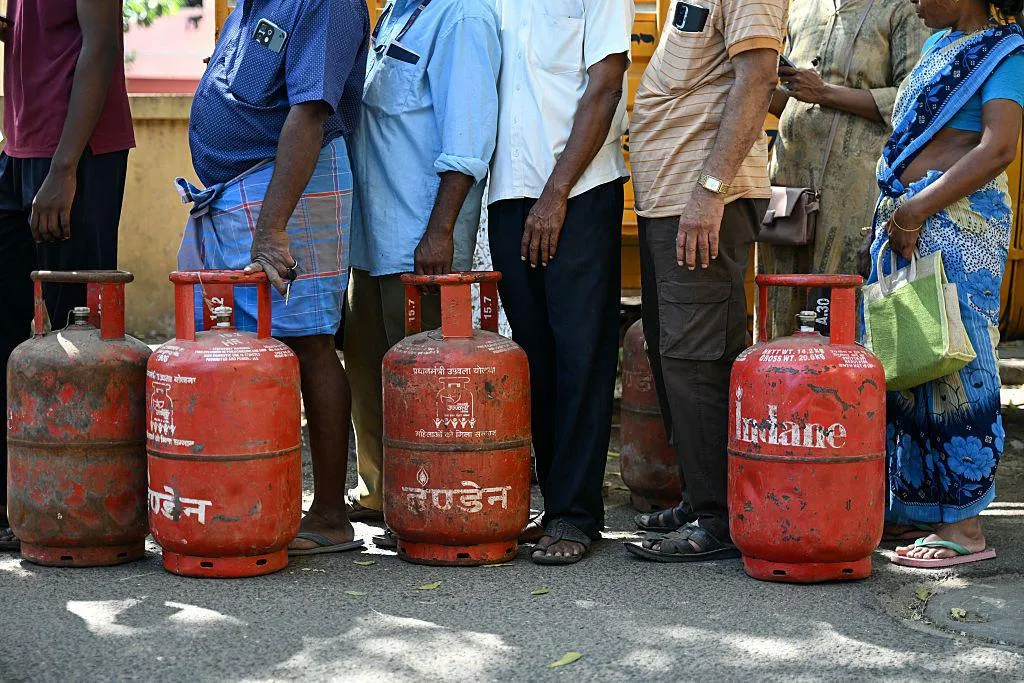
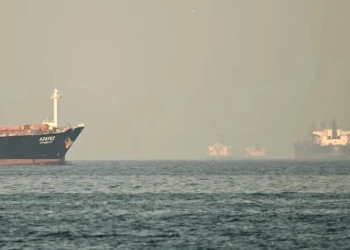
India is facing a growing domestic energy challenge as the war involving Iran seriously disrupts global fuel supply chains, squeezing liquefied petroleum gas (LPG) deliveries and raising the spectre of shortages in everyday kitchens and commercial kitchens alike. The conflict that has engulfed areas of the Middle East has led to disruptions through the Strait of Hormuz — a pivotal global energy transit route — halting or delaying shipments from key suppliers on which India depends for a majority of its LPG imports.

The impact is already visible on the ground. Restaurants in major Indian cities such as Bengaluru, Mumbai, Chennai and Kolkata have warned of diminished commercial LPG supplies, prompting menu reductions, curtailed operating hours and, in some cases, temporary closures. Some smaller establishments have reported deliveries being halted entirely as distributors struggle to meet demand.
The government has responded with emergency measures aimed at ensuring household cooking‑gas supplies remain uninterrupted, including prioritising LPG distribution to domestic users and invoking authorities to boost local production at refineries. LPG prices have also been raised for the first time in about a year as a direct response to tightening supplies and higher import costs.
Despite these steps, industry groups are sounding the alarm. The National Restaurant Association of India and hotel associations have warned that a direct shortfall in commercial LPG could lead to widespread business disruptions within days unless supply channels stabilise. Many kitchens lack alternative cooking fuel infrastructure, making them particularly vulnerable to strained LPG deliveries.
The situation has introduced broader behaviour changes among consumers as well. Panic booking and hoarding fear has driven increased demand for induction cooktops and other electric cooking appliances, while long queues at LPG agencies have been reported in some regions.

With fuel shipments through the Strait of Hormuz stalled and geopolitical tensions showing little sign of easing, the strain on LPG supply chains is likely to persist. The critical need to balance domestic energy security, affordability, and industry resilience has placed both policymakers and consumers in an unusually precarious position, underscoring how global conflicts can reverberate through essential everyday resources.
Related News:
 Gulf Oil Shock Sends Global Economic Ripples
 Japan Braces as Takaichi Begins New Term with Huge Mandate for Low‑Tax, Ultra‑Conservative Agenda
 US and Indonesia Finalise Deal to Cut Tariffs to 19%
 Why Asian Firms Are Not Cheering Trump Tariff Ruling
 Why Asian Firms Are Not Cheering Trump Tariff Ruling
 The Little Town Making Nearly All of China’s Lanterns
 Fuel and Remittances: How Iran Conflict Hits India At Home
 G7 to Hold Emergency Oil Talks as Markets Plunge
 Iran Rejects Ceasefire, Warns Trump With Chilling Message
 Modi’s London Visit Seals Historic UK-India Trade Pact Amid Global Tensions
 China’s crackdown on civil servant perks sparks economic concerns
 Shein UK Faces Allegations of Shifting Majority of Profits to Singapore to Reduce UK Tax
 British AI Startup Outshines Human Forecasters in Global Prediction Contest
 Indian Court Deals Legal Setback to Elon Musk’s X in Free Speech Battle
 China warns UK over delayed London mega embassy decision
 Rachel Reeves to lead UK trade push in Saudi Arabia amid rights debate
 UPS Cargo Plane Crash in Kentucky Kills Seven
 Canada Passes Carney’s First Budget in Tight Parliamentary Vote
 India’s Labour Law Overhaul Sparks Fierce Debate
 Carney’s Alberta Pipeline Deal Sparks Immediate Pushback
 Austrian Airlines Halts Tehran Flights Amid Political Unrest
 ‘Black Tax’: Burden, Pride and Survival for African Workers
 UK New Car Discounts Near £6,000 as Prices Are Slashed
 After the Landslide: Can India Reset Ties with BNP Bangladesh?
 Coles Discounts Under Fire in Federal Court
 China Strikes at Japan’s Core — Will PM Takaichi Back Down?
 Japan’s Lost “Tigers” Were Actually Lions, Study Reveals
 Tourism Is Booming in 2026 — Just Not Where You Think
 Netflix and Paramount Are Battling for Warner Bros. — Who Is Likely to Win?
 India Sentences Three Men to Death for Attack on Israeli Tourist and Hosts
 South Korea’s Ex-President Faces Death Penalty in Insurrection Trial
 The Chinese AI App Sending Hollywood Into a Panic
 Live Nation Sees Strong Ticket Sales as Monopoly Lawsuit Looms
 ‘We’re Still on Edge’: Toy Firms Look to US Supreme Court as Tariffs Hit Profits
 Etsy Sells Second‑Hand Fashion App Depop to eBay for $1.2bn
 Kim Jong Un Reappointed as Ruling Party Chief
 US Will Not Back Out of Tariff Deals with UK and Others, Says Trump Trade Representative
 Trump Tower Gold Coast to Redefine Skyline
 Major 7.1 Earthquake Strikes Off Malaysian Tourist Coast
 Brit Killed in Horror Bus Crash as 18 Others Die and 25 Injured
 What Now for Asia After Trump’s Tariffs Were Struck Down?
 Ukraine war briefing: Russia exporting more oil now than before war despite sanctions – report
 Trump’s tariff strategy collapse sows global chaos and confusion
 Japan to Deploy Missiles on Island Near Taiwan by 2031
 German Chancellor Lands in Beijing for Inaugural China Trip
 Shein’s Elusive Boss Hails Chinese Roots in Rare Public Appearance
 Bill Gates ‘Took Responsibility’ Over Epstein Ties in Staff Meeting, Foundation Says
 Nine Killed in Karachi Consulate Protest
 Oil Prices Rise After Ships Attacked Near Strait of Hormuz
 Could Kim’s Teen Daughter Become North Korea’s Next Leader?
 Flights Cancelled and New Travel Warnings Issued After Iran Strikes
 Rap Star May Beat Ex‑PM — What This Says About Nepal’s Gen Z
 Oil Prices Surge as Iran War Jolts Markets
 Tehran Makes New Threat to Gulf Shipping as US Says ‘Hardest Hits’ on Iran ‘Yet to Come’
 Limited Flights Leave UAE But Disruption Continues Amid Iran Strikes
 China Removes Three Retired Generals From National Advisory Body
 Bars Close and Hundreds Lose Jobs as US Firm Buys BrewDog in £33m Deal
 China Sets Lowest Economic Growth Target Since 1991
 Millions of Cubans Plunged Into Darkness Amid Fuel Crisis
 Nepal Holds First General Election Since Gen Z Protests Toppled Government
 Stock Markets and Oil Prices Still Volatile Over Fears Iran War May Drag On
 Nepal Election 2026: When Will We Get the Results?
 Iran War Raises Questions Over China’s Global Plan
 Sri Lanka Takes Control of Second Iranian Vessel a Day After US Sub Attack
 Tiny Possum and Glider Thought Extinct for 6,000 Years Found in Remote West Papua
 Oil Prices Surge Above $100 Amid Iran War
 G7 Weighs Emergency Oil Reserves as Prices Surge
 Australia Urged to Shield Iranian Team After Anthem Protest
 China Moves to Enshrine ‘Ethnic Unity’ Law
 Cost of Living Crisis Returns to Centre Stage
 Trump Threatens Iran With ‘Twenty Times Harder’ Oil Strike
 Nepal Election 2026: Balendra Shah’s Party Nears Historic Supermajority
 US Says 16 Iranian Mine Ships Destroyed in Hormuz
 Russia Seeks Gains as Iran War Reshapes Global Politics
 Iran War Costs to Be Passed to Consumers, Shipping Boss Warns
 Bodies of Two Chinese Backpackers Found in Floodwaters
 Labour Plans Nuclear Investment Summit Days After Holyrood Election
 China’s Biggest Political Meeting Ends — Key Takeaways
 Point-Blank Gunshot Misses Indian Politician
 UK Fuel Tax Hike Plan to Be Kept Under Review Over Iran Conflict