Published: 04 May 2026. The English Chronicle Desk. The English Chronicle Online.
The British public faces a staggering reality as new data reveals the true scale of the national food crisis. Research suggests that by November, food prices will have soared by fifty percent since the year 2021 began. This dramatic increase marks a significant milestone in the ongoing cost of living struggle for many households. The pace of price growth has nearly quadrupled due to massive climate and energy-related shocks recently. In just five short years, costs have climbed as much as they did in two decades. This rapid acceleration has left families across the United Kingdom struggling to maintain their basic nutritional standards. The Energy and Climate Intelligence Unit provided these sobering figures in their latest comprehensive economic report.
Anna Taylor, executive director of the Food Foundation, expressed deep concern regarding these latest financial projections. She noted that such fast price rises leave low-income families with almost no financial flexibility left. When budgets break, the only remaining option is to reduce the actual amount of food consumed. This leads to skipped meals, hungry children, and a sharp rise in serious diet-related physical illnesses. Such health issues eventually remove parents from the workforce and increase pressure on the National Health Service. The NHS is already struggling and can least afford this influx of entirely preventable medical conditions. Consequently, the social safety net is being stretched to a point that many experts find alarming.

The ongoing cost of living crisis remains a central focus for voters across the political spectrum. Many citizens continue to blame political elites and big business for the persistent lack of affordability. This sentiment is expected to remain a defining feature of the political landscape throughout the year 2026. Experts believe the current conflict in the Middle East will continue to drive up national inflation rates. This follows the previous economic shocks caused by the global pandemic and the invasion of Ukraine. The Bank of England expects food inflation to reach seven percent by the end of this year. Higher costs for fertiliser, energy, and transport are the primary drivers of this predicted upward trend.
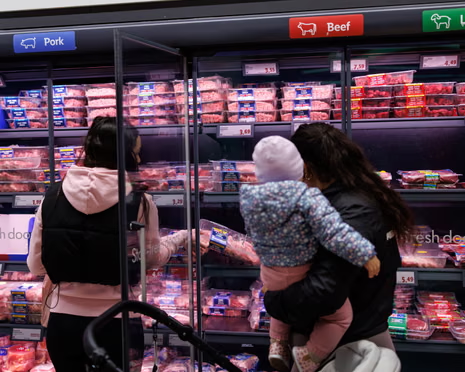
Essential household staples have seen some of the most dramatic price increases over the past five years. Pasta, frozen vegetables, chocolate, and eggs are all at least fifty percent more expensive for consumers. The price of beef has risen by sixty-four percent, while olive oil costs have more than doubled. These specific rises reflect a high sensitivity to volatile oil and gas prices on global markets. Synthetic fertiliser costs and climate impacts like droughts and floods have also played a major role. Both domestic farming and international import regions have suffered from extreme and unpredictable weather patterns lately. These combined forces added an average of six hundred pounds to household food bills recently.
Five specific climate-affected foods have been identified as the primary drivers of this continued inflationary pressure. Butter, milk, beef, chocolate, and coffee are currently responsible for the most significant price hikes seen. The Energy and Climate Intelligence Unit warns that inflation could become even more extreme very soon. Food and farming analyst Chris Jaccarini pointed to geopolitical instability as a major factor in this. He noted that conflict in the Middle East is set to drive shopping bills even higher. This happens as oil and gas prices spike, directly impacting the entire food production supply chain. The intersection of global politics and domestic necessity creates a perfect storm for the British consumer.
Environmental factors are also converging to create a bleak outlook for food production in the near future. Scientists are now predicting that 2027 will likely be the hottest year on record for the planet. This extreme heat results from climate change combining with the powerful El Niño effect starting this year. The impact on British agriculture is already visible and deeply concerning for many veteran local farmers. Three of the worst harvests in English history have occurred within the last five years alone. This lack of domestic yield forces a greater reliance on expensive imports from increasingly unstable regions. The cycle of low supply and high demand continues to push prices beyond affordable limits.
When adjusting for average wages, the data shows food prices have risen by eleven percent overall. This figure accounts for the period since the start of the cost of living crisis began. This rise compounds other household costs that are notoriously difficult for families to mitigate effectively. Energy and water bills have also seen significant increases, leaving little room for any personal savings. The cumulative effect of these rising costs is a significant reduction in the national standard of living. Many households are now forced to make impossible choices between heating their homes and buying groceries. The economic pressure is felt most acutely by those who were already financially vulnerable before.
The social implications of these rising food prices extend far beyond the checkout lines at supermarkets. Community food banks are reporting record levels of demand as more working families seek urgent assistance. The stigma once associated with seeking help is fading as the crisis touches more middle-income homes. Educators report that more children are arriving at school without having eaten a proper breakfast recently. This lack of nutrition directly affects their ability to concentrate and learn in the classroom environment. The long-term impact on the education and development of the younger generation is a major concern. Government intervention is being called for by various advocacy groups and concerned members of parliament.
Market analysts suggest that the era of cheap food in the United Kingdom may be over. Global supply chains are proving to be far more fragile than previously assumed by many economists. The reliance on just-in-time delivery systems makes the market highly vulnerable to any sudden geopolitical shocks. Retailers are also facing pressure to keep prices low while managing their own rising operational costs. Some supermarkets have introduced more budget ranges, but even these items are seeing significant price increases. The transparency of pricing strategies is being questioned by consumer watchdog groups across the entire country. Trust in the traditional food retail model is beginning to erode among many regular shoppers.

There is a growing movement advocating for a more resilient and localised food system for Britain. Proponents argue that reducing reliance on international imports could help stabilise prices during global crises. This would require significant investment in domestic farming and more sustainable agricultural practices across the nation. However, such a transition takes time and considerable financial backing from both public and private sectors. In the meantime, the public must navigate a marketplace that feels increasingly hostile to their wallets. The psychological toll of constant financial stress is becoming a public health issue in its own right. Many people feel a sense of hopelessness regarding their future financial stability and security.
As the winter months approach, the focus on food security will likely intensify in national discourse. The predicted fifty percent rise by November serves as a grim milestone for the British public. Political leaders will be under intense scrutiny to provide viable solutions to this burgeoning national crisis. The balance between international commitments and domestic needs is becoming increasingly difficult for the government to maintain. Every trip to the grocery store serves as a reminder of the shifting economic reality today. For now, the British public remains resilient, though the foundations of that resilience are being tested. The path toward a more affordable future remains unclear as global pressures continue to mount.
Related News:
 Reeves Faces Setback as Labour May Miss Homes Target
 Virgin Trains Moves Closer to Challenging Eurostar Monopoly
 Trump’s UK Ambassador Urges North Sea Drilling to Strengthen US Ties
 Ryanair Chief UK Economy ‘Doomed’ Under Labour
 M&S Profits More Than Halve After Cyber-Attack
 Earl of Yarmouth Faces £1.3m Legal Bill Over Family Estate
 Millionaires group urge Reeves to introduce wealth tax to ‘lift kids out of poverty’
 From Lego to Pokémon: How Adults Are Driving UK Toy Market Growth
 New laws to bolster UK’s defences against cyber attacks on NHS, transport and energy
 Canada Passes Carney’s First Budget in Tight Parliamentary Vote
 Starmer Says Labour’s Economic Plan Needs Years to Deliver
 Virgin Media Fined £23.8m Over Telecare Safety Failures
 Starmer Faces Parliamentary Battles Over UK-EU ‘Reset’ Plan
 Reeves Pub Business Rates U-Turn Calms Labour Revolt
 ScottishPower Tops List of Worst UK Energy Suppliers
 Markets Slide As Gold Rally Signals Risk From Trump Greenland Tariff Plan
 UK Eyes Global Investment with Visa Fee Refunds
 City & Guilds pay surge sparks backlash amid £22m cuts
 UK Inflation Hits 3.4% in December, Ending Five-Month Decline
 Trump Fed bid heads to Supreme Court
 ‘Black Tax’: Burden, Pride and Survival for African Workers
 AI job losses UK: Britain faces sharper employment shock
 India-EU Free Trade Deal Marks Historic Economic Shift
 EU Signals Open Mind on UK Customs Union Talks
 Telstra AI jobs cuts as automation drive expands
 BT Names New Openreach Chief Amid Major Fibre Expansion
 UK Banks Plot Payment Backup Amid Trump Fears
 UK Unemployment Rate Climbs to 5.2% Peak
 UK shelves £110m border project amid trade strain
 Aston Martin Cuts 20% Jobs Amid £363m Loss
 Switching Energy Deal Can Save £200 as Price Cap Falls
 Rachel Reeves Faces Middle East Conflict Test
 Grocery Inflation Rises Amid War Fears
 BrewDog sold Highland estate for knockdown price after abandoning reforestation plans
 UK Energy Reform Could Cut Bills by £200
 Rising Costs Force Families to Rethink Days Out
 Oil Slides, Stocks Jump on Trump Peace Signals
 UK inflation held at 3% before global energy price hit
 Ticketmaster Fees Rise Despite Recent US Junk Fee Crackdown
 M&S Demands Urgent Action on Rising Violent Retail Crime
 New Era for Sick Pay as Millions Gain Critical Rights
 Oil Prices Surge as Trump Issues New Deadline to Iran
 US and Iran Agree to Two-Week Provisional Ceasefire
 Stefano Gabbana Resigns as Chair of Italian Luxury Giant
 Rolls-Royce SMR Secures £600m Boost for Nuclear Future
 Aegon Sells Historic UK Arm to Standard Life for £2bn
 Central Bank Chiefs Hold Crisis Simulation in Washington
 UK Staycations Rise as Travel Fears Grow
 Former Brexit Chief Calls for Rejoining the EU
 Albanese Rejects Gas Export Tax Push
 Oil Prices Surge Above $120 Amid Iran Blockade Fears
 Silent Tracks: Rail Line Without Passengers
 Trump approval plunges amid Iran war fears
 Tough Fiscal Realities Await Next Scottish Government
 US Awaits Iran Reply on New Ceasefire Proposal
 Aramco Surges as East-West Pipeline Counters Gulf Tensions
 Big Tobacco Under Fire Over Controversial New Ad Campaign
 High Street Crisis: Fears Grow Over Post Office Closures
 UK Firms Freeze Spending as Iran Conflict Bites
 Summer Shock: British Energy Bills Set for Grim July Hike
 Reeves to Fast-Track Clean Energy Amid Iran Crisis
 Oil Markets Face ‘Red Zone’ Threat Amid Iran Crisis
 Belfast Approves Pilot Extension of Sunday Trading Hours
 Albanese Defends Tax Reforms Amid Emotional Speech
 Tube Strike Brings Capital to a Standstill Over Shift Disputes
 BP Stands Firm on Amanda Blanc Amid Boardroom Storm
 UK House Prices Drop For Third Month Due To War Fears
 Top Chefs Back Andy Burnham to Save UK Hospitality Sector
 GSK Secures Landmark $10.6bn Deal for Nuvalent
 UK Economy Suffers a Sharp Downturn as Iran Conflict Bites
 AI Scams Push UK Investment Fraud Past £220m
 Rethinking the Blueprint for Youth Employment in Britain
 Sainsbury’s Boss Optimistic As Grocery Inflation Eases
 UK Households Suffer Squeeze As Disposable Incomes Drop
 Creditors Eye Thames Water Even Under Nationalisation
 Record £28m Fine for Virgin Media Over Cancellation Woes
 Jet2 Sees Summer Surge Despite Global Tensions
 Ukraine Creates Long-Range Strike Command
 BBC Faces Real Jeopardy as Licence Fee Income Declines
 Thames Water Future Remains Uncertain Amid Funding Crunch