Published: 12 March 2026. The English Chronicle Desk. The English Chronicle Online
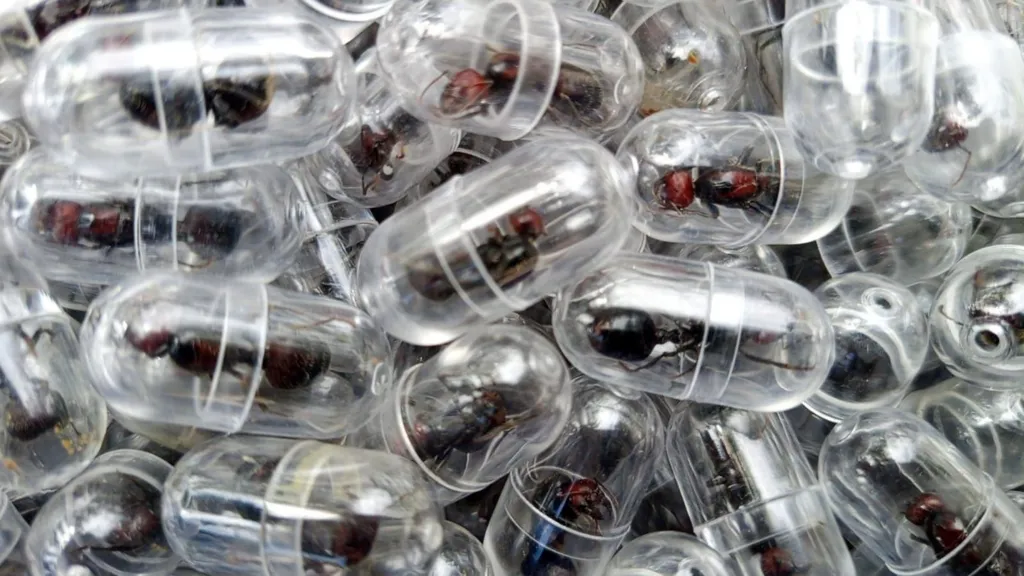
A Chinese national has been arrested at Jomo Kenyatta International Airport (JKIA) in Nairobi after attempting to smuggle nearly 2,000 live queen garden ants out of Kenya, Kenyan authorities said on Wednesday. The suspect, identified as Zhang Kequn, was intercepted early on Tuesday during airport security inspections, triggering a probe into what officials describe as a sophisticated wildlife trafficking operation.

Officials from the Kenya Wildlife Service (KWS) told court that investigators uncovered 1,948 ants packed in specialised test tubes, designed to sustain live insects long enough for transit, along with an additional 300 queen ants concealed inside tissue paper rolls within his luggage. The insects were bound for shipment to China before law enforcement intervened.
Prosecutors alleged that the method of concealment — using test tubes and hidden compartments — signalled a calculated attempt to bypass security detection and preserve the ants’ viability during long‑distance air transport. The court was informed that detectives will conduct a forensic examination of Zhang’s electronic devices, including his mobile phones and laptop, to trace potential links to wider trafficking networks.
Magistrate Njeri Thuku granted investigators five days to complete further inquiries into the suspect’s activities and connections. The investigation has been expanded to include possible harvesting sites in Kenyan regions such as Nakuru and Naivasha, where illegal collection of the insects is suspected.
The incident comes amid growing concern over the illegal wildlife trade in Kenya, where previous cases saw foreign nationals apprehended with thousands of valuable queen ants — a species prized in exotic pet and collector markets abroad. Authorities have warned that trafficking of such insects not only undermines biodiversity protection efforts but also signals a shift in wildlife crime patterns from iconic large mammals toward lesser‑known species.

Zhang’s arrest underscores the complexity of biopiracy — the illicit collection and export of biological resources without proper permissions — and reinforces Kenya’s commitment to enforcing wildlife protection laws, even for seemingly small or obscure species. The case is scheduled to return to court once further investigations are concluded.
Related News:
 Tragedy Hits Manhattan as Police Officer Among Four Dead in Midtown Office Shooting
 Northern Ireland Family of Three Shot Dead in Maguiresbridge Home Incident
 A Fugitive’s Double Life Uncovered: My Interview with Nicholas Rossi, Scotland’s Notorious Escapee Facing Utah Rape Trial
 Failed New Mexico Candidate Sentenced to 80 Years for Drive-By Shootings at Lawmakers’ Homes
 Father’s Tip Leads to Arrest in Charlie Kirk Murder Case
 Charlie Kirk Killing Used to Mobilise UK’s Largest Far-Right Rally in Decades
 Jailed Georgian Opposition Leaders Warn UK of Iranian Links to Ruling Party
 UK Gamer Recruited by Wagner Group Found Guilty of Arson
 Pregnant UK Teen to Be Freed from Georgian Jail
 Just Stop Oil Protesters Convicted Amid Climate Defence Row
 British Grandmother to Return Home After Death Sentence in Bali
 Oklahoma Governor Grants Last-Minute Clemency to Death Row Inmate
 Teens ‘Ran Amok’ at Ex-MP’s Covid Testing Firm
 Migrant father guilty of honour killing in Holland
 The ‘Untouchable Hacker God’ and Finland’s Darkest Digital Crime
 Emails Show Epstein Funded Mandelson’s Husband After Jail
 Suspect Named in Canada School Mass Shooting
 ‘Staggeringly Stupid’ Man Jailed After Tattooing Children
 Suspect in Rhode Island Ice Hockey Shooting Killed Ex‑Wife and Son
 Nine Arrested in France Over Death of Far‑Right Student
 Desperate Hunt for Breakthrough in Nancy Guthrie Case Turns to Mexico
 How Much Could Andrew’s Arrest Hurt the Royal Family?
 Epstein Eyed Record Label Investment to Access Women, Files Suggest
 Epstein Files Could Be Just Tip of the Iceberg for Andrew Investigation
Man Guilty of XL Bully Offence After Fatal Attack
Epstein Files Could Be Just Tip of the Iceberg for Andrew Investigation
Man Guilty of XL Bully Offence After Fatal Attack
 ‘El Mencho’ Killed in Military Operation, Triggering Violence
 Conman Stole My Money and Bought His Wife a 10‑Carat Diamond Ring
 Mexican drug cartel boss ‘El Mencho’ tracked through romantic partner
 ‘I reported rape in Hong Kong, now I could face prison’
 Nick Reiner pleads not guilty to killing parents Rob and Michele
 Sydney kidnapping mystery deepens as grandfather’s remains found after mistaken abduction
 Owner Sentenced After Emaciated Dog Put Down
 Two Arrested After Woman Set on Fire in Revenge Attack
 Family Offers $1M Reward to Bring Home Missing Mother
 Australians Arrested Over Alleged Murder of Grandfather Mistakenly Kidnapped
 US ‘Suitcase Murderer’ Deported From Bali After 11 Years in Jail
 Alleged Bondi gunman seeks order to suppress family’s identity
 Istanbul’s ex-mayor to stand trial on corruption charges
 Two Charged After Bomb Attack Outside NYC Mayor’s Home
 Epstein Used Modelling Agent to Recruit Girls, BBC Told
 Trump Administration Dismisses 17 Immigration Judges, Sparking Debate Over Judicial Independence
 Seventeen Dead as Russia Targets Ukrainian Prison in Devastating Airstrike
 Targeted Attack in Bury Sparks Murder Investigation as Community Awaits Justice
 Man Remanded After Children Fall Ill at Leicestershire Summer Camp in Shocking Child Cruelty Case
 Merseyside Police Helicopter Crew Cleared After Low-Altitude Pursuit of Suspect
 Channel Crossings Surge: Over 1,000 People Arrive in the UK in Small Boats in a Single Day
 No Evidence Found to Substantiate Alleged Rape in Oxfordshire Churchyard, Police Confirm
 WW2 Pilot’s Long-Lost Crash Site Unearthed in Essex
 French Taxi Driver Cleared in David Lammy Theft Case After Fare Dispute
 Trump Urges Herzog to Grant Netanyahu Full Pardon
 Indian authorities demolish Kashmir home linked to Red Fort blast
 Greene Pushes Epstein Files Amid Trump Fallout
 Trump Deploys DHS to Charlotte in Major Arrest Operation
 Deadly Russian Strikes Hit Western Ukraine, 20 Killed in Ternopil
 Serial Rapist and Former Cop Found Guilty Again
 Man Denies Stealing Bronze Age Gold from Museum
 Runaway Driver Caught by DNA Evidence
 Two National Guard Soldiers Critically Injured Near White House
 Tokyo court rules Japan’s same-sex marriage ban constitutional
 American Mother Extradited From UK to U.S. on Murder Charges
 Woman Jailed for Life After Killing E-Bike Rider in Tragic Mistaken Identity Case
 Police Doubt Fugitive Dezi Freeman Survived Bushland
 SA Police Intensify Search in Gus Lamont Case
 How Dark Web Agent Spotted Bedroom Wall Clue to Rescue Girl from Years of Harm
 Dual Nationals Face Scramble for UK Passports as New Rules Come Into Force
 Eight Skiers Found Dead After California Avalanche
 Fly-Tippers to Be Hunted by ‘Drone Squad’ in Crackdown from the Sky
 Live Nation Sees Strong Ticket Sales as Monopoly Lawsuit Looms
 Louvre Museum Director Resigns Months After High‑Profile Heist
 Rape Accused Had Fight With Man in Alley, Court Told
 American Citizen Killed in Cuba Boat Shooting, U.S. Officials Say
 Suspects in Lisa Dorrian Case Released on Bail
 Kidnapping of Foreigners Soars in Africa’s Lawless Sahel Region
 Driver Jailed Over Fatal Water Treatment Tank Crash
 Labour MP’s Partner Arrested on Suspicion of Spying for China
 Police Scotland Pays £8m Compensation to Staff
 Armed police incident closes major road
 Real Estate Brothers Convicted in Sex Trafficking Trial
 Scots Man Convicted in Dirty Money Case After DNA Found on Cash
 Queensland Protest Laws Spark Free Speech Backlash