Published: 25 March 2026. The English Chronicle Desk. The English Chronicle Online.
The global financial landscape witnessed a significant shift on Wednesday as stock markets climbed while oil prices experienced a notable decline following reports of a diplomatic breakthrough. Investors around the world reacted with cautious optimism after news emerged that Donald Trump has sent a 15-point framework for peace to Iran via intermediaries in Pakistan. This unexpected diplomatic move has ignited hopes of a ceasefire in the Middle East after four weeks of intense conflict that have rattled international energy supplies and disrupted major shipping lanes.
Market sentiment across the globe was further buoyed by a significant announcement from the Iranian foreign ministry regarding maritime security. Tehran has reportedly informed the International Maritime Organization that it is now permitting non-hostile ships to pass safely through the strategic Strait of Hormuz. This vital waterway serves as the primary artery for global energy transit and its potential reopening is seen as a crucial step toward stabilizing the world economy. The prospect of renewed access for tankers has already begun to ease the immediate pressure on global oil supply chains.
The impact on energy markets was swift and dramatic during the early hours of Wednesday trading. Brent crude prices fell by 4% as the possibility of a successful peace plan influenced traders to scale back their risk premiums. For the first time in several days, the price of a barrel sank below the $100 mark, trading at approximately $98 in the early session. This retreat in prices reflects a growing belief among analysts that the worst of the supply squeeze might be avoided if the 15-point proposal gains traction.

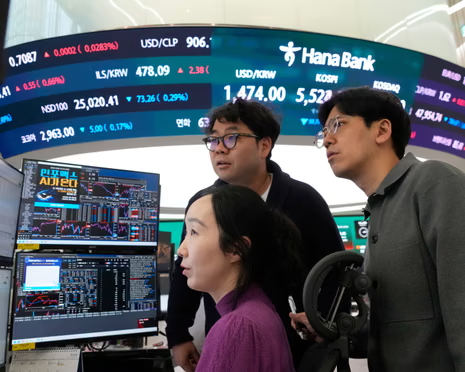
Asian financial hubs led the charge in morning trading with impressive gains across all major indices. Japan’s Nikkei index rose by 2.9% as exporters found relief in the stabilizing geopolitical situation. In India, the S&P BSE Sensex climbed nearly 2% while the Hang Seng in Hong Kong moved up by just under 1%. These rallies suggest that regional investors are increasingly betting on a de-escalation of hostilities which would protect the delicate trade balance in the East.
The positive momentum quickly spread to European markets as they opened for the day. London’s FTSE 100 saw an increase of almost 1% while Germany’s Dax index traded significantly higher at 1.6% up. In France, the Cac 40 followed a similar trajectory with a gain of 1.4%. Despite this initial surge, the markets remained somewhat volatile as traders parsed the details of the peace plan and monitored the official responses coming out of Tehran.
Later in the day, oil prices began to climb back toward the $100 level as mixed signals emerged regarding the status of the negotiations. While Washington expressed optimism, officials in Tehran initially denied that any formal talks had taken place since the start of the current bombing campaign. This lack of clear confirmation from the Iranian leadership served as a reminder of the fragility of the peace plan and the deep mistrust that still exists between the two nations.
The effective closure of the Strait of Hormuz has been the primary driver of economic anxiety over the past month. Located at the southern border of Iran, this channel typically handles 20% of the world’s global shipments of oil and gas. The International Energy Agency recently characterized the recent shutdown as the largest ever disruption to oil supply in history. Consequently, any news regarding the safe passage of vessels is being scrutinized with immense detail by governments and energy corporations alike.
International cooperation has intensified in response to the maritime crisis with more than 30 countries signing a joint statement. Nations including the United Arab Emirates, the United Kingdom, France, and Germany have pledged to work on appropriate efforts to safeguard the waterway. The Iranian foreign ministry clarified to the UN Security Council that only non-hostile vessels would be permitted passage. These are defined as ships that do not support acts of aggression against Iran, a definition that still leaves significant room for interpretation.
Beyond the energy sector, the conflict has posed a severe threat to global food security. A third of the world’s fertilizers pass through the Strait of Hormuz and any prolonged disruption could have catastrophic effects on agriculture. Jean-Marie Paugam, the deputy director general of the World Trade Organization, warned that the shortage of fertilizer is a primary concern. He noted that the impact on prices and quantities often compounds in the following year as harvests shrink and food costs rise.
The volatility in global markets has also fundamentally altered the behavior of traditional safe haven assets like gold. In January, the precious metal reached a historic milestone by moving above $5,000 an ounce for the first time. However, this historic run appears to have come to an end following the outbreak of the current conflict. After an initial period of stability, the price of gold has fallen by approximately 13% to about $4,460 per ounce.
This unusual decline in gold prices during a time of war has called into question the metal’s traditional role as a financial safety net. Analysts suggest that the combination of high interest rates and a surging US dollar may be outweighing the typical flight to safety. As investors seek liquidity, they are moving away from non-yielding assets even as geopolitical tensions remain high. This shift in market dynamics highlights the unique economic environment of 2026.
Serious warnings about the long-term consequences of the conflict have come from the highest levels of the financial world. Larry Fink, the chief executive of BlackRock, shared his concerns about the potential for a global recession if hostilities continue. As the head of the world’s largest asset manager, Fink oversees assets worth $14tn and his insights carry significant weight in global markets. He told the BBC that a prolonged conflict could easily drive oil prices up to $150 a barrel.
According to Fink, the implications of sustained high energy prices would be profound for every major economy. He argued that if Iran remains a threat to international trade, the resulting inflationary pressure could trigger a steep downturn. Such a scenario would likely force central banks to keep interest rates elevated for much longer than previously anticipated. This would further strain businesses and households that are already struggling with the rising cost of living across Europe and North America.

The success of the 15-point peace plan is therefore seen as the most critical factor for market stability in the coming weeks. While the initial reaction to the proposal has been positive, the path to a formal ceasefire remains fraught with challenges. Diplomats are working behind the scenes to find common ground on issues ranging from nuclear enrichment to regional proxy activities. The global community is watching closely to see if this framework can provide the necessary off-ramp for both Washington and Tehran.
For the UK, the stakes are particularly high given the country’s reliance on international energy markets and shipping lanes. The government has remained in close contact with allies to ensure that the British economy is protected from the worst effects of the supply disruption. If the current peace plan leads to a permanent reopening of the Strait of Hormuz, it would provide a much-needed boost to the domestic economy and help to stabilize fuel prices for consumers.
As the week progresses, investors will continue to monitor every development related to the peace plan and the movement of ships in the Persian Gulf. The transition from a state of war to a diplomatic dialogue is rarely smooth and further market swings are expected. However, for now, the rise in stocks and the dip in oil prices offer a glimmer of hope that a resolution may finally be within reach. The world remains hopeful that this 15-point proposal marks the beginning of the end for this destabilizing regional conflict.
Related News:
 Canada-China trade gains momentum in new strategic partnership
 India-EU Free Trade Deal Marks Historic Economic Shift
 Keir Starmer meets Xi to strengthen UK-China economic relations
 UK Experts Raise Alarm Over Machinery Export to Armenian Firm
 Caffè Nero Warns Coffee Prices May Rise Again
 Abramovich Chelsea Sale Cash Faces Jersey Probe
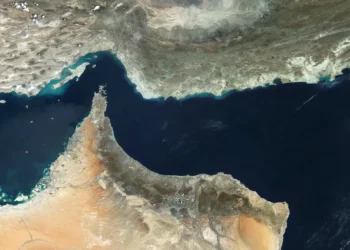 US Military Weighs Perilous Moves to Reopen Hormuz
 IMF Predicts Global Economic Crisis Due to Gulf Unrest
 Manila Transport Crisis: Fuel Costs Hit Breaking Point
 Trump Slams Europe as Transatlantic Tensions Boil Over
 Trump Issues Stark Warning After Strike On Iran’s Largest Bridge
 Middle East Conflict Sparks Global Food Price Surge
 Albanese Flies to Singapore to Bolster Fuel Security
 US and Iran Agree to Two-Week Provisional Ceasefire
 Norwegian Group Eyes South Yorkshire Steel Revival
 Ian Katz to Step Down as Channel 4 Content Chief
 Middle East Conflict Risks UK Food Supply Chains This Summer
 Cost of Conflict: UN Warns of Lost Lives in Iran War
 BP Profits Surge Amidst Middle East Conflict Crisis
 Ukraine Urges UK to Seize Russian Oil Tankers
 US Calls Australia Media Law “Foreign Extortion”
 Oil Prices Surge Above $120 Amid Iran Blockade Fears
 Europe’s AI Sector Faces Sovereignty Crisis Over US Deals
 Trump Offers EU Independence Day Deadline For Trade Deal
 US Cities See 42% Drop in Canadian Visits Under Trump 2.0
 High Stakes in Beijing as Trump and Xi Meet Amid Global Turmoil
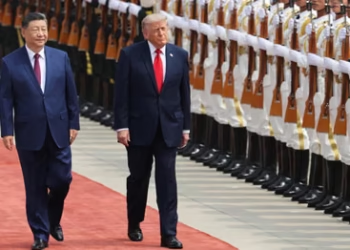 Trump and Xi Convene in Beijing for Historic High-Stakes Summit
 Big Tobacco Under Fire Over Controversial New Ad Campaign
 Rubles and Resilience: How Russia-China Border Towns Thrive
 UK Urged to Build EU Rejoin Consensus, Says Miliband
 Cash Registers Stall Japan’s Promised Food Tax Relief
 Trump Floats Fresh Tariffs on 60 Nations Over Forced Labour
 The Exploding Australian Black Market For Nicotine
 Japan Suffers Plastic Shortage Due to Middle East Crisis
 Steel Tensions Rise Between United Kingdom and European Union
 New York Consumer Watchdog Tackles Corporate Lawbreaking
 Levi’s Sues Globe Over Infringing Pocket Tabs
 BYD Aims for Global Car Supremacy Within Five Years
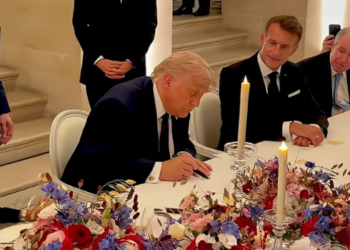 Trump Signs Historic Iran Peace Plan to Avert Depression
 Gas Prices Fall Below $4 Following US-Iran Peace Deal
 Remote Mine Sites Face Deep Culture Crisis
 EU Slashes Steel Quotas But Grants UK Favourable Rates
 Inflation Eases to 3.5% Amid Fragile US-Iran Tensions
 Reeves Faces Setback as Labour May Miss Homes Target
 Trump’s UK Ambassador Urges North Sea Drilling to Strengthen US Ties
 Millionaires group urge Reeves to introduce wealth tax to ‘lift kids out of poverty’
 Starmer Says Labour’s Economic Plan Needs Years to Deliver
 Starmer Faces Parliamentary Battles Over UK-EU ‘Reset’ Plan
 Friedman Uninvited From 2024 Adelaide Writers’ Week
 ScottishPower Tops List of Worst UK Energy Suppliers
 UK Unemployment Rate Climbs to 5.2% Peak
 New Zealand Covid Response Praised Despite Lingering Scars
 Rising Costs Force Families to Rethink Days Out
 African World Cup Fans Face $15,000 Entry Bond Fee
 Farage Shuns Truss as US Right-Wing Roadshow Hits London
 The Price of Hubris: Trump, Netanyahu, and the ‘Easy’ War
 Trump and Tehran Find Common Ground in Landmark Ceasefire
 Stefano Gabbana Resigns as Chair of Italian Luxury Giant
 Rolls-Royce SMR Secures £600m Boost for Nuclear Future
 Kyiv and Odesa Mourn After Deadly Wave of Russian Strikes
 US Forces Seize Iranian Ship Near Hormuz Blockade
 Investigation: Offshore Loans and Sanctions
 Cross-Border Crisis Shatters Fragile Afghan Peace
 Tough Fiscal Realities Await Next Scottish Government
 The Burning Lens: An Iranian Artist’s Visual Resistance
 One Nation Candidate’s Surprising Ties to Independents
 Aramco Surges as East-West Pipeline Counters Gulf Tensions
 Scepticism and tight security as Beijing braces for Trump
 UK Firms Freeze Spending as Iran Conflict Bites
 Reeves to Fast-Track Clean Energy Amid Iran Crisis
 Tony Abbott Returns as New Liberal Party President
 Tube Strike Brings Capital to a Standstill Over Shift Disputes
 Teaching Machines Right From Wrong in the Digital Age
 Trump Urged to Condemn UFC Fighter Over Obama Slurs
 US Military Pacific Boat Strike Kills Three People
 Sainsbury’s Boss Optimistic As Grocery Inflation Eases
 Trump’s Mount Rushmore Speech: A Divisive Anniversary
 Trump Swaps Planes Amid Iran Tensions
 Yemen Accuses Iran of Violating National Sovereignty
 Houthis Strike Saudi Arabia as Middle East Tensions Rise