Published: 26 March 2026. The English Chronicle Desk. The English Chronicle Online.
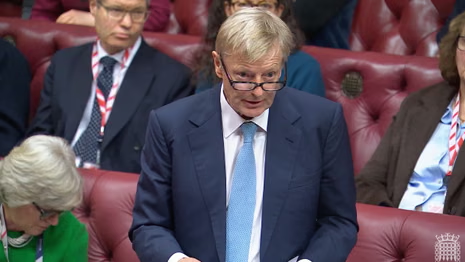
The British political landscape shifted dramatically tonight as peers delivered a stunning blow to current government policy. Members of the House of Lords voted decisively to support a robust social media ban for children under sixteen. This significant legislative move aims to mirror strict digital protections recently introduced by the Australian government. The debate in Westminster reflects a growing global movement to safeguard young people from online harm. Peers rejected the Prime Minister’s proposal for a lengthy public consultation by a clear majority. The final tally saw 266 votes in favor of the ban against 141 opposing votes. This result marks a major defiance against Keir Starmer’s cautious approach to digital regulation. Conservative peer Lord Nash led the charge with a passionate plea for immediate legislative action. He argued that current safety measures fail to protect the most vulnerable members of society.
Lord Nash stated that this second vote sends an unambiguous message to the government. He believes that hollow promises and half-measures will no longer satisfy the British public. The peer previously attempted to pass similar restrictions through the House of Commons this month. However, MPs initially voted against the measure, prompting this renewed push from the upper house. Nash noted that the increased support among peers shows an urgent need for change. He insists that the age limit for accessing harmful platforms must rise to sixteen. The emotional weight of the debate was palpable throughout the historic Victorian wood-paneled chamber. Many peers were acutely aware of the grieving families watching from the public gallery. These parents have lost children to the dark corners of the modern digital world. Lord Nash emphasized that any further delay in legislation will have devastating human consequences.

The push for a social media ban is not an isolated British event. It follows a landmark legal ruling in Los Angeles that sent shockwaves through Silicon Valley. A California jury recently found that Meta designed products to be intentionally and dangerously addictive. This legal victory belonged to a twenty-year-old woman who suffered severe mental health struggles. She proved that platforms like Facebook and Instagram exacerbated her childhood psychological issues and anxiety. The court ordered Meta and Google’s YouTube to pay millions in damages to her. This ruling confirms that tech giants may have knowingly prioritized profits over child safety. TikTok and Snap notably chose to settle their cases before the trial even began. Experts believe this American verdict will influence thousands of similar lawsuits across the globe. The judgment provides the House of Lords with powerful evidence of systemic corporate negligence.
Lord Nash highlighted this court ruling during his address to the schools bill committee. He criticized the cavalier approach taken by tech companies toward harmful online content today. The peer argued that lawmakers now have a unique chance to intervene effectively. He believes that a social media ban is the only way to restore childhood. The presence of twenty family members in the gallery added gravity to the proceedings. George and Areti Nicolaou were among those watching the political drama unfold from above. They held a photograph of their late son, Christoforos, throughout the long debate. Christoforos tragically took his own life after engaging with a dangerous online community forum. His parents represent a growing group of activists demanding more than just empty words. Their presence served as a silent reminder of the high stakes involved in regulation.
Lady Cass, a respected paediatrician and crossbench peer, also criticized the current government stance. She argued that ministers fail to understand the deep impact of digital platforms. In her view, the government is taking a narrow view of a complex issue. She noted that officials focus only on certain psychological aspects of social media. Lady Cass believes they ignore wider harms reported by teachers and clinical professionals. She described the government’s proposed pilot programs as cheap efforts to grab media headlines. According to her, these initiatives provide no real information or protection for children. She argued that continuing with such ineffective measures is disrespectful to grieving British families. The peer called for a holistic approach that addresses the direct trauma caused. Her medical background lent significant weight to the argument for a total age ban.
The proposed social media ban would force platforms to implement rigorous age verification technology. Critics of the ban worry about the practicalities of enforcing such strict rules. They argue that tech-savvy teenagers will always find ways to bypass digital age gates. Some experts suggest that a ban might push children toward even darker corners. However, supporters argue that the current situation is far more dangerous for youth. They point to the rise in self-harm and anxiety linked to scrolling. Peer pressure to be online is a major factor in modern childhood stress. By making the ban universal, the law would remove that social pressure entirely. It would allow children to engage in physical activities and face-to-face social interactions. Proponents believe this is essential for healthy brain development in the digital age.
The Australian model serves as a blueprint for the House of Lords’ proposal. Australia recently passed laws that hold platforms financially responsible for underage users’ access. The UK peers want to see similar accountability for big tech companies here. They believe that heavy fines are the only language these global corporations understand. Under the proposed bill, social media giants could face massive penalties for non-compliance. This would force them to invest heavily in robust and secure verification systems. The government remains concerned about the impact on digital innovation and economic growth. However, the House of Lords maintains that child safety must come before profit. They argue that a healthy society depends on the wellbeing of its youth. This ideological clash will likely define the next phase of British domestic policy.

Public opinion in the United Kingdom appears to be shifting toward regulation. Many parents feel overwhelmed by the constant battle against smartphones and addictive apps. They welcome the idea of a social media ban as a collective solution. It removes the burden from individual parents to police every single digital interaction. Schools also report significant improvements in behavior when mobile phones are restricted or banned. The House of Lords’ vote reflects this growing grassroots movement across the country. Supporters believe that childhood should be a time of exploration and safety. They argue that the internet was never designed with children’s developmental needs in mind. The vote tonight is a clear signal that the status quo is unacceptable. It puts immense pressure on the House of Commons to reconsider its position.
The legal implications of the California ruling continue to resonate within the Westminster halls. If platforms are proven to be addictive by design, their legal immunity fades. This opens the door for a wave of litigation within the United Kingdom. Lawmakers are keen to prevent a similar mental health crisis on British soil. A social media ban is seen as a proactive shield against these risks. It seeks to break the cycle of addiction before it takes a hold. The peers are demanding leadership that prioritizes the long-term health of the nation. They want the government to stop consulting and start acting for the people. This bold move by the Lords could lead to a constitutional standoff. It tests the limits of the government’s authority over social welfare and technology.
As the night concluded, the sense of historical change was evident to everyone. The House of Lords has set a new course for digital rights. Whether the government will listen to this unambiguous message remains a crucial question. The bereaved families left the gallery with a small sense of hard-won hope. They believe their children’s stories are finally being heard by those in power. The fight for a social media ban is far from over in parliament. However, the momentum has clearly shifted in favor of those seeking stricter controls. The next few months will be critical for the children’s wellbeing and schools bill. All eyes are now on the Prime Minister to see his response. The digital world is changing, and British law may soon change with it.
Related News:
 Britain deploys RAF specialists to assist Belgium with drone threats
 Night after night, Belgium is on high alert.
 Ukraine to Get 100 French Rafale Jets in Historic Deal
 BP’s Influence Sparks Controversy in UK STEM Education
MPs warn AI financial risks threaten UK stability
BP’s Influence Sparks Controversy in UK STEM Education
MPs warn AI financial risks threaten UK stability
 MPs warn AI financial risks threaten UK stability
 Starmer Targets AI Chatbots Over Child Safety Concerns
 AI FOMO Warning as Osborne Urges Action
 Treasury AI plans spark influence concerns
 UK Social Media Ban for Under-16s Gains Momentum
 UK Teen Social Media Ban Trials Begin
 Ministers Urged to Act Faster on Deepfakes Threat
 MPs Reject Ban on Social Media for Under-16s
 Iran Social Media Strategy Shifts to Information War
 Cluster Strikes Test Israel’s Missile Defences
 Lords Back New Age Ban for Children on Social Media
 OpenAI Halts Stargate UK Project Amid Energy Crisis
 Big Tech Lobbies EU to Hide Massive Datacentre Emissions
 Canadian astronaut French words ease language row
 Reform UK funding: mystery billionaire revealed
 RAF Typhoons scrambled amid Russian drone threat near Nato
 Starmer’s Top Aide Held 16 Private Meetings With Tech Giants
 Doomsday Clock Nears Midnight Amid Global Crises
 FDA Chaos Deepens as Trump Eyes Makary Exit
 UK Ministers Lobby Trump Over Under-16s Social Media Ban
 Trump Faces Backlash Over $2bn Earnings Since Return
 OpenAI Proposes 5% Equity Stake to US Government
 Lanarkshire AI Hub Fails Energy Promises
 Reeves Launches City AI Skills Compact
 Meta Under Fire: The Battle Over Addictive Social Media Design
 Army Officers Orders to Cut Ties with Men-Only Clubs
 Trump’s UK Ambassador Urges North Sea Drilling to Strengthen US Ties
 UK Bans Fake Numbers: Scammers Lose Their Trick
 Vibe coding’ named Collins dictionary’s word of the year
 Patients to Test Health at Home to Ease NHS Winter Pressure
BBC to Apologise Over Edited Trump Speech Amid Backlash
Patients to Test Health at Home to Ease NHS Winter Pressure
BBC to Apologise Over Edited Trump Speech Amid Backlash
 Millionaires group urge Reeves to introduce wealth tax to ‘lift kids out of poverty’
 Reeves rejects £1bn plea for NHS redundancy payouts
 Northern Lights may illuminate UK skies this week
 PM Condemns Leaks, Vows Loyalty to Ministers and Stability
 Greene Pushes Epstein Files Amid Trump Fallout
 Sundar Pichai Cautions on AI Hype and Market Risks
 Shadow Fleet at Sea: Europe’s Battle Against Illicit Oil Shipping
 Starmer Says Labour’s Economic Plan Needs Years to Deliver
 Australia grants Asio powers to designate hate groups under new laws
 ABC Facebook Page Briefly Hacked, Adult Photos Posted
 Artificial intelligence will cost jobs, admits Liz Kendall
 Meta trial over child exploitation claims begins
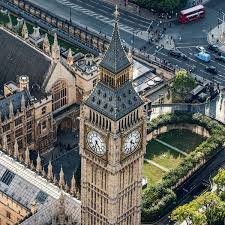 UK and US Drop in Global Corruption Index Rankings
 Canberra Poster Seizure Sparks Free Speech Row
 Wales Approves Assisted Dying Bill Consent
 Stewart Brand on Musk, Bezos and a Life of Long Thinking
 Jacinda Ardern Move Sparks Kiwi Reflection
 Asylum Seekers to Work After Year-Long Wait
 New Zealand Covid Response Praised Despite Lingering Scars
 Injured Mojtaba Khamenei Elevated as Iran Leader
 The Kill Line: A Shifting Vision of the American Dream
 Inquiry into HMRC child benefit errors launched by NAO
 Farage Shuns Truss as US Right-Wing Roadshow Hits London
 Artemis II: Humanity Returns to the Moon After Decades
 Italian Town Buys Mussolini Villa to Keep Away Fascist Fans
 Suspected Plot Targets Pipeline Before Hungary Vote
 Robots Outpace Humans in Beijing Half-Marathon
 UK Faces Growing Threat of Scale Hacktivist Attacks
 Trump Defiant After Washington Hotel Shooting
 Starmer Survives Mandelson Rebellion
 Trump approval plunges amid Iran war fears
 Tough Fiscal Realities Await Next Scottish Government
 US ‘Narco Boat’ Strikes Draw Global Outcry
 One Nation Candidate’s Surprising Ties to Independents
 Reform UK Faces Crisis as Newly Elected Councillors Resign
 Tony Abbott Returns as New Liberal Party President
 Secret Role of UK Security Services in Troubles Amnesty Law
 The Hidden Crisis Eroding Trust in British Communities
 Stolen Mobiles Could Soon Become Useless Bricks
 Trump’s Mount Rushmore Speech: A Divisive Anniversary
 Trump’s Red-Card Intervention Hurts the US World Cup
 Trump Swaps Planes Amid Iran Tensions
 Ann Widdecombe, Formidable Political Figure, Dies at 78
 Houthis Strike Saudi Arabia as Middle East Tensions Rise