Published: 15 May 2026. The English Chronicle Desk. The English Chronicle Online.
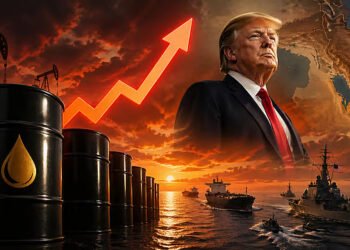
The global financial landscape is currently navigating through an extraordinarily turbulent period of geopolitical upheaval. Serious conflicts in the Middle East have caused considerable anxiety across major international trading markets recently. Oil prices have surged dramatically since the onset of the latest military confrontations with Iran. The strategically vital Strait of Hormuz remains effectively blocked to international shipping and oil tankers. This closure has severely disrupted global energy supplies and heightened fears of prolonged economic stagnation. Investors initially reacted with widespread panic to the sudden outbreak of these intense hostilities. Major American stock indices tumbled significantly during a particularly dark trading session in late March. Both the Dow Jones and the Nasdaq plunged into official correction territory very quickly. Market values dropped more than ten percent from their recent all-time high points.
Seven weeks later the geopolitical situation in the region looks only marginally better now. Tensions remain incredibly high as diplomatic efforts struggle to achieve any meaningful breakthrough. The maritime blockade continues to restrict the flow of crude oil through crucial corridors. Peace talks with the Iranian government seem exceptionally tenuous despite intense international pressure. Rising fuel costs are placing a heavy burden on everyday consumers across the globe. President Donald Trump recently complicated matters further with some highly controversial public remarks. He stated he was not even a little bit motivated by domestic financial hardships. The administration appears fully committed to its current geopolitical strategy regardless of the economic costs. Such blunt rhetoric from the White House would traditionally spark massive panic on Wall Street.
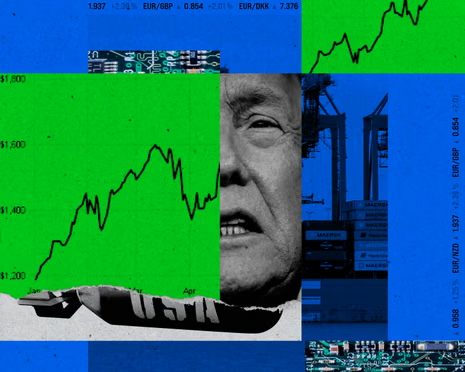
Yet the actual performance of the financial markets tells a completely different story today. American stock markets have not only recovered all of their previous steep losses. Equity benchmarks are actively thriving and reaching astonishing new heights against all conventional wisdom. This remarkable resilience in the face of severe global instability is truly unprecedented. Even before this latest war erupted the markets demonstrated a strange immunity to chaos. Wall Street previously shook off the devastating disruptions caused by the global pandemic era. The financial system easily absorbed the shock of generational-high inflation over recent years. It similarly brushed aside the massive economic consequences of Russia invading Ukrainian territory previously. Investors are also largely ignoring the ongoing international tariff disputes sparked by the administration.
The stark disconnect between the financial markets and real-world economic conditions grows wider daily. Everyday citizens continue to struggle deeply with a severe and unrelenting household affordability crisis. Consumer confidence has crashed to historic lows as families face soaring energy and food costs. Despite this widespread domestic hardship the major stock indices simply keep climbing higher and higher. Wall Street certainly still experiences occasional down days when bad news briefly dominates headlines. However the broader trajectory remains overwhelmingly positive to the amazement of many economic analysts. The tech-heavy Nasdaq index has continued its spectacular surge despite the surrounding global gloom. Intense investment in advanced artificial intelligence technologies is primary driving this remarkable upward momentum.
The Nasdaq has already skyrocketed by eleven percent since the very start of this year. This impressive gain represents nearly half of the total growth achieved during the previous year. Meanwhile the Dow Jones and the S&P 500 constantly hover near record-breaking territory. Each time investors shake off a fresh geopolitical shock new questions inevitably arise. Observers wonder what exactly is driving this bizarre phenomenon during such dangerous global times. Experts are trying to determine how long this powerful bull market can realistically last. Several distinct factors help explain why equities remain insulated from these terrible global crises. Strong corporate earnings for the opening quarter of the year provide a solid foundation. Many major American companies have reported profits that far exceeded conservative Wall Street expectations.
Corporate balance sheets appear much healthier than the financial situation of average working-class households. Large multinational corporations possess significant pricing power to pass elevated costs onto their customers. This ability protects profit margins even as inflation pressures consumer wallets across the nation. Furthermore the immense enthusiasm surrounding artificial intelligence shows absolutely no signs of slowing down. Technology giants are investing hundreds of billions of dollars into building out new infrastructure. This massive capital expenditure creates a powerful economic engine that lifts the entire market. Investors view these technological advancements as the primary driver of future global productivity growth. Therefore capital keeps flooding into mega-cap tech stocks regardless of external geopolitical risks.
The unique nature of modern equity markets also explains this apparent lack of empathy. The major stock indices are heavily weighted toward giant global technology and financial firms. These massive entities do not necessarily reflect the daily struggles of ordinary working-class citizens. A thriving stock market does not mean the average family is doing well financially. This divergence creates a confusing economic narrative that puzzles many traditional market commentators. Another critical factor is the current behavior of the government bonds market recently. Treasury yields have experienced notable fluctuations since the outbreak of the Middle East conflict. The yield on the benchmark ten-year US Treasury has recently drifted slightly lower. Lower bond yields generally make equities appear much more attractive to large institutional funds.
When yields soften investors eagerly rotate their capital out of bonds and into stocks. This structural shift provides a continuous stream of liquidity that supports high equity valuations. Furthermore global investors view American markets as a safe haven during times of international crisis. European and Asian economies are often much more vulnerable to sudden energy supply disruptions. The domestic energy independence of the United States provides a crucial buffer against global shocks. This structural advantage makes American companies look far more stable than their foreign competitors. Consequently international capital flows steadily toward New York even when Washington faces deep political turmoil. Investors essentially decide that American equities remain the best option among limited global choices.
However this extraordinary market resilience does not mean that risks have completely vanished. Many cautious analysts warn that current equity valuations are becoming dangerously stretched right now. A prolonged maritime blockade in the Middle East could eventually trigger severe global stagflation. If oil prices remain elevated for too long corporate profit margins will inevitably suffer. The implementation of broad global import tariffs also poses a significant threat to trade. Higher tariffs could easily reignite inflationary pressures and force central banks to raise rates. Higher interest rates would eventually make it much harder for corporations to sustain growth. Therefore the current market optimism might be masking deeper structural vulnerabilities in the economy.
For the moment liquidity and technological optimism are firmly winning the intense emotional battle. Wall Street continues to look toward a future dominated by artificial intelligence and automation. The immediate horrors of war and inflation are treated as temporary corporate disruptions. Investors are betting that major companies will successfully navigate through this current geopolitical storm. This collective mindset creates a self-fulfilling prophecy that keeps driving stock prices upward daily. The ultimate test for this bull market will arrive over the coming months. If corporate earnings begin to soften under the weight of high energy costs. Or if the public completely stops spending due to the worsening affordability crisis. Then the stock market may finally have to confront the harsh economic reality.
Until that pivotal moment arrives the incredible ascent of Wall Street will likely continue. The financial world remains detached from the anxieties gripping ordinary communities across the globe. This fascinating phenomenon highlights the complex and often cold logic of modern global capitalism. Markets do not trade on current human suffering or complicated international political morality. They trade on future cash flows corporate efficiency and relative investment returns across borders. As long as those specific metrics remain favorable the numbers will climb higher. Wall Street will keep shrugging off the chaos of a deeply divided world safely. The dramatic disconnect between main street and the financial sector remains a defining feature. This enduring bull market continues to defy expectations and rewrite the traditional economic rulebook.
Related News:
 Reeves Faces Setback as Labour May Miss Homes Target
 Virgin Trains Moves Closer to Challenging Eurostar Monopoly
 Trump’s UK Ambassador Urges North Sea Drilling to Strengthen US Ties
 Ryanair Chief UK Economy ‘Doomed’ Under Labour
 M&S Profits More Than Halve After Cyber-Attack
 Earl of Yarmouth Faces £1.3m Legal Bill Over Family Estate
 Millionaires group urge Reeves to introduce wealth tax to ‘lift kids out of poverty’
 From Lego to Pokémon: How Adults Are Driving UK Toy Market Growth
 New laws to bolster UK’s defences against cyber attacks on NHS, transport and energy
 Canada Passes Carney’s First Budget in Tight Parliamentary Vote
 Starmer Says Labour’s Economic Plan Needs Years to Deliver
 Virgin Media Fined £23.8m Over Telecare Safety Failures
 Starmer Faces Parliamentary Battles Over UK-EU ‘Reset’ Plan
 Reeves Pub Business Rates U-Turn Calms Labour Revolt
 ScottishPower Tops List of Worst UK Energy Suppliers
 Markets Slide As Gold Rally Signals Risk From Trump Greenland Tariff Plan
 UK Eyes Global Investment with Visa Fee Refunds
 City & Guilds pay surge sparks backlash amid £22m cuts
 UK Inflation Hits 3.4% in December, Ending Five-Month Decline
 Trump Fed bid heads to Supreme Court
 ‘Black Tax’: Burden, Pride and Survival for African Workers
 AI job losses UK: Britain faces sharper employment shock
 India-EU Free Trade Deal Marks Historic Economic Shift
 Telstra AI jobs cuts as automation drive expands
 BT Names New Openreach Chief Amid Major Fibre Expansion
 UK Banks Plot Payment Backup Amid Trump Fears
 UK Unemployment Rate Climbs to 5.2% Peak
 UK shelves £110m border project amid trade strain
 Rachel Reeves Faces Middle East Conflict Test
 Grocery Inflation Rises Amid War Fears
 BrewDog sold Highland estate for knockdown price after abandoning reforestation plans
 Rising Costs Force Families to Rethink Days Out
 Oil Slides, Stocks Jump on Trump Peace Signals
 UK inflation held at 3% before global energy price hit
 Ticketmaster Fees Rise Despite Recent US Junk Fee Crackdown
 M&S Demands Urgent Action on Rising Violent Retail Crime
 New Era for Sick Pay as Millions Gain Critical Rights
 Oil Prices Surge as Trump Issues New Deadline to Iran
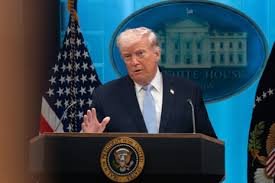 US and Iran Agree to Two-Week Provisional Ceasefire
 Stefano Gabbana Resigns as Chair of Italian Luxury Giant
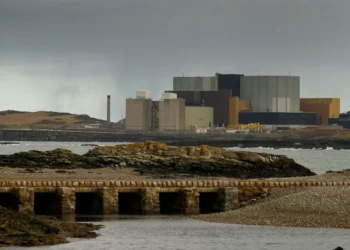 Rolls-Royce SMR Secures £600m Boost for Nuclear Future
 Aegon Sells Historic UK Arm to Standard Life for £2bn
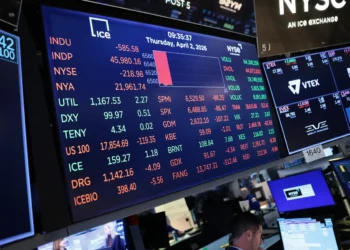 Central Bank Chiefs Hold Crisis Simulation in Washington
 UK Staycations Rise as Travel Fears Grow
 Former Brexit Chief Calls for Rejoining the EU
 Albanese Rejects Gas Export Tax Push
 Oil Prices Surge Above $120 Amid Iran Blockade Fears
 Silent Tracks: Rail Line Without Passengers
 Trump approval plunges amid Iran war fears
 Tough Fiscal Realities Await Next Scottish Government
 DeepMind Staff Vote to Unionize Over US Military Contract
 Global Conflict Hits Home As Bullock Warns Of Economic Pain
 STV Election Coverage Disrupted Amid Bitter Pay Dispute
 Aramco Surges as East-West Pipeline Counters Gulf Tensions
 High Stakes in Beijing as Trump and Xi Meet Amid Global Turmoil
 Lotus Boss Pledges Future to Norfolk and Seeks State Support
 Trump and Xi Convene in Beijing for Historic High-Stakes Summit
 High Street Crisis: Fears Grow Over Post Office Closures
 UK Firms Freeze Spending as Iran Conflict Bites
 Summer Shock: British Energy Bills Set for Grim July Hike
 Reeves to Fast-Track Clean Energy Amid Iran Crisis
 Oil Markets Face ‘Red Zone’ Threat Amid Iran Crisis
 Belfast Approves Pilot Extension of Sunday Trading Hours
 Albanese Defends Tax Reforms Amid Emotional Speech
 Tube Strike Brings Capital to a Standstill Over Shift Disputes
 BP Stands Firm on Amanda Blanc Amid Boardroom Storm
 UK House Prices Drop For Third Month Due To War Fears
 Top Chefs Back Andy Burnham to Save UK Hospitality Sector
 GSK Secures Landmark $10.6bn Deal for Nuvalent
 UK Economy Suffers a Sharp Downturn as Iran Conflict Bites
 AI Scams Push UK Investment Fraud Past £220m
 Rethinking the Blueprint for Youth Employment in Britain
 Sainsbury’s Boss Optimistic As Grocery Inflation Eases
 UK Households Suffer Squeeze As Disposable Incomes Drop
 Creditors Eye Thames Water Even Under Nationalisation
 Record £28m Fine for Virgin Media Over Cancellation Woes
 Jet2 Sees Summer Surge Despite Global Tensions
 Ukraine Creates Long-Range Strike Command
 BBC Faces Real Jeopardy as Licence Fee Income Declines
 Thames Water Future Remains Uncertain Amid Funding Crunch