Published: March 27, 2026. The English Chronicle Desk. The English Chronicle Online — Independent, Insightful, Global.
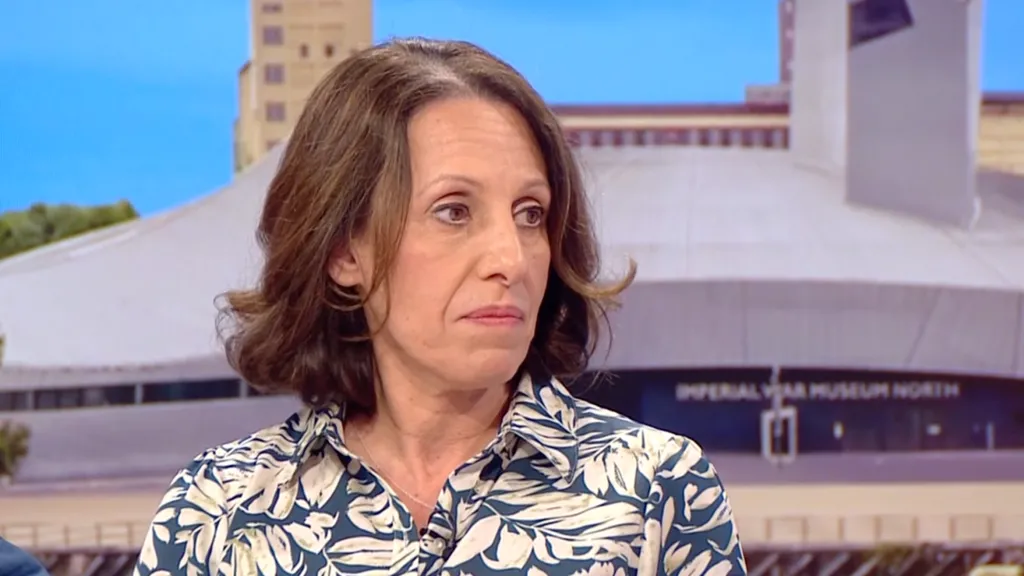
The Co-operative Group has been thrust into a leadership crisis following the sudden resignation of its chief executive officer, who stepped down late last night after a series of damaging reports regarding the organization’s internal environment. The departure comes in the wake of an extensive investigation by the BBC, which detailed a “toxic culture” permeating the higher echelons of the Manchester-based mutual. Sources within the company described an atmosphere of systemic bullying, exclusionary practices, and a disconnect between the Co-op’s cherished ethical values and the day-to-day reality experienced by its workforce. The news has sent shockwaves through the UK retail and funeral sectors, where the Co-op remains a dominant and historically trusted player.

According to the initial reports, the outgoing boss faced mounting pressure after several senior whistleblowers came forward with allegations of professional misconduct and an aggressive management style that prioritized aggressive expansion over employee well-being. The BBC investigation highlighted numerous instances where staff members claimed they were sidelined or forced out of the business after raising concerns about operational transparency and the treatment of minority staff. These accounts suggested that while the Co-op projected an image of community-focused inclusivity to the public, the internal reality was one of high-pressure tactics and a lack of accountability for those in positions of power.
The resignation was confirmed in a brief statement released by the Co-op Board, which acknowledged the CEO’s contribution to the group’s financial recovery over the past three years but noted that a change in leadership was necessary to “reset” the organization’s cultural compass. The Board has appointed an interim successor while it begins an international search for a permanent replacement who can restore faith among the group’s thousands of employees and millions of members. This leadership vacuum arrives at a sensitive time for the mutual, as it navigates the complexities of a volatile retail market and rising costs in its funeral care division.
Reaction from the trade unions representing Co-op workers has been swift and critical. Union leaders stated that the allegations of a toxic culture were not surprising to those on the front lines, citing a growing trend of “top-down” decision-making that ignored the needs of floor staff and local managers. They have called for a complete independent audit of the company’s human resources practices and a commitment from the Board to involve workers more directly in the governance of the group. The sentiment among the workforce appears to be one of cautious relief, with many hoping that the departure of the chief executive marks the beginning of a genuine shift toward the co-operative principles upon which the institution was founded.
The BBC report also delved into the financial implications of this cultural friction, suggesting that high turnover rates among specialist staff had led to significant costs in recruitment and lost productivity. Furthermore, there are concerns that the negative publicity could alienate the Co-op’s ethically-minded customer base. The mutual has long traded on its reputation as a “fair” alternative to traditional PLC retailers, and any suggestion that its internal practices are at odds with these values poses a direct threat to its brand equity. Industry analysts have warned that the group must move quickly to demonstrate that it is taking the “toxic culture” claims seriously if it wishes to avoid a long-term erosion of consumer trust.
In the days leading up to the resignation, internal memos leaked to the press indicated a desperate attempt by senior leadership to manage the narrative. These documents reportedly encouraged managers to emphasize “positive milestones” and downplay the grievances being aired in the media. However, as more voices joined the chorus of dissent, the CEO’s position became increasingly untenable. The crisis has also prompted questions about the effectiveness of the Co-op’s unique governance structure, with some critics arguing that the oversight mechanisms failed to catch early warning signs of cultural rot.

As the Co-operative Group moves into a period of transition, the focus will undoubtedly remain on how the new leadership addresses the deep-seated issues raised by the BBC. The challenge will be to reconcile the commercial pressures of a modern business with the ethical mandate of a member-owned organization. For the millions of people who shop at the Co-op or use its services, the hope is that the organization can move past this turbulent chapter and return to its roots as a beacon of fair treatment and social responsibility. The coming months will be a definitive test of whether the Co-op can truly live up to the “Co-operative” name it carries.
Related News:
 How to Exit Your Broadband Contract Without Paying Exit Fees
 Supreme Court Ruling on Car Finance Scandal Poised to Impact Millions of Motorists and Banks
 Stunning Welsh Island with Historic Fort and Modern Luxuries Hits Market for £3 Million
 Chancellor Rachel Reeves Pushes for Sweeping Changes to Environmental Protections to Accelerate Development
 Inflation Latest: Cost of Living Expected to Rise Again in Key Figures Released Today
 Retail Sales See Uptick Amid Errors and Delays as ONS Faces Scrutiny
 UK House Prices Hit Record £299,331 as Market Shows Steady Growth
Shein UK Faces Allegations of Shifting Majority of Profits to Singapore to Reduce UK Tax
UK House Prices Hit Record £299,331 as Market Shows Steady Growth
Shein UK Faces Allegations of Shifting Majority of Profits to Singapore to Reduce UK Tax
 UK Mobile Retailers Lock Doors Amid Surge in Organised Phone Thefts
 UK Retail Sales Rise in August, but Tax Concerns Loom Over Festive Period
 Jaguar Land Rover Extends Production Halt Following Cyber-Attack
 UK Labour Market Shows Signs of Cooling as Wage Growth Slows and Redundancies Rise
 UK Wage Growth Remains High, But Cost of Living Pressures Bite
 British AI Startup Outshines Human Forecasters in Global Prediction Contest
 Vodafone Franchisees Sound Alarm: Mental Health Toll of Commission Cuts Revealed Years Before £120m Court Battle
 Great Britain’s Energy Operator Commits to Strengthening Grid to Prevent Blackouts
 UK Government Backs Return of International Rail Travel to Kent Stations
 Marks & Spencer Staff to Work on Boxing Day for First Time in Five Years Amid Cost-Cutting Measures
 Senior Tories Condemn Badenoch’s Vow to Repeal Climate Change Act as Catastrophic
 Wetherspoon vows to keep prices low amid soaring energy and tax costs
 He-Man Set for Big Comeback as UK Toy Industry Rides ‘Newstalgia’ Wave
 Delivery Apps Could Double the Cost of Your Groceries, Warns Consumer Watchdog
 UK House Price Growth Slows as Buyers Exercise Caution Ahead of Autumn Budget
 Kemi Badenoch Unveils ‘Golden Rule’ to Halve Spending Cuts for Deficit Reduction at Tory Conference
 Royal Mail Fined £21m for Delivery Failures
 Parents spending £5,000 on special school assessments in England
 China warns UK over delayed London mega embassy decision
 New V-Level qualification to transform post-16 education
 Pizza Hut to shut 68 sites after collapsing into administration
 Real living wage set to rise nearly 7% for UK workers in 2026
 Reeves Faces Setback as Labour May Miss Homes Target
 Trump’s UK Ambassador Urges North Sea Drilling to Strengthen US Ties
 ABF May Split Primark from Food Division Amid Tough Market
 M&S Profits More Than Halve After Cyber-Attack
 Tony Blair think tank warns Rachel Reeves must cut taxes if manifesto broken
 Millionaires group urge Reeves to introduce wealth tax to ‘lift kids out of poverty’
 Global markets drop amid tech sell-off and China slowdown
 PM Highlights UK Business at G20 in South Africa
 Mossmorran Plant Closure Hits Cowdenbeath Hard
 Starmer Says Labour’s Economic Plan Needs Years to Deliver
 Virgin Media Fined £23.8m Over Telecare Safety Failures
 Rising Water Bills Lift Troubled Thames Back to Profit
 Historic £100-Weekly Pension Boost Brings Relief for UK Mineworkers
 UK Investment G7: Britain Records Lowest Level Under Starmer
 HMRC Delays Leave Taxpayers Waiting Over a Year for Refunds
MPs warn AI financial risks threaten UK stability
HMRC Delays Leave Taxpayers Waiting Over a Year for Refunds
MPs warn AI financial risks threaten UK stability
 MPs warn AI financial risks threaten UK stability
 Labour Must Revive High Streets to Avoid Election Collapse
 Households in England Face Rising Water Bills in April
 UK New Car Discounts Near £6,000 as Prices Are Slashed
 Study Finds One in Seven England Takeaways Are Dark Kitchens
 Pound Sinks and Borrowing Costs Rise as Starmer Fights for Job
 London Loses Its Grip on Ambitious Young Workers
 Row at David Lloyd Clubs Over £140-a-Month ‘Queue-Jumping’ Pass
 Major UK Clothing Firm Collapses into Administration — 109 Jobs at Risk
 UK Housing Market Shows Early Recovery Signs
 UK economy struggles as growth stalls at 0.1% in late 2025
 Could Manchester Lead the UK’s Economic Revival?
 Royal Mail Blames Poor Weather and Sickness for Delayed Deliveries
 Lloyds Boss Accepts Concern Over Use of Staff Data in Pay Talks
 Jenrick: I’ll Back OBR but There’ll Be No More Cosy Consensus
 Store at Famous Shopping Village to Close After 18 Years Due to Rising Costs
 UK Job Vacancies Hit Five-Year Pandemic Low
 US Will Not Back Out of Tariff Deals with UK and Others, Says Trump Trade Representative
 Luxury Airbnb Cabins With Hot Tubs Must Be Demolished After Planning Ruling
 UK Youth Unemployment Surges Amid Tax Changes
 Strong Rebound for UK Housing Market Sees 6% More Homes
 Reeves Must Back Defence Plan or Face Dismissal, Says Unite Chief
 Switching Energy Deal Can Save £200 as Price Cap Falls
 Hornby Sells Scalextric for £20m to Purbeck Capital Partners
 UK house prices rise as market steadies
 Labour’s Employment Shake‑Up ‘Makes Britain Worse Than France’
 Bogus ‘Oxford Professor’ Jailed Over £880k Investment Scam
 Sarah Ferguson Loses Another £1.5m Amid Financial Struggles
 Courier Firm Bust After 14 Years as Evri Deliveries Face ‘Temporary Disruption’
 UK Fuel Tax Hike Plan to Be Kept Under Review Over Iran Conflict
 ‘Heating Oil Suppliers Are Holding Us to Ransom’ as Prices and Cancellations Surge
 UK Pushes NHS and MoD to Buy British Tech
 UK Wage Growth Slows as Jobs Market Holds Firm
 Charity Watchdog Takes Control of Learning Disability Care Home