Published: 27 March 2026. The English Chronicle Desk. The English Chronicle Online.
The political landscape in Washington reached a critical turning point today as the United States Senate successfully passed a significant funding package. This legislative move aims to provide much-needed financial relief to the Department of Homeland Security following a prolonged and tense standoff. While the agreement marks a step forward, it remains a partial victory because it intentionally excludes funding for certain agencies. Specifically, the deal provides resources for the majority of the department but leaves out Immigration and Customs Enforcement and portions of the Customs and Border Protection. This strategic exclusion reflects the deep ideological divisions currently paralyzing the American legislative process and impacting global security discussions.
The announcement came directly from the office of Chuck Schumer, the Senate Democratic party leader, who confirmed the details in a formal statement. According to the release, the newly approved funds will ensure that essential components like the Transportation Security Administration and the US Coast Guard can continue their vital operations. These agencies have been struggling under immense pressure as the funding gap stretched into its fifth week. The Senate managed to approve the package through a rare overnight session, utilizing a voice vote to expedite the process before the weekend. However, the path to full implementation still requires the House of Representatives to take decisive action soon.

The primary catalyst for this legislative friction stems from a tragic and controversial incident involving law enforcement in Minneapolis. Democratic lawmakers have remained firm in their refusal to grant full funding until there are significant changes to immigration rules. This stance followed the shooting of two American citizens, Renee Good and Alex Pretti, by federal agents earlier this year. The outcry from these deaths has fueled a demand for increased accountability and a total overhaul of how immigration operations are conducted. Consequently, the debate over the budget has become a battleground for civil rights and the limits of federal authority in modern America.
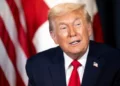
On the other side of the political aisle, the rhetoric has been equally sharp and unyielding. Donald Trump has been vocal about his dissatisfaction with the current negotiations and the demands of his political rivals. Before this partial deal was reached, he expressed a desire to take executive action to ensure airport workers received their pay. He has also tied the funding of the department to the passage of the Save America Act. This specific bill would require individuals to provide proof of citizenship when registering to vote in federal elections. By linking border security funds to voting laws, the political stakes have been raised to an unprecedented level.
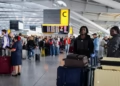
The human cost of this political stalemate is becoming increasingly visible at major transportation hubs across the country. Tens of thousands of Transportation Security Administration personnel have been forced to perform their duties without receiving any pay. This financial strain has led to a significant increase in workers calling in sick or resigning from their positions entirely. Last weekend, the number of absences reached the highest level recorded since the partial government shutdown began on the thirteenth of February. These staffing shortages have caused long delays and growing concerns regarding the safety and efficiency of the national aviation network.
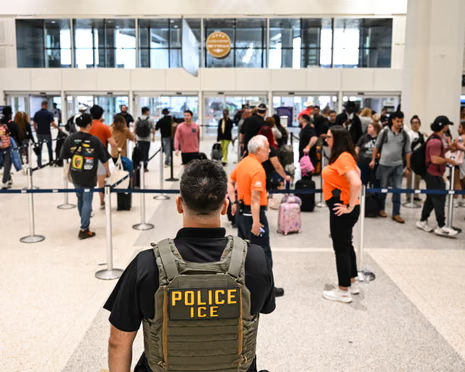
In an effort to increase pressure on his opponents, the former president suggested a highly controversial temporary solution last weekend. He proposed placing ICE agents in airports to fill the gaps left by the absent security screening staff. This suggestion was met with immediate criticism from those who view such a move as an overreach of executive power. The tension between the executive desires and legislative requirements has created a complex web of challenges for the Department of Homeland Security. Without a unified budget, the agency remains in a state of flux that worries both domestic citizens and international observers.
The current funding package is seen by many as a temporary bandage rather than a permanent cure for the crisis. By funding the Coast Guard and the TSA, the Senate has addressed the most immediate threats to travel and coastal safety. However, the decision to withhold funds from ICE ensures that the core debate over immigration policy will continue. The absence of a comment from Majority Leader John Thune suggests that negotiations behind the scenes remain delicate and potentially volatile. Every day that passes without a full resolution increases the burden on federal employees and the public they serve.
The international community is watching these developments closely, as the stability of American border operations has global implications. For a UK-based audience, the disruption of US travel infrastructure often translates to delays in transatlantic flights and trade. The English Chronicle has observed that the rhetoric used by both parties has shifted from policy differences to fundamental disagreements. These disagreements touch upon the very nature of citizenship, the role of law enforcement, and the sanctity of the voting process. As the House of Representatives prepares to review the Senate’s proposal, the world waits to see if a compromise is possible.

The role of social media and rapid news cycles has also played a part in shaping the public perception of this crisis. Information regarding the Minneapolis shooting spread quickly, creating a groundswell of public pressure that Democratic leaders have channeled into their legislative demands. Conversely, the supporters of the Save America Act have used digital platforms to rally their base around the issue of election integrity. This digital tug-of-the-way has made it harder for lawmakers to find a middle ground without appearing to retreat from their core principles. The resulting deadlock has left the Department of Homeland Security in a precarious financial position for over a month.
Looking forward, the focus will shift to the House of Representatives, where the political climate is often even more polarized than the Senate. If the House fails to act on the partial funding package, the operational capacity of the TSA and Coast Guard will continue to decline. The threat of more airport security workers quitting remains a significant concern for the upcoming holiday travel season. Leaders on both sides must weigh the importance of their policy goals against the immediate needs of the federal workforce. The resolution of this crisis will likely require a level of cooperation that has been noticeably absent in recent weeks.
Ultimately, the passage of this funding package represents a fragile consensus in a deeply divided government. It provides a lifeline to some of the most visible parts of the national security apparatus while leaving the most contentious issues for later. The families of Renee Good and Alex Pretti continue to seek justice, while federal workers continue to check their bank accounts for missing wages. The Department of Homeland Security stands at a crossroads, caught between the demands for reform and the necessity of daily operations. The coming days will determine whether Washington can move past this impasse or if the shutdown will deepen further.
Related News:
 BBC to Apologise Over Edited Trump Speech Amid Backlash
 Britain deploys RAF specialists to assist Belgium with drone threats
 US Justice Department Files Lawsuit Against California Over Partisan Voting Maps
 Greene Pushes Epstein Files Amid Trump Fallout
 Trump Deploys DHS to Charlotte in Major Arrest Operation
 December Run-Off in Chile as Election Produces No Winner
 Canada Passes Carney’s First Budget in Tight Parliamentary Vote
 Shadow Fleet at Sea: Europe’s Battle Against Illicit Oil Shipping
 Pentagon Officials in Ukraine to Discuss War End
 Venezuela Threatens Nobel Winner Machado with Fugitive Status
 Georgians Defy Government Crackdown After Year of Protests
 India’s Labour Law Overhaul Sparks Fierce Debate
 EU plans $105bn Ukraine aid using frozen Russian assets
 Global campaign launched to free Palestinian leader Barghouti
 Trump Policies Boost China’s Global Rise, Survey Finds
 Iran unrest slows under brutal crackdown and global tensions
 Pentagon Signals Reduced Role in Deterring North Korea
 Thousands Protest ICE Operations in Nationwide US Day of Action
 Epstein Files Reveal Trump Officials’ Emails with Financier
 Starmer Condemns ‘Depraved’ Russian Strikes on Ukraine
 Herzog visit sparks protests across Australian cities
 UK and US Drop in Global Corruption Index Rankings
 Sydney Protest Escalates and Elderly Woman Suffers Severe Injury
 Tarique Rahman’s Rise Toward Bangladesh’s Top Job
 Glass Cliff Debate After Ley’s Ouster
 Canberra Poster Seizure Sparks Free Speech Row
 Evo Morales Returns After Mysterious Absence
 AFP Reviews Pauline Hanson Comments
 Duterte ICC Hearing Begins Amid Defiance
 Trump Tariffs Threat Spark UK and EU Alarm
 The Dangerous Rise of Remigration Across Modern Europe
 Trump’s Marathon Speech Fails to Mask a Growing National Disconnect
 Jacinda Ardern Moves To Australia Following Her US Fellowships
 US to offer passport services in West Bank settlements
 Jacinda Ardern Move Sparks Kiwi Reflection
 Health Funding Row Rocks US‑Africa Relations
 Nick Greiner Warns Over Election Review Fallout
 New UK-EU Reset Faces Criticism from Parliament
 Iran Defiance Grows Amid US-Israel War Pressure
 US Strikes on Iran Set for Most Intense Day Yet
 Injured Mojtaba Khamenei Elevated as Iran Leader
 Gordon Brown urges court for crimes against children
 Oil Prices Jump After Trump Claims Iran Oil Hub Destroyed
 Pakistan Targets Militant Hideouts in Afghanistan
 Danish Election Deadlock Shakes Frederiksen’s Grip
 Air Canada CEO Faces Outcry Over Recent Language Misstep
 Trump to Visit China in May After Iran War Delay
 Pope Rebukes Leaders for War as Middle East Tensions Rise
 Trump to Deploy “God Squad” Over Gulf Wildlife Protections
 Army Probes Apache Flyover at Kid Rock’s Nashville Estate
 Italian Town Buys Mussolini Villa to Keep Away Fascist Fans
 Report Says Pezzullo Acted ‘Recklessly’ in Dealings
 Trump Employs Nixon’s Madman Theory Amid Iran Crisis
 Trump Voices Frustration Over Nato Role in Iran Conflict
 Hungary election: Orbán faces biggest test amid scandal
 Suspected Plot Targets Pipeline Before Hungary Vote
 Trump Slams UK Ties and Threatens To Rewrite Trade Deal
 Southeast Asia Turns to Russia Amid Energy Crisis
 Capitalism ‘Suicidal’, Warns Petro at Climate Summit
 Judge halts deportation of Yemeni refugees in US
 Activists allege abuse after Gaza flotilla seizure
 Trump approval plunges amid Iran war fears
 Ohio’s Battle for Trust: Democrats Vying to Flip the Buckeye State
 US ‘Narco Boat’ Strikes Draw Global Outcry
 Ohio Primaries Set Stage for Crucial Midterms
 Afghan Families Left in Limbo Face Risk of Deportation
 Tensions Emerge in Netanyahu-Trump Alliance
 US Awaits Iran Reply on New Ceasefire Proposal
 Hormuz Talks Near Critical Stage
 Discontent grows around Putin amid war strain
 Starmer Leadership Under Pressure After Setbacks
 House Curbs Trump’s War Powers in Rare Rebellion
 Germany Summons Chinese Envoy Over Russian Troop Training
 New South Wales Premier Chris Minns Signals Tough Road Ahead for Labor
 Le Pen to Run for President Despite Embezzlement Conviction
 Ukraine Creates Long-Range Strike Command
 Le Pen’s Popularity Holds Despite Conviction
 Houthis Strike Saudi Arabia as Middle East Tensions Rise
 Russian Missiles Intensify Pressure on Kyiv
 Former Diplomats Urge UK and France to Act on Palestine