Published: March 27, 2026. The English Chronicle Desk. The English Chronicle Online
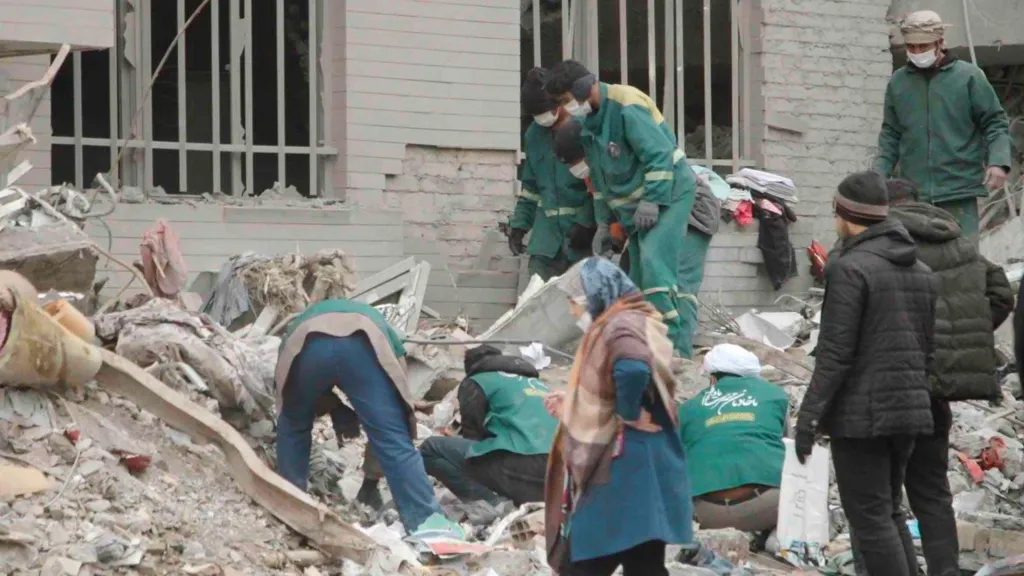
The “ripple of fear” that has gripped global markets took a devastatingly personal turn this morning as residents of Tehran’s densely populated southern districts scrambled to rescue loved ones from the wreckage of overnight airstrikes. While the US and Israel maintain that their “precision campaign” is strictly targeting the Iranian regime’s command-and-control architecture, the reality on the ground in the capital is one of mounting civilian tragedy. Since the conflict began on February 28, human rights groups estimate that over 1,443 civilians have been killed across Iran, including more than 217 children, with Tehran bearing the brunt of the recent escalation.

In the Nasr and Gandhi neighborhoods, the sound of air raid sirens—often failing or delayed—has been replaced by the frantic scraping of shovels against concrete. “My daughter is under the rubble,” cried one father outside the ruins of a residential block hit in the early hours of Friday. “There was no warning. We are not the IRGC; we are just families.” The UN Fact-Finding Mission has warned that civilians are increasingly “caught between a large-scale military campaign and the ongoing repression of their own government,” with reports suggesting the Iranian military has relocated assets into residential spaces, schools, and dormitories, effectively using the population as human shields.
The humanitarian crisis is being compounded by the collapse of essential services. Strikes on March 7 damaged several of Tehran’s refineries, leading to toxic smoke and warnings of “acidic rain,” while the city’s water and electricity networks are operating at a fraction of their capacity. The World Health Organization (WHO) reports that 18 healthcare facilities have been damaged in the crossfire, including the Gandhi Hotel Hospital, leaving first responders overwhelmed by an influx of injuries ranging from severe burns to shrapnel wounds. An estimated 3.2 million Iranians have now been internally displaced, with over 100,000 fleeing the capital in the first 48 hours of the war alone.
The cultural heart of the city has not been spared either. The Tehran City Council’s cultural heritage committee reported that at least 120 museums and historic buildings have sustained structural damage, including the UNESCO-listed Golestan Palace. “We are losing our history and our future at the same time,” noted one local historian. The psychological toll is equally profound; with internet connectivity frequently dropped to 1% of normal levels by state restrictions, many families are unable to check on relatives or receive timely information about safe zones, creating a vacuum of information that only heightens the “ripple of fear.”

Despite the carnage, the diplomatic rhetoric remains unyielding. As Marco Rubio meets G7 counterparts to discuss further sanctions and the maritime blockade, Iranian state media continues to broadcast defiant warnings, even after the confirmed death of the Supreme Leader in an earlier strike. For the people in the streets of Tehran, however, the geopolitical chess match is secondary to the immediate battle for survival. As the sun sets on another day of “precision” warfare, the tally of names added to the list of the lost serves as a grim reminder that in modern conflict, the “collateral” is always human.
Related News:
 Last‑ditch Call to Save Police Front Counters in London
 Mum Blinded After Tumour Linked to Contraceptive Jab
 SNP Health Secretary Criticised Over NHS Failures Locally
 Scotland Combines Alcohol and Drug Strategy to Cut Addiction Deaths
 Brain-Damaged Scot ‘Stuck’ in Hospital at Centre of Police Probes
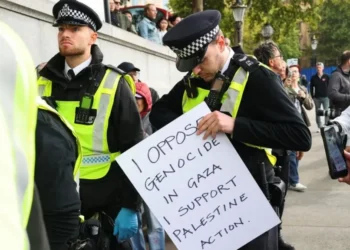 Met Police Resume Arrests for Palestine Action Supporters
 Holyrood Campaign ‘In Meltdown’ as Fifth Reform UK Candidate Quits
 US Lawmaker Demands Testimony Over Sarah Ferguson’s ‘Close Epstein Ties’
 The Last of the Lords: Two Hereditary Peers to Retain Ceremonial Roles Amid Historic Ousting
 Global Crisis: Marco Rubio Convenes Emergency G7 Meeting as Iran Conflict Escalates
 Tasers Introduced in UK Prisons to Combat Rising Violence and Protect Staff
 Police Advised to Disclose Ethnicity of Suspects in High-Profile Cases
 Inquest Finds Agency Worker Failings Led to Unlawful Death of Vulnerable 14-Year-Old
 Sally Rooney Pledges BBC Royalties to Support Palestine Action Despite UK Terror Ban
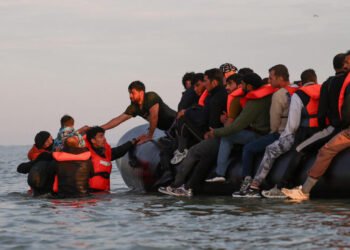 Government Signs Deal with Iraq to Return Illegal Migrants in Latest Bid to Deter Small Boats
 Angela Rayner Faces Scrutiny as Stamp Duty Row Deepens
 Tanni Grey-Thompson Faces Abuse Over Opposition to Assisted Dying Bill
 Norfolk Hospital Ranked Worst in England as NHS League Tables Return
 First “One In, One Out” Deportation Flight Departs Without Migrants Amid Legal Challenges
 Corbyn and Sultana Clash Over Membership Portal as Divisions Surface in New Leftwing Party
 Mahmood Pledges Reform of Modern Slavery Laws After Court Blocks Deportation Appeal
 Migrants in UK May Need to Contribute or Face Removal, Home Secretary Signals
 Jailed Georgian Opposition Leaders Warn UK of Iranian Links to Ruling Party
 Digital ID Plans Ignite Debate Over £600m Treasury Tax Boost and Privacy Concerns
 Lucy Powell urged ministers to reconsider costly legal case for Labour donor’s firm
 UK Health Leaders Push for Urgent Tobacco & Vape Bill
 Johnson Approved China’s London ‘Super-Embassy’ in 2018
 Celebrities and Charities Demand UK Government Act on Child Poverty
 French Taxi Driver Cleared in David Lammy Theft Case After Fare Dispute
 Reeves rejects £1bn plea for NHS redundancy payouts
 Major Rent Reform Ends No-Fault Evictions in England
 Peers Flood Assisted Dying Bill with 942 Amendments
 UK Asylum Overhaul Sparks Debate Over Human Rights and Deportations
 UK Asylum Reforms: Temporary Refugee Status and Faster Deportations
 Mahmood Defends Tough Overhaul of UK Asylum System
 Westminster Advances Legacy Bill Amid Criticism
 Welsh Government Christmas 2020 Lockdown Criticised
 Peers Get Extra Time to Debate Assisted Dying Bill
 “Enough is Enough”: Local MP Vows to Fight Rainham Quarry Plans
 Plans to Limit Jury Trials Face Retreat After Mounting Opposition
 Starmer tariffs stance rejects US trade retaliation
 Reform UK Health Plan ‘Would Cost £1.7bn’, Streeting Says
 Study Finds One in Seven England Takeaways Are Dark Kitchens
 Emails Show Epstein Funded Mandelson’s Husband After Jail
 Police Probe Mandelson Over Alleged Epstein Leak
 Motorists Could Face ‘Mandatory’ Driving Ban for Road Offences Under Tougher Laws
 Disability and LGBT Hate Crimes Set to Become Aggravated Offences
 NHS Negligence Ruling Raises Payout Costs
 Civil Service Pay: Union Urges Ministers to End ‘Barking Mad’ Limits
 How Much Could Andrew’s Arrest Hurt the Royal Family?
 Schools in England to Get Budget for Children with Special Needs as Part of SEND Overhaul
 Sadistic Pair Jailed for Blowing Up Sheep
 NHS Maternity Units Cover Up Harmful Childbirth Errors
 Grave of Murdered Toddler James Bulger Vandalised
 ‘I Almost Died After a Touch‑and‑Go C‑Section’
 Water Cremation Introduced in UK First
 Labour MP’s Partner Arrested on Suspicion of Spying for China
 Manchester Students Mourn Ayatollah Amid Protest
 Police Scotland Pays £8m Compensation to Staff
 Streeting Criticises SNP Over NHS App Dispute
 Scots Firefighter Cycles 800 Miles for MND Charity
 Woman, 29, ‘Chucked’ Into Care Home 100 Miles Away
 Proposed Law Leaves Gap for Children of Convicted Paedophiles
 Gran Vows to Shield Huntley’s Daughter From Soham Killer’s Funeral
 Labour Faces Backlash Over Conscription Warning
 Father Dies by Suicide Weeks After Wedding in Clitheroe
 Mother of Child Cancer Survivor Fears UK Visa Changes
 Hereditary Peers to Lose Seats in House of Lords
 Jobless Man on £15k Benefits Accused of Hurling Abuse at Anti-Migrant Demo
 Rapist Caught After Victim Calls Police Mid-Attack

 Mandelson’s Phone Messages Requested in Files Release
 Families Tortured by Authorities During Investigations Inquiry Told
 Watchdog Probes Police Handling of Andrew Tate Abuse Claims
 ‘Teenage Me Could Not Have Imagined This’ Says First Female Archbishop
 The High Cost of Survival: How the 2026 Fiscal Outlook is Redefining British Life
 Safety Fears at New £200m Maternity Unit: Mums-to-Be ‘Put at Risk’
 Dawn Raids in Scotland and Spain: Eight Arrested in Major Organised Crime Sting
 Trust in Turmoil: Just Eat and Autotrader Among Firms Probed Over Fake Reviews
 Fuel Famine: How African Nations are Rationing Power and ‘Diluting’ Petrol to Survive