Published: 30 March 2026. The English Chronicle Desk. The English Chronicle Online.
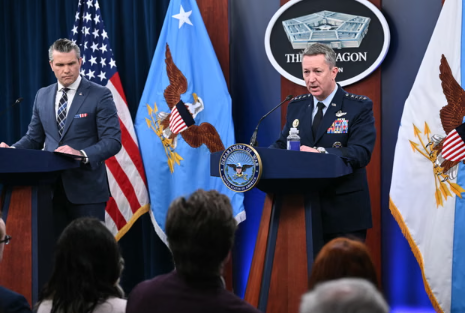
The geopolitical landscape of the Middle East is currently facing a transformative and perilous shift. Recent reports suggesting the Pentagon is preparing for ground operations in Iran have ignited fierce debate. US lawmakers are now grappling with the implications of a conflict entering a new phase. Thousands of American troops are assembling in the region as tensions reach a critical boiling point. This escalation follows weeks of uncertainty regarding the strategic direction of the current administration’s military policy.
Officials recently spoke to the Washington Post about the potential for upcoming Iranian ground operations. These maneuvers might be limited to targeted raids by special operations forces and specific infantry units. However, it remains entirely unclear if Donald Trump will officially approve these ambitious Pentagon plans. The ambiguity surrounding the Commander-in-Chief’s final decision has left both allies and domestic critics anxious. Military analysts suggest that the window for a diplomatic resolution appears to be closing quite rapidly.
James Lankford, a prominent Republican senator, shared his perspective during a recent television interview on Sunday. Speaking to NBC’s Meet the Press, he did not rule out supporting boots on the ground. Lankford emphasized that the government must clearly define the specific objectives for any such military action. He believes it is vital to know exactly what the troops are intended to carry out. The senator serves on the Senate Intelligence Committee and maintains a focus on national security.
The senator expressed a firm belief in the necessity of finishing the job once started. He noted that understanding which specific forces are deployed remains a top priority for the committee. Lankford distinguished between targeted special forces operations and the prospect of a long-term military occupation. He argued that a quick “get in, get out” mission differs significantly from a protracted war. His primary concern is starting a conflict and leaving it tragically undone or without resolution.
The White House has attempted to manage the public narrative following these startling media reports today. Press secretary Karoline Leavitt responded to the Washington Post article with a very measured official statement. She explained that the Pentagon must make preparations to provide the President with maximum strategic optionality. Leavitt clarified that preparation does not necessarily mean a final decision has been made by Trump. This distinction is crucial as the administration balances military readiness with a complex political platform.
On the ground in the Middle East, the physical evidence of military preparation is growing. A further three thousand five hundred US soldiers and marines arrived in the region this Sunday. This deployment is part of a unit led by the formidable warship known as USS Tripoli. The arrival includes significant assault and transport assets designed for rapid and versatile maritime operations. Usually, the United States maintains a steady presence of about fifty thousand troops in this area.
Military options for this buildup include plans specifically aimed at securing the vital Strait of Hormuz. Other potential operations involve seizing Iranian oil facilities or securing highly enriched uranium from nuclear sites. These objectives represent a significant escalation in the scope of the ongoing international maritime conflict. Donald Trump has previously claimed he was not interested in putting troops anywhere in the world. This stance has created visible splits within his core political base regarding foreign military engagements.
The question of whether the President needs congressional approval for a deployment remains a hot topic. Senator Lankford was asked about this requirement but chose to offer a somewhat demurred response instead. He suggested that the need for approval is largely contingent on how the troops are used. For a longstanding war similar to Iraq or Afghanistan, he admitted that Congress should be involved. However, he viewed short-term missions to protect Americans as falling under a very different category.
Senate Republicans have historically rejected multiple war powers resolutions aimed at limiting the President’s military authority. These resolutions were designed to prevent unilateral action against Iran without the explicit consent of Congress. Now, the Pentagon has reportedly requested an additional two hundred billion dollars to fund the conflict. This request comes on top of an already massive annual budget of one trillion dollars. Trump suggested these funds are necessary for many reasons beyond the immediate situation in Iran.
The financial request follows a devastating Iranian missile strike that destroyed a US E-3 Sentry aircraft. This early warning and control plane was hit while on the ground in Saudi Arabia. The loss of the three hundred million dollar aircraft marks a historic first in combat incidents. The United States is believed to have only about eight of these specialized planes in service. Such a loss highlights the increasing technical capabilities and aggression of the Iranian military forces.
Lankford indicated that if the budget request arrives, Congress must speak up at that specific moment. He wants the legislature to discuss the plans and the extent of the proposed military actions. Meanwhile, House Majority Leader Steve Scalise offered a more supportive view of the current administration’s goals. He told ABC News that the world understands the danger of a nuclear-armed Iranian state. Scalise argued that Iran’s actions have actually united Israel and many Arab nations against them.
Scalise rejected any claims that the administration has failed to lay out its core strategic objectives. He asserted that President Trump understands what needs to be done to ensure global regional stability. The leader praised the team surrounding the President for their expertise and handling of the crisis. This sentiment is not shared by the Democratic wing of the Senate, who see disaster. They fear the current trajectory is leading the nation toward another avoidable and costly foreign war.
Democrats reacted strongly on Sunday to the signs that the conflict is becoming much more dangerous. Cory Booker stated that the administration has led the country into a massive presidential blunder of history. The New Jersey senator believes the lack of congressional approval is pushing the nation toward chaos. He argued there is no foreseeable off-ramp for the thousands of troops moving into the region. Booker questioned the planning behind what he calls the biggest engagement since the war in Afghanistan.
The senator from New Jersey added that Trump has not made a case to the people. He believes strategic allies in the region are also being left in the dark about plans. Maryland Senator Chris Van Hollen echoed these concerns during his appearance on the news program This Week. He expressed hope that the additional Pentagon budget request would fail to pass in the Congress. Van Hollen described the situation as an illegal war of choice being led by the President.
Van Hollen pointed out that the President campaigned on a promise to avoid new Middle East wars. He argued that the current conflict is making the United States less safe than it was. The senator highlighted the rising costs of oil and gas as a direct result of instability. He noted that American lives have already been lost and billions of dollars are being spent. Van Hollen criticized the partnership with Prime Minister Netanyahu, claiming it has caused prices to go high.
In Iran, the rhetoric has reached an equally intense level of hostility and defiance this weekend. Parliament speaker Mohammad Bagher Ghalibaf warned the United States against attempting any form of a ground invasion. He threatened to set American troops on fire if they entered Iranian territory in the coming weeks. Ghalibaf also vowed to punish regional partners who support the United States in its military endeavors. Iranian official media reported that their forces are waiting for the arrival of the American troops.
Analyst Karim Sadjadpour told CBS that he sees no possibility of a resolution without a negotiated settlement. He warned that the United States and Iran are miles apart regarding their ultimate political goals. Sadjadpour suggested that a potential ceasefire could eventually open the Strait of Hormuz to international shipping. This would effectively shift the situation from a hot war back to a more manageable cold war. However, the path to such an agreement remains obscured by intense military posturing and threats.
The Iranian Revolutionary Guard has also issued threats to target US-affiliated universities within the Middle East. They claim this would be retaliation for alleged US-Israeli strikes on two separate Iranian educational institutions. A statement demanded that the US government officially condemn the bombing of universities by Monday noon. Failure to do so would lead to retaliation against American educational assets located throughout the region. This adds a new and deeply concerning layer of civilian risk to the escalating military confrontation.
Related News:
 British Woman in Iran ‘Losing Hope’ Amid Ongoing Detention
 BBC to Apologise Over Edited Trump Speech Amid Backlash
 Britain deploys RAF specialists to assist Belgium with drone threats
 US Justice Department Files Lawsuit Against California Over Partisan Voting Maps
 Greene Pushes Epstein Files Amid Trump Fallout
 Trump Deploys DHS to Charlotte in Major Arrest Operation
 December Run-Off in Chile as Election Produces No Winner
 Canada Passes Carney’s First Budget in Tight Parliamentary Vote
 Shadow Fleet at Sea: Europe’s Battle Against Illicit Oil Shipping
 Pentagon Officials in Ukraine to Discuss War End
 Venezuela Threatens Nobel Winner Machado with Fugitive Status
 Georgians Defy Government Crackdown After Year of Protests
 EU plans $105bn Ukraine aid using frozen Russian assets
 Global campaign launched to free Palestinian leader Barghouti
 Trump Policies Boost China’s Global Rise, Survey Finds
 Iran unrest slows under brutal crackdown and global tensions
 Pentagon Signals Reduced Role in Deterring North Korea
 Thousands Protest ICE Operations in Nationwide US Day of Action
 Epstein Files Reveal Trump Officials’ Emails with Financier
 Starmer Condemns ‘Depraved’ Russian Strikes on Ukraine
 Herzog visit sparks protests across Australian cities
 UK and US Drop in Global Corruption Index Rankings
 Sydney Protest Escalates and Elderly Woman Suffers Severe Injury
 Tarique Rahman’s Rise Toward Bangladesh’s Top Job
 Glass Cliff Debate After Ley’s Ouster
 Canberra Poster Seizure Sparks Free Speech Row
 Evo Morales Returns After Mysterious Absence
 AFP Reviews Pauline Hanson Comments
 Duterte ICC Hearing Begins Amid Defiance
 Trump Tariffs Threat Spark UK and EU Alarm
 The Dangerous Rise of Remigration Across Modern Europe
 Trump’s Marathon Speech Fails to Mask a Growing National Disconnect
 Jacinda Ardern Moves To Australia Following Her US Fellowships
 US to offer passport services in West Bank settlements
 Jacinda Ardern Move Sparks Kiwi Reflection
 Health Funding Row Rocks US‑Africa Relations
 Nick Greiner Warns Over Election Review Fallout
 New UK-EU Reset Faces Criticism from Parliament
 Cuba charges six exiles for terrorism after speedboat raid
 Iran Defiance Grows Amid US-Israel War Pressure
 US Strikes on Iran Set for Most Intense Day Yet
 Injured Mojtaba Khamenei Elevated as Iran Leader
 Gordon Brown urges court for crimes against children
 Moscow Internet Blackouts Raise Censorship Fears
 Oil Prices Jump After Trump Claims Iran Oil Hub Destroyed
 Republicans Rebuke FCC Threat Over Iran War Coverage
 Pakistan Targets Militant Hideouts in Afghanistan
 Oil Prices Surge as IEA Weighs Emergency Release
 Danish Election Deadlock Shakes Frederiksen’s Grip
 Air Canada CEO Faces Outcry Over Recent Language Misstep
 Trump to Visit China in May After Iran War Delay
 Pope Rebukes Leaders for War as Middle East Tensions Rise
 Trump to Deploy “God Squad” Over Gulf Wildlife Protections
 Army Probes Apache Flyover at Kid Rock’s Nashville Estate
 Italian Town Buys Mussolini Villa to Keep Away Fascist Fans
 Report Says Pezzullo Acted ‘Recklessly’ in Dealings
 Trump Employs Nixon’s Madman Theory Amid Iran Crisis
 Trump Voices Frustration Over Nato Role in Iran Conflict
 Hungary election: Orbán faces biggest test amid scandal
 Suspected Plot Targets Pipeline Before Hungary Vote
 Trump Slams UK Ties and Threatens To Rewrite Trade Deal
 Capitalism ‘Suicidal’, Warns Petro at Climate Summit
 Judge halts deportation of Yemeni refugees in US
 Trump approval plunges amid Iran war fears
 Ohio’s Battle for Trust: Democrats Vying to Flip the Buckeye State
 US ‘Narco Boat’ Strikes Draw Global Outcry
 Afghan Families Left in Limbo Face Risk of Deportation
 Tensions Emerge in Netanyahu-Trump Alliance
 US Awaits Iran Reply on New Ceasefire Proposal
 Discontent grows around Putin amid war strain
 Starmer Leadership Under Pressure After Setbacks
 House Curbs Trump’s War Powers in Rare Rebellion
 Germany Summons Chinese Envoy Over Russian Troop Training
 New South Wales Premier Chris Minns Signals Tough Road Ahead for Labor
 Le Pen to Run for President Despite Embezzlement Conviction
 Ukraine Creates Long-Range Strike Command
 Le Pen’s Popularity Holds Despite Conviction
 Houthis Strike Saudi Arabia as Middle East Tensions Rise
 Russian Missiles Intensify Pressure on Kyiv
 Former Diplomats Urge UK and France to Act on Palestine